

 Se i fuld skala
 Del
Del Del
Del
 Detaljer

 Download
 Lignende værker
 Røntgenundersøgelse
 Diasshow
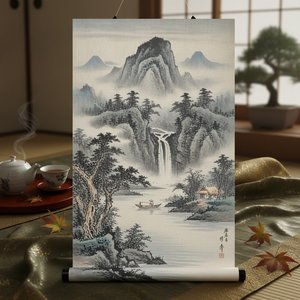
Landscape
 Shui-mo (Japanese Landscape)
 601
601 32.0cm x 50.0cm
 Se mere
Giclée / Kunsttryk
Giclée- eller lærredstryk i museumskvalitet med hurtig produktion og fleksible muligheder for finish. ( Køb håndlavet maleri Køb billede)




































Vælg mellem vores forudindstillede størrelser, der matcher kunstværkets originale proportioner.

Du kan indtaste dine egne mål for at passe til en specifik ramme eller et bestemt område. Hvis den valgte størrelse ikke stemmer overens med det originale billedes proportioner, vil vi enten beskære kunstværket eller udvide billedet med en spejlet eller ensfarvet kant. En digital mockup vil blive sendt til din godkendelse, før produktionen påbegyndes.
Bemærk venligst, at forhåndsvisningen på skærmen ikke afspejler den faktiske beskæring eller udvidelse. Kun mockuppen vil nøjagtigt vise den endelige komposition.
Selvom specialmål er tilgængelige, anbefaler vi at vælge et mål fra den foruddefinerede liste for at bevare de originale proportioner.
Verdensomspændende levering () på 2 uger i stedet for de sædvanlige 4/5 uger. (22 august)

Gratis ekspresforsendelse til hele verden

Lærred af linned i høj kvalitet

Fuld transportforsikring

Garanti for refusion af told og importafgifter

Garanti for præcis farvegengivelse

60 dages returret (kun ved fabrikationsfejl)

100% Tilfredshedsgaranti

Mængderabat tilgængelig
 Glasmulighed er kun tilgængelig i størrelser under 110 cm

Landscape
Giclée / Kunsttryk
Størrelse på reproduktion
-


Samlet pris
$ 81
Kunstnerens biografi
Hara Naoharu: A Pioneer of Monochrome Landscape Painting
Hara Naoharu (1547 – 1618), born in Saga, Japan, stands as a pivotal figure in the history of Japanese art, particularly renowned for his masterful execution of suiboku-ga—water-ink monochrome paintings—during the Momoyama period. He was the second son of Hara Naoe, lord of Nogomi Castle in Hizen Province, establishing him within a noble lineage deeply intertwined with the artistic patronage of the era. His artistic journey began under the tutelage of Sesshu Sesshū (1428–1506), arguably the most influential painter of his time, whose austere style profoundly shaped Naoharu’s approach to composition and tonal gradation—a hallmark of the Unkoku School he founded.- Early Life & Training: Naoharu's formative years were marked by exposure to the refined artistic environment fostered by his father’s castle, where he honed his skills alongside other prominent artists. Sesshu’s teachings instilled in him a dedication to capturing the essence of nature through subtle variations in ink tone—a technique prioritizing observation and conveying mood rather than detailed representation.
- The Unkoku School: Following Sesshu's influence, Naoharu established the Unkoku School (無垢流), which distinguished itself from the prevailing Kanō school’s emphasis on elaborate ornamentation. Instead, Unkoku painters favored simplicity and restraint, focusing on conveying profound spiritual contemplation through landscapes imbued with atmospheric depth and luminosity. This stylistic preference reflected a broader cultural shift towards Zen Buddhism during the Momoyama period.
- Notable Works: Among his celebrated pieces are screens depicting scenes from Buddhist legends, showcasing Naoharu’s ability to integrate narrative elements with artistic subtlety. These works exemplify the Unkoku School's commitment to conveying spiritual contemplation through carefully crafted landscapes.

hara naoharu
1547 - 1618 , Japan
Kort om kunstneren
- Artistic Movement Or Style: Suiboku-ga (Water-Ink Painting)
- Artists Or Movements Influenced By This Artist: kanō school
- Artists Who Influenced This Artist: sesshū
- Date Of Birth: 1547
- Full Name: Hara Naoharu
- Nationality: Japanese
- Notable Artworks: ['Landscape']
- Place Of Birth: Saga, Japan
Relaterede artikler

Katsushika Hokusai: Top 25 Kunstværker – Japansk Mesterkunst til Dit Hjem
Oplev Katsushika Hokusais 25 mest ikoniske kunstværker – fra 'The Great Wave' til smukke Fuji-landskaber. Udforsk japansk ukiyo-e, træsnit og historisk kunst på OriginalUniqueArt.com. Find din perfekte vægkunst i dag!
Serenity on Canvas: A Guide to the Timeless Beauty of Japanese Landscape Painting
Discover the serene beauty of Japanese landscape painting. From Hokusai's iconic woodblock prints to meditative sumi-e ink washes, explore a visual journey through the 'floating world' and learn how to bring this timeless Zen aesthetic into your modern home decor.

Romantikkens Landskaber: Top 10 Malerier der Definerede En Æra | OriginalUniqueArt
Oplev romantikkens storhedstid! Dyk ned i top 10 landskabsmalerier af Caspar David Friedrich, Turner & Constable. Historiske fortællinger og museumskvalitets reproduktioner på OriginalUniqueArt.com – find din inspiration til væggen her!

Zen on Canvas: The Timeless Beauty and Spiritual Depth of Japanese Landscape Painting
Explore the profound serenity of Japanese landscape painting. From Hokusai's waves to Zen-inspired ink washes, discover the history, technique, and spiritual depth of Ukiyo-e masters in this expert art historical guide for collectors and enthusiasts.

Evocations of Place: A Historical Journey Through Landscape Art
Explore the rich history of landscape art with OriginalUniqueArt. Discover renowned artists, movements like Impressionism & Romanticism, and expert guidance for collecting timeless pieces. Find your perfect serene escape today!

