

 Del
Del Del
Del
 Detaljer

 Download
 Lignende værker
 Diasshow
 Statistik
shirt panel (mola)


 Se mere
Giclée / Kunsttryk
Giclée- eller lærredstryk i museumskvalitet med hurtig produktion og fleksible muligheder for finish. ( Køb håndlavet maleri Skift til digitalt billede)




































Vælg mellem vores forudindstillede størrelser, der matcher kunstværkets originale proportioner.

Du kan indtaste dine egne mål for at passe til en specifik ramme eller et bestemt område. Hvis den valgte størrelse ikke stemmer overens med det originale billedes proportioner, vil vi enten beskære kunstværket eller udvide billedet med en spejlet eller ensfarvet kant. En digital mockup vil blive sendt til din godkendelse, før produktionen påbegyndes.
Bemærk venligst, at forhåndsvisningen på skærmen ikke afspejler den faktiske beskæring eller udvidelse. Kun mockuppen vil nøjagtigt vise den endelige komposition.
Selvom specialmål er tilgængelige, anbefaler vi at vælge et mål fra den foruddefinerede liste for at bevare de originale proportioner.
Verdensomspændende levering () på 2 uger i stedet for de sædvanlige 4/5 uger. (19 september)

Gratis ekspresforsendelse til hele verden

Lærred af linned i høj kvalitet

Fuld transportforsikring

Garanti for refusion af told og importafgifter

Garanti for præcis farvegengivelse

100 dages returret (kun ved fejl og mangler)

100% Tilfredshedsgaranti

Mængderabat tilgængelig
 Glasmulighed er kun tilgængelig i størrelser under 110 cm

shirt panel (mola)
Giclée / Kunsttryk
Størrelse på reproduktion
-


Samlet pris
$ 81
The Soul of the San Blas: A Tapestry of Guna Heritage
In the vibrant heart of the Caribbean coast, where the turquoise waters of Panama meet the lush greenery of the San Blas Islands, lies a visual language far more profound than mere decoration. The shirt panel (mola) is not simply a textile; it is a rhythmic heartbeat captured in fabric. Created by the skilled hands of the Guna people, this piece serves as a window into a world where mythology and daily existence are inextricably woven together. To gaze upon this work is to witness the meticulous labor of generations, a tradition that transforms simple scraps of cloth into complex, layered narratives of identity and cosmic order.
The artistry of the mola is defined by its breathtaking complexity and the mastery of the appliqué technique. Each layer of fabric is carefully cut and stacked, creating a multidimensional effect that gives the design a sculptural quality. In this particular panel, the interplay of pink and black provides a striking stage for a geometric dance of red hearts and diamonds. The precision required to execute such intricate patterns—where every edge must be perfectly concealed beneath the next layer—speaks to a level of patience and discipline that is nothing short of extraordinary. This technique allows for a vibrant, saturated color palette that remains luminous, making it an ideal focal point for any sophisticated interior.
Symbolism and the Geometry of Life
Beyond its aesthetic allure, the mola functions as a symbolic lexicon. The geometric motifs found within this piece—the recurring hearts and diamonds—are more than mere shapes; they represent the interconnectedness of the natural and spiritual realms. In Guna culture, patterns often mirror the organic symmetries found in flora, fauna, and the celestial bodies. The repetition of these forms creates a sense of infinite continuity, suggesting a universe that is both structured and ever-evolving. For the collector, this piece offers a profound connection to an indigenous cosmology, where every stitch serves as a testament to the resilience and spiritual depth of the Guna people.
The emotional resonance of such a work lies in its warmth and vitality. The bold contrast between the deep black background and the energetic pinks and reds evokes a sense of celebration and life force. It is an art form that refuses to be silent, demanding attention through its intricate textures and rhythmic compositions. For interior designers, integrating a high-quality reproduction of this mola into a space introduces a layer of cultural storytelling and tactile richness. It provides a sophisticated counterpoint to modern minimalism, injecting a sense of history, soul, and handcrafted intimacy into contemporary living environments.
Kunstnerens biografi
The Living Tapestry: The Soul of Guna Artistry
In the heart of the San Blas Islands, where the turquoise Caribbean Sea meets the lush, emerald coastlines of Panama, there exists a visual language written not in ink, but in thread and color. This is the world of the Guna people, an indigenous community whose artistic heritage is most vibrantly expressed through the mola—intricate, layered textile panels that serve as much more than mere decoration. To encounter a mola is to witness a profound testament to an enduring spirit; it is a rhythmic dance of geometry and myth that captures the very essence of Panaman and Colombian indigenous life. These textiles are the pulse of a culture, acting as repositories of ancestral memory where every stitch carries the weight of a thousand stories.
The origins of this artistry are deeply intertwined with the history of the Guna people themselves. Descended from ancient lineages that may have connected to Mesoamerican civilizations, the Guna developed a nomadic lifestyle that fostered a deep, spiritual connection to the natural world. This ecological awareness is etched into every fabric panel. The technique used to create these masterpieces is known as reverse appliqué, an extraordinary feat of patience and precision. Unlike traditional embroidery that rests upon a surface, Guna women create these patterns by layering multiple sheets of carefully chosen colored cloth—often remnants of textiles introduced through centuries of trade—and then meticulously cutting away the top layers to reveal the vibrant hues hidden beneath. This process creates a structural depth and a sculptural quality, transforming simple fabric into a complex, multi-dimensional mosaic.
Symbolism, Narrative, and the Natural World
Beyond their striking visual appeal, molas function as a sophisticated system of communication, representing a visual language that transcends spoken words. Each piece is a narrative vessel, often depicting scenes from Guna mythology, cosmology, or significant historical events. The motifs found within these textiles are rarely arbitrary; they are deeply symbolic reflections of the environment and spiritual beliefs. One might observe:
- Geometric Patterns: Intricate shapes that represent fundamental concepts such as duality, balance, and the interconnectedness of all living things.
- Fauna and Flora: Stylized depictions of animals and plants, such as the scales of a serpent or the movement of waves, which symbolize ecological awareness and spiritual protection.
- Cosmic Narratives: Designs that recount the creation of the universe and the roles of ancestral deities within the Guna worldview.
The artistry is characterized by an intense, rhythmic contrast. A single panel might feature a breathtaking interplay between deep, shadowy blacks and fiery oranges, evoking both the warmth of a tropical sunrise and the mysteries of the ancient jungle. This mastery of color and line reflects a disciplined hand, where the artist’s skill is measured by the sharpness of every cut and the seamless integration of contrasting tones.
Evolution and Contemporary Significance
The history of Guna art is also a history of resilience and adaptation. The arrival of European explorers and traders brought new materials, such as cotton, which fundamentally altered the textures available to artisans. However, rather than losing their identity to these external influences, the Guna people demonstrated a remarkable ability to integrate new elements while preserving the core values of their tradition. They adapted their techniques to utilize new fabrics without ever compromising the sacred geometric structures that define their cultural aesthetic.
Today, the legacy of Guna artistry continues to thrive within the autonomous comarcas of Panama and Colombia. While the molas have gained international recognition as significant works of textile art, they remain deeply rooted in the daily lives of the Guna women who create them. They are not merely artifacts for a gallery; they are living expressions of identity, worn with pride as part of traditional dress. As the world changes, the mola remains a steadfast anchor—a vibrant, kaleidoscopic window into a culture that continues to weave its past, present, and future into a single, magnificent tapestry.

guna people
Panama
Kort om kunstneren
- Artistic Movement Or Style: Mola Art
- Full Name: Guna people
- Nationality: Indigenous
- Notable Artworks:
- Shirt Panel (mola)
- Shirt Panel (mola)
- Place Of Birth: Panama
Relaterede artikler

The Enduring Appeal of Geometric Patterns in Art: A Historical & Contemporary Exploration
Explore the captivating history of geometric abstraction in art, from ancient roots to contemporary masters. Expert insights for collectors & enthusiasts. Discover key artists, movements & investment potential.

Sort i Kunsten: Top 10 Berømte Malerier & Deres Mystik | OriginalUniqueArt.dk
Oplev 10 berømte malerier domineret af sort – fra Rembrandts drama til Goyas mystik. Lær historierne bag disse ikoniske kunstværker og find inspiration til dit hjem. Køb museumskvalitets reproduktioner på OriginalUniqueArt.com

Geometrisk Abstraktion: Top 10 Kunstværker der Definerede Bevægelsen | OriginalUniqueArt.dk
Oplev de 10 mest ikoniske værker inden for geometrisk abstraktion! Fra Kandinsky til Mondrian – lær historierne bag disse banebrydende kunstnere og deres farverige malerier. Find museumskvalitets reproduktioner & inspiration til din indretning på OriginalUniqueArt.dk.
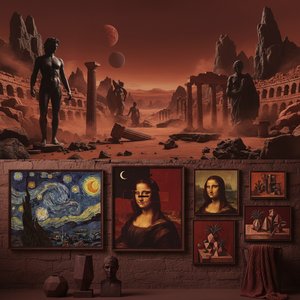
Mørkets Mestre: Top 10 Maler Domineret af Sort – Kunst & Indretning
Oplev 10 ikoniske malerier domineret af sort – fra Rembrandts dramatiske skygger til Munchs ekspressive mørke. Lær historien bag mesterværkerne og find inspiration til din indretning. Køb kunsttryk i museumskvalitet på OriginalUniqueArt.com
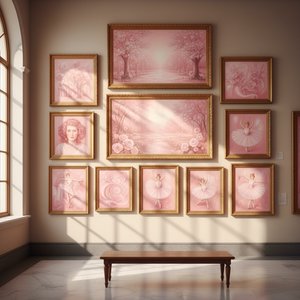
Top 10 Berømte Malerier i Lys Rosas Nuancer – Kunst & Indretning
Oplev skønheden i lyserøde nuancer! Udforsk top 10 berømte malerier fra impressionismen med Monet, Degas & Renoir. Find inspiration til din indretning og køb kunsttryk af høj kvalitet på OriginalUniqueArt.com – museumskvalitet leveret direkte til dig.