
 Se i rummet
 Del som kort
 Del
Del
 Detaljer
 Guide
Guide

 Download
 Lignende værker
 Røntgenundersøgelse
 Diasshow
 Spørgsmål og svar
 Statistikker
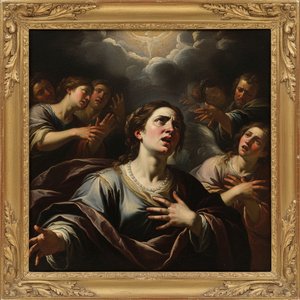
Susanna and the Elders

- 144.0 x 173.0 cm


 Vis mere
Giclée / Kunsttryk
Giclée- eller lærredstryk i museumskvalitet med hurtig produktion og fleksible muligheder for finish. ( Køb håndmalet maleri Skift til digitalt billede)




P118B Dkr10

P118H Dkr10

P118W Dkr10

P438Z Dkr10

P508JH Dkr12

P508YH Dkr12

P805H Dkr10

P805Z Dkr10

P919BZ Dkr10

P919G Dkr10

P919XJ Dkr10

P959ZH Dkr10

P968JZ Dkr12

W106C Dkr8

W218G Dkr10

W218JH Dkr8

W218Y Dkr10

W307PJ Dkr10

W316G Dkr10

W316PJ Dkr8

W316Y Dkr10

W398PJ Dkr8

W4111J Dkr10

W500HY Dkr15

W500JH Dkr15

W692G Dkr12

W849H Dkr8

W940BG Dkr15

W953PJ Dkr8




Vælg mellem vores forudindstillede størrelser, der matcher kunstværkets originale proportioner.

Indtast den bredde og højde, du har brug for, så det passer til din ramme eller din væg. Et print kan kun beskæres, aldrig gøres større end selve billedet, så en størrelse med et andet format vil medføre, at dele af motivet går tabt. Vi sender dig en digital mockup til godkendelse, før vi printer noget. Billedet vist på denne side viser ikke den faktiske beskæring — det er kun mockuppen, der gør.
Verdensomspændende levering () på 2 uger i stedet for de sædvanlige 4/5 uger. (6 november)

Gratis ekspresforsendelse til hele verden

Lærred af linned i høj kvalitet

Fuld transportforsikring

Garanti for refusion af told og importafgifter

Garanti for præcis farvegengivelse

100 dages returret ved fabrikationsfejl

100% fuld returret

Mængderabat ved flere køb
 Glasmulighed er kun tilgængelig i størrelser under 110 cm

Susanna and the Elders
Giclée / Kunsttryk
Størrelse på reproduktion
-


Samlet pris
Dkr 541
The Enigmatic Scene: Guido Cagnacci’s Susanna and the Elders
Guido Cagnacci's “Susanna and the Elders” is not merely a depiction of a biblical narrative; it’s an immersion into the sensual drama and psychological tension that defined the height of the Bolognese Baroque. Painted around 1627-1630, this arresting work resides within the hallowed halls of The Hermitage Museum in St. Petersburg, Russia, yet its power transcends geographical boundaries, captivating viewers with a masterful blend of classical restraint and intensely felt emotion. Cagnacci, born in Sant'Arcangelo di Romagna, skillfully inherited and expanded upon the traditions of his predecessors – Reni, Carracci – while forging a distinctly personal style characterized by rich color palettes, dramatic chiaroscuro, and an uncanny ability to capture the fleeting expressions of human desire.
A Story of Deception and Virtue
The narrative unfolds with a quiet intensity, centered around Susanna, a young woman renowned for her beauty and virtue. She is depicted in a moment of vulnerability – seated on a simple bench within a private garden, bathed in the diffused light of an unseen window. Her gaze, direct and unwavering, draws the viewer into the scene, creating an immediate connection between subject and observer. Behind her, two elderly men, figures of authority and presumed wisdom, lurk in shadow, their faces etched with lustful intent. The Elders, driven by a desperate desire for Susanna, have falsely accused her of adultery, threatening to expose her shame to the community. This isn’t a grand, operatic drama; it's a slow-burning revelation of deceit and the struggle between innocence and corruption.
Cagnacci masterfully utilizes composition to heighten this tension. The diagonal lines created by Susanna’s posture and the placement of the Elders draw our eye across the canvas, emphasizing their proximity and the potential danger she faces. The mirror reflecting her image adds a layer of self-awareness, suggesting that even in her vulnerability, Susanna retains a sense of dignity and control.
Technique and Artistic Flourishes
Cagnacci’s technical prowess is immediately apparent in the painting's rich textures and luminous colors. He employs a masterful use of chiaroscuro – the dramatic contrast between light and shadow – to sculpt Susanna’s form and create a sense of depth within the intimate setting. The warm hues of her dress and skin stand in stark opposition to the cool, shadowed figures of the Elders, further emphasizing their moral corruption. The brushwork is remarkably smooth and refined, indicative of Cagnacci's meticulous attention to detail. Note particularly the delicate rendering of the fabric folds, the subtle nuances of expression on Susanna’s face, and the atmospheric quality of the background – a dark, suggestive space that hints at both danger and mystery.
The painting is executed in oil on canvas, measuring 144 x 173 cm. The scale allows for a remarkable level of detail and intimacy, drawing the viewer into the heart of the drama. The artist’s choice to depict Susanna partially clothed – seated on a bench with only her dress covering her body – is deliberate, inviting contemplation about themes of modesty, virtue, and the vulnerability of women in a patriarchal society.
Symbolism and Enduring Resonance
Beyond its biblical subject matter, “Susanna and the Elders” resonates with broader themes of justice, deception, and the triumph of truth. The painting serves as a potent allegory for the dangers of false accusations and the importance of upholding moral integrity. The mirror reflects not only Susanna’s image but also the viewer's own reflection, prompting us to consider our own roles in witnessing and challenging injustice. Cagnacci’s work continues to hold relevance today, reminding us of the timeless struggle between virtue and vice, and the enduring power of art to illuminate the complexities of human experience.
Spørgsmål og svar
Hvordan kan jeg se "Susanna and the Elders" af Guido Cagnacci som et diasshow?
Se diaporamabillederne af "Susanna and the Elders" på værkets side Billedserie.
Hvad deler "Susanna and the Elders" med resten af Guido Cagnaccis produktion?
"Susanna and the Elders" deler med Guido Cagnaccis øvrige værker sin Baroque-stil og de gennemgående temaer: bolognese school, sensual subjects, religious narrative, moral lesson, courtly painting, aristocratic themes, chiaroscuro, dramatic lighting.
Hvor kommer de besøgende til "Susanna and the Elders" af Guido Cagnacci fra?
Statistikker for "Susanna and the Elders" af Guido Cagnacci findes på værkets Besøgsstatistik-side: månedlige besøg på værket, besøg på kunstnerens øvrige værker samt en opdeling af de seneste besøgende efter land og sprog.
Kunstnerbiografi
Tidligt liv og kunstneriske begyndelser
Guido Cagnacci, født den 19. januar 1601 i den beskedne by Sant'Angelo in Romagna, sprang ud af en familie af håndværkere—hans far, Matteo Cagnacci, var garver og pelsjæger. Selvom hans oprindelse forbliver noget hyllet i mystik, med spekulationer der peger mod mulige rødder i Castel Durante eller Rimini, er det tydeligt, at den unge Guido besad et medfødt kunstnerisk talent. I modsætning til mange af tidens kunstnere, der gennemgik strenge formelle læreforløb fra barndommen af, fremstår Cagnaci i vid udstrækning som selvlært; beskrevet af 1700-tallets biograf Giovan Battista Costa som en, der var ”skænket et så vidunderligt talent fra naturen”, at han påbegyndte sin kunstneriske rejse med minimal vejledning. Denne tidlige evne fik hans far til at søge en mere struktureret træning til ham, først i Bologna omkring 1618 og efterfølgende gennem to ophold i Rom. Selvom den præcise identitet på hans mentorer stadig debatteres, menes det bredt, at Ludovico Carracci og Guido Reni havde en dybtgående indflydelse på hans tidlige udvikling inden for den bolognesiske skole. Disse formative oplevelser lagde grundstenen til en stil, der i sidste ende ville udmærke ham som en unik stemme i barokkens landskab.En udviklende stil: Bologna, Rom og regionale indflydelser
Cagnaccis kunstneriske uddannelse var ikke begrænset til et enkelt atelier eller én by. Hans tid i Bologna eksponerede ham for de klassiske idealer og de polerede teknikker fra Carracci-familien, mens hans rejser til Rom bragte ham i kontakt med Guercinos dramatiske intensitet og Guido Renis raffinerede elegance. Han mødte også den franske maler Simon Vouet under sine romerske perioder, hvilket yderligere udvidede hans stilistiske horisonter. Denne sammenflydning af indflydelser er tydelig i hans tidlige værker, som ofte skildrer religiøse motiver udført med en voksende mestring af chiaroscuro—det dramatiske samspil mellem lys og skygge, der blev et kendetegn for barokmaleriet. Cagnacci var dog ikke blot en efterligner; han begyndte at gennemvæde sine kompositioner med en særpræget sensualitet og psykologisk dybde. Efter perioder i Bologna og Rom etablerede han sig som arbejdende kunstner i Rimini fra 1627 til 1642, før han flyttede til Forlì. Hans tid i Forlì viste sig at være særligt betydningsfuld, da den gav ham mulighed for at studere værkerne af Melozzo da Forlì, hvis innovative brug af perspektiv og dynamiske kompositioner yderligere formede hans kunstneriske vision.Modne værker: Sensualitet, drama og kontrovers
Den modne fase af Cagnaccis karriere, som strakte sig fra omkring 1640'erne frem til hans død i 1663, er karakteriseret ved en dristig udforskning af sanselige emner og en stadig mere sofistikeret brug af chiaroscuro. Han blev berømt for sine skildringer af Maria Magdalene, ofte portrætteret som en smuk, angrende kvinde fortabt i ekstatisk kontemplation, samt sine fortolkninger af klassiske myter, især dem med Kleopatra. Disse malerier er ikke blot øvelser i teknisk dygtighed; de besidder en bemærkelsesværdig psykologisk intensitet og en næsten foruroligende realisme. Cagnaccis figurer er gennemsyret af en mærkbar fysisk tilstedeværelse og emotionel sårbarhed, som fangede—og til tider skandaliserede—hans samtidige. Hans arbejde pressede ofte grænserne for acceptabel anstændighed, hvilket førte til anklager om usømmelighed og udfordrede de herskende kunstneriske konventioner. Kunstnerens intime portrætter vandt også anerkendelse for deres evne til ikke blot at indfange det fysiske lighedstræk, men også motivets indre liv.Genopdagelse og historisk betydning
På trods af betydelig succes i sin levetid—han nød mæcenat fra fremtrædende adelsslægter i Romagna og udenfor—aftog Guido Cagnaccis ry efter hans død. Hans værker faldt i relativ glemsel i århundreder, stort set overset af kunsthistorikere og det brede publikum. Det var først i det 20. århundrede, at en målrettet indsats blev gjort for at genopdage og revurdere hans værk. Lærde begyndte at anerkende de unikke kvaliteter ved hans stil—den mesterlige chiaroscuro, den sanselige realisme og den psykologiske dybde—og at værdsætte hans bidrag til baroktraditionen. I dag fejres Cagnacci som en vigtig skikkelse i italiensk barokmaleri, en bro mellem de klassiske idealer fra den bolognesiske skole og de mere dramatiske, følelsesladede stilarter, der opstod senere i århundredet. Hans malerier tilbyder et fascinerende indblik i sin tids kunstneriske sanselighed og udfordrer os til at genoverveje vores forståelse af skønhed, sensualitet og repræsentationens kraft. Hans eftermæle ligger ikke kun i hans tekniske virtuositet, men også i hans vilje til at udforske komplekse temaer og sprænge de kunstneriske udtryks grænser. Cagnaccis værk fortsætter med at resonere hos et moderne publikum og minder os om kunstens vedvarende evne til at provokere, inspirere og udfordre vores opfattelser.
Guido Cagnacci
1601 - 1663 , Italien
Kort om kunstneren
- Bemærkelsesværdige Værker:
- Maria Magdalene
- Cleopatra-malerier
- Dødsdato: 1663
- Fulde Navn: Guido Cagnacci
- Fødested: Santarcangelo di Romagna, Italien
- Fødselsdato: 19. januar 1601
- Kunstnere Der Påvirkede Denne Kunstner:
- Ludovico Carracci
- Guido Reni
- Guercino
- Kunstnerisk Bevægelse Eller Stil: Barok
- Nationalitet: Italiensk
Relaterede artikler
Chiaroscuro and Soul: A Definitive Guide to the Drama and Emotion of Italian Baroque Masterpieces
Embark on a sophisticated journey through Italian Baroque art. Discover the dramatic interplay of light and emotion in Caravaggio’s masterpieces and explore how to bring this timeless grandeur into your collection with expert art insights.

Barokkens Drama: Hvordan Storhed og Emotion Bringes Ind i Moderne Interiører
Dyk ned i barokkunstens verden! Lær om stilens historie, karakteristika og hvordan du integrerer dens drama og elegance i dit moderne hjem. Inspiration & ekspertrådgivning.

Drama and Light: A Definitive Guide to the Italian Baroque Masterpieces and the Revolution of Chiaroscuro
Explore the dramatic world of Italian Baroque art. Discover how masters like Caravaggio used chiaroscuro and tenebrism to revolutionize painting through light, shadow, and profound realism. A definitive guide for history lovers and art collectors.

Barokkens Mestre: Top 10 Kunstværker der Definerede en Æra | OriginalUniqueArt.dk
Oplev barokkens storhed! Dyk ned i 10 ikoniske kunstværker af Caravaggio, Rembrandt & Vermeer. Lær historierne bag mesterværkerne og find inspiration til din indretning med museumskvalitets reproduktioner på OriginalUniqueArt.com

Italian Baroque Unlocked: High-Drama Art That Hits Hard
Dive into the high-drama world of Italian Baroque art. Discover how chiaroscuro, intense emotion, and theatrical lighting redefined aesthetics. Explore the visceral power of the Counter-Reformation through a modern lens with expert insights from OriginalUniqueArt.com.