

 Se i fuld skala
 Del
Del Del
Del
 Detaljer

 Download
 Lignende værker
 Røntgenundersøgelse
 Diasshow
 Statistik
The Music Lesson


 Se mere
Håndlavet oliereproduktion
Håndmalet olie på lærred i din valgte størrelse og ramme, udført efter bestilling af vores kunstnere. ( Skift til print Skift til digitalt billede)




































Vælg mellem vores forudindstillede størrelser, der matcher kunstværkets originale proportioner.

Du kan indtaste dine egne mål for at passe til en bestemt ramme eller plads. Hvis den valgte størrelse ikke stemmer overens med det originale billedes proportioner, vil vi enten beskære kunstværket eller udvide maleriet med yderligere håndmalede elementer. En digital skitse sendes til din godkendelse, før produktionen påbegyndes.
Bemærk venligst, at forhåndsvisningen på skærmen ikke afspejler den faktiske beskæring eller udvidelse. Kun skitsen vil nøjagtigt vise den endelige komposition.
Selvom specialmål er mulige, anbefaler vi at vælge en dimension fra den foruddefinerede liste for at bevare de originale proportioner.
Efter bestilling vil OriginalUniqueArt.com team sende en e-mail til kunden for at få instruktioner og levere et udkast til en skitse.
Levering i hele verden () på 3/4 uger i stedet for de standard 5 uger. (9 september). Ingen kompromiser med kvaliteten.

Gratis ekspresforsendelse til hele verden

Lærred af linned i høj kvalitet

Fuld transportforsikring

Garanti for refusion af told og importafgifter

Garanti for præcis farvegengivelse

100 dages returret (kun ved fejl og mangler)

100% Tilfredshedsgaranti

Mængderabat tilgængelig
 Glasmulighed er kun tilgængelig i størrelser under 110 cm

The Music Lesson
Reproduktionsmetode
Størrelse på reproduktion
-


Samlet pris
$ 400
The Painting's Composition and Symbolism
The Music Lesson depicts a young musician playing the harpsichord, surrounded by several figures, including a woman sitting at the piano and two children. The painting is characterized by its use of warm colors and soft lighting, creating a cozy and intimate atmosphere. The scene is meant to symbolize love and courtship, with music making being a common theme in 18th century art. Key elements of the painting include the elegant clothing worn by the figures, as well as the intricate details of the harpsichord and piano. The artist's use of chiaroscuro creates a sense of depth and dimensionality, drawing the viewer's eye into the scene.Giuseppe Bonito's Style and Legacy
Giuseppe Bonito was a prominent artist in 18th century Naples, known for his portraits and genre scenes. His style is characterized by its realism and attention to detail, as well as its use of warm colors and soft lighting. The Music Lesson is considered one of his most important works, showcasing his skill as a painter and his ability to capture the essence of everyday life.- View more artworks by Giuseppe Bonito on OriginalUniqueArt.com
- Learn more about the Compton Verney museum and its collection on Wikipedia
The Music Lesson is a true masterpiece of 18th century art, showcasing the skill and craftsmanship of Giuseppe Bonito. Its beautiful composition, symbolism, and historical significance make it a must-see for anyone interested in art and history.
Kunstnerens biografi
The Neapolitan Visionary: The Life and Art of Giuseppe Bonito
In the sun-drenched, vibrant landscape of eighteenth-century Naples, few artists captured the rhythmic pulse of urban life and the theatrical splendor of the era as intimately as Giuseppe Bonito. Born in 1707 in Castellammare di Stabia, Bonito emerged from a period of profound artistic transition, where the dramatic weight of the Baroque was beginning to soften into the playful elegance of the Rococo. His journey was shaped by the prestigious studio of Francesco Solimena, the titan of Neapolitan painting, whose influence provided Bonito with a rigorous foundation in composition and light. Within this creative crucible, Bonito developed a unique sensibility, moving beyond mere academic imitation to embrace a style that celebrated the textures of everyday existence and the whimsical charm of local folklore.
Bonito’s artistic development was marked by an extraordinary ability to blend high-court sophistication with the spirited energy of the streets. While he possessed the technical mastery required for grand religious commissions—such as his ambitious altarpieces for the Caserta Royal Palace—he found his true voice in the genre scene. He became a master of capturing the commedia dell’arte, populating his canvases with the iconic, masked figures of Italian theater. Through these characters, Bonito did more than just paint actors; he wove a narrative of Neapolitan identity, using theatricality to mirror the social complexities and cultural richness of his homeland. His work often serves as a window into a lost world, where the boundaries between performance and reality were beautifully blurred.
Royal Patronage and the Elegance of the Rococo
The ascent of Giuseppe Bonito was significantly propelled by the prestigious patronage of the Bourbon monarchs, who ruled over Naples and Spain. His talent for capturing both dignity and grace earned him a position as a court painter for Maria Amalia of Saxony between 1736 and 1742. During this period, his brushwork reflected the refined tastes of the Habsburg-Bourbon court, producing portraits that exuded an air of aristocratic sophistication. Yet, even amidst the splendor of royal palaces, Bonito never lost his connection to the common human experience. This duality is perhaps most evident in his celebrated works like The Music Lesson, where the intimacy of a private moment is elevated through masterful use of light and color.
In these genre paintings, Bonito utilized several key techniques to engage the viewer's emotions:
- Chiaroscuro and Light: He employed soft, warm lighting to create an atmosphere of intimacy, drawing the eye toward the delicate details of instruments and textiles.
- Narrative Detail: His canvases are rich with symbolic elements, from the intricate carvings of a harpsichord to the expressive gestures of figures engaged in courtship or storytelling.
- Color Palette: A sophisticated use of warm tones allowed him to evoke the heat and vitality of the Neapolitan climate, making his scenes feel lived-in and authentic.
Legacy and Historical Significance
The historical significance of Giuseppe Bonito lies in his role as a chronicler of the Neapolitan spirit. While much of the art history canon focuses on the monumental religious works of the Baroque, Bonito’s contribution to genre painting offers a vital, humanistic counterpoint. He captured the transition of an era, documenting the shift from the solemnity of the previous century to the lightheartedness and social fluidity of the Rococo. His ability to navigate between the grand scale of royal commissions and the subtle nuances of street life makes his oeuvre a comprehensive visual record of eighteenth-century Campania.
Though some of his works were historically subject to attribution disputes—often being confused with those of his contemporary, Gaspare Traversi—modern scholarship has helped to reclaim Bonito’s distinct identity. He remains a pivotal figure whose work continues to enchant collectors and historians alike, offering a profound glimpse into the heart of Naples. His legacy is not merely found in the museums that house his canvases, but in the enduring way he captured the eternal dance between the theatrical and the real.

Giuseppe Bonito
1707 - 1789
Kort om kunstneren
- Artistic Movement Or Style: Rococo
- Artists Or Movements Influenced By This Artist: ["Commedia dell'arte"]
- Artists Who Influenced This Artist: ['Francesco Solimena']
- Date Of Birth: 1707
- Date Of Death: 1789
- Full Name: Giuseppe Bonito
- Nationality: Italian
- Notable Artworks:
- The Music Lesson
- The Poet
- Immaculate Conception
- Place Of Birth: Castellammare di Stabia, Italy
Relaterede artikler

The Allure of Elegance in Art: A Historical & Aesthetic Exploration of Refinement & Grace
Explore the exquisite world of Rococo art! Discover its history, masters (Watteau, Boucher & more), and defining elegance. Expert insights for collectors seeking museum-quality reproductions & custom portraits.

Rokokomaleriet: Top 10 Mesterværker der Definerede Epoken | OriginalUniqueArt.dk
Oplev Rokoko kunstens pragt! Dyk ned i 10 mesterværker fra Boucher, Watteau og Fragonard. Historier, teknikker & inspiration til dit hjem. Find museumskvalitets reproduktioner på OriginalUniqueArt.com
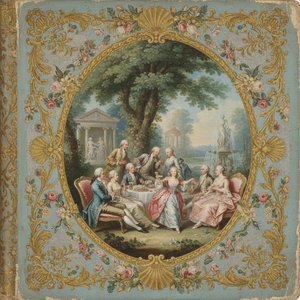
The Rococo Style: Aristocratic Leisure & the Pursuit of Delight in 18th-Century Art
Explore the opulent world of Rococo art! Discover Watteau, Boucher & Nattier's masterpieces. Expert insights for collectors seeking museum-quality reproductions and custom portraits at OriginalUniqueArt.
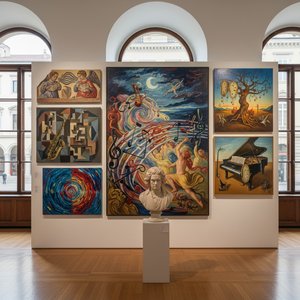
Harmonies on Canvas: Exploring the Visual Representation of Music in Art History
Explore the fascinating history of music's visual representation in art! From ancient symbolism to modern abstraction, discover how artists have captured sound and emotion on canvas. Expert insights & stunning examples.

The Rococo Aesthetic: Opulence, Rebellion & the Pursuit of Pleasure in 18th-Century Art
Explore the opulent world of Rococo art! Discover its origins, key artists like Watteau & Boucher, and lasting influence on design. Expert insights for collectors & enthusiasts.