
 Se i rummet
 Del som kort
 Del
Del
 Detaljer
 Guide
Guide

 Download
 Lignende værker
 Røntgenundersøgelse
 Diasshow
 Spørgsmål og svar
 Statistikker
A messa prima


 Vis mere
Giclée / Kunsttryk
Giclée- eller lærredstryk i museumskvalitet med hurtig produktion og fleksible muligheder for finish. ( Køb håndmalet maleri Skift til digitalt billede)




P118B Dkr10

P118H Dkr10

P118W Dkr10

P438Z Dkr10

P508JH Dkr12

P508YH Dkr12

P805H Dkr10

P805Z Dkr10

P919BZ Dkr10

P919G Dkr10

P919XJ Dkr10

P959ZH Dkr10

P968JZ Dkr12

W106C Dkr8

W218G Dkr10

W218JH Dkr8

W218Y Dkr10

W307PJ Dkr10

W316G Dkr10

W316PJ Dkr8

W316Y Dkr10

W398PJ Dkr8

W4111J Dkr10

W500HY Dkr15

W500JH Dkr15

W692G Dkr12

W849H Dkr8

W940BG Dkr15

W953PJ Dkr8




Vælg mellem vores forudindstillede størrelser, der matcher kunstværkets originale proportioner.

Indtast den bredde og højde, du har brug for, så det passer til din ramme eller din væg. Et print kan kun beskæres, aldrig gøres større end selve billedet, så en størrelse med et andet format vil medføre, at dele af motivet går tabt. Vi sender dig en digital mockup til godkendelse, før vi printer noget. Billedet vist på denne side viser ikke den faktiske beskæring — det er kun mockuppen, der gør.
Verdensomspændende levering () på 2 uger i stedet for de sædvanlige 4/5 uger. (4 november)

Gratis ekspresforsendelse til hele verden

Lærred af linned i høj kvalitet

Fuld transportforsikring

Garanti for refusion af told og importafgifter

Garanti for præcis farvegengivelse

100 dages returret ved fabrikationsfejl

100% fuld returret

Mængderabat ved flere køb
 Glasmulighed er kun tilgængelig i størrelser under 110 cm

A messa prima
Giclée / Kunsttryk
Størrelse på reproduktion
-


Samlet pris
Dkr 538
A Nocturnal Encounter in Light and Shadow
In the quiet, silvered depths of Giovanni Segantini’s 1885 masterpiece, A messa prima, we are invited into a world where the boundaries between reality and dream begin to dissolve. This post-impressionist gem captures a profound moment of human connection—or perhaps, more poignantly, a moment of departure. At the heart of the composition stands a woman perched upon a staircase, her silhouette marked by an elegant ponytail, gazing downward with an expression that oscillates between longing and resignation. Below her, a figure retreats into the shadows, walking away into the mysteries of the night. The scene is not merely a depiction of a physical space, but an emotional landscape where every brushstroke serves to heighten the sense of intrigue and quiet melancholy that defines this nocturnal encounter.
The atmosphere of the painting is thick with the ethereal glow of a moonlit sky, a technique that Segantini employs to envelop the viewer in a soft, luminous haze. Through his masterful use of light, the artist transforms a simple architectural setting into a stage for symbolic storytelling. The moonlight does more than illuminate the figures; it acts as a celestial witness to the fleeting nature of human presence. As the light touches the edges of the stairs and the distant, shadowy figures in the background, it creates a sense of depth that pulls the observer deeper into the painting’s mystery. This interplay of light and dark—the chiaroscuro of the post-impressionist era—imbues the work with a spiritual weight, suggesting that even in the darkness, there is a profound beauty to be found in the transient moments of our lives.
The Mastery of Post-Impressionist Technique
Segantini’s approach to A messa prima showcases his unique ability to blend the structural precision of his training with the emotive, atmospheric qualities of Symbolism. The technique used here allows for a dreamy, almost otherworldly quality that is characteristic of his most celebrated works. Rather than focusing on harsh outlines, Segantini utilizes subtle transitions of tone to suggest movement and emotion. This soft-focus effect creates a sense of nostalgia, as if we are viewing a memory rather than a live event. For the discerning collector or interior designer, this painting offers a sophisticated textural depth that can anchor a room, providing a focal point that rewards prolonged contemplation.
Beyond its visual allure, the painting serves as a poignant reflection on the passage of time and the fragility of human bonds. The composition is meticulously balanced to guide the eye from the central woman, down the descending steps, and toward the receding figures in the distance, mirroring the very movement of life itself—a constant progression away from what was once close. To possess a high-quality reproduction of this work is to bring a piece of art history into one's personal sanctuary; it is an invitation to reflect on the beauty of the ephemeral and the enduring power of the human spirit. Whether placed in a contemporary gallery setting or a classic study, A messa prima remains a timeless testament to the evocative power of Segantini’s vision.
Spørgsmål og svar
Hvilken type værk er "A messa prima"?
"A messa prima" er et værk i form af WallArt.
Hvilken epoke stammer "A messa prima" fra?
"A messa prima" af Giovanni Segantini stammer fra perioden 19th Century. Denne klassificering placerer værket i en kunsthistorisk kontekst.
Hvor anbefales det at udstille "A messa prima" i Panoramic-formatet?
Med sin Panoramic form foreslås en reproduktion af "A messa prima" til et Restaurant.
Kunstnerbiografi
Giovanni Segantini: En Pioner Af Alpejernes Skønhed og Ånd
Giovanni Segantini, en italiensk maler født i 1858, er et navn der stadig vækker beundring for hans unikke og stærkt udtrykkende landskabsbilleder af Alperne. Hans livshistorie er en fortælling om hårdt arbejde, personlige kampe og en dyb forbindelse til naturen – en forbindelse han formåede at fange på et usædvanligt effektivt vis. Segantinis kunst er ikke blot billeder af bjerge; det er portrætter af åndelighed, længsel og den menneskelige tilstand i mødet med det sublime.Barndom og Tidlige Udfordringer
Segantinis barndom var præget af fattigdom og usikkerhed. Han blev født i Arco, en lille by i provinsen Trentino, som dengang var en del af Østrig-Ungarn. Hans far, en handelsmand, rejste ofte, hvilket efterlod hans mor alene med at forsørge dem. Efter hendes død flygtede Giovanni til Milano og endte i et reformatorium, hvor han blev mødt af en kapellan, der så potentiale i hans kunstneriske evner. Denne tidlige opmuntring var afgørende for hans udvikling – det var her, han begyndte at lære at læse og skrive, en indsats der demonstrerede hans utrolige viljestyrke. Han startede sin karriere som fotografassistent, men drømte om at blive maler, og han fandt hurtigt vej til Brera Akademiet i Milano, hvor han blev introduceret til de store italienske kunstnere fra den tidlige periode.Indflydelser og Kunstnerisk Udvikling
Segantinis kunst var dybt påvirket af flere nøglefigurer. Han studerede Anton Mauve og Jean-François Millet, som han lærte om gennem Vittorio Grubicy de Dragon, hans vejleder og galleriejer. Disse kunstnere understregede realismen i deres billeder og fokuserede på at skildre livet i det landlige miljø. En særlig vigtig indflydelse var Divisionismen – en teknik, hvor farverne blev anvendt som små punkter eller striber, hvilket skabte et optisk miks i betragterens øje og gav billederne en levende og lysende kvalitet. Samtidig integrerede Segantini Symbolistiske elementer i sine værker, hvilket tilføjede dybde og symbolik til hans landskaber – han forsøgte at fange mere end blot den fysiske skønhed; han søgte at udtrykke Alpernes åndelige essens.Alpejernes Maler
Segantinis mest kendte værker er hans billeder af Alperne, hvor han formåede at indfange deres majestæt og ro. Han var ikke blot interesseret i den fysiske skønhed, men også i den åndelige forbindelse mellem mennesket og naturen. Hans farvepaletter var ofte mørke og dæmpede, hvilket bidrog til en følelse af mystik og ærefrygt. I 1886 flyttede familien til Savognin, hvor Segantini begyndte at eksperimentere med Divisionismen og skabte nogle af sine mest berømte værker, herunder "Lavandaia" (vaskeren) og "Il castigo delle lussuriose" (Straffen for luksus). Senere flyttede han til Maloja i Engadin, hvor han fortsatte med at udvikle sin stil og skabte nogle af sine mest kraftfulde og symbolsk ladede værker.Vigtige Billeder og Temaer
Segantinis kunst er kendetegnet ved en række bemærkelsesværdige billeder, der repræsenterer forskellige aspekter af hans liv og kunstneriske vision: * "The Two Mothers (Le due Madri)" – Et rørende billede, der skildrer moderlig kærlighed og livet i det landlige miljø. * “Life (La Vita)” - En hyldest til Alpernes skønhed og den menneskelige forbindelse til naturen. * "Donna alla fonte (Alpenlandschaft mit Frau am Brunnen)" – Et fredfyldt billede af en kvinde ved en kilde i Alperne, der fanger essensen af ro og harmoni. * “Ragazza che fa la calza” - En smuk Symbolistisk skildring af en kvinde, der laver strømpe, der udtrykker et øjebliks af hverdagslykke. * "Capriolo morto (Dead Roe Deer)" – Et dybt og bevægende billede, der symboliserer dødeligheden og den flygtige natur af livet.Et Arv af Åndelighed og Skønhed
Giovanni Segantinis kunst er mere end blot landskaber; det er et udtryk for hans personlige oplevelser, hans åndelige søgen og hans dybe respekt for naturen. Hans unikke kombination af Divisionisme og Symbolisme gjorde ham til en pioner inden for sin tid, og hans billeder fortsætter med at inspirere kunstnere og betragtere over hele verden. Han efterlod sig et betydeligt kunstnerisk arv, der er vidnesbyrd om Alpernes skønhed og den menneskelige ånds evige længsel efter mening og forbindelse.
Giovanni Segantini
1858 - 1899 , Østrig-Ungarn
Kort om kunstneren
- Artistic Movement Or Style: Symbolisme, Divisionisme
- Artists Or Movements Influenced By This Artist: ['Divisionisme']
- Artists Who Influenced This Artist:
- Mauve
- Millet
- Date Of Birth: 15. januar 1858
- Date Of Death: 10. august 1899
- Full Name: Giovanni Segantini
- Nationality: Italiensk
- Notable Artworks:
- To Mødre
- Livet
- Kvinde ved kilde
- Place Of Birth: Arco, Italien
Relaterede artikler
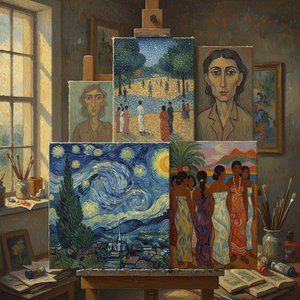
Beyond Impressionism: Exploring the Emotional Depth of Post-Impressionist Painting
Explore the profound emotional depth & innovative techniques of Post-Impressionism with OriginalUniqueArt. Discover Cézanne, Van Gogh, Gauguin & more – and their lasting impact on modern art.

Postimpressionismens 10 Mesterværker: Kunst der Definerede en Æra | OriginalUniqueArt.dk
Oplev postimpressionismens 10 mest ikoniske værker! Fra Van Goghs penselstrøg til Cézannes former. Lær historierne bag berømte malerier og find inspiration til din indretning med kunst af høj kvalitet på OriginalUniqueArt.com. Udforsk samlingen online.
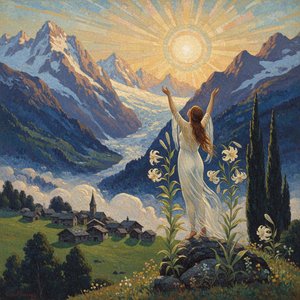
Giovanni Segantini: Capturing Alpine Light & Symbolist Visions
Explore the captivating world of Giovanni Segantini, master of Alpine landscapes & Symbolist art. Discover his innovative techniques, allegorical masterpieces like 'La Vita,' and enduring legacy. Learn about this pivotal 19th-century Italian painter.

Impressionisme vs. Postimpressionisme: En Eksklusiv Guide til Lysets og Følelsernes Revolution i Kunsthistorien
Udforsk den sublime forskel på impressionisme og postimpressionisme. Lær om lysets magi hos Monet og følelsernes dybde hos Van Gogh gennem vores ekspertguide. Find eksklusive, håndmalede oliereproduktioner af verdens største mesterværker med 100% tilfredshedsgaranti hos OriginalUniqueArt.

Ud over Lys og Farve: Impressionisme vs. Postimpressionisme for den Kræsne Samler
Dyk ned i impressionismens og postimpressionismens verden med vores ekspertguide. Lær at identificere, vurdere og investere i disse ikoniske kunstretninger. For den kræsne samler.

