
 Se i fuld skala
 Del
Del Del
Del
 Detaljer

 Download
 Lignende værker
 Røntgenundersøgelse
 Diasshow
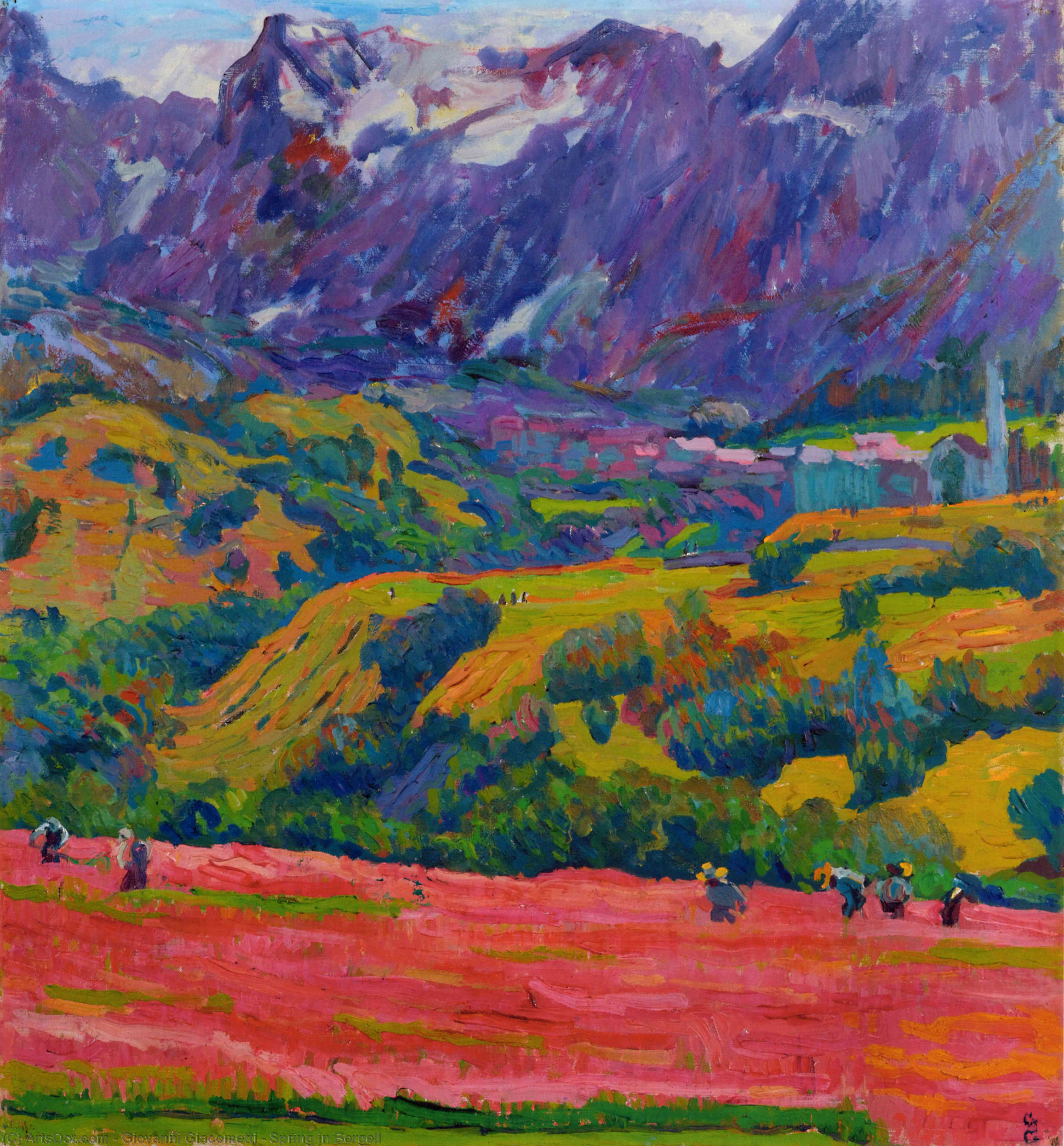
Spring in Bergell


 Se mere
Giclée / Kunsttryk
Giclée- eller lærredstryk i museumskvalitet med hurtig produktion og fleksible muligheder for finish. ( Køb håndlavet maleri Køb billede)




P118B $10

P118H $10

P118W $10

P438Z $10

P508JH $12

P508YH $12

P805H $10

P805Z $10

P919BZ $10

P919G $10

P919XJ $10

P959ZH $10

P968JZ $12

W106C $8

W218G $10

W218JH $8

W218Y $10

W307PJ $10

W316G $10

W316PJ $8

W316Y $10

W398PJ $8

W4111J $10

W500HY $15

W500JH $15

W692G $12

W849H $8

W940BG $15

W953PJ $8




Vælg mellem vores forudindstillede størrelser, der matcher kunstværkets originale proportioner.

Du kan indtaste dine egne mål for at passe til en specifik ramme eller et bestemt område. Hvis den valgte størrelse ikke stemmer overens med det originale billedes proportioner, vil vi enten beskære kunstværket eller udvide billedet med en spejlet eller ensfarvet kant. En digital mockup vil blive sendt til din godkendelse, før produktionen påbegyndes.
Bemærk venligst, at forhåndsvisningen på skærmen ikke afspejler den faktiske beskæring eller udvidelse. Kun mockuppen vil nøjagtigt vise den endelige komposition.
Selvom specialmål er tilgængelige, anbefaler vi at vælge et mål fra den foruddefinerede liste for at bevare de originale proportioner.
Verdensomspændende levering () på 2 uger i stedet for de sædvanlige 4/5 uger. (20 august)

Gratis ekspresforsendelse til hele verden

Lærred af linned i høj kvalitet

Fuld transportforsikring

Garanti for refusion af told og importafgifter

Garanti for præcis farvegengivelse

60 dages returret (kun ved fabrikationsfejl)

100% Tilfredshedsgaranti

Mængderabat tilgængelig
 Glasmulighed er kun tilgængelig i størrelser under 110 cm

Spring in Bergell
Giclée / Kunsttryk
Størrelse på reproduktion
-


Samlet pris
$ 81
Beskrivelse af samlerobjektet
A Symphony of Alpine Serenity
In the gentle light of a Swiss morning, Giovanni Giacometti’s Spring in Bergell invites the viewer into a world where time seems to slow, suspended in the delicate transition of the seasons. This exquisite masterpiece captures a moment of profound connection between humanity and the rugged majesty of the Alps. As the eye wanders across the sun-drenched hillside, it encounters a spirited procession of riders and horses, moving gracefully through the verdant landscape. The scene is not merely a depiction of a journey, but an evocative celebration of camaraderie and the rejuvenating spirit of spring. There is a palpable sense of movement in the way the figures traverse the terrain, suggesting a shared adventure that resonates with anyone who has ever found solace in the great outdoors.
The artistry of Giacometti shines through his masterful command of light and atmosphere. Painted in 1912, the work reflects a sophisticated understanding of the Swiss landscape, utilizing a palette that breathes with life. The lush greens of the meadow are punctuated by the soft, hazy blues of the distant mountains, creating a sense of immense depth and scale. His technique employs a delicate touch, where brushstrokes serve to build texture rather than define harsh boundaries, allowing the sunlight to appear as if it is truly dancing across the hillsides. This impressionistic approach softens the edges of reality, transforming a simple afternoon ride into a dreamlike vision of pastoral perfection.
The Soul of the Swiss Landscape
To understand Spring in Bergell, one must look to the heart of the artist himself. Giovanni Giacometti was a man whose very identity was woven into the fabric of the Swiss mountains. Having studied in the prestigious academies of Munich and Paris, he brought a refined, international sensibility back to his homeland, blending academic precision with a deep, emotional reverence for nature. In this painting, we see the culmination of that journey—a style that honors the structural grandeur of the Alps while capturing the fleeting, ephemeral beauty of a single spring day. The composition, featuring both the primary group of riders and the subtle presence of observers in the distance, creates a layered narrative of community and shared experience.
For the discerning collector or interior designer, this piece offers more than just aesthetic beauty; it provides an emotional anchor for any space. The painting’s ability to evoke feelings of peace, nostalgia, and vitality makes it a versatile centerpiece. Whether placed in a sunlit gallery or a sophisticated contemporary living room, Spring in Bergell acts as a window into a more tranquil era. It serves as a constant reminder of the enduring allure of nature and the simple joys of companionship. Owning a high-quality reproduction of this work allows one to bring the timeless, breathing essence of the Bergell valley into the modern home, fostering an atmosphere of elegance and contemplative calm.
Kunstnerens biografi
A Life Painted in the Heart of Switzerland
Giovanni Ulrico Giacometti, born on March 7th, 1868, in Stampa near Borgonovo in Switzerland, was more than just a painter; he was a son of the Alps, his life inextricably woven into the dramatic beauty and rugged spirit of his homeland. His upbringing within a large family—one of eight children to a father who skillfully balanced the demands of baking with running a local café—provided him with an early exposure to both the practicalities of daily life and the seeds of artistic curiosity. Crucially, he was nurtured by his cousin, Augusto Giacometti, another artist whose passion ignited a spark within young Giovanni, setting him on a path that would ultimately define his entire existence. Formal training began at the Kunstgewerbeschule in Munich in 1886, but it soon became apparent that the school’s rigid structure and emphasis on technical precision were not suited to Giacometti's burgeoning artistic vision—a desire for something more expressive and deeply rooted in observation.The Transformative Influence of Giovanni Segantini
A pivotal moment arrived in 1894, when a chance encounter with the renowned landscape painter Giovanni Segantini proved transformative. Segantini, a master of capturing the ethereal light and atmosphere of the Swiss Alps, wasn’t merely an acquaintance; he became a mentor, opening Giacometti's eyes to the sublime grandeur of the Bergell region and introducing him to the revolutionary technique of Divisionism. This approach, characterized by applying small dots or strokes of color—a method championed by Georges Seurat—allowed Giacometti to create vibrant, luminous effects that seemed to capture the very essence of light and atmosphere. Segantini’s influence is immediately apparent in Giacometti's early works, which began to reflect a heightened sensitivity to light, a dramatic use of color, and an increasingly expressive approach to landscape painting. The Bergell region—with its towering peaks, deep valleys, and ever-changing weather—became a constant source of inspiration, shaping not only his artistic style but also his emotional connection to the land. Giacometti’s early paintings often depicted scenes of daily life in the mountains, imbued with a sense of quiet contemplation and a profound appreciation for the natural world.Bridging Tradition and Modernity: Impressionism and Beyond
Following a period of wandering and artistic exploration after Segantini's death, Giacometti returned to Switzerland, but his artistic journey continued to evolve. He initially studied under William Adolphe Bouguereau and Joseph Nicolas Robert-Fleury at the Académie Julian in Paris, gaining valuable experience in traditional academic techniques. However, he soon found himself drawn to the burgeoning currents of modern art—particularly Impressionism and Post-Impressionism—and sought guidance from Cuno Amiet, a fellow Swiss painter who had established himself as a leading figure in the Parisian avant-garde. This period marked a crucial shift in Giacometti’s artistic development, as he began to experiment with looser brushstrokes, brighter colors, and more expressive forms. He also became involved with the “Brücke” group in Berlin, an influential Expressionist movement that sought to convey intense emotions through bold color and distorted forms. His work during this time reflected a growing interest in psychological themes and social commentary, moving beyond purely representational landscapes to explore the complexities of human experience.The Language of Symbolism and Portraiture
Giacometti’s artistic language became increasingly layered and nuanced throughout his career. While he remained deeply rooted in the traditions of landscape painting, he also embraced elements of Symbolism—a movement that sought to express ideas through evocative imagery and allegory—and incorporated them into his work. His portraits, in particular, are notable for their psychological depth and emotional intensity. He was fascinated by capturing not just the outward appearance of his subjects but also their inner lives—their thoughts, feelings, and motivations. His portraits often feature subtle gestures, enigmatic expressions, and carefully chosen details that reveal hidden layers of meaning. Works like “Mutter und Kind an der Wiege” (Mother and Child at the Cradle) exemplify this ability to convey complex emotions through simple, yet powerfully evocative imagery.A Legacy Etched in Stone and Color
Giovanni Giacometti died on June 25th, 1933, in Glion, Switzerland, leaving behind a rich and diverse body of work that reflects a pivotal moment in Swiss art history. His paintings—characterized by their luminous colors, dramatic compositions, and profound emotional depth—continue to resonate with viewers today. Beyond his own artistic achievements, Giacometti’s legacy is inextricably linked to that of his sons: Alberto, Diego, and Bruno. He fostered a creative environment within his family that nurtured the talents of his children, who would go on to become leading figures in modern art – notably, Alberto Giacometti as a sculptor and Diego Giacometti as a painter. Giovanni’s influence extended beyond his immediate family, as he served on the Eidgenössische Kunstkommission (Swiss Federal Art Commission) from 1918-1921 and again from 1931-1932, demonstrating his commitment to supporting the arts within Switzerland. His work is now held in prestigious collections around the world, a testament to his enduring artistic vision and his profound connection to the beauty of the Swiss landscape.
Giovanni Giacometti
1868 - 1933 , Schweiz
Kort om kunstneren
- Artistic Movement Or Style: Post-Impressionisme
- Artists Or Movements Influenced By This Artist: ['Alberto Giacometti']
- Artists Who Influenced This Artist: ['Giovanni Segantini']
- Date Of Birth: 7. marts 1868
- Date Of Death: 25. juni 1933
- Full Name: Giovanni Ulrico Giacometti
- Nationality: Schweizer
- Notable Artworks:
- In den Schuppen
- Capolago im Winter
- Morgenlicht am See Sils
- Place Of Birth: Stampa, Schweiz
Relaterede artikler
Idyllic Visions: Exploring the Pastoral Tradition in Western Art – Themes, Techniques & Enduring Appeal
Explore the rich history of pastoral art from classical Arcadia to contemporary interpretations. Discover key artists, themes & collecting tips at OriginalUniqueArt.

Idyllic Visions: Exploring the Pastoral Scene in Art History – From Arcadia to Modern Interpretations
Explore the captivating history of pastoral art from classical Arcadia to modern masterpieces. Discover key artists like Millet & Cole at OriginalUniqueArt. Find serene landscape paintings for your home.
Idyllic Visions: Exploring Pastoral Scenes in Art History – From Arcadia to Modern Interpretations
Explore the captivating history of pastoral art, from classical Arcadia to 19th-century masterpieces. Discover key artists like Millet & Cole and find serene landscape paintings for your home at OriginalUniqueArt.
Majestic Peaks on Canvas: A Historical & Artistic Exploration of Mountains in Fine Art
Explore the history of mountain painting! Discover Romantic masterpieces & key artists like Dahl & Calame. Learn about the Sublime & Picturesque aesthetics and find your perfect artwork at OriginalUniqueArt.
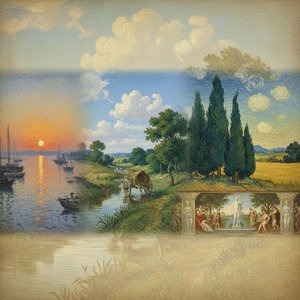
Evocations of Open Air: A Comprehensive Exploration of Outdoor Scenes in Art History
Explore the rich history of outdoor painting! Discover Impressionism, en plein air techniques & renowned landscape artists. Learn about light, color & enduring artistic legacies with OriginalUniqueArt.

