
 Se i fuld skala
 Del
Del Del
Del
 Detaljer

 Download
 Lignende værker
 Røntgenundersøgelse
 Diasshow
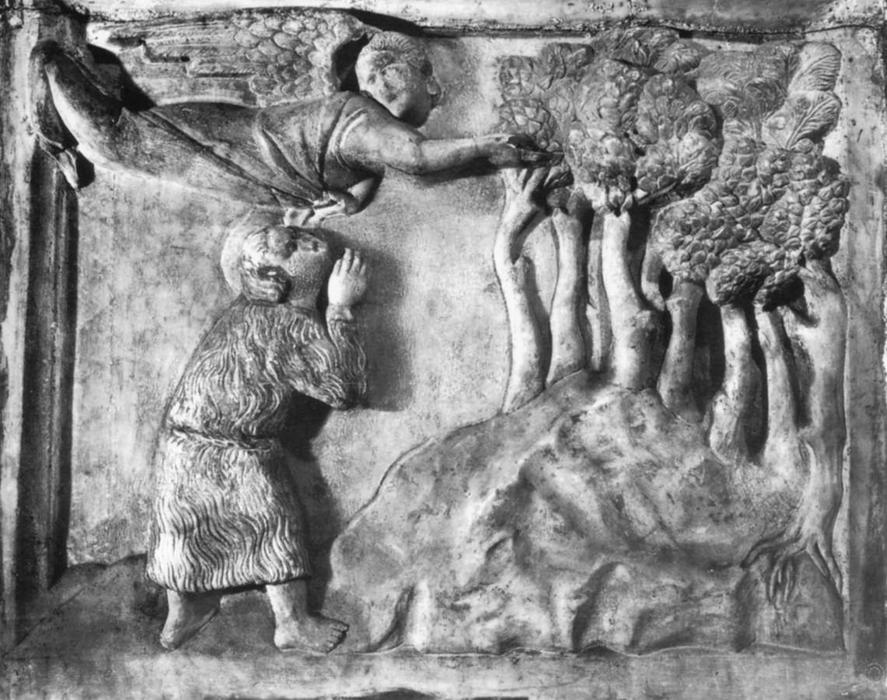
Hexagonal font (detail)


 Se mere
Giclée / Kunsttryk
Giclée- eller lærredstryk i museumskvalitet med hurtig produktion og fleksible muligheder for finish. ( Køb håndlavet maleri Køb billede)




































Vælg mellem vores forudindstillede størrelser, der matcher kunstværkets originale proportioner.

Du kan indtaste dine egne mål for at passe til en specifik ramme eller et bestemt område. Hvis den valgte størrelse ikke stemmer overens med det originale billedes proportioner, vil vi enten beskære kunstværket eller udvide billedet med en spejlet eller ensfarvet kant. En digital mockup vil blive sendt til din godkendelse, før produktionen påbegyndes.
Bemærk venligst, at forhåndsvisningen på skærmen ikke afspejler den faktiske beskæring eller udvidelse. Kun mockuppen vil nøjagtigt vise den endelige komposition.
Selvom specialmål er tilgængelige, anbefaler vi at vælge et mål fra den foruddefinerede liste for at bevare de originale proportioner.
Verdensomspændende levering () på 2 uger i stedet for de sædvanlige 4/5 uger. (19 august)

Gratis ekspresforsendelse til hele verden

Lærred af linned i høj kvalitet

Fuld transportforsikring

Garanti for refusion af told og importafgifter

Garanti for præcis farvegengivelse

60 dages returret (kun ved fabrikationsfejl)

100% Tilfredshedsgaranti

Mængderabat tilgængelig
 Glasmulighed er kun tilgængelig i størrelser under 110 cm

Hexagonal font (detail)
Giclée / Kunsttryk
Størrelse på reproduktion
-


Samlet pris
$ 81
Kunstnerens biografi
Giovanni d'Agostino: Life and Legacy
Early Life and Training
Giovanni d'Agostino (also known as Agostino di Giovanni) was an Italian architect and sculptor active between 1310 and 1347, born in Siena around 1285. His origins lie within a Sienese family with a tradition of sculpting and architecture. Early biographical accounts, notably those by Giorgio Vasari, suggest he initially trained in the workshop of Giovanni Pisano. However, modern scholarship proposes an apprenticeship under Camaino di Crescentino, father to Tino di Camaino, as more likely.
Collaborations and Artistic Development
D'Agostino’s career was characterized by frequent collaboration with other artists. He wasn’t a solitary figure but thrived within the workshop system common during his time. A significant partnership was formed with Agnolo di Ventura, culminating in their joint execution of the cenotaph of Guido Tarlati in the Cathedral of Arezzo (signed and dated 1330). This work is considered one of his major achievements.
- Vasari also mentions collaborations on commissions from the commune of Siena, including the Porta Romana and the iconic Torre del Mangia. Documentation confirms D'Agostino’s involvement in the construction of the Torre del Mangia in 1339.
- He was further involved in constructing fortifications at Massa Marittima, demonstrating his versatility beyond purely sculptural work.
Major Works and Style
While individual attribution can be challenging due to collaborative practices, D'Agostino’s contributions are evident in several key works:
- Cenotaph of Guido Tarlati (Arezzo Cathedral): A prime example of his sculptural skill and collaboration with Agnolo di Ventura. It provides valuable insight into 14th-century aristocratic culture.
- Torre del Mangia (Siena): His involvement in this iconic tower showcases his architectural capabilities and contribution to the Sienese skyline.
- Porta Romana (Siena): Another example of his architectural work, contributing to the city’s fortifications.
D'Agostino’s style reflects the transition from earlier Gothic forms towards a more refined and naturalistic approach. His figures, while still rooted in medieval conventions, display increasing attention to detail and anatomical accuracy.
Influences and Legacy
D'Agostino was influenced by both Giovanni Pisano and Camaino di Crescentino, absorbing elements of their respective styles. He, in turn, passed on his skills to his sons, Giovanni and Domenico, who also became sculptors, continuing the family tradition.
His work represents a crucial link in the development of Sienese art during the 14th century, bridging the gap between earlier Gothic traditions and the emerging Renaissance aesthetic. Although not as widely celebrated as some of his contemporaries, D'Agostino’s contributions were significant to the artistic landscape of Siena and Tuscany.Death and Historical Significance
The exact date of Giovanni d'Agostino’s death is unknown, but a document dated June 27, 1347, indicates he was no longer living. His work remains as a testament to the artistic vitality of Siena during the Gothic period, and his collaborations exemplify the communal nature of art production in medieval Italy.

Giovanni d'Agostino
1285 - 1347 , Italy
Kort om kunstneren
- Birth Date: c. 1285
- Birth Place: Siena, Italy
- Death Date: 1347
- Influenced: Giovanni di Agostino (son), Domenico di Agostino (son)
- Influenced By: Giovanni Pisano, Camaino di Crescentino
- Movement: Gothic art
- Name: Giovanni d'Agostino
- Nationality: Italian
- Notable Works: Cenotaph of Guido Tarlati, Torre del Mangia, Porta Romana

