
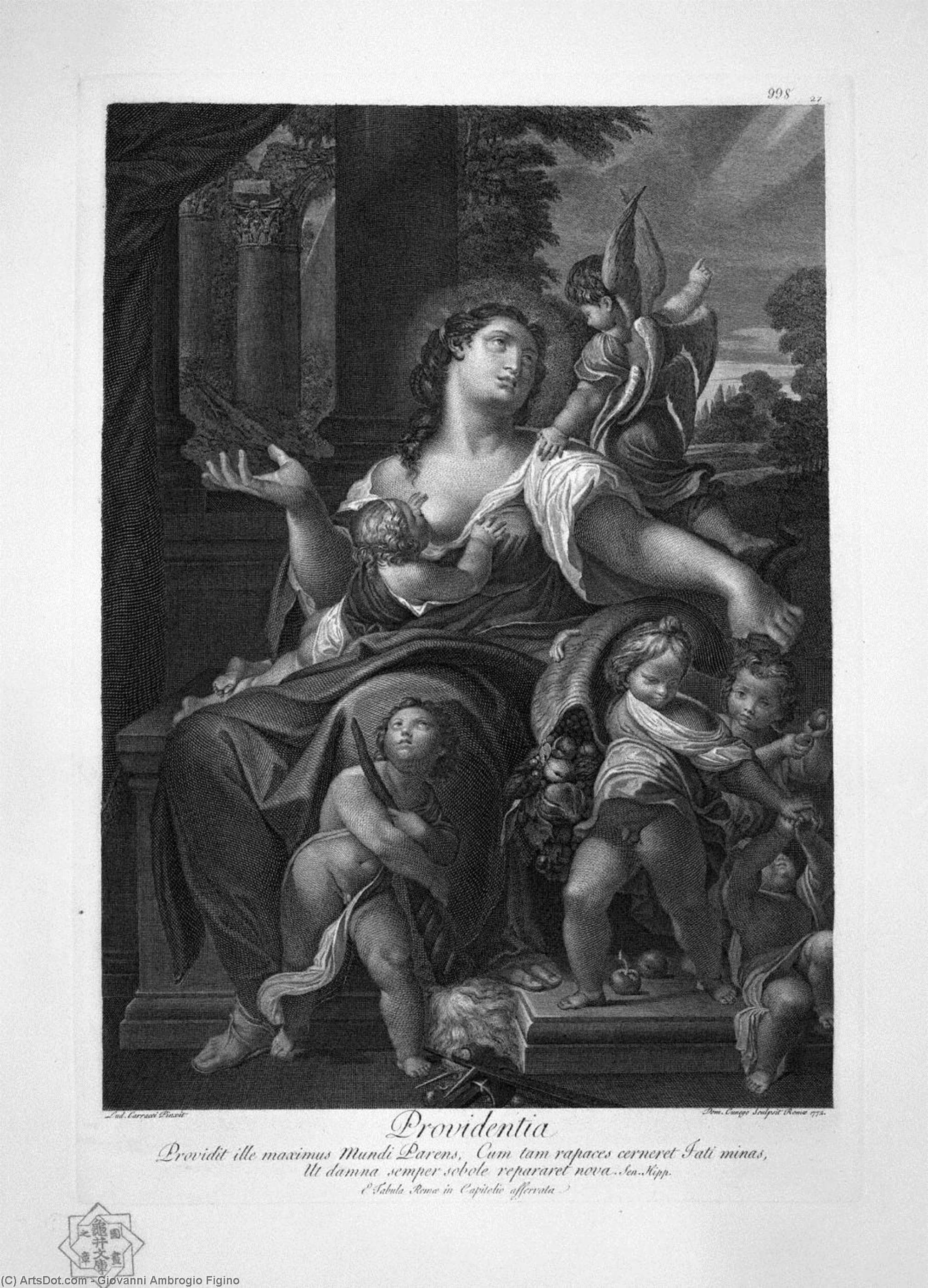
 Se i fuld skala
 Del
Del Del
Del
 Detaljer

 Download
 Lignende værker
 Røntgenundersøgelse
 Diasshow
Jupiter and Io
 Se mere
Håndlavet oliereproduktion
Håndmalet olie på lærred i din valgte størrelse og ramme, udført efter bestilling af vores kunstnere. ( Køb print Køb billede)




































Vælg mellem vores forudindstillede størrelser, der matcher kunstværkets originale proportioner.

Du kan indtaste dine egne mål for at passe til en bestemt ramme eller plads. Hvis den valgte størrelse ikke stemmer overens med det originale billedes proportioner, vil vi enten beskære kunstværket eller udvide maleriet med yderligere håndmalede elementer. En digital skitse sendes til din godkendelse, før produktionen påbegyndes.
Bemærk venligst, at forhåndsvisningen på skærmen ikke afspejler den faktiske beskæring eller udvidelse. Kun skitsen vil nøjagtigt vise den endelige komposition.
Selvom specialmål er mulige, anbefaler vi at vælge en dimension fra den foruddefinerede liste for at bevare de originale proportioner.
Efter bestilling vil OriginalUniqueArt.com team sende en e-mail til kunden for at få instruktioner og levere et udkast til en skitse.
Levering i hele verden () på 3/4 uger i stedet for de standard 5 uger. (20 august). Ingen kompromiser med kvaliteten.

Gratis ekspresforsendelse til hele verden

Lærred af linned i høj kvalitet

Fuld transportforsikring

Garanti for refusion af told og importafgifter

Garanti for præcis farvegengivelse

60 dages returret (kun ved fabrikationsfejl)

100% Tilfredshedsgaranti

Mængderabat tilgængelig
 Glasmulighed er kun tilgængelig i størrelser under 110 cm

Jupiter and Io
Reproduktionsmetode
Størrelse på reproduktion
-


Samlet pris
$ 400
Kunstnerens biografi
The Milanese Master of Light and Line
In the vibrant, spiritually charged atmosphere of late sixteenth-century Milan, a period defined by the profound piety of the Counter-Reformation, Giovanni Ambrogio Figino emerged as a vital voice of the Lombard School. Born in Milan around 1553, Figino was a product of an era where art served as both a window into the divine and a mirror to the burgeoning humanism of the Renaissance. His artistic journey began under the rigorous tutelage of Gian Paolo Lomazzo, a master whose influence instilled in Figino a deep reverence for anatomical precision and the classical principles of composition. This foundational training allowed him to navigate the complexities of both the spiritual and the secular, making him a versatile force in the Milanese art scene.
While many of his contemporaries focused solely on the grand scale of altarpieces, Figino possessed a unique duality in his talent. He was celebrated as much for his delicate, masterful draftsmanship as he was for his ability to breathe life into oil portraits. His drawings, which number over four hundred known pieces, reveal an artist obsessed with the nuance of form and the subtle interplay of shadow. This precision found its most profound expression in his monumental commissions, such as the breathtaking organ shutters for the Milan Cathedral. Working alongside accomplished peers like Camillo Procaccini and Giuseppe Meda, Figino helped weave a visual tapestry of biblical grandeur, depicting the epic passage of the Red Sea and the celestial ascension of Christ with a sense of movement and drama that captivated the faithful.
Psychological Depth and the Art of the Portrait
Beyond the grand narratives of the Church, Figino’s true genius often resided in the intimate spaces of portraiture. He possessed an uncanny ability to capture not just the physical likeness of his subjects, but their very essence—the quiet dignity, the underlying tension, or the intellectual weight of those who sat before him. His Portrait of Lucio Foppa stands as a testament to this psychological insight. In this work, the viewer is met with a subject rendered with such remarkable realism that the texture of his attire and the gravity of his gaze feel almost tangible. Through a subdued palette of earth tones and strategic use of light, Figini focused the viewer's attention on the character of the man, elevating the portrait from a mere record of appearance to a profound study of human identity.
This mastery extended into his religious compositions, where he sought to evoke devotion through clarity and grace. His depictions of Saint Ambrose and the Virgin with Child, currently preserved in the prestigious Brera Gallery, demonstrate a command over color and composition that reflects the stylistic elegance of the Lombard tradition. In these works, the divine is made accessible, rendered with a tactile beauty that invites contemplation. Even when exploring the more niche boundaries of his era, such as the burgeoning genre of still life, Figino displayed an adventurous spirit. His Still-life with Peaches and Fig-leaves showcases an uncommon curiosity, proving that he could find the miraculous in the mundane, capturing the luscious textures of nature with the same reverence he applied to the saints.
A Lasting Legacy in the Lombard Tradition
The historical significance of Giovanni Ambrogio Figino lies in his ability to bridge the gap between the rigorous traditions of the past and the expressive innovations of the coming century. He was an artist who could navigate the strictures of religious dogma while simultaneously exploring the burgeoning realism of portraiture and the delicate beauty of nature. His life, which concluded in 1608, marked the end of a brilliant chapter in Milanese art, yet his influence endured through the meticulousness of his drawings and the enduring power of his painted visions.
Today, the works of Figino serve as essential touchstones for understanding the artistic soul of Lombardy. His legacy is found in:
- The mastery of draftsmanship: Providing a blueprint for anatomical accuracy and preparatory excellence in the late Renaissance.
- The evolution of portraiture: Moving beyond simple representation toward deep psychological realism.
- Genre innovation: Introducing a level of sophistication to still life painting that was rare among his Italian contemporaries.
- Religious storytelling: Contributing to the visual language of the Counter-Reformation through monumental and intimate sacred art.

Giovanni Ambrogio Figino
1553 - 1608 , Italy
Kort om kunstneren
- Artistic Movement Or Style: Lombard School
- Artists Or Movements Influenced By This Artist:
- Camillo Procaccini
- Giuseppe Meda
- Artists Who Influenced This Artist: ['Gian Paolo Lomazzo']
- Date Of Birth: Milan, Italy (1553)
- Date Of Death: 1608
- Full Name: Giovanni Ambrogio Figino
- Nationality: Italian
- Notable Artworks:
- Portrait of Lucio Foppa
- Saint Charles Borromeo
- Still-life with Peaches & Fig-leaves
- Studies for the Virgin and Saints in the Nativity (interior of shutter of the organ in Milan Cathedral)
- Saint Ambrose expelling the arians
- Virgin with child, saints, and donors
- Place Of Birth: Milan

