Se i rummet
 Send
Send Del
Del
 Detaljer
 Studieguide til kunstværker

 Download
 Lignende værker
 Røntgenundersøgelse
 Se diasshow
 Statistik
Inconstancy
 Proto-Renaissance
 1306
1306 120.0 x 55.0 cm
 Læs mere
Håndlavet oliereproduktion
Håndmalet olie på lærred i din valgte størrelse og ramme, udført efter bestilling af vores kunstnere. ( Skift til printversion Skift til digitalt billede)




P118B Dkr10

P118H Dkr10

P118W Dkr10

P438Z Dkr10

P508JH Dkr12

P508YH Dkr12

P805H Dkr10

P805Z Dkr10

P919BZ Dkr10

P919G Dkr10

P919XJ Dkr10

P959ZH Dkr10

P968JZ Dkr12

W106C Dkr8

W218G Dkr10

W218JH Dkr8

W218Y Dkr10

W307PJ Dkr10

W316G Dkr10

W316PJ Dkr8

W316Y Dkr10

W398PJ Dkr8

W4111J Dkr10

W500HY Dkr15

W500JH Dkr15

W692G Dkr12

W849H Dkr8

W940BG Dkr15

W953PJ Dkr8




Vælg mellem vores forudindstillede størrelser, der matcher kunstværkets originale proportioner.

Indtast den bredde og højde, du har brug for, så det passer til din ramme eller din væg. Da dette er håndmalet, kan kunstneren ved en anden form på størrelsen male lidt mere rundt om billedet eller skære lidt væk — det er op til dig. Vi sender dig et digitalt mockup til godkendelse, før maleriet påbegyndes. Billedet, der vises på denne side, viser ikke det endelige resultat — det er kun mockuppet, der gør.
Efter bestilling vil OriginalUniqueArt.com team sende en e-mail til kunden for at indhente instruktioner og fremsende et udkast til gennemgang.
Levering i hele verden () på 3-4 uger i stedet for de standard 5 uger. (22 oktober). Ingen kompromiser med kvaliteten.

Gratis ekspresforsendelse til hele verden

Lærred af linned i høj kvalitet

Komplet transportforsikring

Garanti for refusion af told og importafgifter

Garanti for autentisk farvegengivelse

100 dages returret ved fabrikationsfejl

100% fuld returret

Mængderabat ved flere køb
 Glasmulighed er kun tilgængelig i størrelser under 110 cm

Inconstancy
Reproduktionsmateriale
Reproduktionsstørrelse
-


Samlet pris
Dkr 1966
The Weight of Transient Beauty: Giotto’s “Inconstancy”
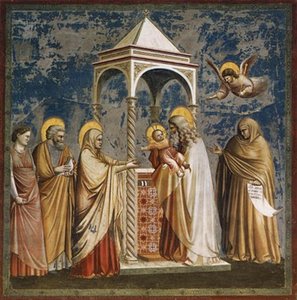
Giotto di Bondone's "Inconstancy," painted in 1306, isn’t merely a depiction of a woman reaching towards the heavens; it’s a profound meditation on the fleeting nature of earthly desires and the inherent instability of human emotion. This fresco, housed within the evocative Scrovegni Chapel in Padua, Italy – a space itself steeped in religious significance – represents a pivotal moment in art history: Giotto's decisive break from the rigid conventions of Byzantine painting and his courageous step toward a more naturalistic and emotionally resonant style. The work’s power lies not just in its technical brilliance but also in its ability to resonate with viewers across centuries, prompting reflection on our own experiences of longing and loss.
The central figure, draped in flowing white garments that seem to ripple with an unseen current, embodies this very concept of “Inconstancy.” Her arms are outstretched, not in supplication or triumph, but in a gesture of desperate yearning – as if she’s grasping for something just beyond her reach. The red background, a bold and dramatic choice for the time, serves to heighten the sense of urgency and instability. It's a color often associated with passion, danger, and even sacrifice, mirroring the volatile emotions at play within the scene. Notice how Giotto masterfully uses chiaroscuro – the interplay of light and shadow – to sculpt the figure’s form, lending her an almost ethereal quality while simultaneously emphasizing her vulnerability.
Proto-Renaissance Realism and Emotional Depth
Giotto's genius lay in his ability to infuse his figures with a palpable sense of humanity. Unlike the stylized, flattened forms characteristic of Byzantine art, Giotto’s figures possess volume, weight, and a remarkable degree of realism. He achieves this through careful observation of anatomy, subtle shifts in pose, and an innovative use of perspective – techniques that would become hallmarks of the Renaissance. “Inconstancy” is a prime example of this shift; the woman's posture isn’t rigidly posed but conveys a sense of movement, struggle, and profound emotional intensity.
The surrounding figures—a man on the left and two others to the right—add layers of complexity to the scene. They aren’t presented as active participants but rather as witnesses to this woman's yearning, their expressions hinting at a shared understanding of the ephemeral nature of desire. This compositional choice suggests that inconstancy isn’t an isolated experience but a universal human condition, one that touches us all.
Symbolism and Allegory
The fresco is deeply allegorical, representing not just the vice of “Inconstancy” but also broader themes of love, loss, and the passage of time. The outstretched arms symbolize the reaching for unattainable ideals – a common motif in medieval art reflecting the tension between earthly desires and spiritual aspirations. The very act of reaching implies a failure, a recognition that fulfillment is often elusive. Some scholars interpret the red background as representing the blood shed in pursuit of these fleeting passions, further emphasizing the cost associated with such pursuits.
Giotto’s deliberate use of color and composition reinforces this symbolic message. The white of the woman's clothing represents purity and innocence, while the red backdrop symbolizes passion and its potential for destruction. The overall effect is a powerful visual metaphor that invites viewers to contemplate the complexities of human emotion and the bittersweet nature of existence.
A Timeless Masterpiece – Reproduced with Care
OriginalUniqueArt offers meticulously crafted hand-painted reproductions of Giotto’s “Inconstancy,” capturing the essence of this extraordinary work in stunning detail. We employ traditional fresco techniques, using archival-quality pigments and canvas to faithfully recreate Giotto's original vision. Each reproduction is a testament to our commitment to preserving artistic heritage while providing collectors with exquisite works of art for their homes or offices. The size 120 x 55 cm version offers an intimate scale, perfect for contemplation, while larger formats allow the full impact of Giotto’s masterful composition to be appreciated. Bring this poignant and timeless masterpiece into your space – a reminder of the beauty and fragility of human experience.
Spørgsmål & svar
Kan jeg se "Inconstancy" som et diasshow i fuld skærm?
Et diasshow er tilgængeligt på siden Diaporama for "Inconstancy" af Giotto di Bondone.
Hvilken fase af Giotto di Bondones karriere tilhører "Inconstancy" (1306)?
"Inconstancy", skabt i 1306, tilhører Proto-Renaissance af Giotto di Bondone's karriere.
Hvor kan jeg finde kunstværker, der ligner "Inconstancy" af Giotto di Bondone?
Siden Lignende værker for "Inconstancy" af Giotto di Bondone præsenterer relaterede kunstværker.
Om kunstneren
Fra Hyrdedreng til Renæssancens Fader: Giotto di Bondones Revolutionerende Vision
Omkring 1267, i de bølgende bakker nær Firenze, Italien, trådte Giotto di Bondone frem fra en beskeden baggrund for at blive en af de mest indflydelsesrige skikkelser i overgangen fra middelalderlig kunst til renæssancen. Hans tidlige liv er omhyllet i legender – en hyrdedreng opdaget i færd med at tegne bemærkelsesværdigt naturtro får på klipper, der fangede den florentinske mester Cimabues opmærksomhed. Sandt eller ej, fortæller historien essensen af Giottos geni: en iboende evne til at indfange den naturlige verden med hidtil uset realisme og følelsesmæssig dybde. Taget i lære hos Cimabue, overgik Giotto hurtigt sin mester, absorberede tekniske færdigheder, men skabte en helt egen vej. Den byzantinske stil, der dominerede tiden, favoriserede stiliserede figurer, flade perspektiver og overdådigt guld – symboler på åndelig transcendens snarere end jordisk repræsentation. Giotto stræbte imidlertid efter at skildre menneskeheden ikke som æteriske ikoner, men som individer fyldt med følelser, der eksisterede i et håndgribeligt rum.
Bruddet med Byzantinismen: En Ny Naturalisme
Giottos kunstneriske revolution var ikke en pludselig omvæltning, men en gradvis udvikling. Hans tidlige værker antydede allerede skiftet, der kom, og demonstrerede et stigende fokus på volumen, vægt og troværdig anatomi. Han begyndte at observere lys og skygge ikke blot som dekorative elementer, men som redskaber til at forme figurer og skabe dybde. Denne spirende naturalisme er tydelig i hans bidrag til freskerne i den øvre basilika i San Francesco i Assisi – selvom forfatterskabet stadig er omdiskuteret, genkender mange lærde Giottos hånd i scener, der viser et markant afvigelse fra den fremherskende byzantinske æstetik. Han afviste ikke traditionen; han byggede videre på den og indførte nye former med en fornyet følelse af menneskelighed og følelsesmæssig resonans. Han forstod fortællingens kraft, skabte kompositioner, der fortalte historier ikke gennem stive symboler, men gennem udtryksfulde gestus, troværdige interaktioner og omhyggeligt konstruerede miljøer.
Scrovegni-kapellet: Et Mesterværk af Fortælling
Giottos mesterværk, og måske et af de vigtigste værker i vestlig kunsthistorie, er freskokredsen, der pryder Scrovegni-kapellet (også kendt som Arena Chapel) i Padua. Fuldført omkring 1305, skildrer denne betagende serie Kristi og Jomfru Marias liv med et revolutionerende niveau af realisme og følelsesmæssig intensitet. Hver scene udfolder sig som et omhyggeligt iscenesat drama, befolket af figurer, der ikke blot er repræsentationer af religiøse arketyper, men fuldt realiserede mennesker, der oplever glæde, sorg, frygt og håb. *Den Sidste Dom*, der dominerer en hel væg, er et kraftfuldt vidnesbyrd om Giottos evne til at formidle både guddommelig majestæt og menneskehedens rå sårbarhed over for sin ultimative regnskabsaften. Brugen af perspektiv, selvom det ikke er matematisk præcist efter senere renæssancestandarder, skaber en overbevisende illusion af dybde, der trækker beskueren ind i fortællingen. Figurerne er jordnære, deres kroppe har vægt og volumen, og deres udtryk formidler et spektrum af følelser, som tidligere var uset i religiøs kunst.
Udover Fresker: Arkitektur og Varig Arv
Giottos talenter strakte sig ud over maleriet; han var også en respekteret arkitekt. I 1334 fik han til opgave at designe Campanilen – klokketårnet – ved Firenze Domkirke, et projekt der viste hans innovative tilgang til arkitektonisk form. Selvom han døde inden færdiggørelsen, lagde hans designs grundlaget for dette ikoniske florentinske vartegn. Hans indflydelse på efterfølgende generationer af kunstnere er umålelig. Han byggede bro over kløften mellem middelalderen og renæssancen og banede vejen for mestre som Masaccio, Leonardo da Vinci og Michelangelo. Vasari, i sit banebrydende *Kunstnernes Liv*, krediterede Giotto med “at give maleriet den store kunst at gøre ting fra livet,” et vidnesbyrd om hans dybtgående indvirkning på vestlig kunsts forløb. Giotto afbildede ikke blot verden; han søgte at forstå den, at fange dens essens og formidle denne forståelse gennem fortællingens kraft. Hans arv fortsætter med at inspirere ærefrygt og beundring århundreder efter hans død og cementerer hans plads som en af historiens største kunstneriske nyskabere.
Nøglebedrifter & Varig Indflydelse
- Revolutionerede Maleri: Bevægede sig væk fra byzantinsk stilisering mod naturalisme og følelsesmæssig realisme.
- Pioner inden for Perspektiv: Introducerede teknikker til at skabe dybde og rumlig bevidsthed i malerier.
- Mesterlig Fortælling: Skabte overbevisende fortællinger gennem freskokredse, som Scrovegni-kapellet.
- Arkitektoniske Bidrag: Designede Campanilen ved Firenze Domkirke og demonstrerede arkitektonisk dygtighed.
- Fundament for Renæssancekunst: Hans arbejde lagde grundlaget for de kunstneriske præstationer i renæssancen.

Giotto di Bondone
1267 - 1337 , Italien
Hurtige fakta
- Bemærkelsesværdige Værker: ['Scrovegni Kapellet']
- Dødsdato: 1337
- Fulde Navn: Giotto di Bondone
- Fødested: Firenze, Italien
- Fødselsdato: ca. 1267
- Inspireret Af: ['Cimabue']
- Kunstnerisk Stil: Proto-renæssance
- Nationalitet: Italiensk
- Påvirkede Kunstnere: ['Masaccio']
Relaterede artikler

OriginalUniqueArt.com F.A.Q.: Elevating Interiors with Bespoke Wall Murals & Masterpiece Frescoes
Discover the pinnacle of bespoke interior transformation with OriginalUniqueArt.com. Our master fresco artists create exquisite, hand-painted wall murals and ceiling masterpieces tailored to your estate. Elevate your architectural space with timeless, museum-quality artistry.