

 Se i rummet
 Send
Send Del
Del
 Detaljer
 Studieguide til kunstværker

 Download
 Lignende værker
 Røntgenundersøgelse
 Se diasshow
 Statistik
Susanna and the Elders


 Læs mere
Giclée / Kunsttryk
Giclée- eller lærredstryk i museumskvalitet med hurtig produktion og fleksible muligheder for finish. ( Bestil håndmalet reproduktion Skift til digitalt billede)




P118B Dkr10

P118H Dkr10

P118W Dkr10

P438Z Dkr10

P508JH Dkr12

P508YH Dkr12

P805H Dkr10

P805Z Dkr10

P919BZ Dkr10

P919G Dkr10

P919XJ Dkr10

P959ZH Dkr10

P968JZ Dkr12

W106C Dkr8

W218G Dkr10

W218JH Dkr8

W218Y Dkr10

W307PJ Dkr10

W316G Dkr10

W316PJ Dkr8

W316Y Dkr10

W398PJ Dkr8

W4111J Dkr10

W500HY Dkr15

W500JH Dkr15

W692G Dkr12

W849H Dkr8

W940BG Dkr15

W953PJ Dkr8




Vælg mellem vores forudindstillede størrelser, der matcher kunstværkets originale proportioner.

Du kan indtaste dine egne mål for at passe til en specifik ramme eller et bestemt område. Hvis den valgte størrelse ikke stemmer overens med det originale billedes proportioner, vil vi enten beskære kunstværket eller udvide billedet med en spejlet eller ensfarvet kant. En digital mockup vil blive sendt til din godkendelse, før produktionen påbegyndes.
Bemærk venligst, at forhåndsvisningen på skærmen ikke afspejler den faktiske beskæring eller udvidelse. Kun mockuppen vil nøjagtigt vise den endelige komposition.
Selvom specialmål er tilgængelige, anbefaler vi at vælge et mål fra den foruddefinerede liste for at bevare de originale proportioner.
Verdensomspændende levering () på 2 uger i stedet for de sædvanlige 4/5 uger. (12 oktober)

Gratis ekspresforsendelse til hele verden

Lærred af linned i høj kvalitet

Komplet transportforsikring

Garanti for refusion af told og importafgifter

Garanti for autentisk farvegengivelse

100 dages returret ved fabrikationsfejl

100% fuld returret

Mængderabat ved flere køb
 Glasmulighed er kun tilgængelig i størrelser under 110 cm

Susanna and the Elders
Giclée / Kunsttryk
Reproduktionsstørrelse
-


Samlet pris
Dkr 522
A Masterpiece of Dramatic Light and Shadow: Gerard van Honthorst’s Susanna and the Elders
Gerard van Honthorst emerged from Utrecht in 1592, a pivotal figure poised to illuminate the Dutch Golden Age with his dramatic artistry. Initially guided by his father, a decorative painter, young Gerard’s talent blossomed under the tutelage of Abraham Bloemaert, establishing a solid foundation in draftsmanship and composition. However, it was a transformative journey to Rome that irrevocably altered the course of his artistic development. There, amidst the fervent energy of the Italian Baroque, he encountered the groundbreaking work of Caravaggio – an encounter that would define his signature style and earn him the evocative nickname “Gherardo delle Notti,” or Gerard of the Nights. The dramatic use of tenebrism, a technique employing stark contrasts between light and dark, became Honthorst’s hallmark, imbuing his canvases with a palpable sense of drama and emotional intensity. He wasn't merely imitating Caravaggi; he absorbed Caravaggio’s revolutionary approach to portraying human emotion and psychological complexity, adapting it to the conventions of Dutch portraiture. This fusion resulted in an unparalleled ability to capture fleeting expressions and convey profound narratives within meticulously crafted compositions.- Subject Matter: The painting depicts a biblical episode – Susanna and the Elders – recounting the tale of a woman falsely accused of adultery by two men who attempted to seduce her.
- Style: Honthorst’s work firmly resides within the Baroque style, characterized by grandeur, theatricality, and an emphasis on emotional impact.
- Technique: He skillfully employed tenebrism, Caravaggio's signature technique, creating a dramatic chiaroscuro effect that highlights key figures and amplifies the tension of the scene. The meticulous layering of paint—particularly in capturing skin tones and drapery folds—demonstrates exceptional draughtsmanship.
Historical Context: Rome and the Influence of Caravaggio
Honthorst’s formative years in Rome were instrumental in shaping his artistic vision. Witnessing Caravaggio's revolutionary approach to painting – prioritizing realism, emotional intensity, and dramatic lighting – profoundly impacted him. Caravaggio shattered traditional conventions by rejecting idealized depictions and favoring unflinching portrayals of human experience, capturing moments of vulnerability and psychological struggle with unprecedented honesty. Honthorst embraced this ethos, adapting Caravaggio’s techniques to the Dutch aesthetic while retaining his own distinctive flair for theatrical presentation. This encounter cemented his reputation as “Gherardo delle Notti,” reflecting his mastery of manipulating light and shadow to evoke powerful emotions in the viewer.- Caravaggio's Impact: Honthorst’s artistic sensibilities were fundamentally altered by Caravaggio’s rejection of idealized beauty and embrace of dramatic realism.
- Roman Patronage: Cardinal Scipione Borghese, a prominent patron of the arts, commissioned numerous works from Honthorst during his Roman period, furthering his artistic development and establishing him as a leading figure in the Baroque movement.
Symbolism and Emotional Resonance
The painting transcends its biblical narrative to explore themes of innocence versus corruption, vulnerability versus deceit, and moral fortitude against manipulative pressure. Susanna’s unwavering refusal to succumb to temptation embodies virtue and resilience—a powerful message conveyed through Honthorst's masterful use of light and shadow. The Elders’ attempts to seduce Susanna represent the dangers of lust and ambition, highlighting the importance of ethical conduct. Furthermore, the dramatic composition itself contributes to the emotional impact of the artwork, drawing viewers into the scene and eliciting contemplation on themes of justice and righteousness. Honthorst's ability to convey complex psychological states through subtle gestures and facial expressions underscores his artistic genius.Legacy and Reproduction
Gerard van Honthorst’s “Susanna and the Elders” remains a celebrated masterpiece, admired for its technical brilliance and profound emotional depth. Reproductions of this iconic artwork offer collectors and interior designers alike an opportunity to experience the grandeur and drama of Baroque painting in their homes. OriginalUniqueArt.com presents high-quality reproductions that faithfully capture the original’s luminous palette and intricate detail—allowing admirers worldwide to appreciate the enduring beauty and artistic significance of Honthorst's seminal work.Spørgsmål & svar
Kan jeg se "Susanna and the Elders" af Gerard van Honthorst på min egen væg, før jeg køber det?
"Susanna and the Elders" af Gerard van Honthorst kan ses på din egen væg via kunstværkets AR-forhåndsvisning-side ved hjælp af augmented reality på en kompatibel enhed.
Hvor gammel var Gerard van Honthorst, da Susanna and the Elders blev skabt i 1655?
Gerard van Honthorst var 65 år gammel, da vedkommende skabte "Susanna and the Elders" i 1655. Alderen er beregnet ud fra kunstnerens fødselsår, 1590.
Hvor kan jeg købe et digitalt billede af "Susanna and the Elders" af Gerard van Honthorst?
Et digitalt billede af "Susanna and the Elders" af Gerard van Honthorst kan købes på denne side: et højtopløseligt digitalt billeddownload.
Hvilken atmosfære ville en reproduktion af "Susanna and the Elders" af Gerard van Honthorst tilføre et rum?
Den Dramatic atmosfære i "Susanna and the Elders" af Gerard van Honthorst passer perfekt til det anbefalede rum: et Living Room.
Hvordan kan jeg se "Susanna and the Elders" af Gerard van Honthorst som et diasshow?
Et diasshow er tilgængeligt på siden Diaporama for "Susanna and the Elders" af Gerard van Honthorst.
Hvordan downloader jeg billedet af "Susanna and the Elders" af Gerard van Honthorst?
En download er tilgængelig for "Susanna and the Elders": kunstværkets Download side tilbyder et højtopløseligt digitalt billeddownload.
Hvilket rum passer til farverne i "Susanna and the Elders" af Gerard van Honthorst?
Med sin Dark farvepalette anbefales "Susanna and the Elders" af Gerard van Honthorst til et Living Room. Farverne er en del af årsagen til denne anbefaling.
Hvilket printformat og hvilken orientering anbefales til "Susanna and the Elders" af Gerard van Honthorst?
Til "Susanna and the Elders" er den anbefalede printopsætning en størrelse på Large og en Landscape orientering.
Om kunstneren
En Master af Lys og Skygge: Livet og Kunsten af Gerard van Honthorst
Gerard van Honthorst trådte frem fra Utrecht i 1592, en central figur klar til at belyse den hollandske guldalder med sin dramatiske kunst. I første omgang vejledt af sin far, en dekorationsmaler, blomstrede Gerard’s talent under Abraham Bloemaert’s vægt, etablerende et solidt fundament i tegnekunst og komposition. Men det var en transformerende rejse til Rom, der uomgængeligt ændrede retningen for hans kunstneriske udvikling. Der, midt i den febrilske energi af det italienske barok, mødte han Caravaggio – et møde, der ville definere hans signaturstil og berettige ham til det evocative kælenavn “Gherardo delle Notti,” eller Gerard of the Nights. Brugen af tenebrism, en teknik med skarpe kontraster mellem lys og mørke, blev Honthorst’s varemærke, indgydende et palpabelt drama og følelsesmæssig intensitet i hans lærred. Han imiterede ikke blot Caravaggio; han oversatte den italienske mesters innovationer til en distinkt hollandsk sanselighed, med fokus på intime scener oplyst af kunstige lyskilder – stearinlys, lamper og ild, hvilket skabte en atmosfære både realistisk og dybt teateragtig. Denne mesterlærde over lys var ikke blot teknisk dygtighed; det var et middel til at afsløre karakter, til at trække betragteren ind i hver scenes følelsesmæssige kerne.Fra Romansk Opmuntring til Hollandsk Mesteri
Honthorst’s tid i Rom var præget af betydelig succes og værdighed. Han fandt gunst blandt byens elite, herunder Vincenzo Giustiniani, for hvem han skabte det kraftfulde “Christ Before the High Priest,” et værk, der exemplificerer hans mesterlige kommando over lys og skygge. Denne maleri, nu beboende i London’s National Gallery, viser ikke kun hans tekniske dygtighed, men også hans evne til at formidle dyb psykologisk indsigt i sine figurer. Han befæstede yderligere sin ry ved at arbejde for Cosimo II de' Medici, Grand Duke of Tuscany, og fortsatte med at udvise en tilpasningsevne og alsidighed, der ville tjene ham godt gennem hele hans karriere. Efter at have vendt tilbage til Utrecht omkring 1620 etablerede Honthorst sig hurtigt som en førende portrætmaler i det hollandske Rige. Hans evne til ikke kun at fange fysisk lighed, men også karakter og social status hos sine modeller gjorde ham meget eftertragtet af velhavende købmænd, adelsmænd og endda kongelige. Han blev præsident for St. Luke’s Gild i Utrecht i 1623, et bevis på hans voksende indflydelse inden for det kunstneriske samfund. Denne periode var præget af mange bestillinger, hvilket tillod Honthorst at finpudse sin stil og etablere en distinkt stemme inden for hollandsk maleri.En Kongelig Kunstner: Bestillinger og Samarbejder
Honthorst’s rækkevidde spredte sig ud over Holland. Hans arbejde tiltrak opmærksomhed fra Sir Dudley Carleton, der entusiastisk anbefalede ham til prominente engelske aristokrater som grevinden Victoria af Böhmen, hendes søster til Charles I, som ansatte ham som både maler og tegnekunstner for deres børn. Disse kongelige forbindelser førte til betydelige værker såsom den allegoriske repræsentation af Charles og Henrietta Maria som Diana og Apollo, nu beboende på Hampton Court Palace. Honthorst’s villighed til at samarbejde med andre kunstnere vidnager om hans åbenhed over for kunstnerisk udveksling. Han var f.eks. kendt for at huse Peter Paul Rubens under et besøg i Utrecht og endda male ham i en legende scene, der forestiller Diogenes, der leder efter en ærlig mand – et bevis på den gensidige respekt mellem disse to barok-giganter. Selvom nogle samarbejdsværker, såsom “The Taking of Christ,” oprindeligt blev tilskrevet kun Honthorst, har moderne forskning afsløret bidrag fra andre kunstnere, hvilket fremhæver de komplekse dynamikker i kunstnerisk produktion i denne periode.En Caravaggistisk Stemme
Honthorst var en nøglefigur i *Utrecht Caravaggisti*-bevægelsen – en gruppe hollandske malere, der omfavnede Caravaggio’s dramatiske realisme og tenebrism. Sammen med kunstnere som Hendrick ter Brugghen og Dirck van Baburen etablerede han en distinkt hollandsk fortolkning af italiensk barok stil. Hans fokus på genre scener oplyst af kunstige lyskilder, hans mesterlige portrætter og hans evne til at formidle følelser gennem dygtig brug af chiaroscuro efterlod et varigt præg på udviklingen af det hollandske guldalder maleri. Hans bror, Willem van Honthorst, fulgte i hans fodspor, men ofte med værker, der oprindeligt blev tilskrevet Gerard på grund af stilistiske ligheder.Et Eftermæle og en Arv
Gerard van Honthorst’s indflydelse resonerede langt ud over hans levetid. Han var en central figur i den *Utrecht Caravaggisti*-bevægelsen – en gruppe hollandske malere, der omfavnede Caravaggio’s dramatiske realisme og tenebrism. Sammen med kunstnere som Hendrick ter Brugghen og Dirck van Baburen etablerede han en distinkt hollandsk fortolkning af italiensk barok stil. Hans fokus på genre scener oplyst af kunstige lyskilder, hans mesterlige portrætter og hans evne til at formidle følelser gennem dygtig brug af chiaroscuro efterlod et varigt præg på udviklingen af det hollandske guldalder maleri. Hans bror, Willem van Honthorst, fulgte i hans fodspor, men ofte med værker, der oprindeligt blev tilskrevet Gerard på grund af stilistiske ligheder. Han døde i Utrecht i 1656 og efterlod et værk, der fortsat belyser det kunstneriske landskab og minder os om lysets og skyggens kraft til at afsløre den menneskelige tilstand.
Gerard van Honthorst
1590 - 1656 , Holland
Hurtige fakta
- Artistic Movement Or Style: Barok, Utrecht Caravaggister
- Artists Or Movements Influenced By This Artist: ['Utrecht Caravaggister']
- Artists Who Influenced This Artist: ['Caravaggio']
- Date Of Birth: 1592
- Date Of Death: 1656
- Full Name: Gerard van Honthorst
- Nationality: Hollandsk
- Notable Artworks:
- Christ før højpræsidenten
- Diana og Apollo
- Place Of Birth: Utrecht, Holland
Relaterede artikler

Willem van de Velde the Elder: Master of Maritime Painting & Chronicler of the Dutch Golden Age
Discover the captivating maritime paintings of Willem van de Velde the Elder, a master chronicler of the Dutch Golden Age. Explore his unparalleled realism and lasting influence on naval art history.
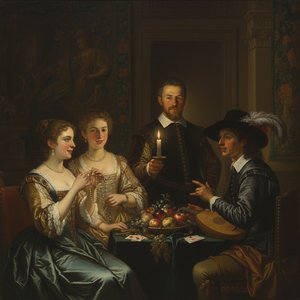
Gerard van Honthorst: Illuminating the Dutch Golden Age with Caravaggism & Courtly Grace
Explore the captivating world of Gerard van Honthorst, a Dutch Golden Age master renowned for his dramatic chiaroscuro & courtly portraits. Discover his life, art, and lasting influence on Baroque painting.

Rembrandts Mesterværker: Top 25 Kunstværker til Din Væg – OriginalUniqueArt.dk
Oplev Rembrandts 25 mest ikoniske kunstværker! Fordyb dig i historierne bag 'Nattevagten', hans selvportrætter og bibelske motiver. Find museumskvalitets reproduktioner & inspiration til din væg på OriginalUniqueArt.com.

Hollandsk Barok: Top 10 Mesterværker der Definerede en Æra – Kunst til Dit Hjem
Oplev Hollandsk Barok's 10 mest ikoniske værker! Rembrandt, Vermeer & co. – dyk ned i historien bag mesterværkerne og find inspiration til din boligindretning. Køb luksus kunsttryk på OriginalUniqueArt.com.
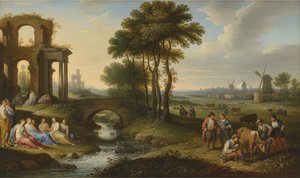
Cornelis van Poelenburch: Bridging Mannerism & the Dutch Baroque Landscape
Discover Cornelis van Poelenburch, a pivotal Dutch Baroque landscape painter bridging Mannerism & Italianate styles. Explore his life, key works, and lasting influence on 17th-century art with OriginalUniqueArt.
