

 Se i rummet
 Send
Send Del
Del
 Detaljer
 Studieguide til kunstværker

 Download
 Lignende værker
 Røntgenundersøgelse
 Se diasshow
 Statistik
Side Chair


 Læs mere
Håndlavet oliereproduktion
Håndmalet olie på lærred i din valgte størrelse og ramme, udført efter bestilling af vores kunstnere. ( Skift til printversion Skift til digitalt billede)




P118B Dkr10

P118H Dkr10

P118W Dkr10

P438Z Dkr10

P508JH Dkr12

P508YH Dkr12

P805H Dkr10

P805Z Dkr10

P919BZ Dkr10

P919G Dkr10

P919XJ Dkr10

P959ZH Dkr10

P968JZ Dkr12

W106C Dkr8

W218G Dkr10

W218JH Dkr8

W218Y Dkr10

W307PJ Dkr10

W316G Dkr10

W316PJ Dkr8

W316Y Dkr10

W398PJ Dkr8

W4111J Dkr10

W500HY Dkr15

W500JH Dkr15

W692G Dkr12

W849H Dkr8

W940BG Dkr15

W953PJ Dkr8




Vælg mellem vores forudindstillede størrelser, der matcher kunstværkets originale proportioner.

Indtast den bredde og højde, du har brug for, så det passer til din ramme eller din væg. Da dette er håndmalet, kan kunstneren ved en anden form på størrelsen male lidt mere rundt om billedet eller skære lidt væk — det er op til dig. Vi sender dig et digitalt mockup til godkendelse, før maleriet påbegyndes. Billedet, der vises på denne side, viser ikke det endelige resultat — det er kun mockuppet, der gør.
Efter bestilling vil OriginalUniqueArt.com team sende en e-mail til kunden for at indhente instruktioner og fremsende et udkast til gennemgang.
Levering i hele verden () på 3-4 uger i stedet for de standard 5 uger. (27 oktober). Ingen kompromiser med kvaliteten.

Gratis ekspresforsendelse til hele verden

Lærred af linned i høj kvalitet

Komplet transportforsikring

Garanti for refusion af told og importafgifter

Garanti for autentisk farvegengivelse

100 dages returret ved fabrikationsfejl

100% fuld returret

Mængderabat ved flere køb
 Glasmulighed er kun tilgængelig i størrelser under 110 cm

Side Chair
Reproduktionsmateriale
Reproduktionsstørrelse
-


Samlet pris
Dkr 1972
Spørgsmål & svar
Hvordan downloader jeg billedet af "Side Chair" af Georges Jacob?
En download er tilgængelig for "Side Chair": kunstværkets Download side tilbyder et højtopløseligt digitalt billeddownload.
Hvilken mætning og intensitet udviser "Side Chair" af Georges Jacob?
Farven på "Side Chair" har en mætning på Muted og en intensitet på Monochromatic.
Blev "Side Chair" i kunstnerens hjemland?
Nej – kunstværket opbevares i udlandet. "Side Chair" findes i United States of America, mens Georges Jacob blev født i France.
Om kunstneren
Georges Jacob: The Sculptor of Rococo Elegance
Georges Jacob, born in Chantilly, France, in 1739, stands as a pivotal figure in the history of French furniture design – a master craftsman who seamlessly blended the opulence of the Rococo era with the burgeoning neoclassical sensibilities of the late 18th century. His legacy isn’t defined by grand monuments or revolutionary ideas, but rather by the exquisite detail and refined beauty he imbued into his creations, particularly his celebrated side chairs, which remain coveted symbols of aristocratic taste and artistic skill. Jacob's life was one of quiet dedication to his craft, a journey from apprenticeship to becoming one of Paris’s most sought-after *menuisiers* – furniture makers specializing in intricate carving and gilding.Early Life and Apprenticeship
Jacob’s early years were spent in Burgundy, far removed from the bustling artistic center of Paris. He arrived in the capital in 1754, seeking his fortune and honing his skills under the tutelage of Jean-Baptiste Lerouge, a respected chairmaker. It was within this workshop that he encountered Louis Delanois, a profoundly influential figure whose embrace of Neoclassical principles would shape Jacob’s artistic vision. Delanois' emphasis on clean lines, restrained ornamentation, and classical motifs provided a crucial counterpoint to the exuberant curves and playful extravagance characteristic of earlier Rococo styles. This formative period instilled in Jacob a deep appreciation for both historical precedent and innovative design – a balance he expertly navigated throughout his career.The Height of His Career: Royal Commissions and Parisian Workshops
Jacob’s reputation soared during the 1760s and 70s, fueled by a string of prestigious commissions from French royal châteaux, including Versailles and Saint-Cloud. He was officially recognized as a master in 1765, presenting a small chair – a testament to his burgeoning talent and technical prowess – that immediately established him as a force to be reckoned with. His work during this period is characterized by an astonishing level of detail: intricate carvings depicting mythological scenes, floral garlands, and delicate scrolls adorn every surface. The use of contrasting woods—mahogany, rosewood, and walnut—further enhanced the visual richness of his pieces, creating a sense of depth and movement. He operated from one of Paris’s most successful furniture workshops, alongside his brother François-Honoré-Georges Jacob-Desmalter, allowing for an expansion of production and influence within the Parisian design landscape.Rococo Elegance and Neoclassical Influence
Jacob's style is often categorized as Rococo with strong neoclassical undertones. While he retained the characteristic curves, asymmetry, and playful ornamentation associated with the Rococo period – a hallmark of his early work – he increasingly incorporated elements of classical design, such as restrained proportions, simplified forms, and references to ancient Greek and Roman motifs. His side chairs exemplify this synthesis perfectly: they possess the graceful curves and delicate detailing of Rococo furniture, yet are grounded in a sense of balance and proportion that reflects the neoclassical aesthetic. The use of gilding played a crucial role in achieving this effect, transforming simple wooden frames into shimmering displays of luxury and refinement.Legacy and Influence
Georges Jacob’s impact on French furniture design is undeniable. His meticulous craftsmanship, innovative designs, and ability to seamlessly blend Rococo exuberance with neoclassical restraint established a new standard for quality and artistry. His work continues to be admired today for its exquisite detail, elegant proportions, and timeless appeal. The legacy of his workshop, particularly through the continued success of François-Honoré-Georges Jacob-Desmalter, ensured that the firm remained a leading supplier of furniture to the Napoleonic court and beyond. His influence can be seen in the work of subsequent generations of French cabinetmakers, solidifying his place as one of the most important figures in the history of French design. His side chairs remain iconic examples of 18th-century artistry, embodying the spirit of a bygone era—a testament to the enduring power of beauty and craftsmanship.
Georges Jacob
1770 - 1841 , France
Hurtige fakta
- Full Name: Georges Jacob
- Nationality: French
- Date Of Birth: 1770
- Date Of Death: 1841
- Place Of Birth: Chantilly, France
- Notable Artworks:
- Side chair
- Bed carvings
- Artistic Movement Or Style: Rococo & Neoclassical
- Artists Who Influenced This Artist: ['Louis Delanois']
- Artists Or Movements Influenced By This Artist: ['Jacob-Desmalter']
Relaterede artikler
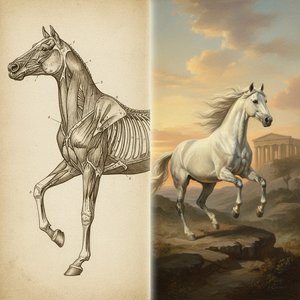
George Stubbs: Anatomical Precision & Romantic Vision in 18th-Century British Art
Explore the captivating world of George Stubbs, the 18th-century master renowned for his anatomical precision & Romantic animal paintings. Discover his legacy and investment potential.
1700-tallets Mestre: Top 10 Kunstværker & Historisk Skønhed til Dit Hjem
Oplev 1700-tallets storhedstid! Udforsk top 10 kunstværker fra rokokokunstens elegance til portrætmaleriets finesse. Fragonard, Gainsborough & mere – find inspiration og køb museumskvalitets reproduktioner på OriginalUniqueArt.com.

Reflections of an Age: Social Commentary & Artistic Representation in 18th-Century Society
Explore the social commentary & artistic representation of 18th-century society. Discover Rococo masterpieces, portraiture's power, and shifting historical perspectives. Expert insights for art lovers.

Georges Seurat: Top 25 Kunstværker – Impressionisme & Pointillism til Dit Hjem
Oplev Georges Seurats 25 mest ikoniske værker! Fordyb dig i impressionismens og pointillismens verden. Find inspiration til din boligindretning med museumskvalitets kunsttryk på OriginalUniqueArt.com. Udforsk samlingen online.

Georges Braques Mesterværker: Top 25 Kunstværker til Din Bolig
Oplev Georges Braques 25 mest ikoniske kunstværker! Dyk ned i kubismens verden, fra stilleben til analyse af form og farve. Find inspiration & køb eksklusive reproduktioner på OriginalUniqueArt.com – museumskvalitet til dit hjem.