
 Se i rummet
 Del som kort
 Del
Del
 Detaljer
 Guide
Guide

 Download
 Lignende værker
 Røntgenundersøgelse
 Diasshow
 Spørgsmål og svar
 Statistikker
The Lincolnshire Ox

- 990.0 x 679.0 cm


 Vis mere
Giclée / Kunsttryk
Giclée- eller lærredstryk i museumskvalitet med hurtig produktion og fleksible muligheder for finish. ( Køb håndmalet maleri Skift til digitalt billede)




P118B Dkr10

P118H Dkr10

P118W Dkr10

P438Z Dkr10

P508JH Dkr12

P508YH Dkr12

P805H Dkr10

P805Z Dkr10

P919BZ Dkr10

P919G Dkr10

P919XJ Dkr10

P959ZH Dkr10

P968JZ Dkr12

W106C Dkr8

W218G Dkr10

W218JH Dkr8

W218Y Dkr10

W307PJ Dkr10

W316G Dkr10

W316PJ Dkr8

W316Y Dkr10

W398PJ Dkr8

W4111J Dkr10

W500HY Dkr15

W500JH Dkr15

W692G Dkr12

W849H Dkr8

W940BG Dkr15

W953PJ Dkr8




Vælg mellem vores forudindstillede størrelser, der matcher kunstværkets originale proportioner.

Indtast den bredde og højde, du har brug for, så det passer til din ramme eller din væg. Et print kan kun beskæres, aldrig gøres større end selve billedet, så en størrelse med et andet format vil medføre, at dele af motivet går tabt. Vi sender dig en digital mockup til godkendelse, før vi printer noget. Billedet vist på denne side viser ikke den faktiske beskæring — det er kun mockuppen, der gør.
Verdensomspændende levering () på 2 uger i stedet for de sædvanlige 4/5 uger. (5 november)

Gratis ekspresforsendelse til hele verden

Lærred af linned i høj kvalitet

Fuld transportforsikring

Garanti for refusion af told og importafgifter

Garanti for præcis farvegengivelse

100 dages returret ved fabrikationsfejl

100% fuld returret

Mængderabat ved flere køb
 Glasmulighed er kun tilgængelig i størrelser under 110 cm

The Lincolnshire Ox
Giclée / Kunsttryk
Størrelse på reproduktion
-


Samlet pris
Dkr 541
A Monumental Portrait of Lincolnshire Livestock and Human Dignity
George Stubbs’s “The Lincolnshire Ox,” completed in 1790, transcends mere depiction; it embodies an ambitious exploration of anatomy, observation, and the intersection of rural life and scientific inquiry. This monumental canvas—measuring 990 x 679 cm—captures John Gibbons, a Lincolnshire farmer who achieved fame through his victory at a cock fight, alongside his extraordinary ox, a creature that defied conventional understanding of animal physiology during its time. Stubbs’s masterful rendering isn't simply about capturing the physical form; it’s an assertion of intellectual curiosity and a testament to the artist’s unwavering dedication to scientific accuracy.- Subject Matter: The painting centers on Gibbons himself, dressed in formal attire—a suit and hat—standing proudly beside his colossal ox. This juxtaposition immediately establishes a dialogue between human dignity and the raw power of nature. The inclusion of a champion cockerel perched atop branches underscores Stubbs’s fascination with animal behavior and reinforces the narrative of triumph and spectacle.
- Style & Technique: Stubbs employed a revolutionary approach to painting, prioritizing anatomical precision over idealized representation. He undertook extensive dissections of horses—a daring undertaking for his era—to meticulously study muscle structure and skeletal articulation. This dedication is palpable in “The Lincolnshire Ox,” where Stubbs painstakingly recreates the ox’s musculature with astonishing realism. The artist utilized oil paint on canvas, applying thick impasto strokes to convey texture and volume, particularly evident in the ox's hide.
Historical Context: Scientific Observation Meets Rural Tradition
The painting emerged during a period of burgeoning scientific interest in anatomy and natural history. Stubbs’s work aligns with the Enlightenment’s emphasis on empirical observation and rational inquiry—a stark contrast to the prevailing artistic conventions of the time, which favored mythological narratives and idealized portraits. Gibbons's ox wasn’t merely livestock; it represented a symbol of Lincolnshire’s agricultural prowess and was celebrated as an unparalleled specimen. The exhibition of the ox in London served as a focal point for showcasing scientific advancements alongside rural achievements.- Symbolism: Beyond its anatomical accuracy, “The Lincolnshire Ox” carries symbolic weight. The ox embodies strength, resilience, and fertility—qualities deeply rooted in Lincolnshire’s agricultural heritage. Furthermore, Gibbons's posture exudes confidence and accomplishment, reflecting the farmer’s success in securing this remarkable animal. The cockerel symbolizes victory and heralds a new era of scientific understanding.
Emotional Impact & Artistic Legacy
Stubbs’s “The Lincolnshire Ox” commands attention not only through its scale but also through its profound emotional resonance. The painting evokes awe at the grandeur of nature and admiration for human intellect—a harmonious blend that speaks to the enduring fascination with both animal anatomy and rural landscapes. Stubbs's pioneering technique continues to inspire artists today, demonstrating the transformative power of meticulous observation and unwavering commitment to artistic excellence. It stands as a cornerstone of British art history, securing its place as an unforgettable masterpiece.Spørgsmål og svar
Hvor kan man i dag se "The Lincolnshire Ox" af George Stubbs udstillet?
"The Lincolnshire Ox" af George Stubbs er udstillet på Walker Art Gallery, Liverpool, United Kingdom. Museets fortegnelse henviser til det originale værk og ikke til reproduktioner.
Hvorfor er ophavsretsstatus for "The Lincolnshire Ox" som den er?
"The Lincolnshire Ox" af George Stubbs er i det offentlige domæne – ophavsretten er udløbet. Ophavsretten beregnes ud fra kunstnerens dødsår, og George Stubbs døde i 1806.
Hvilket rum anbefales til "The Lincolnshire Ox" af George Stubbs?
Det anbefalede rum til "The Lincolnshire Ox" af George Stubbs er en Living Room. Forslaget kan naturligvis tilpasses din indretning.
Kunstnerbiografi
Early Life and Artistic Beginnings
George Stubbs, en af den engelske kunsts mest bemærkelsesværdige figurer, blev født i Liverpool den 25. august 1724. Hans barndom var præget af et sparsomt liv, hvor han arbejdede som læderhandler sammen med sin far, John Stubbs, indtil han i en alder af 15 år besluttede at forfølge sin passion for kunst. Denne tidlige beslutning førte ham til at søge vejledning hos Hamlet Winstanley, en lokal maler og graver, hvor han fik et kortvarigt mesterbrev. Selvom dette forhold var relativt kortvarigt, gav det Stubbs mulighed for at studere samlingen på Knowsley Hall, hvilket var afgørende for hans senere udvikling som kunstner. Stubbs’ tidlige interesse for anatomi blev tydelig, og han begyndte at studere menneskekroppen i en ung alder, hvilket ville blive et centralt element i hans kunstneriske stil.Artistic Development and Anatomical Studies
Stubbs's rejse mod at blive en anerkendt kunstner var præget af en dyb interesse for anatomi og en dedikation til at forstå den menneskelige krop i alle dets detaljer. I 1744 flyttede han til York, hvor han studerede under kirurg Charles Atkinson på York County Hospital. Denne uddannelse gav ham et unikt indblik i musklernes struktur og bevægelse, hvilket ville blive afgørende for hans evne til at male realistiske og dynamiske billeder af heste. Et af hans tidligste og mest kendte værker er en serie illustrationer til John Burtons lærebog om fødselshjælp, udgivet i 1751. Disse illustrationer demonstrerede allerede Stubbs's evner som tegner og hans voksende forståelse for anatomien.The Anatomy of the Horse and a Revolutionary Approach
I 1756 lejede Stubbs en gård i Lincolnshire og dedikerede de næste 18 måneder til at studere hestens anatomi, assisteret af sin samlever, Mary Spencer. Dette intensive arbejde kulminerede i udgivelsen af *Anatomy of the Horse* i 1766, et banebrydende værk, der revolutionerede forståelsen af hestenes krop og blev en vigtig reference for kunstnere og studerende i årtier fremover. Stubbs's illustrationer var ikke blot præcise anatomiske gengivelser; de var også fyldt med en dyb respekt for hestens styrke og elegance. Denne kombination af videnskabelig nøjagtighed og kunstnerisk følelse gjorde *Anatomy of the Horse* til et publikums hit og cementerede Stubbs's position som en pioner inden for sin genre.Notable Paintings and Royal Patronage
Stubbs’ kunstneriske succes voksede hurtigt, og han begyndte at modtage bestillinger fra adskillige aristokratiske kunder, herunder den 3. hertug af Richmond, der kommissionerede tre store malerier i 1759. Disse værker markerede et vendepunkt i Stubbs's karriere og banede vejen for hans fremtidige succes. Han fortsatte med at skabe billeder for adskillige duker og grever, hvilket førte til købet af en bolig i Marylebone, London. Stubbs’ mest berømte værk, *Whistlejacket*, et portræt af en prangende hest, der rejser på sine bagben, er et eksempel på hans evne til at fange hestens kraft og elegance. Billedet, med sin simple baggrund, var en radikal afvigelse fra traditionelle portrætter og blev mødt med både begejstring og kontrovers. Stubbs's serie af malerier om en løve, der angriber en hest, er tidlige eksempler på den romantiske bevægelse i kunst, hvor følelser og drama var vigtigere end blot realistisk gengivelse.Legacy and Enduring Influence
George Stubbs's arv som en af de mest betydningsfulde engelske malere er uomtvistelig. Hans evne til at male heste med en hidtil uset præcision og følelse har inspireret kunstnere i generationer. *Whistlejacket* er et ikonisk billede, der fortsat fascinerer publikum med sin dynamiske komposition og stærke udtryk. Stubbs's arbejde er repræsenteret på flere af de mest prestigefyldte museer i verden, herunder National Gallery i London og Yale Center for British Art. Hans bidrag til kunsthistorien er enormt, og hans værker fortsætter med at blive studeret og beundret af kunstelskere over hele kloden.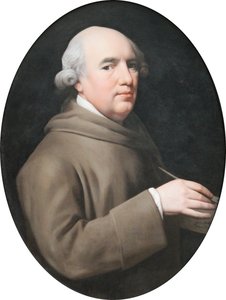
George Stubbs
1724 - 1806 , Storbritannien
Kort om kunstneren
- Artistic Movement Or Style: Romantik, Hestekunst
- Artists Or Movements Influenced By This Artist: ['Joshua Reynolds']
- Artists Who Influenced This Artist: ['Hamlet Winstanley']
- Date Of Birth: 25. august 1724
- Date Of Death: 10. juli 1806
- Full Name: George Stubbs
- Nationality: Britisk
- Notable Artworks:
- Whistlejacket
- Løve angriber hest
- En løve og en tiger
- Place Of Birth: Liverpool, Storbritannien
Relaterede artikler

Top 10 Bronzemesterværker: Kunsthistorien Ændret for Evigt | OriginalUniqueArt.dk
Oplev de 10 mest legendariske bronzemesterværker, der har formet kunsthistorien! Fra Rodin til Degas – lær historierne bag ikoniske skulpturer og find inspiration til din indretning. Køb museumskvalitets reproduktioner på OriginalUniqueArt.com.

Bronzeskulpturers Mestre: 10 Værker der Ændrede Kunsthistorien | OriginalUniqueArt
Oplev de 10 mest legendariske bronzeskulpturer, der har formet kunsthistorien! Fra Rodin til Vigeland – lær historierne bag mesterværkerne og find inspiration til din indretning. Køb museumskvalitets reproduktioner på OriginalUniqueArt.com.

The Enduring Form: Sculpture Across History, Technique & Emotional Resonance
Explore the rich history of sculpture with OriginalUniqueArt. Discover key techniques, influential artists & investment potential for discerning collectors. Expert insights into valuing and collecting timeless masterpieces.

Animalia: Dyrenes Vedvarende Tilstedeværelse i Kunst og Indretning
Udforsk dyrenes fascinerende symbolik i kunsthistorien! Fra antikken til moderne indretning – lær om betydningen og find smukke reproduktioner hos .

The Enduring Form: Exploring Themes & Techniques in Sculpture Across Historical Periods
Explore the rich history of sculpture from ancient masterpieces to contemporary innovations. Discover key techniques, influential artists & investment potential for discerning art collectors.


