
 Se i fuld skala
 Del
Del Del
Del
 Detaljer

 Download
 Lignende værker
 Røntgenundersøgelse
 Diasshow
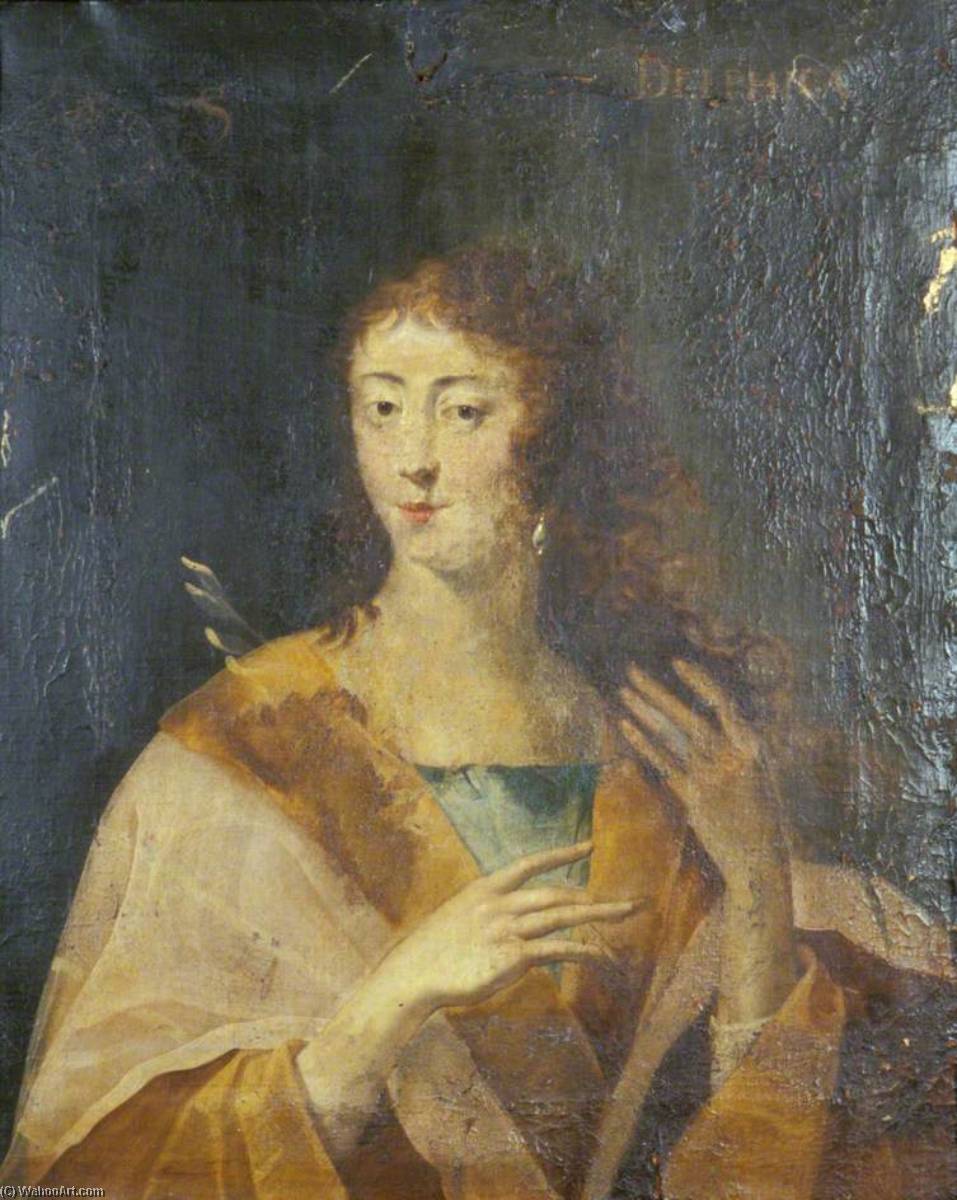
Sibyl delphica
 75.0 x 60.0 cm
 Se mere
Køb et højopløst, forbedret digitalt billede, der er langt bedre end online-forhåndsvisningen.
Hver fil er omhyggeligt forberedt af vores interne specialister ved hjælp af avancerede værktøjer og ekspertmæssig manuel retuschering. Vi sikrer, at hvert billede har enestående klarhed, præcis farvegengivelse og fine detaljer.
Den endelige fil leveres via e-mail inden for 72 timer og er optimeret til øjeblikkelig brug i professionelle, redaktionelle og trykte miljøer. Det er den samme kvalitet, som førende designstudier, forlag og gallerier har tillid til.
Digitalt billede
Download en højopløselig fil til personlig fremvisning, print og kreative projekter. ( Køb print Køb håndlavet maleri)
Inkluderet i alle ordrer på digitale billeder
Ekspert digital levering, garanteret
Når du vælger OriginalUniqueArt.com, får du ikke blot et billede – du modtager et professionelt optimeret digitalt kunstværk, skabt med præcision og sikret med en tilfredshedsgaranti. Her er alt, hvad din ordre automatisk indeholder:

Hurtig levering via e-mail
Din højkvalitets digitale billedfil vil blive sendt til din e-mail inden for 72 timer efter bestilling – klar til øjeblikkelig brug.

AI-optimeret digital fil
Dit kunstværk optimeres professionelt ved hjælp af avancerede AI-værktøjer og manuel redigering, hvilket sikrer maksimal detaljegrad, klarhed og farvenøjagtighed.

Gratis livslang genlevering
Har du ved en fejl slettet eller mistet din fil? Ingen bekymring – vi sender den igen til enhver tid, helt gratis.

Ingen importgebyrer – nogensinde
Nyd dit kunstværk med det samme uden told, afgifter eller leveringsgebyrer – digitale downloads er altid skattefrie.

Garanteret farvenøjagtighed
Vi sikrer, at dit digitale billede gengiver de originale farver så præcist som muligt ved hjælp af professionelle værktøjer og farvestyring.

60 dages tilfredshedsgaranti
Hvis du ikke er tilfreds med dit digitale billede, vil vi revidere det eller refundere 100% inden for 60 dage – uden spørgsmål.

100% Pengene tilbage-garanti
Ik tilfreds? Få fuld refusion inden for 60 dage efter modtagelse af din digitale fil – uden spørgsmål.

Mængderabat
Køb 3 billeder, spar 10% - Køb 5, spar 15% - Køb 10+, spar 20%. Ideelt til kreative projekter, gallerier og bureauer.
Kunstnerens biografi
George Jamesone: Scotland’s First Portrait Master
George Jamesone (c. 1587 – 1644) stands as a pivotal figure in Scottish art history, widely recognized as the nation's first truly eminent portrait painter. His career unfolded during a period of significant artistic and political change, bridging the Renaissance and Baroque eras and leaving behind a legacy of refined elegance and national pride. Born in Aberdeen around 1587 to stonemason Andrew Jamesone and Marjory Anderson, George’s early life was steeped in the traditions of craftsmanship – his father's trade instilled a respect for detail and material quality that would profoundly influence his artistic approach. He received an education initially at the local grammar school, followed by studies at Marischal College, laying the groundwork for a future immersed in scholarship and observation.Early Training and Influences
Jamesone’s formal artistic training began under the tutelage of his uncle, John Anderson, a respected decorative painter based in Edinburgh. This apprenticeship provided him with essential skills in composition, color theory, and the techniques of applying paint to various surfaces. However, whispers persist – and remain tantalizingly unproven – of a formative period spent studying under the giants of the Antwerp School: Paul Rubens and Anthony van Dyck. While definitive documentation is lacking (the Guild registers of Antwerp offer no record of Jamesone’s presence), the legend speaks volumes about his ambition and exposure to the artistic currents sweeping through Europe at the time. This potential influence undoubtedly shaped his understanding of light, shadow, and the dramatic portrayal of human form – elements that would become hallmarks of his distinctive style.A Rising Star: Aberdeen and Royal Recognition
Returning to Aberdeen around 1620, Jamesone quickly established himself as a sought-after portraitist, capturing the likenesses of local academics and scholars from the city’s rival colleges – King's and Marischal. These early works demonstrated his burgeoning talent for capturing personality and conveying intellectual depth. The year 1633 proved to be a watershed moment in Jamesone’s career. Charles I, on a grand royal visit to Edinburgh, demanded a spectacular triumphal arch adorned with portraits of Scotland's past monarchs. Jamesone was entrusted with this monumental commission, a task that catapulted him from local recognition to national fame. The resulting series of regal figures showcased his mastery of technique and his ability to imbue each portrait with an air of authority and dignity. Crucially, the King’s evident delight in the outcome – reportedly including the gift of a diamond ring – solidified Jamesone's reputation and opened doors to commissions from Scotland’s gentry.The Erskine Portrait and Lasting Legacy
Among his most celebrated works is the portrait of Mary Erskine, now housed at the National Gallery of Scotland. This painting exemplifies Jamesone’s skill in capturing a subject's character and conveying subtle nuances of expression. It also highlights his ability to work within the conventions of the era while imbuing his portraits with a distinctly Scottish sensibility. Jamesone continued to paint prolifically throughout the 1640s, establishing studios in both Aberdeen and Edinburgh, catering to a diverse clientele ranging from nobility to merchants. Sadly, his career was cut short by the tumultuous events of the mid-17th century; he died in Edinburgh in 1644 during the Scottish Civil War, a period of intense conflict and upheaval. Despite his untimely death, Jamesone’s influence on subsequent generations of Scottish artists remains profound. His meticulous attention to detail, his skillful use of light and shadow, and his ability to capture the essence of his subjects cemented his place as Scotland's first true portrait master – a title he rightfully deserves.Key Characteristics and Artistic Style
Jamesone’s portraits are characterized by a refined elegance and a deep understanding of human psychology. He favored a balanced composition, often employing pyramidal arrangements to create a sense of stability and grandeur. His use of color was subtle yet effective, creating depth and atmosphere through carefully layered glazes. He demonstrated a remarkable ability to capture the texture of fabrics and the sheen of metal, adding realism and visual interest to his works. While influenced by the Renaissance ideals of classical beauty, Jamesone’s portraits possess a distinctly Scottish character – a quiet dignity and understated grace that reflects the spirit of his nation. His work stands as a testament to his skill and vision, securing his place as one of Scotland's most important artistic figures.
George Jamesone
1587 - 1644
Kort om kunstneren
- Artistic Movement Or Style: Renaissance & Baroque
- Artists Or Movements Influenced By This Artist: ['John Michael Wright']
- Artists Who Influenced This Artist:
- Rubens
- Van Dyck
- Date Of Birth: c. 1587 Aberdeen
- Date Of Death: 1644 Edinburgh
- Full Name: George Jamesone
- Nationality: Scottish
- Notable Artworks:
- Sibyl Cumaea
- John Alexander
- Place Of Birth: Aberdeen, Scotland

