 Se i rummet
 Del som kort
 Del
Del
 Detaljer
 Guide
Guide

 Download
 Lignende værker
 Røntgenundersøgelse
 Diasshow
 Spørgsmål og svar
 Statistikker
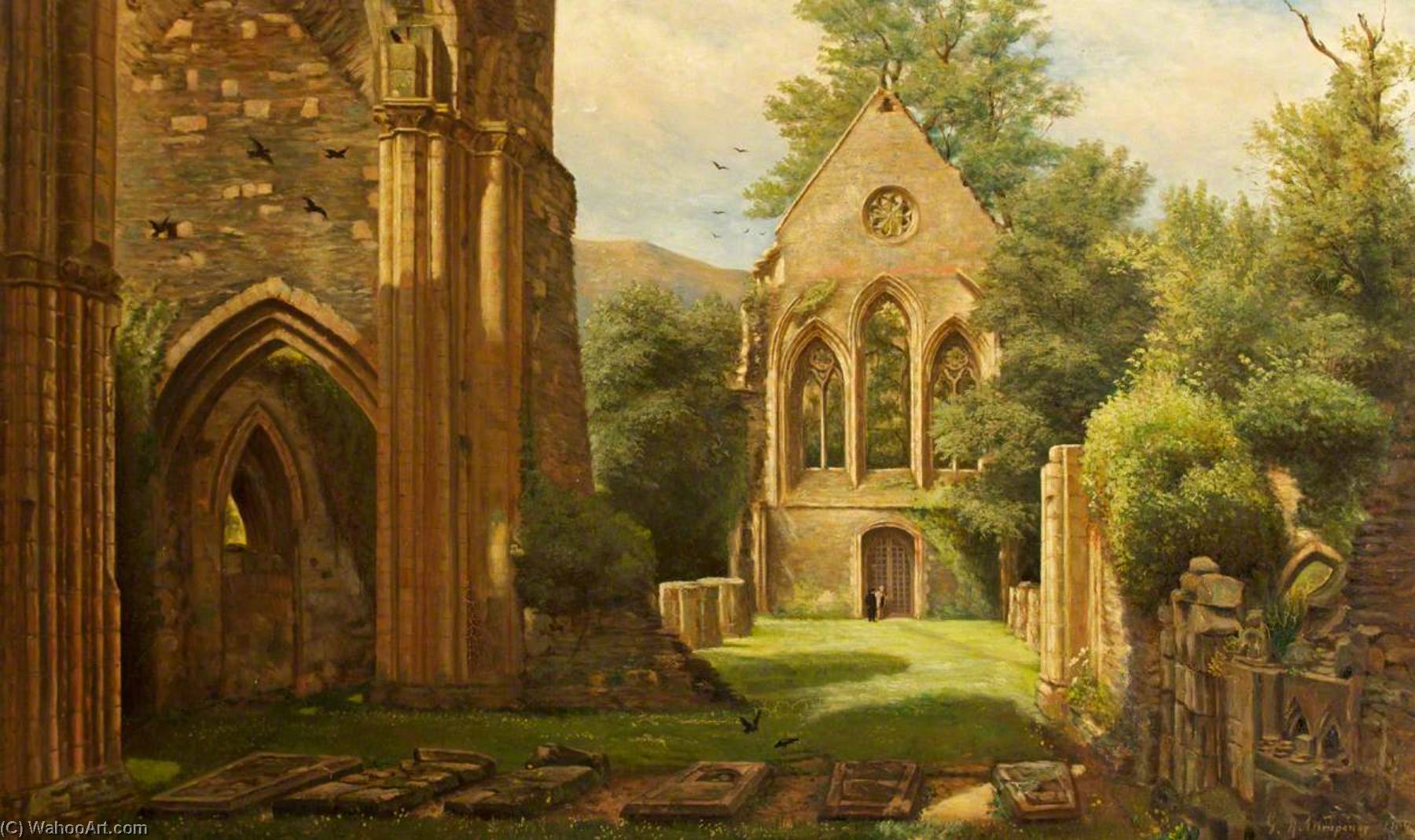
Llanthony Abbey

- 75.0 x 126.0 cm

 Vis mere
Få en printklar fil, der rækker langt ud over web-forhåndsvisningen. Hvert digitalt billede, vi sælger, stammer fra en højopløst master i vores database — typisk mellem 5.000 og 15.000 pixels i bredden — så du med selvtillid kan printe stort, beskære tæt eller gengive fine detaljer.
Ingen fil forlader vores studie uden at være blevet behandlet. En digital ekspert kontrollerer farverne i forhold til det originale maleri og korrigerer dem efter behov, hvorefter klarhed og detaljer forbedres med professionelle retoucheringsværktøjer — altid med fuld respekt for kunstnerens penselstrøg og stil. Resultatet er et billede, der ligner selve maleriet, og ikke blot et scannet billede med et filter.
Du godkender først, når du er tilfreds: Vores ekspert sender billedet til din gennemgang via e-mail inden for 72 timer. Ikke tilfreds? Bed om rettelser eller forbedringer, eller anmod om en refundering, hvis kvaliteten ikke lever op til forventningerne.
Dette er den kvalitet, som forlag, designstudier, gallerier og trykkerier stoler på.
Digitalt billede
Download en højopløselig fil til personlig fremvisning, print og kreative projekter. ( Skift til printsalg Køb håndmalet maleri)
Inkluderet i alle ordrer på digitale billeder
Ekspertise i digital levering, garanteret
Når du vælger OriginalUniqueArt.com, får du ikke blot et billede – du modtager et professionelt optimeret digitalt kunstværk, skabt med præcision og sikret med en tilfredshedsgaranti. Her er alt, hvad din ordre automatisk indeholder:

Hurtig levering via e-mail
Din højtopløselige digitale billedfil sendes til din e-mail inden for 72 timer efter bestilling – klar til øjeblikkelig brug.

AI-optimeret digital fil
Dit kunstværk optimeres professionelt ved hjælp af avancerede AI-værktøjer og manuel redigering, hvilket sikrer maksimal detaljegrad, klarhed og farvenøjagtighed.

Gratis livslang genlevering
Har du ved en fejl slettet eller mistet din fil? Ingen bekymring – vi sender den igen til enhver tid, helt gratis.

Ingen importgebyrer – nogensinde
Nyd dit kunstværk med det samme uden told, afgifter eller leveringsgebyrer – digitale downloads er altid skattefrie.

Garanteret farvenøjagtighed
Vi sikrer, at dit digitale billede gengiver de originale farver så præcist som muligt ved hjælp af professionelle værktøjer og farvestyring.

100 dages tilfredshedsgaranti
Hvis du ikke er tilfreds med dit digitale billede, vil vi revidere det eller refundere 100% inden for 100 dage – uden spørgsmål.

100% Pengene tilbage-garanti
Ik tilfreds? Få fuld refusion inden for 100 dage efter modtagelse af din digitale fil – uden spørgsmål.

Mængderabat ved storkøb
Køb 3 billeder, spar 10% - Køb 5, spar 15% - Køb 10+, spar 20%. Ideelt til kreative projekter, gallerier og bureauer.
The painting depicts a large stone building with a clock tower in the middle, surrounded by trees and smaller buildings nearby. The scene is picturesque and inviting, with several birds flying around the area, adding to the natural ambiance. A bench can be seen in front of the main building, providing a place for people to sit and enjoy the view.
Artistic Style and Influences
George Henry Wimpenny's style is reminiscent of the Impressionist movement, which emphasized capturing the fleeting effects of light and color. Similar to artists like Pierre-Auguste Renoir, who created beautiful pieces like Yvonne and Christine Lerolle Playing the Piano, Wimpenny's work is characterized by its attention to detail and ability to evoke a sense of serenity.Comparison with Other Artists
Other artists, such as Wassily Kandinsky and Claude Monet, also explored the relationship between nature and architecture in their work. For example, Kandinsky's Mountain Landscape with Church and Monet's Arm of the Seine at Giverny showcase the beauty of natural landscapes and the importance of light and color.Conclusion
The Llanthony Abbey painting by George Henry Wimpenny is a beautiful example of late 19th-century art. Its stunning depiction of architectural landscapes and natural scenery makes it a must-see for art lovers. For more information on this painting and other works by Wimpenny, visit https://OriginalUniqueArt.com. You can also explore other artists and their works, such as Sandro Botticelli's Scenes from the Life of Moses, on the same website.- View more paintings by George Henry Wimpenny at https://OriginalUniqueArt.com
- Learn about other artists, such as Ivan Kuzmich Makarov, on https://OriginalUniqueArt.com
- Discover the beauty of hand-made oil painting reproductions at https://OriginalUniqueArt.com
Spørgsmål og svar
Hvornår blev "Llanthony Abbey" skabt?
"Llanthony Abbey" stammer fra 1897. Datoen placerer værket i George Henry Wimpenny's karriere og dets tidsalder.
Hvilken orientering har "Llanthony Abbey" af George Henry Wimpenny?
Formatet på "Llanthony Abbey" er Panoramic. Dette er nyttigt, når du planlægger, hvor en reproduktion skal placeres.
Hvilken farvepalette er brugt i "Llanthony Abbey" af George Henry Wimpenny?
Farvepaletten i "Llanthony Abbey" af George Henry Wimpenny beskrives som Dark. Det er en kortfattet beskrivelse af værkets farver.
Kunstnerens biografi
George Henry Wimpenny: A Victorian Portraitist Capturing Domestic Life and American Identity
George Henry Wimpenny (1857-1939) stands as a significant figure in late Victorian British art, particularly renowned for his meticulous depictions of domestic interiors and portraits reflecting the evolving social landscape of America. Born in London, Wimpenny’s artistic journey began with formal training at the Slade School of Fine Art, where he honed his skills under influential instructors like Frederic Leighton, establishing him firmly within the Beaux Arts tradition prevalent during his era. This grounding provided a foundation for his distinctive style—characterized by precise observation and an unwavering commitment to realism—a hallmark that would define his prolific output throughout his career.- Early Influences: Wimpenny’s artistic sensibilities were profoundly shaped by the Romantic movement, specifically artists like John Everett Millais and Frederic Leighton, whose emphasis on idealized beauty and narrative storytelling resonated deeply with him. These influences instilled a desire to portray subjects with dignity and grace, capturing not merely physical likeness but also psychological nuance.
- Notable Works: Wimpenny’s oeuvre comprises over 300 paintings, predominantly portraits commissioned by prominent families across Britain and America. Among his most celebrated pieces are “Italian Grandmother,” executed in 1897, a masterful study of familial affection rendered with remarkable detail—a testament to his technical prowess and artistic vision. Similarly, "St George's Chapel," completed in 1896, showcases Wimpenny’s ability to convey atmosphere and emotion through subtle tonal variations and compositional arrangements.
- Technique & Style: Wimpenny’s technique involved painstaking layering of thin glazes—a hallmark of the Impressionist movement—to achieve luminous effects and capture the subtleties of light and shadow. He meticulously studied anatomy and drapery, striving for accuracy in his representations of human form and fabric texture. His canvases often depict scenes from everyday life—domestic interiors populated by families—offering glimpses into Victorian social customs and values.
Exploring American Connections: Wimpenny's Patronage and Artistic Engagement Wimpenny’s artistic success extended beyond Britain, attracting commissions from wealthy American families eager to commemorate their heritage. His portraits of figures like Henry William Pickersgill—a celebrated barrister and philanthropist—demonstrate his adaptability to diverse cultural contexts while upholding the highest standards of artistic excellence. Wimpenny's engagement with American art history is evident in his admiration for Impressionist painters such as Monet and Renoir, whose explorations of light and color influenced his own stylistic choices. He actively sought inspiration from these masters, furthering the dialogue between European and American artistic traditions.
The Musée Thomas-Henry Legacy: Wimpenny's Contribution to French Art Beyond Britain, Wimpenny’s influence extended into France where he was honored as a guest artist at the Musée Thomas-Henry in Évreux. This recognition underscored his reputation for meticulous observation and skillful execution—qualities that aligned perfectly with the museum’s collection of 15th-19th century artworks. Wimpenny's dedication to capturing authentic emotion and portraying subjects with dignity cemented his place as a respected artist within the broader European artistic landscape. His work continues to inspire admiration for its technical precision and evocative portrayal of human experience.
A Lasting Impression: Wimpenny’s Enduring Relevance George Henry Wimpenny passed away in 1939, leaving behind an impressive legacy of paintings that endure as embodiments of Victorian artistic ideals. His meticulous attention to detail—particularly his masterful depictions of domestic interiors and portraits—offer invaluable insights into the social customs and values of his time. Wimpenny’s enduring relevance lies not only in his technical skill but also in his ability to convey profound human emotion, ensuring that his artwork continues to captivate audiences today.

George Henry Wimpenny
1857 - 1939
Kort fortalt
- Artistic Movement Or Style: Victorian Portraiture
- Artists Or Movements Influenced By This Artist: ['Henri Matisse']
- Artists Who Influenced This Artist: ['James Dronsfield']
- Date Of Birth: 1857
- Date Of Death: 1939
- Full Name: George Henry Wimpenny
- Nationality: British
- Notable Artworks:
- Italian Grandmother
- Henry William Pickersgill
- Place Of Birth: London, England