
 Se i rummet
 Del som kort
 Del
Del
 Detaljer
 Guide
Guide

 Download
 Lignende værker
 Røntgenundersøgelse
 Diasshow
 Q&A
Q&A Statistikker
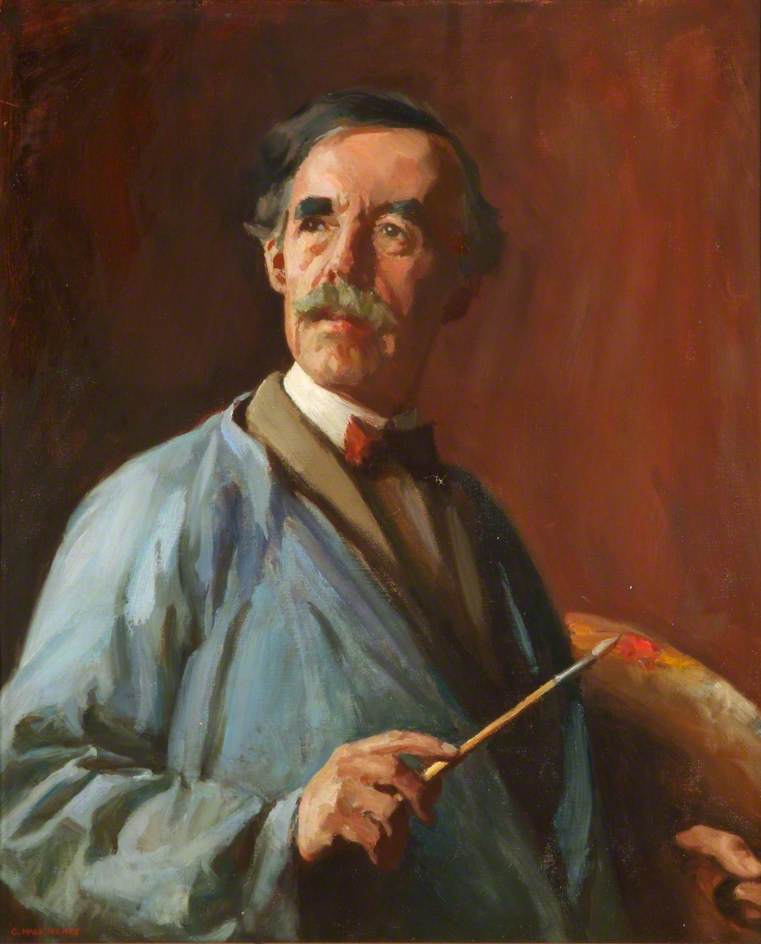
Self Portrait
 1932
1932 76.0 x 63.0 cm
 Walker Art Gallery
 Vis mere
Få en printklar fil, der rækker langt ud over web-forhåndsvisningen. Hvert digitalt billede, vi sælger, stammer fra en højopløst master i vores database — typisk mellem 5.000 og 15.000 pixels i bredden — så du med selvtillid kan printe stort, beskære tæt eller gengive fine detaljer.
Ingen fil forlader vores studie uden at være blevet behandlet. En digital ekspert kontrollerer farverne i forhold til det originale maleri og korrigerer dem efter behov, hvorefter klarhed og detaljer forbedres med professionelle retoucheringsværktøjer — altid med fuld respekt for kunstnerens penselstrøg og stil. Resultatet er et billede, der ligner maleriet, og ikke blot et scannet billede med et filter.
Du godkender, før vi er færdige: vores ekspert sender billedet via e-mail inden for 72 timer til din gennemgang. Ikke tilfreds? Bed om forbedringer eller rettelser, eller anmod om en refundering, hvis kvaliteten ikke lever op til forventningerne.
Dette er den kvalitet, som forlag, designstudier, gallerier og trykkerier stoler på.
Digitalt billede
Download en højopløselig fil til personlig fremvisning, print og kreative projekter. ( Skift til printsalg Køb håndmalet maleri)
Inkluderet i alle ordrer på digitale billeder
Ekspertise i digital levering, garanteret
Når du vælger OriginalUniqueArt.com, får du ikke blot et billede – du modtager et professionelt optimeret digitalt kunstværk, skabt med præcision og sikret med en tilfredshedsgaranti. Her er alt, hvad din ordre automatisk indeholder:

Hurtig levering via e-mail
Din højtopløselige digitale billedfil sendes til din e-mail inden for 72 timer efter bestilling – klar til øjeblikkelig brug.

AI-optimeret digital fil
Dit kunstværk optimeres professionelt ved hjælp af avancerede AI-værktøjer og manuel redigering, hvilket sikrer maksimal detaljegrad, klarhed og farvenøjagtighed.

Gratis livslang genlevering
Har du ved en fejl slettet eller mistet din fil? Ingen bekymring – vi sender den igen til enhver tid, helt gratis.

Ingen importgebyrer – nogensinde
Nyd dit kunstværk med det samme uden told, afgifter eller leveringsgebyrer – digitale downloads er altid skattefrie.

Garanteret farvenøjagtighed
Vi sikrer, at dit digitale billede gengiver de originale farver så præcist som muligt ved hjælp af professionelle værktøjer og farvestyring.

100 dages tilfredshedsgaranti
Hvis du ikke er tilfreds med dit digitale billede, vil vi revidere det eller refundere 100% inden for 100 dage – uden spørgsmål.

100% Pengene tilbage-garanti
Ik tilfreds? Få fuld refusion inden for 100 dage efter modtagelse af din digitale fil – uden spørgsmål.

Mængderabat ved storkøb
Køb 3 billeder, spar 10% - Køb 5, spar 15% - Køb 10+, spar 20%. Ideelt til kreative projekter, gallerier og bureauer.
Kunstnerens biografi
George Hall Neale: A Victorian Portraitist of Merseyside’s Elite
George Hall Neale (1863-1940) stands as a quietly distinguished figure in British portraiture, particularly renowned for his evocative depictions of prominent individuals within the thriving social and economic landscape of Merseyside. Born in Ormskirk, Lancashire, into a family rooted in commerce – his father a corn merchant – Neale’s artistic journey began with a formal education at Liverpool School of Art, followed by a period of study in Paris under the tutelage of esteemed artists Jean-Paul Laurens and Jean-Joseph Benjamin-Constant. These formative years exposed him to the burgeoning trends of academic realism and Impressionistic influences, shaping his approach to capturing both external likenesses and subtle psychological nuances within his subjects. His early work demonstrated a meticulous attention to detail, evident in his masterful rendering of fabrics, textures, and the play of light – hallmarks that would become defining characteristics of his oeuvre.The Rise of a Merseyside Portraitist
Neale’s career truly blossomed within the vibrant commercial heartland of Liverpool and its surrounding areas. He quickly established himself as a sought-after portrait artist, catering to a clientele comprised largely of industrialists, merchants, politicians, and members of the landed gentry – individuals who shaped the social and economic fabric of the region. This patronage afforded him considerable stability and allowed him to cultivate a prolific output. Unlike many artists of his era reliant on gallery sales, Neale’s primary income stemmed from commissioned portraits, a fact reflected in the formal, dignified style that permeated much of his work. His subjects weren't merely rendered; they were presented as symbols of status, wealth, and civic importance – carefully constructed images designed to project an aura of authority and refinement. The meticulousness with which he captured their features, combined with subtle indications of personality through pose and expression, speaks volumes about the artist’s skill and his understanding of his clientele's aspirations.Notable Works and Artistic Style
Several paintings exemplify Neale’s distinctive style and underscore his connection to Merseyside. “Portrait of a Woman” (1890), a stunning example of academic realism, showcases his ability to capture opulent details and elegant composition – a testament to the Victorian era's appreciation for luxurious aesthetics. Perhaps his most celebrated work is the imposing portrait of Frederick Edwin Smith, 1st Earl of Birkenhead (1930). This piece, rendered in rich oils, powerfully captures the Earl’s gravitas and legal symbolism, reflecting Neale’s skill in conveying both physical presence and inner character. The painting's careful composition, utilizing strong diagonals and a restrained palette, reinforces the subject’s authority and reflects the influence of classical portraiture. Beyond these prominent examples, his portfolio includes numerous depictions of local figures – industrialists like William Hetherington, members of Liverpool’s legal elite, and even rural scenes that offer glimpses into the lives beyond the city's bustling docks.Greasy Neale: A Curious Distinction
It is important to note a fascinating and somewhat unusual aspect of Neale’s life – his nickname, “Greasy.” This moniker, reportedly earned during his youth, gained considerable notoriety in American football circles, where he played professionally as Alfred Earle “Greasy” Neale. This dual identity—a respected portraitist in Britain and a gridiron player in America—adds an intriguing layer to the artist’s biography, suggesting a restless spirit and a willingness to embrace diverse pursuits. The nickname, however, seems to have followed him into his artistic career, occasionally appearing alongside his name in historical records, highlighting a somewhat unconventional public persona.Legacy and Historical Significance
George Hall Neale’s contribution to British portraiture lies not in revolutionary innovation but rather in his consistent execution of a refined and dignified style. He served as a visual chronicler of Merseyside's elite during a period of significant industrial growth and social transformation. His portraits offer invaluable insights into the values, aspirations, and social dynamics of the Victorian and Edwardian eras. While he may not be a household name, Neale’s work remains a valuable record of a specific time and place – a testament to the enduring power of portraiture to capture both likeness and character. His paintings are now housed in various collections, including the Victoria Gallery & Museum in Liverpool, offering a tangible connection to a bygone era and a skilled artist who quietly shaped the visual landscape of Merseyside.
George Hall Neale
1863 - 1940