Se i rummet
 Send
Send Del
Del
 Detaljer
 Studieguide til kunstværker

 Download
 Lignende værker
 Røntgenundersøgelse
 Se diasshow
 Statistik
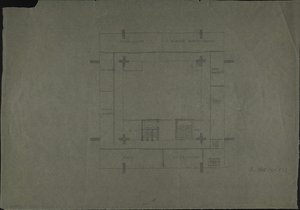
The new city is built on labour... (Design for competition Dresden)
 Acrylic
- WallArt
- German Expressionism
 1952
1952- Modern
 46.0 x 47.0 cm
 Bauhaus Dessau Foundation
 Læs mere
Giclée / Kunsttryk
Giclée- eller lærredstryk i museumskvalitet med hurtig produktion og fleksible muligheder for finish. ( Bestil håndmalet reproduktion Skift til digitalt billede)




P118B $10

P118H $10

P118W $10

P438Z $10

P508JH $12

P508YH $12

P805H $10

P805Z $10

P919BZ $10

P919G $10

P919XJ $10

P959ZH $10

P968JZ $12

W106C $8

W218G $10

W218JH $8

W218Y $10

W307PJ $10

W316G $10

W316PJ $8

W316Y $10

W398PJ $8

W4111J $10

W500HY $15

W500JH $15

W692G $12

W849H $8

W940BG $15

W953PJ $8




Vælg mellem vores forudindstillede størrelser, der matcher kunstværkets originale proportioner.

Du kan indtaste dine egne mål for at passe til en specifik ramme eller et bestemt område. Hvis den valgte størrelse ikke stemmer overens med det originale billedes proportioner, vil vi enten beskære kunstværket eller udvide billedet med en spejlet eller ensfarvet kant. En digital mockup vil blive sendt til din godkendelse, før produktionen påbegyndes.
Bemærk venligst, at forhåndsvisningen på skærmen ikke afspejler den faktiske beskæring eller udvidelse. Kun mockuppen vil nøjagtigt vise den endelige komposition.
Selvom specialmål er tilgængelige, anbefaler vi at vælge et mål fra den foruddefinerede liste for at bevare de originale proportioner.
Verdensomspændende levering () på 2 uger i stedet for de sædvanlige 4/5 uger. (25 september)

Gratis ekspresforsendelse til hele verden

Lærred af linned i høj kvalitet

Komplet transportforsikring

Garanti for refusion af told og importafgifter

Garanti for autentisk farvegengivelse

100 dages returret ved fabrikationsfejl

100% fuld returret

Mængderabat ved flere køb
 Glasmulighed er kun tilgængelig i størrelser under 110 cm

The new city is built on labour... (Design for competition Dresden)
Giclée / Kunsttryk
Reproduktionsstørrelse
-


Samlet pris
$ 81
A Vision Forged in Labor: Franz Ehrlich’s “The New City is Built on Labour…”
Franz Ehrlich's 1952 sketch, "The New City is Built on Labour...", isn’t merely a design proposal for a competition in Dresden; it’s a poignant testament to post-war reconstruction and the enduring spirit of a city striving to rebuild itself. Captured with a restrained graphite palette against aged paper, the image possesses an immediate intimacy – as if we've stumbled upon a forgotten blueprint, imbued with the hopes and anxieties of a nation grappling with its past. The drawing depicts a meticulously planned urban landscape, dominated by a central train station flanked by buildings rising towards a clear sky, all anchored by a network of roads and pathways. A prominent locomotive suggests progress and connectivity, while figures – rendered subtly within the composition – hint at the human effort underpinning this ambitious vision.
Ehrlich’s work is deeply rooted in the Bauhaus movement, yet transcends its formal tenets. The influence of geometric precision is evident in the simplified forms of the buildings, reminiscent of Walter Gropius' designs. However, there’s a distinct emotionality present, a sense of melancholy and quiet determination that speaks to the challenges faced by Germany following World War II. The muted tones – primarily shades of grey, accented with hints of brown and ochre – evoke the somber atmosphere of a city scarred by conflict, while simultaneously conveying a profound respect for the materials and the process of construction.
A Master’s Hand: Technique and Materials
Examining the drawing closely reveals Ehrlich's masterful technique. He employs a sophisticated range of hatching and cross-hatching to build up tonal values and create a remarkable sense of depth and texture. The varying line weights – from delicate, almost imperceptible strokes defining fine details to bolder lines delineating larger forms – contribute significantly to the image’s dynamism. The paper itself bears witness to the artist's hand; subtle creases and discoloration suggest years spent in careful consideration and execution. It’s a tangible connection to the creative process, reminding us that art is not simply about finished products but also about the journey of creation.
The choice of graphite as the medium is particularly significant. Graphite offers a remarkable degree of control, allowing Ehrlich to capture both the sharp edges of architectural forms and the softer nuances of human figures. Its ability to create subtle gradations of tone lends itself perfectly to conveying mood and atmosphere – essential elements in this evocative composition. The drawing’s scale—46 x 47 cm— invites close scrutiny, encouraging viewers to appreciate the intricate details and the artist's deliberate choices.
Historical Context: Reconstruction and Remembrance
To fully understand “The New City is Built on Labour…”, it’s crucial to consider its historical context. Created in 1952, shortly after World War II, the drawing reflects Dresden’s arduous process of rebuilding. The city had been almost entirely destroyed by Allied bombing raids, leaving behind a devastated landscape and a shattered population. Ehrlich's design wasn’t just about creating a new urban space; it was about symbolizing hope and renewal – a deliberate act of defiance against the destruction that had ravaged his homeland.
The title itself is profoundly symbolic, underscoring the central role of labor in this reconstruction effort. It speaks to the countless hours spent by workers rebuilding homes, infrastructure, and lives. Furthermore, the inclusion of a train station highlights Dresden’s reconnection with the wider world – a vital step towards economic recovery and cultural exchange. The drawing serves as a powerful reminder of the resilience of the human spirit in the face of adversity.
A Legacy of Vision: Symbolism and Emotional Resonance
Beyond its technical merits, “The New City is Built on Labour…” resonates deeply with viewers due to its inherent symbolism. The train station represents progress and connection, while the figures within the composition embody the collective effort required for rebuilding. The overall mood is one of quiet determination – a sense that despite the devastation, Dresden was determined to forge a new future.
Ehrlich’s work transcends mere architectural design; it's a visual meditation on memory, loss, and hope. It invites us to contemplate the challenges faced by communities rebuilding after conflict and to appreciate the enduring power of human creativity in shaping our world. Reproductions of this compelling sketch offer a valuable window into a pivotal moment in German history, allowing us to connect with the past while celebrating the spirit of innovation and resilience that continues to define Dresden today.
Om kunstneren
tidligt liv og uddannelse
Franz Ehrlich, en anerkendt tysk arkitekt, kalligraf og grafisk designer, blev født i 1907. Hans formative år var præget af en medfødt tilbøjelighed mod kunsten, hvilket førte ham til at indskrive sig ved Bauhaus i Dessau fra 1927 til 1930. Denne prestigefyldte institution spillede en afgørende rolle i formningen af Ehrlichs kunstneriske perspektiv og introducerede ham til tidens avantgarde-bevægelser.kunstnerisk karriere og kommunistisk tilhørsforhold
Ehrlichs tilknytning til det kommunistiske parti havde en dyb indvirkning på hans liv og karriere. I 1935 blev han arresteret og fængslet af naziregimet, en begivenhed der i betydelig grad ændrede retningen for hans kunstneriske virke. På trods af disse udfordringer fortsatte Ehrlich med at bidrage til kunstverdenen og efterlod sig en arv, der er både inspirerende og tankevækkende.bemærkelsesværdige værker
blandt Ehrlichs mest bemærkelsesværdige værker findes:- 800 yrs. das buch [bogen]. Grundplan og perspektiver (udstillingsreoler, Leipzig Messe), et vidnesbyrd om hans innovative tilgang til design og arkitektur.
- Prof. Dr. Baumann hus udførelse (fundamentsplan), som fremviser hans ekspertise inden for arkitektonisk planlægning.
- 1933 (foto-skulpturalt reklameprojekt), en unik blanding af fotografi og skulptur, der fremhæver hans eksperimenterende natur.
museer og samlinger med Ehrlichs værker
OriginalUniqueArt.com rummer en omfattende samling af Ehrlichs værker, herunder de ovennævnte. Bauhaus Dessau Foundation (Dessau-Roßlau, Tyskland) er ligeledes et betydningsfuldt depot for hans kunstneriske bestræbelser.arv og betydning
Franz Ehrlichs bidrag til kunstverdenen er mangefacetterede og afspejler hans brede vifte af interesser og talenter. Hans oplevelser, både kreativt og personligt, tilbyder værdifuld indsigt i skæringspunktet mellem kunst og politik under et skelsættende øjeblik i tysk historie.- se flere af Ehrlichs værker hos https://OriginalUniqueArt.com/@/franz-ehrlich
- udforsk Bauhaus Dessau Foundation og deres samling hos Bauhaus Dessau Foundation (Dessau-Roßlau, Tyskland)
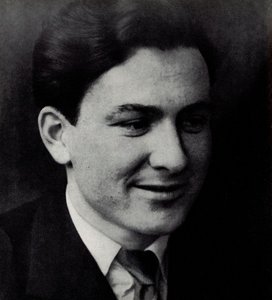
Franz Ehrlich
1907 - 1984 , Tyskland
Hurtige fakta
- Bemærkelsesværdige Kunstværker:
- 800 YRS. FRAMEWORK WALL 3
- Uden titel (HKB I eller II)
- Maleri med violin
- Dødsdato: 1984
- Fulde Navn: Franz Ehrlich
- Fødested: Reuth, Tyskland
- Fødselsdato: 1907
- Kunstnere Der Påvirkede Denne Kunstner:
- Walter Gropius
- Moholy-Nagy
- Klee
- Joost Schmidt
- Kunstnere Eller Bevægelser Påvirket Af Denne Kunstner:
- Bauhaus
- Ung kommunistisk liga
- Kunstnerisk Bevægelse Eller Stil: Bauhaus, Ekspressionisme
- Nationalitet: Tysk
Relaterede artikler
Urban Visions: A Historical & Artistic Exploration of the Cityscape in Painting
Explore the evolution of cityscape painting from historical maps to Impressionist masterpieces. Discover artists like Caillebotte & Utrillo. Find museum-quality reproductions at OriginalUniqueArt.
Concrete Visions: Exploring Representations of Urban Life in Modern & Contemporary Art
Explore the evolution of cityscape painting from Realism to contemporary art. Discover key artists & invest in timeless urban visions with OriginalUniqueArt's expert guidance and museum-quality reproductions.

Concrete Visions: Exploring the Urban Landscape in Painting – From Realism to Contemporary Art
Explore the evolution of cityscape painting from Realism to contemporary art with OriginalUniqueArt. Discover key artists & invest in timeless urban visions. Expert guidance, museum-quality reproductions.
Concrete Narratives: Exploring Urban Life in Modern & Contemporary Art
Explore the evolution of cityscape painting with OriginalUniqueArt. Discover key artists from Realism to contemporary movements & invest in timeless urban visions. Expert guidance, museum-quality reproductions.
The Eloquent Line: Exploring the Artistic Significance of Sketches Across Movements and Media
Explore the profound artistic significance of sketches throughout history. From Renaissance masters to modern innovators like Van Gogh & Guston, discover how these foundational works reveal technique, emotion, and vision. Learn more at OriginalUniqueArt.