Se i rummet
 Send
Send Del
Del
 Detaljer
 Studieguide til kunstværker

 Download
 Lignende værker
 Røntgenundersøgelse
 Se diasshow
 Statistik
4 Armlænestole. 1 bænk.
 Akryl på lærred
- Vægkunst
- Bauhaus Expressionisme
 36.0 x 20.0 cm
 Bauhaus Dessau Foundation
 Læs mere
Kunstværket vist på denne side er beskyttet af ophavsretsloven, hvilket betyder, at vi ikke lovligt kan skabe eller sælge en identisk reproduktion. Denne beskyttelse håndhæves i henhold til internationale aftaler som f.eks. den Bernerkonventionen og af nationale love, herunder de bestemmelser, der er fastlagt i Amerikansk ophavsretslov - Titel 17.
Denne metode overholder fuldt ud ophavsretsreglerne, da den ikke indebærer kopiering eller duplikering af det beskyttede kunstværk. I stedet er der tale om en kreativ nytolkning – et nyt maleri, som er inspireret af det oprindelige, men ikke identisk med det.
Giclée / Kunsttryk
Giclée- eller lærredstryk i museumskvalitet med hurtig produktion og fleksible muligheder for finish. ( Bestil håndmalet reproduktion Skift til digitalt billede)




P118B Dkr10

P118H Dkr10

P118W Dkr10

P438Z Dkr10

P508JH Dkr12

P508YH Dkr12

P805H Dkr10

P805Z Dkr10

P919BZ Dkr10

P919G Dkr10

P919XJ Dkr10

P959ZH Dkr10

P968JZ Dkr12

W106C Dkr8

W218G Dkr10

W218JH Dkr8

W218Y Dkr10

W307PJ Dkr10

W316G Dkr10

W316PJ Dkr8

W316Y Dkr10

W398PJ Dkr8

W4111J Dkr10

W500HY Dkr15

W500JH Dkr15

W692G Dkr12

W849H Dkr8

W940BG Dkr15

W953PJ Dkr8




Vælg mellem vores forudindstillede størrelser, der matcher kunstværkets originale proportioner.

Indtast den bredde og højde, du har brug for, så det passer til din ramme eller din væg. Et print kan kun beskæres, aldrig gøres større end billedet, så en størrelse med en anden form vil miste en del af motivet. Vi sender dig en digital mockup til godkendelse, før vi printer noget. Billedet vist på denne side viser ikke den faktiske beskæring — det er kun mockuppen, der gør.
Verdensomspændende levering () på 2 uger i stedet for de sædvanlige 4/5 uger. (22 oktober)

Gratis ekspresforsendelse til hele verden

Lærred af linned i høj kvalitet

Komplet transportforsikring

Garanti for refusion af told og importafgifter

Garanti for autentisk farvegengivelse

100 dages returret ved fabrikationsfejl

100% fuld returret

Mængderabat ved flere køb
 Glasmulighed er kun tilgængelig i størrelser under 110 cm

4 Armlænestole. 1 bænk.
Giclée / Kunsttryk
Reproduktionsstørrelse
-


Samlet pris
Dkr 531
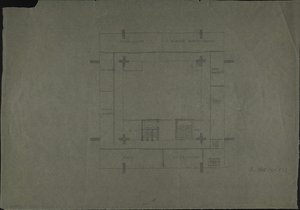
Franz Ehrlich: Blueprint for Reflection – The Legacy of Four Armchairs
Franz Ehrlich (1907–1984), a German architect, calligrapher, and graphic designer whose work spanned Bauhaus principles to communist affiliation, remains an enigmatic figure in the annals of modernist design. While his name might not resonate with mainstream audiences today, Ehrlich’s contribution to architectural thought and artistic expression—particularly embodied in “4 Armchairs. 1 Bench,” a meticulously rendered drawing conceived for the Office of the Vice President of the Academy of Sciences of the GDR—offers a compelling glimpse into the intellectual currents shaping East German culture during its formative years.
- The Drawing’s Genesis: Created in 1935, shortly before Ehrlich's arrest by Nazi authorities, “4 Armchairs. 1 Bench” emerged from the Bauhaus workshop in Dessau, where Ehrlich honed his skills alongside luminaries like Walter Gropius and Josef Albers. This formative period instilled within him a profound appreciation for geometric abstraction and functional design—values that would define his subsequent artistic endeavors.
- Bauhaus Influence: The drawing’s stark monochrome palette—primarily black ink on white paper—immediately recalls the Bauhaus aesthetic, prioritizing clarity of form and minimizing ornamentation. Ehrlich skillfully employs orthogonal lines to delineate the chair frames and bench surface, reflecting the Bauhaus ethos of rational construction and uncompromising simplicity.
- Symbolism Within Functionality: Beyond its purely structural considerations, “4 Armchairs. 1 Bench” carries symbolic weight. The arrangement of the chairs—two rows mirroring each other—suggests balance and equilibrium, mirroring the pursuit of harmony between intellect and physicality inherent in Bauhaus philosophy. Furthermore, the bench positioned centrally symbolizes contemplation and dialogue – a deliberate choice reflecting the Academy’s mission as a hub for scholarly discourse.
The drawing itself is a testament to Ehrlich's meticulous technique—a blueprint or design sketch executed with unwavering precision. The artist’s attention to detail extends beyond mere geometric accuracy; subtle shading enhances the illusion of depth, conveying a sense of materiality and inviting viewers to imagine the tactile experience of sitting upon these chairs.
- Material Considerations: Although rendered in monochrome, Ehrlich's drawing anticipates the use of durable materials—likely beechwood—consistent with Bauhaus ideals. The careful depiction of joinery reinforces the structural integrity of the furniture design, demonstrating a commitment to both aesthetic beauty and practical efficacy.
"4 Armchairs. 1 Bench" transcends its role as mere architectural documentation; it serves as an emblem of intellectual optimism—a declaration that reason and artistry could coexist harmoniously in shaping the cultural landscape of postwar Germany. Today, reproductions of this seminal drawing continue to inspire designers and collectors alike, reminding us of the enduring power of minimalist design to provoke contemplation and convey profound emotional resonance.
Reproductions available at OriginalUniqueArt.comSpørgsmål & svar
Hvilken farvepalette og hvilken følelse forener "4 Armlænestole. 1 bænk."?
Den Monokrom farvepalet i "4 Armlænestole. 1 bænk." af Franz Ehrlich harmonerer med værkets Reflekterende følelsesmæssige tone. Farven er en af de måder, et værk formidler følelser på.
Hvor i Franz Ehrlichs karriere placerer "4 Armlænestole. 1 bænk." sig?
Inden for Franz Ehrlichs karriere tilhører "4 Armlænestole. 1 bænk." perioden Bauhaus Tid. Denne fase gør det muligt at sammenligne værket med kunstnerens øvrige værker.
Hvilken printstørrelse og orientering anbefales til "4 Armlænestole. 1 bænk."?
Størrelse Stor, Højformat orientering: dette er den anbefalede printopsætning til "4 Armlænestole. 1 bænk." af Franz Ehrlich.
Om kunstneren
tidligt liv og uddannelse
Franz Ehrlich, en anerkendt tysk arkitekt, kalligraf og grafisk designer, blev født i 1907. Hans formative år var præget af en medfødt tilbøjelighed mod kunsten, hvilket førte ham til at indskrive sig ved Bauhaus i Dessau fra 1927 til 1930. Denne prestigefyldte institution spillede en afgørende rolle i formningen af Ehrlichs kunstneriske perspektiv og introducerede ham til tidens avantgarde-bevægelser.kunstnerisk karriere og kommunistisk tilhørsforhold
Ehrlichs tilknytning til det kommunistiske parti havde en dyb indvirkning på hans liv og karriere. I 1935 blev han arresteret og fængslet af naziregimet, en begivenhed der i betydelig grad ændrede retningen for hans kunstneriske virke. På trods af disse udfordringer fortsatte Ehrlich med at bidrage til kunstverdenen og efterlod sig en arv, der er både inspirerende og tankevækkende.bemærkelsesværdige værker
blandt Ehrlichs mest bemærkelsesværdige værker findes:- 800 yrs. das buch [bogen]. Grundplan og perspektiver (udstillingsreoler, Leipzig Messe), et vidnesbyrd om hans innovative tilgang til design og arkitektur.
- Prof. Dr. Baumann hus udførelse (fundamentsplan), som fremviser hans ekspertise inden for arkitektonisk planlægning.
- 1933 (foto-skulpturalt reklameprojekt), en unik blanding af fotografi og skulptur, der fremhæver hans eksperimenterende natur.
museer og samlinger med Ehrlichs værker
OriginalUniqueArt.com rummer en omfattende samling af Ehrlichs værker, herunder de ovennævnte. Bauhaus Dessau Foundation (Dessau-Roßlau, Tyskland) er ligeledes et betydningsfuldt depot for hans kunstneriske bestræbelser.arv og betydning
Franz Ehrlichs bidrag til kunstverdenen er mangefacetterede og afspejler hans brede vifte af interesser og talenter. Hans oplevelser, både kreativt og personligt, tilbyder værdifuld indsigt i skæringspunktet mellem kunst og politik under et skelsættende øjeblik i tysk historie.- se flere af Ehrlichs værker hos https://OriginalUniqueArt.com/@/franz-ehrlich
- udforsk Bauhaus Dessau Foundation og deres samling hos Bauhaus Dessau Foundation (Dessau-Roßlau, Tyskland)
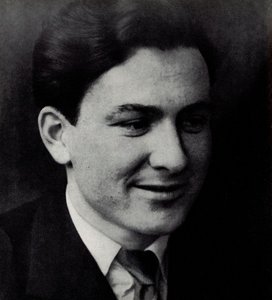
Franz Ehrlich
1907 - 1984 , Tyskland
Hurtige fakta
- Bemærkelsesværdige Kunstværker:
- 800 YRS. FRAMEWORK WALL 3
- Uden titel (HKB I eller II)
- Maleri med violin
- Dødsdato: 1984
- Fulde Navn: Franz Ehrlich
- Fødested: Reuth, Tyskland
- Fødselsdato: 1907
- Kunstnere Der Påvirkede Denne Kunstner:
- Walter Gropius
- Moholy-Nagy
- Klee
- Joost Schmidt
- Kunstnere Eller Bevægelser Påvirket Af Denne Kunstner:
- Bauhaus
- Ung kommunistisk liga
- Kunstnerisk Bevægelse Eller Stil: Bauhaus, Ekspressionisme
- Nationalitet: Tysk
Relaterede artikler
Minimalist Kunst: Top 10 Værker til et Stilrent Hjem | OriginalUniqueArt.dk
Oplev 10 ikoniske minimalistiske kunstværker fra Rothko til Mondrian. Lær historien bag disse berømte malerier og find inspiration til et stilrent hjem. Køb museumskvalitets reproduktioner på OriginalUniqueArt.com.
Staatliche Museens Top 25 Kunstværker: Berlin's Skatte – Historie, Kunst & Inspiration til Dit Hjem
Oplev Staatliche Museens 25 mest ikoniske kunstværker i Berlin! Fra Nefertiti til mesterværker af Schinkel – dyk ned i tysk kunsthistorie, stilarter & farver. Find inspiration og køb museumskvalitets reproduktioner på OriginalUniqueArt.com.

The Power of the Line: Transforming Minimalist Art into Timeless Masterpieces
Explore the profound elegance of minimalist art. Discover how the precision of a single line transforms simple geometry into timeless masterpieces for the discerning collector seeking sophistication and depth in fine art acquisitions.
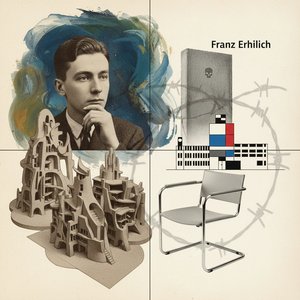
Franz Ehrlich: Bridging Expressionism, Bauhaus & the Shadows of History
Explore the life of Franz Ehrlich, a pivotal Bauhaus architect whose career spanned Expressionism, resistance during Nazi Germany, and GDR reconstruction. Discover his complex legacy & view museum-quality reproductions at OriginalUniqueArt.
Chill Vibes Only: The Ultimate Trend Forecast for Curating Minimalist & Calm Art Spaces
Master the art of calm with our trend forecast on minimalist decor. Discover how to curate high-impact, low-stimulus spaces using geometric sculptures, monochrome palettes, and modern abstract works for a sophisticated, zen-inspired lifestyle.