Se i rummet
 Del som kort
 Del
Del
 Detaljer
 Guide
Guide

 Download
 Lignende værker
 Røntgenundersøgelse
 Diasshow
 Spørgsmål og svar
 Statistikker
The Fisher Boy

- 74.0 x 61.0 cm


 Vis mere
Giclée / Kunsttryk
Giclée- eller lærredstryk i museumskvalitet med hurtig produktion og fleksible muligheder for finish. ( Køb håndmalet maleri Skift til digitalt billede)




P118B Dkr10

P118H Dkr10

P118W Dkr10

P438Z Dkr10

P508JH Dkr12

P508YH Dkr12

P805H Dkr10

P805Z Dkr10

P919BZ Dkr10

P919G Dkr10

P919XJ Dkr10

P959ZH Dkr10

P968JZ Dkr12

W106C Dkr8

W218G Dkr10

W218JH Dkr8

W218Y Dkr10

W307PJ Dkr10

W316G Dkr10

W316PJ Dkr8

W316Y Dkr10

W398PJ Dkr8

W4111J Dkr10

W500HY Dkr15

W500JH Dkr15

W692G Dkr12

W849H Dkr8

W940BG Dkr15

W953PJ Dkr8




Vælg mellem vores forudindstillede størrelser, der matcher kunstværkets originale proportioner.

Indtast den bredde og højde, du har brug for, så det passer til din ramme eller din væg. Et print kan kun beskæres, aldrig gøres større end selve billedet, så en størrelse med et andet format vil medføre, at dele af motivet går tabt. Vi sender dig en digital mockup til godkendelse, før vi printer noget. Billedet vist på denne side viser ikke den faktiske beskæring — det er kun mockuppen, der gør.
Verdensomspændende levering () på 2 uger i stedet for de sædvanlige 4/5 uger. (4 november)

Gratis ekspresforsendelse til hele verden

Lærred af linned i høj kvalitet

Fuld transportforsikring

Garanti for refusion af told og importafgifter

Garanti for præcis farvegengivelse

100 dages returret ved fabrikationsfejl

100% fuld returret

Mængderabat ved flere køb
 Glasmulighed er kun tilgængelig i størrelser under 110 cm

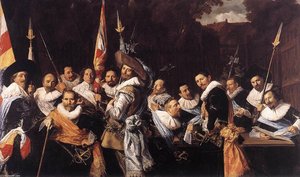
The Fisher Boy
Giclée / Kunsttryk
Størrelse på reproduktion
-


Samlet pris
Dkr 538
A Window into Haarlem Life: Frans Hals’s “The Fisher Boy”
Frans Hals's "The Fisher Boy," painted circa 1632, isn't merely a portrait; it’s a vibrant snapshot of early 17th-century Dutch life, brimming with youthful energy and an intimate understanding of the human spirit. Housed within the Royal Museum of Fine Arts in Antwerp, this unassuming canvas offers a remarkable glimpse into the world of a young fisherman, capturing not just his likeness but also a fleeting moment of joy and connection.
The painting’s style is immediately recognizable as Hals's signature – a masterful blend of realism and expressive brushwork. He eschews the meticulous detail favored by many of his contemporaries, opting instead for a looser, more spontaneous approach. Notice how the paint seems to dance across the canvas, particularly in the boy’s clothing and the dappled light filtering through the trees. This technique wasn't simply stylistic; it conveyed a sense of immediacy, as if Hals were capturing the scene directly before his eyes.
A Portrait of Innocence and Observation
The subject himself is captivating. The young boy, identified by scholars as likely a member of Haarlem’s fishing community, possesses an almost mischievous quality. His slightly open mouth suggests a quiet amusement, perhaps at the attention he's receiving or simply lost in his own thoughts. Hals masterfully captures this youthful exuberance, imbuing the portrait with a palpable sense of life. The boy’s attire – a simple red hat and dark coat – speaks to his humble origins, yet his posture exudes confidence and self-possession.
Crucially, Hals isn't simply depicting a fisherman; he’s observing him. The composition is carefully arranged, drawing the viewer into the scene. The boy’s direct gaze engages us immediately, creating a powerful connection. A chair sits nearby, suggesting a brief respite from his work, and a distant boat hints at the broader context of his livelihood – the sea providing sustenance for the community.
The Symbolism of Light and Shadow
Light plays a vital role in “The Fisher Boy,” contributing significantly to its emotional impact. Hals expertly utilizes chiaroscuro—the dramatic contrast between light and shadow—to sculpt the boy’s form and create a sense of depth. The bright illumination highlights his face, emphasizing his youthful features and conveying an impression of warmth and vitality. Conversely, the shadows subtly suggest the weight of responsibility and the challenges inherent in his profession.
The background landscape, rendered with remarkable detail despite Hals’s loose brushwork, further enriches the painting's symbolism. The trees, bathed in sunlight, evoke a sense of tranquility and connection to nature – themes frequently explored by Dutch Golden Age artists. It’s a scene that feels both familiar and timeless, reflecting the enduring relationship between humanity and the natural world.
A Legacy of Innovation
“The Fisher Boy” stands as a testament to Frans Hals's revolutionary approach to portraiture. He moved away from the formal conventions of his time, prioritizing capturing the essence of his subjects rather than adhering strictly to idealized representations. This focus on character and emotion paved the way for future generations of artists and cemented Hals’s place as one of the most influential figures in Dutch art history. Today, this painting continues to resonate with viewers, offering a poignant reminder of the simple joys and enduring beauty found within everyday life.
Spørgsmål og svar
Hvilken teknik er "The Fisher Boy" udført med?
Frans Hals I brugte Oil On Canvas-teknikken til "The Fisher Boy". Teknikken definerer det originale værks materielle karakter.
Hvordan kan jeg købe en digital fil af "The Fisher Boy" af Frans Hals I?
Du kan købe en digital fil af "The Fisher Boy" af Frans Hals I ved at bestille et højopløseligt digitalt billeddownload på dens Digitalt billede-side.
Hvilken teknik er brugt til "The Fisher Boy", og hvad er målene?
"The Fisher Boy" er udført i Oil On Canvas og måler 74 x 61 cm i sin oprindelige form.
Kunstnerbiografi
Frans Hals I: En mester af følelser og lys
Frans Hals I var en dansk maler født omkring 1580 i Antwerpen, Belgien. Hans tidlige liv forbliver noget mystisk, men han blev en af de mest betydningsfulde personer i den danske Gouden Æra, fejret for sin banebrydende portrætterkunst og genrebilleder – kunst der virkelig fanger essensen af menneskelig erfaring. Han var ikke blot en dygtig tekniker; han var en kunstner, der søgte at indfange sjælen i sit arbejde og efterlod sig et varigt præg på kunsthistorien.Barokkens spontane ånd
Hals’s kunststil var unik for sin tid og adskilte sig markant fra mange af hans samtidige, som ofte foretrak detaljeret præcision. Han omfavnede en løs og udtryksfuld penselstrøg – en teknik, der gav hans malerier liv og dynamik og gjorde det muligt for ham at skildre sit subjekt’s personlighed og følelser på en måde, der var revolutionerende. Dette var ikke blot om tekniske færdigheder; det var om en filosofi om kunst, hvor målet var at gengive øjeblikket så autentisk som muligt. Han var inspireret af den italienske renæssance og dens fokus på klassiske idealer, men han udviklede samtidig sin egen stil, der var præget af følelser og lys – elementer, der ville blive centrale for senere kunstnere.Portrætter med menneskelighed
Hals’s portrætter var noget særligt. Han var ikke blot nøjagtige gengivelser af hans modeller; han var psykologiske studier, hvor han forsøgte at afsløre deres karakter og følelsesliv. Hans evne til at fange øjeblikke af latter, samtale eller eftertanke gjorde hans værker ekstra effektive og resonerende hos publikummet. Han var en mester i brugen af lys og skygge – teknikker han havde lært af kunstnere som Rembrandt – hvilket gav dybde og drama til hans kompositioner og skabte en følelse af atmosfære, der var helt unik for hans kunst. Hans mest kendte værker inkluderer blandt andet *Det latterlige ridder*, hvor han perfekt fanger ridderen’s selvtillid og elegance samt *Malle Babbe*, hvor han viser sin evne til at skildre alderdom og personlighed med stor følsomhed. Disse malerier er ikke blot teknisk imponerende; de fortæller historien om mennesker – deres liv, deres drømme og deres bekymringer.Gruppeportrætter og genrebilleder
Udover portrætter skabte Hals også fantastiske genrebilleder, der gav et fascinerende indblik i dansk samfund på hans tid. Han var særligt interesseret i at dokumentere hverdagslivet – aktiviteter som musik og dans – hvilket gjorde hans værker til vigtige videnskabelige kilder for historikere og kunstnere. Hans gruppebilleder, såsom *Portrætter af Regents af Ældrehjemmet i Haarlem*, er særligt imponerende både teknisk og konceptuelt. Han formår at skildre hele gruppen på en måde, der fanger deres dynamik og atmosfære – hvilket var et stort udfordring for hans samtidige kunstnere. Disse værker viser Hals’s evne til at kombinere præcision med følelser og er blandt de mest ikoniske eksempler på dansk kunst fra det 17. århundrede.Eftervirkninger og arv
Frans Hals I efterlod sig en enorm arv inden for kunsthistorien. Hans stil var banebrydende og inspirerede mange senere kunstnere, herunder Vincent van Gogh og Johannes Vermeer. Han demonstrerede vigtigheden af følelser og atmosfære i kunst og ændrede måden kunstnere så på deres arbejde. Hans værker udstilles nu i nogle af verdens største museer og er fortsat et symbol på dansk kunst og kultur – hvilket vidner om hans betydning som en af de mest kreative og innovative kunstnere fra Gouden Æraen. Han var virkelig en mand, der formåede at fange essensen af menneskeligheden og efterlod sig et varigt præg på kunsthistorien.
Frans Hals I
1580 - 1585 , Belgien
Kort om kunstneren
- Artistic Movement Or Style: Dutch Gouden Eeuw
- Artists Or Movements Influenced By This Artist:
- Adriaen Brouwer
- Johannes Vermeer
- Artists Who Influenced This Artist: ['Pieter Bruegel den Ældre']
- Date Of Birth: Omkring 1580
- Date Of Death: 1585
- Full Name: Frans Hals I
- Nationality: Nederlandsk
- Notable Artworks:
- Det latterlige ridder
- Le Moulin de la Galette
- Place Of Birth: Antwerp, Belgien
Relaterede artikler

Frans Hals I: Innovation, Intimacy & the Dutch Golden Age Portrait
Explore the revolutionary portraiture of Frans Hals I, a master of the Dutch Golden Age. Discover his innovative techniques, captivating character studies & lasting impact on art history. Learn more at OriginalUniqueArt.

Golden Light & Dutch Skies: The Timeless Magic of Dutch Golden Age Landscapes
Discover the breathtaking beauty of Dutch Golden Age landscapes. Explore the mastery of light, chiaroscuro, and 17th-century realism through an expert art history lens, celebrating the enduring legacy of the Dutch Masters for discerning collectors and art lovers.

Hollandske Mestre: Top 10 Værker fra Guldalderen – Kunst til Dit Hjem
Oplev de 10 mest ikoniske værker fra den hollandske guldalder! Rembrandt, Vermeer og andre mestre afsløres. Find inspiration til dit hjem & køb museumskvalitets kunsttryk på OriginalUniqueArt.com.

Illuminating Innovation: Exploring the Dutch Golden Age of Painting
Explore the Dutch Golden Age of painting with OriginalUniqueArt. Discover Rembrandt, Vermeer & other Masters. Learn about key characteristics, iconic artworks, and lasting influence. Expert insights for collectors & enthusiasts.

Golden Age Reflections: Dutch Baroque Painting & Cultural Innovation
Explore the Dutch Golden Age of painting! Discover key artists like Vermeer & ter Borch, their innovative techniques, and the rich cultural context behind these Baroque masterpieces. Learn about collecting & appreciating this iconic art period.