Se i rummet
 Del som kort
 Del
Del
 Detaljer
 Guide
Guide

 Download
 Lignende værker
 Røntgenundersøgelse
 Diasshow
 Q&A
Q&A Statistikker
Herman Langelius


 Vis mere
Giclée / Kunsttryk
Giclée- eller lærredstryk i museumskvalitet med hurtig produktion og fleksible muligheder for finish. ( Køb håndmalet maleri Skift til digitalt billede)




P118B Dkr10

P118H Dkr10

P118W Dkr10

P438Z Dkr10

P508JH Dkr12

P508YH Dkr12

P805H Dkr10

P805Z Dkr10

P919BZ Dkr10

P919G Dkr10

P919XJ Dkr10

P959ZH Dkr10

P968JZ Dkr12

W106C Dkr8

W218G Dkr10

W218JH Dkr8

W218Y Dkr10

W307PJ Dkr10

W316G Dkr10

W316PJ Dkr8

W316Y Dkr10

W398PJ Dkr8

W4111J Dkr10

W500HY Dkr15

W500JH Dkr15

W692G Dkr12

W849H Dkr8

W940BG Dkr15

W953PJ Dkr8




Vælg mellem vores forudindstillede størrelser, der matcher kunstværkets originale proportioner.

Indtast den bredde og højde, du har brug for, så det passer til din ramme eller din væg. Et print kan kun beskæres, aldrig gøres større end selve billedet, så en størrelse med et andet format vil medføre, at dele af motivet går tabt. Vi sender dig en digital mockup til godkendelse, før vi printer noget. Billedet vist på denne side viser ikke den faktiske beskæring — det er kun mockuppen, der gør.
Verdensomspændende levering () på 2 uger i stedet for de sædvanlige 4/5 uger. (30 oktober)

Gratis ekspresforsendelse til hele verden

Lærred af linned i høj kvalitet

Fuld transportforsikring

Garanti for refusion af told og importafgifter

Garanti for præcis farvegengivelse

100 dages returret ved fabrikationsfejl

100% fuld returret

Mængderabat ved flere køb
 Glasmulighed er kun tilgængelig i størrelser under 110 cm

Herman Langelius
Giclée / Kunsttryk
Størrelse på reproduktion
-


Samlet pris
Dkr 537
The Intimate Gaze of Herman Langelius
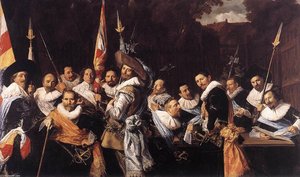
Frans Hals’s “Herman Langelius,” painted around 1660, is more than just a portrait; it's a window into the soul of a man caught in a moment of quiet contemplation. This remarkable work, currently residing in the Musée de Picardie in Amiens, France, exemplifies Hals’s signature style – a masterful blend of realism and expressive brushwork that captures not only physical likeness but also an underlying sense of character and emotion. The painting depicts Herman Langelius, a Dutch Protestant minister, presented in a half-length pose, his gaze fixed directly upon the viewer with an intensity that is both arresting and profoundly human.
Hals’s technique here is particularly noteworthy. He employs a loose, almost impressionistic approach to rendering the figure, eschewing meticulous detail in favor of capturing the essence of Langelius's presence. Notice how the brushstrokes are visible, creating a textured surface that seems to vibrate with life. The chiaroscuro – the dramatic contrast between light and shadow – is expertly utilized, drawing attention to Langelius’s face and hands while subtly obscuring the background, further emphasizing his isolation and introspective mood. Hals was known for this technique, often referred to as “wet-on-wet,” where he applied paint while it was still wet, allowing colors to blend and merge organically.
A Baroque Masterpiece: Context and Style
“Herman Langelius” firmly situates itself within the vibrant context of the Dutch Golden Age. This period, roughly spanning from the mid-16th to the early 18th centuries, witnessed an unprecedented flourishing of art, science, and commerce in the Netherlands. Hals was a central figure in this artistic revolution, pushing boundaries with his innovative portraiture and genre scenes. His work stands apart from the more formal and idealized portraits favored by some of his contemporaries, instead embracing a sense of immediacy and spontaneity that reflects the dynamism of everyday life.
The painting’s Baroque style is evident in its dramatic lighting, rich textures, and emphasis on emotional expression. Baroque art, which flourished throughout Europe during this period, sought to evoke strong emotions in the viewer through grand gestures, intense colors, and dynamic compositions. Hals masterfully translates these principles into his portrait of Langelius, creating a work that is both visually stunning and emotionally resonant.
Symbolism and Character
Beyond its technical brilliance, “Herman Langelius” is rich in subtle symbolism. The subject’s direct gaze invites the viewer to engage with him on a personal level, suggesting a shared understanding or perhaps even a silent dialogue. His slightly melancholic expression hints at a contemplative nature, reflecting the burdens and responsibilities of his role as a minister. The dark clothing he wears also speaks to the solemnity of his profession.
Interestingly, Hals often painted what are known as “tronies”—studies of facial expressions rather than commissioned portraits. This approach allowed him to explore a range of human emotions and personalities without being constrained by specific requests from clients. The painting’s focus on Langelius's face—particularly his eyes—is a testament to Hals’s ability to capture the essence of a person through a single, powerful image.
A Timeless Portrait: Reproduction Possibilities
OriginalUniqueArt offers high-quality reproductions of “Herman Langelius,” allowing art lovers worldwide to experience the beauty and power of this iconic painting. Our meticulous printing process faithfully captures Hals’s distinctive brushwork and vibrant colors, ensuring that your reproduction will be a stunning addition to any home or office. Whether you're seeking an authentic representation for personal enjoyment or a sophisticated piece for interior design, our reproductions provide a remarkable way to connect with one of the Dutch Golden Age’s most celebrated artists.
Explore the full details and order your own reproduction today at OriginalUniqueArt.
Spørgsmål og svar
Hvilken farvepalette og hvilken dominerende farve definerer "Herman Langelius"?
Farveidentiteten i "Herman Langelius" af Frans Hals I: en Earthy palet, domineret af Phthalo Green (#282322).
Hvor lys eller mørk fremstår "Herman Langelius" af Frans Hals I?
Den oplevede lysstyrke i "Herman Langelius" af Frans Hals I er deep_shadow. Den kan tilpasses lyset i det tiltænkte rum.
Hvilken farvepalette benytter "Herman Langelius"?
"Herman Langelius" af Frans Hals I benytter en Earthy farvepalette, der indfanger værkets overordnede farvekarakter.
Kunstnerbiografi
Frans Hals I: En mester af følelser og lys
Frans Hals I var en dansk maler født omkring 1580 i Antwerpen, Belgien. Hans tidlige liv forbliver noget mystisk, men han blev en af de mest betydningsfulde personer i den danske Gouden Æra, fejret for sin banebrydende portrætterkunst og genrebilleder – kunst der virkelig fanger essensen af menneskelig erfaring. Han var ikke blot en dygtig tekniker; han var en kunstner, der søgte at indfange sjælen i sit arbejde og efterlod sig et varigt præg på kunsthistorien.Barokkens spontane ånd
Hals’s kunststil var unik for sin tid og adskilte sig markant fra mange af hans samtidige, som ofte foretrak detaljeret præcision. Han omfavnede en løs og udtryksfuld penselstrøg – en teknik, der gav hans malerier liv og dynamik og gjorde det muligt for ham at skildre sit subjekt’s personlighed og følelser på en måde, der var revolutionerende. Dette var ikke blot om tekniske færdigheder; det var om en filosofi om kunst, hvor målet var at gengive øjeblikket så autentisk som muligt. Han var inspireret af den italienske renæssance og dens fokus på klassiske idealer, men han udviklede samtidig sin egen stil, der var præget af følelser og lys – elementer, der ville blive centrale for senere kunstnere.Portrætter med menneskelighed
Hals’s portrætter var noget særligt. Han var ikke blot nøjagtige gengivelser af hans modeller; han var psykologiske studier, hvor han forsøgte at afsløre deres karakter og følelsesliv. Hans evne til at fange øjeblikke af latter, samtale eller eftertanke gjorde hans værker ekstra effektive og resonerende hos publikummet. Han var en mester i brugen af lys og skygge – teknikker han havde lært af kunstnere som Rembrandt – hvilket gav dybde og drama til hans kompositioner og skabte en følelse af atmosfære, der var helt unik for hans kunst. Hans mest kendte værker inkluderer blandt andet *Det latterlige ridder*, hvor han perfekt fanger ridderen’s selvtillid og elegance samt *Malle Babbe*, hvor han viser sin evne til at skildre alderdom og personlighed med stor følsomhed. Disse malerier er ikke blot teknisk imponerende; de fortæller historien om mennesker – deres liv, deres drømme og deres bekymringer.Gruppeportrætter og genrebilleder
Udover portrætter skabte Hals også fantastiske genrebilleder, der gav et fascinerende indblik i dansk samfund på hans tid. Han var særligt interesseret i at dokumentere hverdagslivet – aktiviteter som musik og dans – hvilket gjorde hans værker til vigtige videnskabelige kilder for historikere og kunstnere. Hans gruppebilleder, såsom *Portrætter af Regents af Ældrehjemmet i Haarlem*, er særligt imponerende både teknisk og konceptuelt. Han formår at skildre hele gruppen på en måde, der fanger deres dynamik og atmosfære – hvilket var et stort udfordring for hans samtidige kunstnere. Disse værker viser Hals’s evne til at kombinere præcision med følelser og er blandt de mest ikoniske eksempler på dansk kunst fra det 17. århundrede.Eftervirkninger og arv
Frans Hals I efterlod sig en enorm arv inden for kunsthistorien. Hans stil var banebrydende og inspirerede mange senere kunstnere, herunder Vincent van Gogh og Johannes Vermeer. Han demonstrerede vigtigheden af følelser og atmosfære i kunst og ændrede måden kunstnere så på deres arbejde. Hans værker udstilles nu i nogle af verdens største museer og er fortsat et symbol på dansk kunst og kultur – hvilket vidner om hans betydning som en af de mest kreative og innovative kunstnere fra Gouden Æraen. Han var virkelig en mand, der formåede at fange essensen af menneskeligheden og efterlod sig et varigt præg på kunsthistorien.
Frans Hals I
1580 - 1585 , Belgien
Kort om kunstneren
- Artistic Movement Or Style: Dutch Gouden Eeuw
- Artists Or Movements Influenced By This Artist:
- Adriaen Brouwer
- Johannes Vermeer
- Artists Who Influenced This Artist: ['Pieter Bruegel den Ældre']
- Date Of Birth: Omkring 1580
- Date Of Death: 1585
- Full Name: Frans Hals I
- Nationality: Nederlandsk
- Notable Artworks:
- Det latterlige ridder
- Le Moulin de la Galette
- Place Of Birth: Antwerp, Belgien
Relaterede artikler

Hollandske Mestre: Top 10 Værker fra Guldalderen – Kunst til Dit Hjem
Oplev de 10 mest ikoniske værker fra den hollandske guldalder! Rembrandt, Vermeer og andre mestre afsløres. Find inspiration til dit hjem & køb museumskvalitets kunsttryk på OriginalUniqueArt.com.

Hollandsk Barok: Top 10 Mesterværker der Definerede en Æra – Kunst til Dit Hjem
Oplev Hollandsk Barok's 10 mest ikoniske værker! Rembrandt, Vermeer & co. – dyk ned i historien bag mesterværkerne og find inspiration til din boligindretning. Køb luksus kunsttryk på OriginalUniqueArt.com.

Golden Age Reflections: Dutch Baroque Painting & Cultural Innovation
Explore the Dutch Golden Age of painting! Discover key artists like Vermeer & ter Borch, their innovative techniques, and the rich cultural context behind these Baroque masterpieces. Learn about collecting & appreciating this iconic art period.

Frans Hals I: Innovation, Intimacy & the Dutch Golden Age Portrait
Explore the revolutionary portraiture of Frans Hals I, a master of the Dutch Golden Age. Discover his innovative techniques, captivating character studies & lasting impact on art history. Learn more at OriginalUniqueArt.

Rembrandts Mesterværker: Top 25 Kunstværker til Din Væg – OriginalUniqueArt.dk
Oplev Rembrandts 25 mest ikoniske kunstværker! Fordyb dig i historierne bag 'Nattevagten', hans selvportrætter og bibelske motiver. Find museumskvalitets reproduktioner & inspiration til din væg på OriginalUniqueArt.com.