

 Se i rummet
 Send
Send Del
Del
 Detaljer
 Studieguide til kunstværker

 Download
 Lignende værker
 Røntgenundersøgelse
 Se diasshow
 Statistik
Henriette af Cleves


 Læs mere
Håndlavet oliereproduktion
Håndmalet olie på lærred i din valgte størrelse og ramme, udført efter bestilling af vores kunstnere. ( Skift til printversion Skift til digitalt billede)




P118B Dkr10

P118H Dkr10

P118W Dkr10

P438Z Dkr10

P508JH Dkr12

P508YH Dkr12

P805H Dkr10

P805Z Dkr10

P919BZ Dkr10

P919G Dkr10

P919XJ Dkr10

P959ZH Dkr10

P968JZ Dkr12

W106C Dkr8

W218G Dkr10

W218JH Dkr8

W218Y Dkr10

W307PJ Dkr10

W316G Dkr10

W316PJ Dkr8

W316Y Dkr10

W398PJ Dkr8

W4111J Dkr10

W500HY Dkr15

W500JH Dkr15

W692G Dkr12

W849H Dkr8

W940BG Dkr15

W953PJ Dkr8




Vælg mellem vores forudindstillede størrelser, der matcher kunstværkets originale proportioner.

Indtast den bredde og højde, du har brug for, så det passer til din ramme eller din væg. Da dette er håndmalet, kan kunstneren ved en anden form på størrelsen male lidt mere rundt om billedet eller skære lidt væk — det er op til dig. Vi sender dig et digitalt mockup til godkendelse, før maleriet påbegyndes. Billedet, der vises på denne side, viser ikke det endelige resultat — det er kun mockuppet, der gør.
Efter bestilling vil OriginalUniqueArt.com team sende en e-mail til kunden for at indhente instruktioner og fremsende et udkast til gennemgang.
Levering i hele verden () på 3-4 uger i stedet for de standard 5 uger. (24 oktober). Ingen kompromiser med kvaliteten.

Gratis ekspresforsendelse til hele verden

Lærred af linned i høj kvalitet

Komplet transportforsikring

Garanti for refusion af told og importafgifter

Garanti for autentisk farvegengivelse

100 dages returret ved fabrikationsfejl

100% fuld returret

Mængderabat ved flere køb
 Glasmulighed er kun tilgængelig i størrelser under 110 cm

Henriette af Cleves
Reproduktionsmateriale
Reproduktionsstørrelse
-


Samlet pris
Dkr 1968
Henriette de Cleves, 4th Duchess of Nevers – Et Portrættet af en Æra
François Clouet var ikke blot en kunstner; han var en fortæller af renæssancen i Frankrig. Født omkring 1510 i Tours, kanaliserede hans talent og kongelige forbindelser en æra præget af både kunstnerisk udvikling og hoflig overdådighed under Valois-dynastiet. Han skildrede ikke blot personer; han fangede essensen af tiden med en præcision, der fortsat fascinerer publikum i dag.
Clouet var kendt for sin evne til at kombinere nederlandsk naturalistisk stil med italiensk elegance – en metode, der gjorde ham til Frankrigs mest prisbelønnede portrætfarver. Hans arbejde reflekterede ikke kun den fysiske skønhed af hans modeller, men også deres sociale status og kulturelle betydning. Han var en vigtig kunstner i sin tid og efterlod sig et arv af imponerende værker.
- Kunststil: Clouet praktiserede renæssancen, hvor fokus lå på detaljer og realistisk gengivelse af menneskelige figurer. Hans teknik var præget af brug af olie på træ – en metode, der tillod dybe farver og subtile nuancer.
- Historisk Kontext: Henriette de Cleves’ portræt blev malet i midten af det 16. århundrede, hvilket placerer værket direkte i hjertet af den franske hoflivsstil under Henrik II og hans efterfølgere. Det var en periode præget af politiske intriger og kunstnerisk konkurrence.
- Symbolik: Henriette’s klædedragt er fyldt med symbolik. Den rufflede halskrave repræsenterer adel og prestige, mens hatten med fjer udtrykker både elegance og status. Disse detaljer vidner om kunstnerens forståelse for den sociale kode og hans evne til at kommunikere betydning gennem visuelle elementer.
- Emotionel Effekt: Portrættet fremkalder følelser af ro og aristokratisk værdighed. Henriette’s udtryksløse blik og korrekt positur formidler en følelse af styrke og selvværd – egenskaber, der var eftertragtede i den franske hof.
Det faktum, at værket nu findes i Government Art Collection i London, understreger dets kunstneriske betydning og historiske værd. Det er et vidneskab om en tid, hvor kunst var både refleksion af og katalysator for sociale normer og kulturelle idealer.
Denne reproduktion giver mulighed for at opleve Henriette de Cleves’ skønhed og elegance på en måde, der bringer renæssancens kunstneriske geni direkte ind i hjemmet. Det er et værk, der fortsætter med at inspirere og fascinere kunstnere og kunstelskere verden over.
Spørgsmål & svar
Hvad er "Henriette af Cleves" lavet af, og i hvilken stil?
I "Henriette af Cleves" mødes Olie på lærred-teknikken med Renaissance Portraiture-bevægelsen.
Hvilken farve dominerer kompositionen i "Henriette af Cleves" af François Clouet?
Terrakotta (#896b35) er den dominerende farve i "Henriette af Cleves" af François Clouet.
Hvor kan man i dag se "Henriette af Cleves" af François Clouet udstillet?
Originalen af "Henriette af Cleves" af François Clouet opbevares på Government Art Collection, London, Storbritannien. En reproduktion gør det muligt at udstille værket i hjemmet.
Om kunstneren
A Legacy of Likeness: The World of François Clouet
François Clouet, a name synonymous with the refined portraiture of the French Renaissance, emerged from a lineage steeped in artistic skill and courtly favor. Born around 1510 in Tours, France, his life unfolded against a backdrop of evolving artistic sensibilities and the opulent world of the Valois monarchy. He wasn’t merely a painter; he was a chronicler of an era, capturing the essence of kings, queens, and courtiers with a meticulousness that continues to captivate viewers today. The shadow of his father, Jean Clouet, loomed large – both artists shared not only a profession but also the familiar nickname ‘Janet,’ leading to occasional confusion in attributing their works across generations. Yet, François carved his own distinct path, blending Flemish naturalism with an emerging Italianate grace, and establishing himself as one of France’s most celebrated portraitists.Inheriting a Tradition: Early Life and Artistic Formation
The early years of François Clouet remain somewhat veiled in historical obscurity, but his artistic trajectory was undeniably shaped by the legacy of his father. Jean Clouet, originating from the Southern Netherlands, brought with him to the French court the meticulous detail and realistic approach characteristic of Flemish painting. This foundation formed the bedrock of François’s training. A pivotal moment arrived in 1541 when François inherited his father's estate, formally stepping into his artistic inheritance and assuming the responsibilities that came with it. This wasn’t simply a transfer of property; it was an assumption of a role within the very fabric of the French court. The Clouet family also enjoyed a unique connection to the Italian Renaissance through Jean’s time in Amboise, exposing François to the burgeoning ideals and innovative techniques emanating from Italy – a subtle but significant influence that would later manifest in his work. He absorbed not just technique, but an understanding of how art could serve as both documentation and celebration of power and status. He diligently studied the works of Leonardo da Vinci and other masters of Florentine painting, absorbing their principles of observation and anatomical accuracy.The Art of Revelation: Style and Major Works
François Clouet’s oeuvre is defined by a remarkable precision and elegance. His portraits weren't merely likenesses; they were insightful studies of character, capturing not only physical features but also the personality and social standing of his subjects. He possessed an extraordinary ability to convey royal authority and sophistication, as evidenced in several notable depictions of Francis I – masterpieces housed in institutions like the Uffizi Gallery and the Louvre Museum. Beyond Francis I, Clouet’s brush immortalized other key figures of the era. He likely painted portraits of Catherine de' Medici at Versailles, contributing to a visual record of her influential reign. Perhaps one of his most celebrated achievements is the chalk drawing of Mary, Queen of Scots – held in the Bibliothèque nationale – a work that showcases his mastery of capturing delicate features and conveying emotional depth with astonishing subtlety. Other notable works include portraits of Elizabeth of Austria (Louvre), Marguerite of France (Chantilly), and Charles IX (Château de Chantilly). His paintings often possess a quiet dignity, a restrained elegance that reflects the refined sensibilities of the French court. The use of light and shadow – *chiaroscuro* – is subtle yet effective, adding depth and dimension to his portraits without resorting to dramatic contrasts.A Defining Aesthetic: Characteristics of Clouet’s Art
Several hallmarks define François Clouet's distinctive style.- Elaborate Detail: A meticulous attention to detail permeates his work, evident in the intricate rendering of clothing, jewelry, and facial features – every element contributing to a sense of realism and opulence.
- Accurate Drawing: Clouet’s portraits are grounded in precise anatomical rendering and skillful use of line, demonstrating a mastery of draftsmanship that underpinned his artistic vision.
- Exquisite Completeness: His compositions convey a sense of wholeness and personality, going beyond mere physical representation to capture the inner life of his subjects. He didn’t just paint faces; he painted individuals.
A Lasting Impression: Historical Significance and Legacy
François Clouet’s contributions to French Renaissance art are profound. He played a crucial role in establishing portraiture as a prominent genre in France, elevating the status of the artist and providing invaluable visual records of the royal court. He bridged the gap between medieval artistic traditions and the emerging Renaissance ideals, incorporating naturalism and humanistic principles into his work. As a court painter for multiple French monarchs – Francis I, Henry II, Francis II, and Charles IX – he documented the lives and appearances of key figures in French history, creating a visual archive that continues to inform our understanding of this period. His meticulous style and attention to detail profoundly influenced subsequent generations of French portraitists, solidifying his place as a pivotal figure in the development of French art. François Clouet died on December 22, 1572, shortly after the tumultuous St. Bartholomew’s Day Massacre – a poignant end for an artist who had dedicated his life to immortalizing the world around him. His will offers glimpses into his personal life and financial standing, further cementing his legacy as both an artistic master and a significant figure in French society.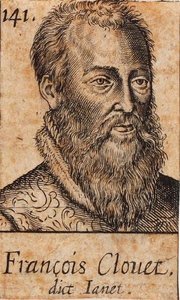
François Clouet
1510 - 1572 , Frankrig
Hurtige fakta
- Artistic Movement Or Style: Renaissance portrætter
- Artists Or Movements Influenced By This Artist: ['Franske kunstnere']
- Artists Who Influenced This Artist:
- Jean Clouet
- Leonardo da Vinci
- Date Of Birth: c. 1510
- Date Of Death: 1572
- Full Name: François Clouet
- Nationality: Fransk
- Notable Artworks:
- Elisabeth af Østrig
- Marguerite af Frankrig
- Charles IX
- Place Of Birth: Tours, Frankrig
Relaterede artikler

Goyas Mesterværker: Top 25 Kunstværker fra den Spanske Sjæl – OriginalUniqueArt.com
Oplev Francisco Goyas 25 mest ikoniske kunstværker. Fra portrætter til 'De Sorte Malerier' – dyk ned i den spanske romantiks sjæl og Goyas teknikker. Find museumskvalitets reproduktioner & inspiration til din indretning på OriginalUniqueArt.com.

Om os
Opdag vores historie! Vi bringer kunst i verdensklasse ind i dit liv gennem ekspertudvalg, skræddersyede kreationer og gratis forhåndsvisninger. Godkendt af private og virksomheder siden år 2000.

Maurice Quentin de La Tour: Light, Shadow & the Rococo Portrait
Explore the captivating world of Maurice Quentin de La Tour, a master of Rococo portraiture. Discover his innovative pastel techniques, intimate depictions of French aristocracy, and lasting artistic legacy. Learn more at OriginalUniqueArt.
Rafael de Penagos: A Study in Spanish Portraiture & Artistic Identity
Explore the life & art of Rafael de Penagos, a leading Spanish Art Deco illustrator. Discover his iconic 'Penagos Woman', commercial work, and lasting legacy. Learn about this pivotal figure in 20th-century Spanish art history.

The Enduring Legacy of Formal Portraiture: Power, Identity & Artistic Exploration
Explore the rich history of formal portraiture & its enduring power to capture identity and shape perception. Discover investment-worthy artworks, expert appraisals, and custom reproduction services at OriginalUniqueArt.

