
 Se i rummet
 Del som kort
 Del
Del
 Detaljer
 Guide
Guide

 Download
 Lignende værker
 Røntgenundersøgelse
 Diasshow
 Q&A
Q&A Statistikker
The Love Letter

- 81.0 x 75.0 cm


 Vis mere
Giclée / Kunsttryk
Giclée- eller lærredstryk i museumskvalitet med hurtig produktion og fleksible muligheder for finish. ( Køb håndmalet maleri Skift til digitalt billede)




P118B Dkr10

P118H Dkr10

P118W Dkr10

P438Z Dkr10

P508JH Dkr12

P508YH Dkr12

P805H Dkr10

P805Z Dkr10

P919BZ Dkr10

P919G Dkr10

P919XJ Dkr10

P959ZH Dkr10

P968JZ Dkr12

W106C Dkr8

W218G Dkr10

W218JH Dkr8

W218Y Dkr10

W307PJ Dkr10

W316G Dkr10

W316PJ Dkr8

W316Y Dkr10

W398PJ Dkr8

W4111J Dkr10

W500HY Dkr15

W500JH Dkr15

W692G Dkr12

W849H Dkr8

W940BG Dkr15

W953PJ Dkr8




Vælg mellem vores forudindstillede størrelser, der matcher kunstværkets originale proportioner.

Indtast den bredde og højde, du har brug for, så det passer til din ramme eller din væg. Et print kan kun beskæres, aldrig gøres større end selve billedet, så en størrelse med et andet format vil medføre, at dele af motivet går tabt. Vi sender dig en digital mockup til godkendelse, før vi printer noget. Billedet vist på denne side viser ikke den faktiske beskæring — det er kun mockuppen, der gør.
Verdensomspændende levering () på 2 uger i stedet for de sædvanlige 4/5 uger. (1 november)

Gratis ekspresforsendelse til hele verden

Lærred af linned i høj kvalitet

Fuld transportforsikring

Garanti for refusion af told og importafgifter

Garanti for præcis farvegengivelse

100 dages returret ved fabrikationsfejl

100% fuld returret

Mængderabat ved flere køb
 Glasmulighed er kun tilgængelig i størrelser under 110 cm

The Love Letter
Giclée / Kunsttryk
Størrelse på reproduktion
-


Samlet pris
Dkr 538
The Enigmatic Embrace: Deconstructing "The Love Letter" by François Boucher
François Boucher’s “The Love Letter,” painted in 1750 for the discerning marquise de Pompadour, is more than a charming pastoral scene; it's a meticulously crafted embodiment of Rococo ideals – a delicate dance between sensuality, allegory, and aristocratic leisure. The painting captures a moment of quiet intimacy within a verdant forest setting, depicting two young women seated on the ground, lost in conversation amidst scattered sheep, creating an atmosphere of serene beauty and subtle intrigue. Boucher masterfully employs a palette of soft pastels – blush pinks, pale blues, and creamy greens – to evoke a sense of ethereal light and dreamlike tranquility. The figures themselves are rendered with exquisite detail, their clothing flowing and luxurious, hinting at the wealth and privilege of their world. The sheep, strategically placed throughout the composition, serve not merely as decorative elements but also as symbols of innocence and pastoral virtue, anchoring the scene within a traditional Arcadia – an idealized realm of shepherds and shepherdesses.
Rococo Refinement: Boucher’s Artistic Language
Boucher was a pivotal figure in establishing the Rococo style, characterized by its emphasis on ornamentation, grace, and playful eroticism. Unlike the grand narratives of his predecessors, Boucher frequently focused on intimate scenes of courtship and leisure, often populated with idealized figures and fantastical elements. “The Love Letter” exemplifies this approach perfectly. The composition is carefully balanced, utilizing a pyramidal structure to draw the eye towards the central figures. Boucher’s brushwork is remarkably smooth and fluid, creating an illusion of depth and movement. He expertly utilizes *sfumato*, a technique borrowed from Leonardo da Vinci, to soften edges and create a hazy atmosphere, contributing to the painting's overall sense of dreaminess. The meticulous rendering of fabrics – the satin gowns, the delicate lace collars – demonstrates Boucher’s exceptional skill in depicting textures and materials, adding layers of visual richness to the scene.
A Marquise’s Secret: Context and Patronage
The painting's creation was intrinsically linked to the patronage of Madame de Pompadour, Louis XV’s influential mistress. She was a passionate art collector and a significant force in shaping the artistic landscape of France during the 18th century. Boucher, as her favored artist, received considerable commissions from her, often tasked with creating decorative panels for her lavish residences, particularly at Bellevue. “The Love Letter” was originally intended to adorn an *chambre doré* (gilded room) within this estate, a space designed to evoke the beauty and tranquility of the countryside. The painting’s intimate setting and subtle eroticism were likely chosen to reflect Pompadour's own sophisticated tastes and her desire for a private sanctuary away from the pressures of court life. The inclusion of the messenger, holding a letter, immediately establishes a narrative of romantic correspondence and secret affections – themes that resonated deeply with the marquise’s personal life.
Symbolism and Emotional Resonance
Beyond its surface beauty, “The Love Letter” is rich in symbolic meaning. The two women represent an idealized vision of feminine companionship and mutual affection. Their relaxed posture and engaged gazes suggest a deep connection and shared understanding. The forest setting itself symbolizes fertility, abundance, and the restorative power of nature. The scattered sheep further reinforce this association with pastoral innocence and tranquility. However, there’s also a subtle undercurrent of melancholy – a hint that this idyllic scene is fleeting and ephemeral. Boucher masterfully captures a moment of suspended time, inviting viewers to contemplate the complexities of love, desire, and the passage of time. The painting's enduring appeal lies in its ability to evoke a sense of nostalgia for a bygone era—a world of refined elegance, secret passions, and timeless beauty.
This reproduction offers an exceptional opportunity to bring Boucher’s masterpiece into your home or office, capturing the essence of Rococo artistry with stunning detail and vibrant color. It's more than just a painting; it’s a portal to a world of refined pleasure and romantic intrigue.
Spørgsmål og svar
Hvilken stemning ville "The Love Letter" bringe til et rum?
Med sin Romantic stemning foreslås "The Love Letter" til et Hotel Lobby.
Er "The Love Letter" af François Boucher et lyst eller et mørkt kunstværk?
"The Love Letter" har en overordnet lysstyrke på deep_shadow, og dens luminans er Dark.
Hvilken farve dominerer kompositionen i "The Love Letter" af François Boucher?
Den farve, der træder tydeligst frem i "The Love Letter", er Black (#100e0e). Den dominerende farve er nyttig, når man skal matche et kunstværk med en indretning.
Kunstnerbiografi
François Boucher: En Rokokoets Elegance og Forførelse
François Boucher (1703-1770) er en af de mest markante figurer i det 18. århundredes franske kunst, kendt som en af de mest fremragende malere fra Rococo-æraen. Hans værker fanger den elegance, sensualitet og legende ånd, der definerede denne indflydelsesrige stil – et billede af en tid præget af overdådighed og raffinerede sanser.
Tidlig Liv og Uddannelse
Født den 29. september 1703 i Paris, Frankrig, begyndte François Bouchers kunstneriske rejse under vejledning af sin far, Jean Boucher, en maler selv. Ved kun 17 års alderen fangede han opmærksomheden hos François Lemoyne, hvilket førte til et kort, men betydningsfuldt lærlingskab. Han finpudsede derefter sine færdigheder under graveren Jean-François Cars, inden han opnåede en bemærkelsesværdig milepæl: at vinde det prestigefyldte Grand Prix de Rome i 1720. Denne pris åbnede døre til et studieophold i Rom, hvor han blev udsat for den italienske barokkunst og dens indflydelse på hans egen stil.
Opstigning til Prominens og Kunstnerisk Udvikling
Bouchers tid i Italien efter sin sejr ved Grand Prix var afgørende. Ved hjemkomsten til Frankrig blev han optaget i Académie Royale de Peinture et Sculpture i 1731. Hans *morceau de réception*, “Rinaldo og Armida” (1734), etablerede ham straks som en mester i Rococo-stilen. Denne periode var præget af hans kunstneriske stemmes fulde fremtræden, karakteriseret ved delikat pensling, pastelfarver og en betoning på mytologi og pastorale temaer – verdener fyldt med idyl og fortryllelse.
Nøgleværker og Temaer
Bouchers oeuvre er bemærkelsesværdigt mangfoldig, der spænder over mytologi, portrætter, genrebilleder og dekorative kunstformer. Nogle af hans mest berømte værker omfatter:
- “Frokosten” (1739): En charmerende scene fra hverdagen, der viser hans kone og børn i et idyllisk landskab – et billede af familiens hygge og skønhed.
- “Venus triumf” (1740-1751): En række malerier, der demonstrerer Bouchers mesterskab inden for mytologiske fortællinger, hvor gudinden Venus med sin flåde sejler gennem havet i en overdådig båd.
- Talrige portrætter af Madame de Pompadour, den indflydelsesrige frue til kong Louis XV, der cementerede hans position ved hoffet – et symbol på magt og elegance.
- Landskabsmalerier som “Solnedgangen”, der viser en lyrisk og idyllisk vision af naturen, ofte præget af en rolig og betagende skønhed.
Gentagne temaer i Bouchers arbejde omfatter kærlighed, skønhed, luksus og den idealiserede verden af mytologi. Hans malerier fremkalder ofte en følelse af legende erotik og raffineret elegance – et billede af en tid, hvor fornøjelse og kunst var tæt forbundet.
Indflydelse og Arv
Bouchers indflydelse spredte sig langt ud over maleriet. Han designede kostumer og kulisser til teatret, skabte tapetseri for Beauvais-værkstederne og samarbejdede med Gobelins manufaktur. Hans udnævnelse som *Premier Peintre du Roi* i 1765 cementerede hans status som kunstneren i det franske Rococo. Han var ikke blot en maler, men en sammensætter af æstetik, der påvirkede alle aspekter af den franske hofkultur.
Selvom senere kritikere betvivlede den tilsyneladende overfladiske karakter af Rococo-kunsten, er Bouchers indflydelse uomtvistelig. Han inspirerede kunstnere som Jean-Honoré Fragonard og bidrog væsentligt til udviklingen af Neoklassicismen gennem sine elever.
Historisk Betydning
François Bouchers arbejde giver et værdifuldt vindue ind i smagene og værdierne i det 18. århundredes franske samfund. Hans malerier afspejler den aristokratiske kultur af tiden, karakteriseret ved luksus, raffinement og en stræben efter fornøjelse. Han er fortsat en betydningsfuld figur i kunsthistorien, fejret for sin tekniske dygtighed, kunstneriske innovation og varige bidrag til Rococo-stilen.

François Boucher
1703 - 1770 , Frankrig
Kort om kunstneren
- Artistic Movement Or Style: Rokoko
- Artists Or Movements Influenced By This Artist:
- Jean-Honoré Fragonard
- Neoklassisk kunst
- Artists Who Influenced This Artist:
- François Lemoyne
- Jean-François Cars
- Date Of Birth: 29. september 1703
- Date Of Death: 30. maj 1770
- Full Name: François Boucher
- Nationality: Fransk
- Notable Artworks:
- Rinaldo og Armida
- Frokost under jagten
- Venus triumf
- Madame Boucher
- Place Of Birth: Paris, Frankrig
Relaterede artikler

The Allure of Elegance in Art: A Historical & Aesthetic Exploration of Refinement & Grace
Explore the exquisite world of Rococo art! Discover its history, masters (Watteau, Boucher & more), and defining elegance. Expert insights for collectors seeking museum-quality reproductions & custom portraits.

The Rococo Aesthetic: Opulence, Rebellion & the Pursuit of Pleasure in 18th-Century Art
Explore the opulent world of Rococo art! Discover its origins, key artists like Watteau & Boucher, and lasting influence on design. Expert insights for collectors & enthusiasts.
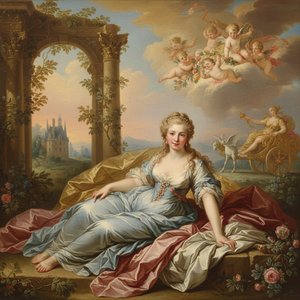
François Boucher: Rococo Master of Myth, Sensuality, and the French Court
Explore the captivating world of François Boucher, master of Rococo painting! Discover his iconic works, aristocratic patronage, and lasting influence on French art history. Learn more at OriginalUniqueArt.

Rokokomaleriet: Top 10 Mesterværker der Definerede Epoken | OriginalUniqueArt.dk
Oplev Rokoko kunstens pragt! Dyk ned i 10 mesterværker fra Boucher, Watteau og Fragonard. Historier, teknikker & inspiration til dit hjem. Find museumskvalitets reproduktioner på OriginalUniqueArt.com
The Rococo Style: Aristocratic Leisure & the Pursuit of Delight in 18th-Century Art
Explore the opulent world of Rococo art! Discover Watteau, Boucher & Nattier's masterpieces. Expert insights for collectors seeking museum-quality reproductions and custom portraits at OriginalUniqueArt.

