Early Renaissance · 1442
The Annunciation (Fra Angelico, 1442)
Fra Angelico (1395–1455) har skabt The Annunciation. Det er fra 1442. Det tilhører Early Renaissance-bevægelsen. Den er udført i Fresco. Det opbevares på Convent of San Marco i Firenze, Italien. Målene er 230 × 321 cm.
- 1442
- Fresco
- 230 × 321 cm
- Convent of San Marco, Firenze

 Håndmalet oliemalerie
 Del som kort
 Del
 Guide


 Download
 Lignende værker
 Diasshow
 Spørgsmål og svar

 Statistikker
The Annunciation: det vigtigste
- Titel
- The Annunciation
- Kunstner
- Fra Angelico (1395–1455)
- Kunstner født i
- Vicchio, Italien
- Dato
- 1442
- Medium
- Fresco
- Dimensioner
- 230 × 321 cm
- Hvor det kan ses
- Convent of San Marco, Firenze, Italien
- Bevægelse
- Early Renaissance
- Periode
- Renaissance
- Motiv
- annunciation, mary, gabriel, angel, fresco, medieval
Hvad forestiller The Annunciation?
A Moment of Divine Revelation: Fra Angelico’s “The Annunciation”
Fra Angelico's "The Annunciation," painted in 1442, is more than just a depiction of a pivotal biblical event; it’s an immersion into a realm of serene spirituality and exquisite detail. This fresco, housed within the walls of a Dominican monastery (though its exact location has shifted over time), captures the profound moment when the Archangel Gabriel announces to Mary that she will conceive and bear the son of God. The painting immediately draws the viewer in with its carefully orchestrated composition – a sense of quiet grandeur achieved through the strategic placement of arches, benches, and the central figures themselves.
The scene unfolds within a room bathed in a soft, diffused light, characteristic of Fra Angelico’s signature style. Earth tones dominate the palette—ochres, siennas, and umbers—creating an aged, almost timeless quality that speaks to the enduring nature of faith. This deliberate use of color isn't merely decorative; it evokes the atmosphere of a monastic setting, reflecting the contemplative life of the Dominican order. Notice how the artist masterfully employs *sfumato*, a technique borrowed from Leonardo da Vinci, softening edges and creating an ethereal haze that contributes to the overall sense of otherworldly beauty.
The Dance of Figures: Composition and Symbolism
At the heart of the composition are Mary and Gabriel. Mary, kneeling in humble reverence, gazes upwards with a mixture of surprise and acceptance. Her posture is graceful yet grounded, embodying both vulnerability and strength. The angel, rendered with delicate wings outstretched, presents the news with an air of solemnity and divine authority. The subtle shift in their gestures—Mary’s downward tilt of her head versus Gabriel's raised hand—creates a dynamic interplay between them, illustrating the exchange of this momentous revelation.
Beyond the central figures, details abound that enrich the narrative. The two benches flanking the scene aren’t merely architectural elements; they represent the earthly realm and the setting for this divine encounter. The presence of a third figure, partially obscured within the architecture – often interpreted as John the Baptist or even an attendant – adds to the sense of a sacred space unfolding before our eyes. The lilies held by Gabriel are a potent symbol of purity and virginity, directly referencing Mary’s role in salvation history.
A Masterclass in Early Renaissance Technique
Fra Angelico's skill as a painter is immediately apparent in the meticulous detail of "The Annunciation." He was renowned for his painstaking preparation – often sketching numerous studies before committing to fresco. This dedication is evident in the rendering of Mary’s garments, the folds of her veil, and the intricate details of Gabriel’s wings. The artist's use of *tempera* on gesso—a technique common at the time—allowed for layering colors and achieving remarkable luminosity.
- Layered Fresco Technique: Fra Angelico employed a meticulous process, starting with a rough ground (gesso) and building up layers of color to create depth and vibrancy.
- Sfumato Effect: The subtle blurring of lines and edges, particularly around the figures’ faces, contributes to the painting's ethereal quality.
- Symbolic Color Palette: The earth tones evoke a sense of monastic austerity and spiritual contemplation.
Emotional Resonance and Timeless Beauty
"The Annunciation" transcends its biblical subject matter, offering a profound meditation on faith, humility, and divine grace. It’s a painting that invites quiet reflection, prompting viewers to consider the transformative power of belief. Fra Angelico's ability to capture such intense emotion with such understated elegance is what secures this work’s place as one of the most beloved and enduring images of the Early Renaissance. OriginalUniqueArt offers exceptional reproductions of this masterpiece, allowing you to bring its serene beauty into your home or office – a testament to the timeless artistry of Fra Angelico.
Hvilket museum udstiller The Annunciation?
Convent of San Marco
Firenze, Italien
Et fristed for tro og kunst San Marco-klosteret står som et enestående vidnesbyrd om Firenzes kunstneriske arv – et sted, hvor renæssancens ånd flettes sammen med dyb religiøs hengivenhed. Mere end blot at huse mesterværker, tilbyder klosteret en fordybende rejse tilbage til det femtende århundrede, som inviterer besøgende til at betragte eftermælet fra Fra Angelico og Girolamo Savonarola inden for murene af et smukt bevaret dominikanerkloster. Oprindeligt grundlagt som et vallombrosiansk kloster i det trettende århundrede, begyndte San Marcos transformation til et levende centrum for humanistisk tankegang og kunstnerisk innovation med Cosimo de' Medicis mæcenatvirksomhed – et afgørende øjeblik, der sikrede ankomsten af en reformeret dominikanerorden og indledte en æra af uovertruffen kreativitet.


The Annunciation i høj opløsning

Public domain: kunstneren døde i 1455.
Flere størrelser, beskæringer og kildehenvisning →Fra Angelico, The Annunciation (1442), Convent of San Marco. Public domain
Spørgsmål om The Annunciation
Hvilket museum udstiller det originale "The Annunciation"?
Originalen af "The Annunciation" af Fra Angelico opbevares på Convent of San Marco, Firenze, Italien. En reproduktion gør det muligt at udstille værket i hjemmet.
Hvornår blev "The Annunciation" skabt?
"The Annunciation" stammer fra 1442. Datoen placerer værket i Fra Angelico's karriere og dets tidsalder.
Hvilken teknik er "The Annunciation" udført med?
"The Annunciation" af Fra Angelico er udført i Fresco. Reproduktionerne har til formål at gengive denne tekniks visuelle udtryk.
Hvad er målene på det originale værk "The Annunciation"?
"The Annunciation" måler 230 x 321 cm i sin oprindelige form. De originale dimensioner er en nyttig reference, når du skal vælge størrelsen på en reproduktion.
Hvad forestiller "The Annunciation" af Fra Angelico?
"The Annunciation" af Fra Angelico forestiller: annunciation, mary, gabriel, angel, fresco, medieval, spirituality, tuscan.
Er "The Annunciation" af Fra Angelico i det offentlige domæne?
"The Annunciation" af Fra Angelico er i det offentlige domæne – ophavsretten er udløbet. Denne status bestemmer, hvordan billedet af værket må reproduceres.
Hvem har skabt "The Annunciation"?
"The Annunciation" blev skabt af Fra Angelico. Informationen på denne side beskriver Fra Angelicos originale værk.
Hvilken stilart tilhører "The Annunciation"?
"The Annunciation" af Fra Angelico tilhører Early Renaissance-bevægelsen. Denne bevægelse giver den stilistiske kontekst for værket.
Hvilken periode i Fra Angelicos karriere tilhører "The Annunciation"?
Inden for Fra Angelicos karriere tilhører "The Annunciation" perioden Early Renaissance, hvilket gør det muligt at sammenligne værket med kunstnerens øvrige værker.
Om kunstneren, Fra Angelico
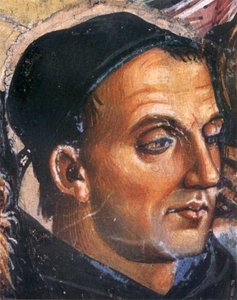
1395–1455, Italien
Fra Angelico
Tidligt liv og åndelig dannelse Født som Guido di Pietro i Mugello, begyndte manden, der senere skulle blive kendt som Fra Angelico, sit liv i de toscanske bakker nær Firenze. Omkring år 1395 var han kendt som Giovanni da Fiesole. Hans tidlige år blev formet af dette regions rolige og fredfyldte landskab. Til sidst trådte den unge Giovanni ind i Dominikanerordenen i Fiesole, et valg der førte ham væk fra lægmandslivet og ind i klosterets disciplinerede og kontemplative verden.
Også af Fra Angelico
 Forkyndelsen1430
 Madonna med barnet, helgener og korsfæstelsen
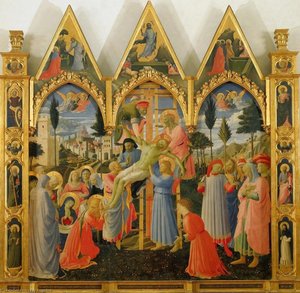 Deposition fra korsen
 Sidste Dom1431
Essays om The Annunciation
 Divine Beauty: The 25 Most Iconic Masterpieces by Fra AngelicoJourney through the divine beauty of Fra Angelico's finest works. Explore 25 iconic Renaissance masterpieces, from ethereal frescoes to sac…
 The Enduring Legacy of Fresco: Technique, History & Artistic ExpressionExplore the rich history & enduring artistry of fresco painting. Discover techniques from Giotto to Michelangelo, conservation efforts, & m…
 Sacred Narratives: Decoding the Iconography and Artistry of the AnnunciationExplore the profound symbolism and mastery behind Renaissance Annunciation paintings. Discover the secrets of these sacred masterpieces now.