Se i fuld skala
 Del
Del Del
Del
 Detaljer

 Download
 Lignende værker
 Røntgenundersøgelse
 Diasshow
Annunciation
 Oil On Canvas
- WallArt
- Early Renaissance
 1445
1445 175.0 x 183.0 cm
 San Lorenzo (Florence)
 Se mere
Giclée / Kunsttryk
Giclée- eller lærredstryk i museumskvalitet med hurtig produktion og fleksible muligheder for finish. ( Køb håndlavet maleri Køb billede)




P118B $10

P118H $10

P118W $10

P438Z $10

P508JH $12

P508YH $12

P805H $10

P805Z $10

P919BZ $10

P919G $10

P919XJ $10

P959ZH $10

P968JZ $12

W106C $8

W218G $10

W218JH $8

W218Y $10

W307PJ $10

W316G $10

W316PJ $8

W316Y $10

W398PJ $8

W4111J $10

W500HY $15

W500JH $15

W692G $12

W849H $8

W940BG $15

W953PJ $8




Vælg mellem vores forudindstillede størrelser, der matcher kunstværkets originale proportioner.

Du kan indtaste dine egne mål for at passe til en specifik ramme eller et bestemt område. Hvis den valgte størrelse ikke stemmer overens med det originale billedes proportioner, vil vi enten beskære kunstværket eller udvide billedet med en spejlet eller ensfarvet kant. En digital mockup vil blive sendt til din godkendelse, før produktionen påbegyndes.
Bemærk venligst, at forhåndsvisningen på skærmen ikke afspejler den faktiske beskæring eller udvidelse. Kun mockuppen vil nøjagtigt vise den endelige komposition.
Selvom specialmål er tilgængelige, anbefaler vi at vælge et mål fra den foruddefinerede liste for at bevare de originale proportioner.
Verdensomspændende levering () på 2 uger i stedet for de sædvanlige 4/5 uger. (22 august)

Gratis ekspresforsendelse til hele verden

Lærred af linned i høj kvalitet

Fuld transportforsikring

Garanti for refusion af told og importafgifter

Garanti for præcis farvegengivelse

60 dages returret (kun ved fabrikationsfejl)

100% Tilfredshedsgaranti

Mængderabat tilgængelig
 Glasmulighed er kun tilgængelig i størrelser under 110 cm

Annunciation
Giclée / Kunsttryk
Størrelse på reproduktion
-


Samlet pris
$ 81
Beskrivelse af samlerobjektet
The Annunciation: A Florentine Prayer in Paint
Filippo Lippi’s “Annunciation,” painted around 1445 during his formative years in Florence, is more than just a depiction of a pivotal biblical moment; it's a profound meditation on faith, grace, and the transformative power of divine revelation. This masterpiece, now housed within the National Gallery in London, offers a glimpse into the burgeoning Renaissance spirit – a time when artists were not merely replicating religious narratives but striving to imbue them with a deeply human sensibility. The painting’s enduring appeal lies not just in its technical brilliance, but also in its ability to evoke a sense of quiet reverence and profound emotional connection.
Lippi's early style is strikingly reminiscent of Masaccio, the revolutionary artist who had recently transformed the Florentine art scene with his groundbreaking use of perspective and realism. However, Lippi quickly developed his own distinctive voice, characterized by a lyrical quality and an exquisite attention to detail. The composition itself is carefully orchestrated: the figures are arranged in a shallow space, creating a sense of intimacy and immediacy. Gabriel, rendered with a dignified solemnity, kneels before Mary, his face tilted in earnest as he delivers the momentous news. The vibrant colors – rich blues, reds, and golds – contribute to the painting’s luminous quality, while the delicate brushwork suggests a mastery of tempera on wood, a technique favored by Lippi for its ability to achieve both brilliance and subtlety.
A Dialogue of Light and Shadow
The heart of the Annunciation lies in the interplay of light and shadow. God’s hand, depicted as a radiant golden form emerging from a cloud, casts a gentle illumination upon Mary's face, signifying her acceptance of God’s grace. This divine light contrasts sharply with the darker tones that envelop the surrounding figures, creating a sense of mystery and reverence. The use of *chiaroscuro*, a technique perfected by Renaissance artists, adds depth and drama to the scene, drawing the viewer’s eye towards the central figures and emphasizing their spiritual significance. Notice how Lippi uses subtle gradations of color to model the drapery, creating a sense of volume and texture that brings the figures to life.
Symbolism is woven throughout the painting with meticulous care. The dove, representing the Holy Spirit, ascends towards Mary’s womb, signifying the miraculous conception of Jesus. The book Gabriel holds represents divine revelation, while the lilies – a traditional symbol of purity – adorn Mary's robes. Even the architectural details—the simple, elegant arches and columns—contribute to the painting’s overall sense of harmony and spiritual elevation. The inclusion of the angel’s peacock feathers is particularly striking; the bird’s iridescent plumage symbolizes Gabriel’s heavenly status and his role as a messenger of God.
A Window into Renaissance Florence
“Annunciation” was originally commissioned for the Medici family, specifically intended to hang above a doorway in their grand villa. This context is crucial to understanding the painting's significance. The Medici were powerful patrons of the arts, and their commissions played a vital role in shaping the artistic landscape of Renaissance Florence. Lippi’s work reflects both the religious fervor of the time and the growing interest in classical antiquity that characterized the era. The composition echoes the traditional iconography of the Annunciation, but it also demonstrates Lippi's own innovative approach to depicting biblical narratives.
Beyond its artistic merits, “Annunciation” offers a poignant glimpse into the life of Filippo Lippi himself. A complex and often troubled figure—a Carmelite monk who later became an illegitimate father and a notorious forger—Lippi’s art reveals both his spiritual devotion and his worldly struggles. The painting serves as a testament to his extraordinary talent, but also as a reminder of the contradictions inherent in human nature. It is a work that invites contemplation not only on the mysteries of faith but also on the complexities of the human condition.
A Timeless Masterpiece
Today, “Annunciation” remains one of Lippi’s most celebrated works, admired for its exquisite beauty and profound spiritual depth. Its enduring appeal lies in its ability to transcend time and connect with viewers across generations. Whether viewed in person or reproduced as a high-quality print, this painting continues to inspire awe and wonder. It is a powerful reminder of the transformative power of art—its capacity to illuminate our souls and deepen our understanding of the world around us.
Kunstnerens biografi
Filippo Lippi: En Rebel og Kunstens Poet
Filippo di Tommaso Lippi, bedre kendt som Fra Filippo Lippi, var en mand hvis liv var lige så komplekst og fascinerende som hans kunst. Han var ikke blot en dygtig maler i den tidlige renæssance, men også en figur præget af kontrovers, passion og et mod til at bryde med traditionerne. Født i Firenze omkring 1406, var Lippi allerede fra en ung alder omgivet af tab – hans forældre døde kort efter fødslen, og han blev vokset op under sin aunts pleje. Denne tidlige oplevelse af ensomhed og usikkerhed synes at have haft en dybtgående indflydelse på hans liv og kunstneriske udtryk.Fra Klosterets Mure til Firenze’s Palads
Lippis rejse begyndte i det florentinske karmeliterkloster, hvor han blev optaget som munk i 1420. Det var her, i de stille, religiøse omgivelser, at hans talent for maleri først blomstrede. Han lærte af Masaccio, en revolutionerende kunstner der havde skabt et nyt billede af perspektiv og lys, og denne indflydelse er tydeligt synlig i Lippi’s tidlige værker, som *Tarquinia Madonna*. Men Lippi var ikke blot en kopi af Masaccio; han udviklede hurtigt sin egen unikke stil – en stil kendetegnet ved en poetisk elegance, delikate farver og en dyb følelsesmæssig intensitet. Han begyndte at skildre religiøse scener med et menneskeligt element, der var sjældent set i den tidlige renæssance.En Kontroversiel Livsstil
Lippis liv var langt fra det idylliske billede af en munk. Han blev involveret i utallige juridiske problemer, økonomiske vanskeligheder og, mest sensationelt, et forhold til Lucrezia Buti, en nonne fra Prato. Efter år med skandaler og modstand giftede han sig med hende, hvilket var en dybt chokerende handling for tiden. Denne livsstil, præget af både begær og religiøs tvivl, er et fascinerende eksempel på en mand der forsøgte at finde balance mellem sin pligt som munk og sine menneskelige ønsker.Mesterværker og Indflydelse
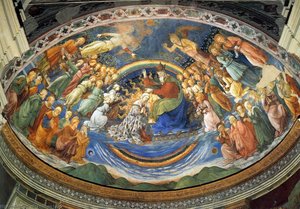
På trods af sine mange problemer var Lippi en af de mest eftertragtede malere i Firenze. Han modtog kommissioner fra magtfulde familier, herunder Medici-familien, og skabte værker som *Annunciationen* og *Sankt Johannes Døberen med seks andre helgener*. Hans *Kongekroningen*, udført i 1441 for nonnerne i Sant’Ambrogio, er særligt bemærkelsesværdig – den indeholder et selvportræt, der viser Lippi som en mand der står stærkt og bevidst om sin egen kunstneriske identitet. Han var også en væsentlig mentor for andre store kunstnere, herunder Sandro Botticelli og Francesco di Pesello (Pesellino), der videreførte hans stil og teknik til deres egne værker.Et Poetisk Arv
Filippo Lippi døde i Spoleto i 1469, men hans arv lever videre. Hans kunst er kendt for sin lyriske skønhed, sine levende farver og sin evne til at fange menneskelige følelser på en unik måde. Han var en mand der levede livet fuldt ud – med alle dets glæder og sorger – og hans kunst er et vidnesbyrd om denne komplekse og fascinerende personlighed. Lippi repræsenterer en bro mellem den tidlige renæssances naturalisme og den senere, mere raffineret æstetik, og han vil altid blive husket som en af de mest originale og inspirerende kunstnere fra sin tid.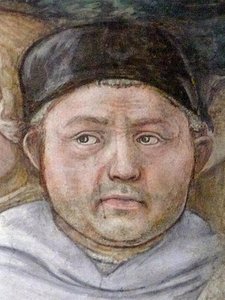
Filippo Lippi
1406 - 1469 , Italien
Kort om kunstneren
- Artistic Movement Or Style: Tidlig Renæssance
- Artists Or Movements Influenced By This Artist: ['Botticelli']
- Artists Who Influenced This Artist: ['Masaccio']
- Date Of Birth: 1406
- Date Of Death: 1469
- Full Name: Filippo di Tommaso Lippi
- Nationality: Italiensk
- Notable Artworks:
- Tarquinia Madonna
- Annunciatio
- Kongevietelse
- Place Of Birth: Firenze, Italien
Relaterede artikler

Dante Gabriel Rossettis 25 Mesterværker: Skønhed, Symbolik & Kunst til Dit Hjem
Oplev Dante Gabriel Rossettis 25 mest ikoniske værker! Fordyb dig i romantikkens symbolik og prærafaelitternes skønhed. Find museumskvalitets kunsttryk & inspiration til dit hjem på OriginalUniqueArt.com.

Celestial Messengers: Angels in Painting – A Historical & Artistic Exploration
Explore the captivating history of angels in painting! Discover symbolism, iconic Renaissance & Byzantine masterpieces, and renowned artists. Expert insights for art lovers & collectors at OriginalUniqueArt.

Celestial Messengers: A Comprehensive Exploration of Angelic Representation in Art History
Explore the captivating history of angels in art! Discover symbolism, iconic Renaissance masterpieces & renowned artists. Expert insights for art lovers & collectors at OriginalUniqueArt.
Divine Messengers: A Curated Guide to the Iconography of Angel Gabriel in Art History
Explore the profound beauty of Angel Gabriel in art history. From Renaissance masterpieces to Baroque splendor, our expert guide delves into the sacred iconography and timeless techniques of these divine messengers for the discerning art enthusiast.
Fra Angelicos 25 Mesterværker: Renæssancekunst til Dit Hjem | OriginalUniqueArt.dk
Oplev Fra Angelicos 25 mest ikoniske renæssancemalerier. Fordyb dig i historien bag disse religiøse mesterværker, fresker og altertavler. Find inspiration til din indretning & køb museumskvalitets reproduktioner på OriginalUniqueArt.com.