Geometric Abstraction · 1954
Study for the (Fernand Léger, 1954)
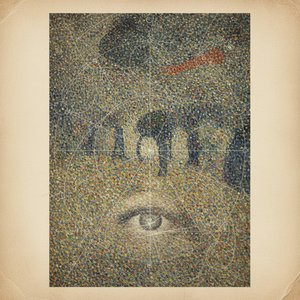
Fernand Léger (1881–1955) har skabt Study for the . Det er fra 1954. Det tilhører Geometric Abstraction-bevægelsen. Den er udført i Acrylic On Canvas. Det opbevares på Museu do Caramulo i Caramulo, Portugal. Målene er 38 × 44 cm.
- 1954
- Acrylic On Canvas
- 38 × 44 cm
- Museu do Caramulo

 Se i rummet

 Håndmalet oliemalerie
 Del som kort
 Del
 Faktablad


 Download
 Lignende værker
 Røntgenundersøgelse
 Diasshow
 Spørgsmål og svar

 Statistikker
Study for the kort fortalt
- Titel
- Study for the
- Kunstner
- Fernand Léger (1881–1955)
- Kunstner født i
- Argentan, Frankrig
- Dato
- 1954
- Medium
- Acrylic On Canvas
- Dimensioner
- 38 × 44 cm
- Hvor det kan ses
- Museu do Caramulo, Caramulo, Portugal
- Bevægelse
- Geometric Abstraction
- Motiv
- musical performance, geometric forms, modern landscape, instrument ensemble, urban scene, animal presence
Hvad forestiller Study for the ?
A Symphony of Form and Feeling: Exploring Fernand Léger’s “Study for Breakfast”
Fernand Léger's "Study for Breakfast," completed in 1954, transcends mere representation; it embodies the very spirit of Pointillism—a technique championed by Georges Seurat and embraced wholeheartedly by Léger as a means to convey dynamism and immediacy. This unassuming landscape isn’t simply depicted as it appears before our eyes; instead, Léger meticulously constructs it from countless tiny dots of pigment, creating an illusion of depth and texture that defies conventional painting methods. The resulting image pulsates with energy, mirroring the rhythms of daily life—a quiet morning scene rendered with astonishing precision. It's a masterful demonstration of how abstraction can serve as a conduit for emotion and observation simultaneously.- Style: Pointillism – Léger’s signature style prioritizes optical mixing over blending pigments on canvas, resulting in vibrant hues that shimmer and shift subtly under the light.
- Technique: Léger employed a painstaking process of applying dots of color—typically yellow, red, and blue—to build up layers of tonal variation. This method demanded immense patience and meticulous attention to detail, reflecting Léger’s unwavering commitment to his artistic vision.
Historical Context: Embracing Modernity Amidst Postwar Uncertainty
Created in the aftermath of World War II, “Study for Breakfast” speaks to a broader cultural preoccupation with rebuilding and redefining beauty after devastation. Léger’s stylistic choices—the geometric abstraction and the deliberate fragmentation of form—were deliberately antithetical to the prevailing artistic trends of his time, signaling a rejection of Impressionism's focus on fleeting sensations and an embrace of the machine age’s influence on visual perception. This bold stance positioned Léger as a pioneer of abstract expressionism, anticipating developments that would reshape the landscape of 20th-century art.Symbolic Resonance: The Quiet Power of Observation
Despite its apparent simplicity, “Study for Breakfast” is laden with symbolic significance. Léger’s use of dots—representing individual particles and conveying movement—suggests a fascination with scientific principles and an attempt to capture the underlying order of nature. The muted palette contributes to a mood of contemplative serenity, inviting viewers to contemplate the beauty found in everyday moments. It's a subtle reminder that even amidst turbulent times, art can offer solace and inspire wonder.Emotional Impact: Capturing Essence Through Precision
Ultimately, Léger’s “Study for Breakfast” succeeds in conveying an emotional resonance far exceeding its visual surface. The artist doesn’t aim to evoke sentimental feelings but rather to distill the essence of a scene—the feeling of warmth, light, and stillness—into a meticulously crafted composition. This achievement underscores Léger's profound understanding of how abstraction can communicate complex ideas and sensations with remarkable effectiveness. It remains an enduring testament to his artistic genius and a captivating example of Pointillist artistry.Hvilket museum udstiller Study for the ?
Museu do Caramulo
Caramulo, Portugal
En symfoni af stål og sjæl Gemt væk i de frodige, bølgende bakker i Serra do Caramulo i det centrale Portugal, fremstår Museu do Caramulo som et åndeløst paradoks; et fristed, hvor maskinteknikkens præcision møder den menneskelige kreativitets dybe resonans. Dette er ikke blot et depot for relikvier, men en levende dialog mellem to tilsyneladende adskilte verdener. Grundlagt af de visionære brødre Abel og João de Lacerda, står museet som et vidnesbyrd om en fælles passion, der nægtede at se grænser mellem motorens brøl og penselstrøgets stille ynde.


Højopløselige billeder af Study for the

Public domain: kunstneren døde i 1955.
Andre størrelser, beskæringer og kildehenvisning →Fernand Léger, Study for the (1954), Museu do Caramulo. Public domain
Farverne er matchet til originalen af en digital ekspert, og filen er finretoucheret og tro mod kunstnerens penselstrøg.
Køb filen i høj opløsningSpørgsmål om Study for the besvaret
Hvor kan man i dag se "Study for the" af Fernand Léger udstillet?
Originalen af "Study for the" af Fernand Léger opbevares på Museu do Caramulo. En reproduktion gør det muligt at udstille værket i hjemmet.
Hvornår blev "Study for the" skabt?
"Study for the" af Fernand Léger er dateret til 1954.
Hvilket medie er "Study for the" af Fernand Léger udført i?
"Study for the" af Fernand Léger er udført i Acrylic On Canvas. Reproduktionerne har til formål at gengive denne tekniks visuelle udtryk.
Hvad er målene på det originale "Study for the" af Fernand Léger?
"Study for the" måler 38 x 44 cm i sin oprindelige form. De originale dimensioner er en nyttig reference, når du skal vælge størrelsen på en reproduktion.
Hvad forestiller "Study for the"?
Motiverne i "Study for the" er musical performance, geometric forms, modern landscape, instrument ensemble, urban scene, animal presence, domestic setting, pointillism technique.
Er "Study for the" fri for ophavsret?
Ophavsretsstatus for "Study for the" af Fernand Léger: værket er i det offentlige domæne – ophavsretten er udløbet. Dette afgør, om der frit må foretages reproduktioner af billedet.
Hvem er kunstneren bag "Study for the"?
"Study for the" tilskrives Fernand Léger.
Hvilken kunstretning tilhører "Study for the" af Fernand Léger?
"Study for the" af Fernand Léger tilhører Geometric Abstraction-bevægelsen. Denne bevægelse giver den stilistiske kontekst for værket.
Hvilken fase af Fernand Légers kunstneriske udvikling repræsenterer "Study for the"?
Inden for Fernand Légers karriere tilhører "Study for the" perioden Mature Period, hvilket gør det muligt at sammenligne værket med kunstnerens øvrige værker.
Om kunstneren, Fernand Léger

1881–1955, Frankrig
Fernand Léger
Fernand Légers liv Historien om Fernand Léger begynder i landsbyen Argentan, beliggende i Orne-regionen i Nedre Normandiet. Han trådte ind i denne verden den 4. februar 1881 som enebarn. Hans tidlige år blev formet af det franske landskabs stilhed og nærværet fra hans mor, Marie-Adèle Daunou.
Også af Fernand Léger
 Byen1919
 Maskinmanden1920
 Tre Kvinder1921
 Natyder i Skoven1910

Essays om Study for the
 Industriens Sjæl i Kunsten: Top 10 Værker til Dit HjemOplev industriens sjæl i kunsten! Udforsk 10 ikoniske værker fra impressionismen til realismen. Find inspiration til dit hjem og køb museum…
 Georges Seurat: Pointillism, Perception & the Scientific Foundations of Modern ArtExplore the revolutionary art of Georges Seurat and the science behind Pointillism. Discover chromoluminarism, optical mixing, and the last…
 Mastering the Machine Age: The Top 25 Fernand Léger ArtworksImmerse yourself in the vibrant world of Fernand Léger. Explore 25 iconic masterpieces of Cubism and Tubism, from bold geometric forms to m…