

 Se i rummet
 Send
Send Del
Del
 Detaljer
 Studieguide til kunstværker

 Download
 Lignende værker
 Røntgenundersøgelse
 Se diasshow
 Statistik
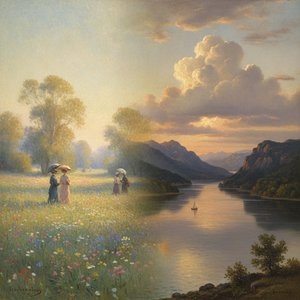
The Seine at Charenton


 Læs mere
Håndlavet oliereproduktion
Håndmalet olie på lærred i din valgte størrelse og ramme, udført efter bestilling af vores kunstnere. ( Skift til printversion Skift til digitalt billede)




P118B Dkr10

P118H Dkr10

P118W Dkr10

P438Z Dkr10

P508JH Dkr12

P508YH Dkr12

P805H Dkr10

P805Z Dkr10

P919BZ Dkr10

P919G Dkr10

P919XJ Dkr10

P959ZH Dkr10

P968JZ Dkr12

W106C Dkr8

W218G Dkr10

W218JH Dkr8

W218Y Dkr10

W307PJ Dkr10

W316G Dkr10

W316PJ Dkr8

W316Y Dkr10

W398PJ Dkr8

W4111J Dkr10

W500HY Dkr15

W500JH Dkr15

W692G Dkr12

W849H Dkr8

W940BG Dkr15

W953PJ Dkr8




Vælg mellem vores forudindstillede størrelser, der matcher kunstværkets originale proportioner.

Indtast den bredde og højde, du har brug for, så det passer til din ramme eller din væg. Da dette er håndmalet, kan kunstneren ved en anden form på størrelsen male lidt mere rundt om billedet eller skære lidt væk — det er op til dig. Vi sender dig et digitalt mockup til godkendelse, før maleriet påbegyndes. Billedet, der vises på denne side, viser ikke det endelige resultat — det er kun mockuppet, der gør.
Efter bestilling vil OriginalUniqueArt.com team sende en e-mail til kunden for at indhente instruktioner og fremsende et udkast til gennemgang.
Levering i hele verden () på 3-4 uger i stedet for de standard 5 uger. (25 oktober). Ingen kompromiser med kvaliteten.

Gratis ekspresforsendelse til hele verden

Lærred af linned i høj kvalitet

Komplet transportforsikring

Garanti for refusion af told og importafgifter

Garanti for autentisk farvegengivelse

100 dages returret ved fabrikationsfejl

100% fuld returret

Mængderabat ved flere køb
 Glasmulighed er kun tilgængelig i størrelser under 110 cm

The Seine at Charenton
Reproduktionsmateriale
Reproduktionsstørrelse
-


Samlet pris
Dkr 1968
A Moment on the Seine: Ferdinand Guillaumin’s “The Seine at Charenton”
Ferdinand Guillaumin's "The Seine at Charenton," painted in 1878, is more than a picturesque depiction of a riverside scene; it’s a shimmering distillation of Impressionist philosophy. This captivating work transports the viewer to a fleeting moment on the banks of the Seine, capturing not just the physical appearance of Charenton but also the very essence of light and atmosphere that defined Guillaumin's artistic vision. The painting immediately draws the eye with its soft, diffused light – a hallmark of Impressionism’s pursuit of capturing transient effects rather than precise representation.
Guillaumin, a key figure within the French Impressionist movement, was deeply influenced by the theories of Eugène Duranty and Claude Monet. He shared their fascination with depicting the ephemeral qualities of nature, particularly the way light transforms surfaces and creates an illusion of movement. Unlike many of his contemporaries who focused on urban scenes, Guillaumin frequently returned to the landscapes of France, meticulously observing and translating the nuances of color and light onto canvas. “The Seine at Charenton” exemplifies this dedication, showcasing a masterful understanding of how atmospheric conditions can dramatically alter the appearance of familiar subjects.
A Symphony of Color and Light
Technically, the painting is executed with loose, visible brushstrokes – a deliberate choice by Guillaumin to prioritize capturing the *impression* of the scene over meticulous detail. The palette is remarkably restrained yet vibrant, dominated by delicate blues, greens, and ochres that evoke the shimmering surface of the Seine and the hazy sky above. Notice how he uses broken color—applying small dabs of paint side-by-side rather than blending them smoothly—to create a sense of luminosity and depth. The reflections on the water are particularly noteworthy, rendered with an almost ethereal quality, suggesting movement and fluidity.
Guillaumin’s technique is closely aligned with Monet's, yet possesses a unique lyricism. While Monet often sought to capture the objective reality of a scene, Guillaumin imbues his landscapes with a palpable sense of emotion and nostalgia. The composition itself contributes to this effect; the figures in the foreground are subtly blurred, suggesting their detachment from the viewer and inviting us to lose ourselves in the beauty of the natural world.
Symbolism and Emotional Resonance
Beyond its technical brilliance, “The Seine at Charenton” is rich in symbolic meaning. The presence of the boats – one a small rowboat and the other a larger vessel – hints at leisure and connection with nature. These figures, though indistinct, represent humanity’s relationship to the river, suggesting both activity and contemplation. The overall mood is serene and contemplative, inviting the viewer to pause and appreciate the simple pleasures of life. It's not merely a depiction of a place; it’s an evocation of a feeling – a sense of tranquility and connection with the natural world.
The choice of Charenton itself holds significance. Located just southeast of Paris, this charming town was already gaining popularity as a resort destination in the late 19th century, attracting artists and intellectuals seeking respite from the bustle of urban life. Guillaumin’s painting captures this atmosphere of relaxed sophistication, reflecting the growing interest in landscape art and the pursuit of beauty in everyday moments.
A Timeless Masterpiece
“The Seine at Charenton” remains a powerful testament to the enduring appeal of Impressionism. Its delicate colors, evocative brushstrokes, and subtle symbolism continue to captivate viewers today. Reproductions of this work offer an exceptional opportunity to bring the beauty of Guillaumin’s vision into any space, creating a focal point that radiates tranquility and invites contemplation. Consider it not just as a painting, but as a portal to a fleeting moment in time – a reminder of the profound beauty found in the simplest of scenes.
Spørgsmål & svar
Hvilken atmosfære ville en reproduktion af "The Seine at Charenton" af Armand Guillaumin tilføre et rum?
Med sin Calm stemning foreslås "The Seine at Charenton" til et Living Room.
Hvor populær er "The Seine at Charenton" inden for Impressionist Landscape?
"The Seine at Charenton" er registreret som Recognized blandt Impressionist Landscape-værkerne i kataloget.
Hvor i Armand Guillaumins karriere placerer "The Seine at Charenton" sig?
Inden for Armand Guillaumins karriere tilhører "The Seine at Charenton" perioden Mature Impressionism. Denne fase gør det muligt at sammenligne værket med kunstnerens øvrige værker.
Om kunstneren
Tidlig Liv og Karriere
Jean-Baptiste Armand Guillaumin, en fransk impressionist maler og litograf, blev født den 16. februar 1841 i Paris. Hans kunstneriske rejse begyndte i midten af det 19. århundrede, en tid hvor impressionismen voksede sig stærkt frem i Frankrig. Guillaumin voks op i et arbejderklassesmilie, søn af Jean Joseph Guillaumin, der var notar, og hans familie flyttede kort efter hans fødsel til Moulins, hvor Armand fik sin første uddannelse. Det var her, omgivet af de smukke landskaber og det bjergrige terræn, at hans interesse for kunst først spirede. Han begyndte sin kunstneriske træning på Accademia Suisse, hvor han studerede modellerne om morgenen og fortsatte med at udvikle sine færdigheder om aftenen. Her mødte han Courbet, og etablerede varige venskaber med malere som Cézanne og Pissarro. Guillaumin blev dybt påvirket af Manets arbejde og den franske realisme.Bidrag til Impressionismen
Guillaumins kunst spilte en væsentlig rolle i udviklingen af impressionismen, bevægelsen der søgte at fange de flygtige indtryk af lys og farve i naturen. Som aktivt medlem af denne gruppe deltog han i flere udstillinger, hvor han præsenterede sin unikke stil. Hans malerier fremstod ofte som drømmende, bløde landskaber, der resonerede med bevægelsens ånd. Guillaumin brugte levende farver og løse penselstrøg til at tilføje spontanitet til impressionismens karakteristiske udtryk. Han var en del af de tidlige Impressionist-udstillinger, hvor han præsenterede sine værker sammen med andre kunstnere. Hans arbejde var kendetegnet ved et forsøg på at fange øjeblikket og atmosfæren i naturen, ofte med fokus på lysets skiftende farver og former.Vigtige Arbejder og Samarbejdere
Guillaumin havde tætte forbindelser til en række andre kunstnere, der var centrale for impressionismen. Hans malerier blev udstillet sammen med værkerne fra Claude Monet, en anden af bevægelsens mest kendte figurer. Guillaumin lærte også af symbolistiske tendenser, som man kan se i hans brug af dristige farver og følelsesladede motiver – et forsøg på at fange mere end blot det ydre udseende. Et vigtigt aspekt af hans kunstneriske udvikling var hans samarbejde med Emile Zola, en kendt forfatter og intellektuel, der var tæt forbundet med impressionistiske kunstnere. Guillaumin solgte også flere af sine værker til sin ven Eugéne Murer, der havde åbnet en succesfuld café i Paris.Arv og Mindesdag
Ferdinand Guillaumin døde den 26. juni 1927, men hans bidrag til impressionismen er fortsat uvurderlige. Hans værker findes i forskellige museer og samlinger, herunder dem, der udstilles på Mount Holyoke College Art Museum i USA og andre ansete institutioner. Hans kunst fortsætter med at inspirere og fascinere kunstinteresserede verden over. Guillaumin er en vigtig figur i den franske kunsthistorie, der bidrog til at forme impressionismens udvikling og skabte et unikt kunstnerisk udtryk.
Armand Guillaumin
1841 - 1927 , Frankrig
Hurtige fakta
- Artistic Movement Or Style: Impressionisme
- Artists Or Movements Influenced By This Artist: ['Claude Monet']
- Artists Who Influenced This Artist:
- Vincent van Gogh
- Paul Cézanne
- Date Of Birth: 16 feb. 1841
- Date Of Death: 26 jun. 1927
- Full Name: Jean Baptiste Armand Guillaumin
- Nationality: Fransk
- Notable Artworks:
- Have i Janville
- Flodscene
- Place Of Birth: Paris, Frankrig
Relaterede artikler
Capturing the Light: A Journey Through the Soul of American Impressionism and the Hudson River School
Explore the luminous beauty of American Impressionism and the Hudson River School. Discover a curated journey through light, landscape, and history, celebrating the enduring legacy of masters through exquisite, hand-painted oil reproductions for the discerning art lover.

Paul Cézannes 25 Mesterværker: En Kunstnerisk Rejse til Moderne Malerkunst | OriginalUniqueArt.dk
Oplev Paul Cézannes 25 mest ikoniske malerier – fra stilleben til landskaber. Lær om impressionismen, hans unikke stil og køb eksklusive kunsttryk på OriginalUniqueArt.dk. Find inspiration til din indretning!

Evocations of Place: A Historical Journey Through Landscape Art
Explore the rich history of landscape art with OriginalUniqueArt. Discover renowned artists, movements like Impressionism & tonalism, and expert guidance for collecting timeless pieces. Find your perfect serene escape today!

Flowing Narratives: Rivers in Painting – A Historical Exploration
Explore the rich history of rivers in painting! Discover masterpieces from ancient times to Impressionism & beyond. Learn about symbolism, artists like Monet & Daubigny, and find your perfect serene artwork at OriginalUniqueArt.

Evocations of Place: A Historical Journey Through Landscape Art
Explore the rich history of landscape art with OriginalUniqueArt. Discover renowned artists, movements like Impressionism & Romanticism, and expert guidance for collecting timeless pieces. Find your perfect serene escape today!