

 Se i rummet
 Del som kort
 Del
Del
 Detaljer
 Guide
Guide

 Download
 Lignende værker
 Røntgenundersøgelse
 Diasshow
 Statistikker
Still Life with Gladioli


 Vis mere
Giclée / Kunsttryk
Giclée- eller lærredstryk i museumskvalitet med hurtig produktion og fleksible muligheder for finish. ( Køb håndmalet maleri Skift til digitalt billede)




P118B Dkr10

P118H Dkr10

P118W Dkr10

P438Z Dkr10

P508JH Dkr12

P508YH Dkr12

P805H Dkr10

P805Z Dkr10

P919BZ Dkr10

P919G Dkr10

P919XJ Dkr10

P959ZH Dkr10

P968JZ Dkr12

W106C Dkr8

W218G Dkr10

W218JH Dkr8

W218Y Dkr10

W307PJ Dkr10

W316G Dkr10

W316PJ Dkr8

W316Y Dkr10

W398PJ Dkr8

W4111J Dkr10

W500HY Dkr15

W500JH Dkr15

W692G Dkr12

W849H Dkr8

W940BG Dkr15

W953PJ Dkr8




Vælg mellem vores forudindstillede størrelser, der matcher kunstværkets originale proportioner.

Indtast den bredde og højde, du har brug for, så det passer til din ramme eller din væg. Et print kan kun beskæres, aldrig gøres større end selve billedet, så en størrelse med et andet format vil medføre, at dele af motivet går tabt. Vi sender dig en digital mockup til godkendelse, før vi printer noget. Billedet vist på denne side viser ikke den faktiske beskæring — det er kun mockuppen, der gør.
Verdensomspændende levering () på 2 uger i stedet for de sædvanlige 4/5 uger. (27 oktober)

Gratis ekspresforsendelse til hele verden

Lærred af linned i høj kvalitet

Fuld transportforsikring

Garanti for refusion af told og importafgifter

Garanti for præcis farvegengivelse

100 dages returret ved fabrikationsfejl

100% fuld returret

Mængderabat ved flere køb
 Glasmulighed er kun tilgængelig i størrelser under 110 cm

Still Life with Gladioli
Giclée / Kunsttryk
Størrelse på reproduktion
-


Samlet pris
Dkr 532
A Moment Frozen in Time: Exploring the Elegance of Vallotton’s Still Life
Félix Vallotton's "Still Life with Gladioli" (1924) isn’t merely a depiction of flowers and a book; it’s a carefully constructed tableau, a distilled essence of late 19th-century Parisian aesthetics. The painting immediately draws the eye into its intimate space – a small, shadowed room dominated by the vibrant hues of gladioli and the rich red of a draped cloth. Vallotton masterfully employs a muted palette, relying on subtle gradations of color and carefully placed highlights to create an atmosphere of quiet contemplation. The composition is deceptively simple: a vase overflowing with pink and crimson blossoms sits atop a table beside a book, yet within this apparent stillness lies a complex interplay of light, shadow, and implied narrative.
Vallotton’s style during this period – often categorized as Nabis or Post-Impressionist – is characterized by an almost photographic realism combined with a deliberate rejection of overt emotionalism. He wasn't interested in grand gestures or dramatic displays; instead, he sought to capture the fleeting beauty of everyday objects and moments with remarkable precision. His technique involved layering thin washes of paint, building up color gradually to achieve a velvety texture and a luminous quality. Notice how the light seems to emanate from an unseen source, bathing the scene in a soft, diffused glow – a hallmark of Vallotton’s approach.
The Fin de Siècle and the Intimate Interior
To understand "Still Life with Gladioli," it's crucial to situate it within the context of the *fin de siècle*—the late 19th century. This was a period of profound social, political, and artistic upheaval in Europe, marked by anxieties about modernity, rapid industrialization, and the decline of traditional values. Artists like Vallotton responded to these uncertainties by turning inward, exploring themes of domesticity, intimacy, and the ephemeral nature of beauty. The painting reflects this trend – a retreat from the external world into the quiet sanctuary of the home.
Vallotton’s fascination with interiors is evident in many of his works during this time, particularly the “Intimités” series. These paintings often depict scenes of domestic life—a couple sharing a meal, a woman reading, or a man and woman engaged in a charged exchange – presented without explicit narrative. The ambiguity invites viewers to project their own interpretations onto the scene, creating a deeply personal connection with the artwork. The inclusion of the book suggests a moment of respite, perhaps a shared intellectual pursuit or a private reflection.
Symbolism and the Language of Flowers
Beyond its formal qualities, "Still Life with Gladioli" is rich in symbolism. The gladioli themselves are potent emblems of remembrance and mourning – their vibrant color often associated with funerals and cemeteries. Their presence here could be interpreted as a subtle acknowledgment of mortality or perhaps a celebration of life’s fleeting beauty. The red cloth, draped over the table, adds to this sense of solemnity, while simultaneously hinting at luxury and indulgence. The muted tones throughout the painting create a feeling of melancholy, suggesting that even in moments of apparent tranquility, there is an underlying current of sadness or longing.
A Legacy of Quiet Elegance
Félix Vallotton’s “Still Life with Gladioli” stands as a testament to his remarkable ability to capture the essence of beauty and emotion within seemingly simple forms. It's a painting that rewards careful observation, inviting viewers to linger over its subtle details and contemplate its layered meanings. Reproductions of this work offer a chance to bring this moment of quiet elegance into your own space, serving as a reminder of the enduring power of art to evoke feeling and inspire reflection. The piece’s continued appeal lies in its ability to resonate with our deepest human experiences – our appreciation for beauty, our awareness of mortality, and our longing for connection.
Spørgsmål og svar
Hvilken farvetone dominerer i "Still Life with Gladioli"?
Den dominerende nuance i "Still Life with Gladioli" af Félix Vallotton er Warm Sunset Tones. Nuancen er den underliggende tone i farvepaletten.
Hvor gammel var Félix Vallotton, da "Still Life with Gladioli" blev skabt?
Da "Still Life with Gladioli" blev skabt i 1924, var Félix Vallotton – født i 1865 – 59 år gammel.
Er "Still Life with Gladioli" af Félix Vallotton et maleri, en tegning eller et tryk?
"Still Life with Gladioli" af Félix Vallotton er klassificeret som WallArt. Kategorien beskriver den type kunstværk, som originalen er.
Kunstnerbiografi
En Liv Bridging Worlds: Félix Vallotton and the Fin de Siècle
Félix Édouard Vallotton, født i Lausanne, Schweiz i 1865, var en kunstner hvis arbejde indfanger den komplekse ånd af *fin de siècle*. Han navigerede en vej mellem sine schweiziske rødder og det pulserende kunstmiljø i Paris, og endte med at blive en central figur i udviklingen af moderne kunst. Hans tidlige liv, dybt forankret i den konservative protestantiske værdier hos sin familie – hans far var apoteker, senere chokoladeproducent – gav et skarpt kontrast til det boheme-liv han ville omfavne som kunstner. Selvom han oprindeligt blev styret mod klassiske studier på Collège Cantonal, brændte Vallottons passion for visuelt udtrykning sig i en rejse til Paris i 1882, hvor han blev optaget på Académie Julian. Dette markerede ikke blot en geografisk flytning, men en dyb psykologisk skift, der kastede ham ind i hjertet af kunstnerisk innovation og intellektuelt ferment.
Hans akademiske uddannelse gav et solidt fundament i teknik, men det var hans møder med fremstormende avantgarde kredse, der virkelig antændte hans kreative vej. Han studerede intensivt Holbein, Ingres og de japanske træsnit – en kunstform han fandt både inspirerende og udfordrende.
Les Nabis og Sproget om Intimitet
Vallottons kunstneriske udvikling tog en afgørende drejning, da han blev associeret med *Les Nabis* – en gruppe unge kunstnere herunder Pierre Bonnard, Édouard Vuillard og Maurice Denis – i 1892. Selvom han ofte blev betragtet som noget af en outsider inden for gruppen, viste hans tilknytning sig at være afgørende for at forme hans distinkte stil. Nabis-gruppen søgte at infundere kunst med en åndelig kvalitet, udforske symbolisme og dekorative æstetikker. Vallotton absorberede disse indflydelser, men filtrerede dem gennem sin egen unikke sans for nuancer, karakteriseret ved en kølig afvisning og ubarmhjertig realisme. Dette kommer mest kraftfuldt til udtryk i hans serie af træsnit, især *Intimités* (1898). Disse ti interiørscener er bemærkelsesværdige for deres psykologiske intensitet, der skildrer ladede møder mellem mænd og kvinder med en urolig ærlighed. De er ikke fortællinger om romantik eller passion, men snarere udforskninger af spænding, magtdynamikker og de skjulte kompleksiteter i det private liv. De skarpe kontraster mellem sort og hvid i hans træsnit – en bevidst henvisning til japanske *ukiyo-e* tryk – forstærker følelsen af uro og psykologisk undersøgelse.
Vallotton var ikke blot en mester i træsnit; han revitaliserede mediet ved hjælp af innovative teknikker. Han omfavnede dets enkelhed og direktehed, brugte dristige linjer og skarpe kontraster til at skabe billeder, der var både visuelt slående og følelsesmæssigt resonante. Hans tryk var ikke blot illustrationer, men uafhængige kunstværker, ofte satiriske i deres natur, der kommenterede sociale konventioner og politiske spørgsmål.
Mesteren af Træsnit og Malerisk Nuance
Vallottons mesterskab udvidede sig ud over maleriets rige; han er bredt anerkendt som en virtuos inden for træsnit, der revitaliserede mediet ved hjælp af innovative teknikker. Han omfavnede dets enkelhed og direktehed, brugte dristige linjer og skarpe kontraster til at skabe billeder, der var både visuelt slående og følelsesmæssigt resonante. Hans tryk var ikke blot illustrationer, men uafhængige kunstværker, ofte satiriske i deres natur, der kommenterede sociale konventioner og politiske spørgsmål. Samtidig fortsatte Vallotton med at udvikle sin malestil, bevægede sig væk fra rent akademiske tilgange mod et mere personligt udtryk. Han balancerede dygtigt realisme med subtile symbolske undertoner, skabte portrætter, landskaber og stillivser, der besidder en gådefuld kvalitet. Hans senere malerier demonstrerer en raffineret teknik, karakteriseret ved omhyggelig modulerede farver og præcis formgivning.
Arv og Vedvarende Indflydelse
Félix Vallotton’s indflydelse resonerede gennem det tidlige 20. århundrede, påvirkede kunstnere så forskellige som Edvard Munch og Ernst Ludwig Kirchner. Hans ubarmhjertige blik, hans udforskning af psykologiske temaer og hans innovative brug af trykning banede vejen for nye kunstneriske udtryk. Han døde i Paris i 1925, efterlod sig et værk, der fortsat fanger og udfordrer seerne i dag. Hans kunst tjener som en rørende refleksion over *fin de siècle* – en glimt ind i en verden på grænsen til dybtgående forandring. Vallotton’s arv ligger ikke kun i hans tekniske genialitet, men også i hans evne til at fange menneskelige oplevelser med ærlighed, intelligens og en vedvarende følelse af mystik.

Félix Vallotton
1865 - 1925 , Schweiz
Kort om kunstneren
- Artistic Movement Or Style: Post-Impressionisme, Symbolisme
- Artists Or Movements Influenced By This Artist:
- Les Nabis
- Munch
- Kirchner
- Artists Who Influenced This Artist:
- Holbein
- Ingres
- Japanske træsnit
- Date Of Birth: 28. december 1865
- Date Of Death: 29. december 1925
- Full Name: Félix Édouard Vallotton
- Nationality: Schweizer/Fransk
- Notable Artworks:
- Intimités
- Bathers
- Landskaber
- Place Of Birth: Lausanne, Schweiz
Relaterede artikler
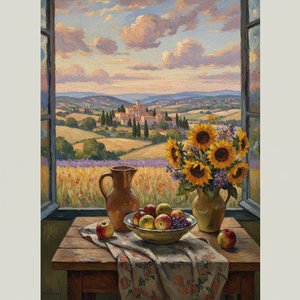
Bernard Cathelin: A Poetic Realist's Exploration of Still Life and the French Landscape
Explore the captivating world of Bernard Cathelin, a master of French Poetic Realism. Discover his stunning still lifes & landscapes, and learn about his legacy with OriginalUniqueArt.
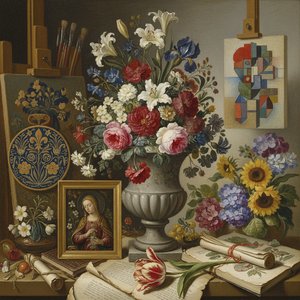
Blossoming Symbolism: A Historical Journey Through Flowers in Western Painting
Explore the rich history of flower symbolism in Western painting! Discover how artists from the Renaissance to Modernism used blossoms to convey meaning, emotion & beauty. Learn about iconic artworks and movements.

Blossoms of Time: A Historical Journey Through Flower Painting
Explore the captivating history of flower painting! Discover Dutch masters, symbolic meanings, & botanical art. Expert insights & high-quality reproductions at OriginalUniqueArt.

Silent Narratives: Exploring the Enduring Appeal of Still Life Painting Across Centuries
Explore the rich history of still life painting with OriginalUniqueArt. Discover Dutch Masters, decode vanitas symbolism & learn about collecting timeless art. Expert insights and museum-quality reproductions.
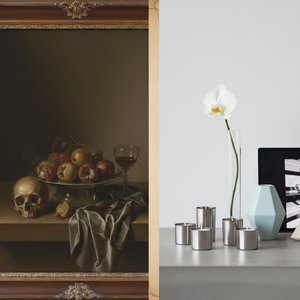
The Enduring Appeal of Still Life: A Historical & Contemporary Exploration
Explore the rich history & symbolism of still life painting with OriginalUniqueArt. Discover masterpieces from the Dutch Golden Age, learn about vanitas art, and find expert guidance for collecting timeless artworks.

