

 Se i rummet
 Send
Send Del
Del
 Detaljer
 Studieguide til kunstværker

 Download
 Lignende værker
 Røntgenundersøgelse
 Se diasshow
 Statistik
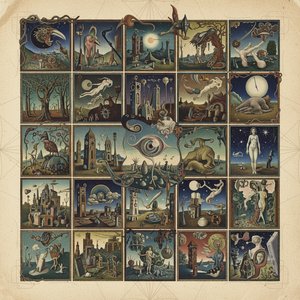
untitled (3545)

 Læs mere
Kunstværket vist på denne side er beskyttet af ophavsretsloven, hvilket betyder, at vi ikke lovligt kan skabe eller sælge en identisk reproduktion. Denne beskyttelse håndhæves i henhold til internationale aftaler som f.eks. den Bernerkonventionen og af nationale love, herunder de bestemmelser, der er fastlagt i Amerikansk ophavsretslov - Titel 17.
Som et respektfuldt og lovligt alternativ tilbyder vi skræddersyede, håndmalede kunstværker inspireret af originalen. Vores dygtige og professionelle kunstnere studerer omhyggeligt originalens stil, stemning og kunstneriske essens for at skabe et nyt, unikt værk, der fremkalder den samme følelse – samtidig med at det forbliver en original skabelse i egen ret.
Denne metode overholder fuldt ud ophavsretsreglerne, da den ikke indebærer kopiering eller duplikering af det beskyttede kunstværk. I stedet er der tale om en kreativ nytolkning – et nyt maleri, som er inspireret af det oprindelige, men ikke identisk med det.
Håndlavet oliereproduktion
Håndmalet olie på lærred i din valgte størrelse og ramme, udført efter bestilling af vores kunstnere. ( Skift til printversion Skift til digitalt billede)




































Vælg mellem vores forudindstillede størrelser, der matcher kunstværkets originale proportioner.

Indtast den bredde og højde, du har brug for, så det passer til din ramme eller din væg. Da dette er håndmalet, kan kunstneren ved en anden form på størrelsen male lidt mere rundt om billedet eller skære lidt væk — det er op til dig. Vi sender dig et digitalt mockup til godkendelse, før maleriet påbegyndes. Billedet, der vises på denne side, viser ikke det endelige resultat — det er kun mockuppet, der gør.
Efter bestilling vil OriginalUniqueArt.com team sende en e-mail til kunden for at indhente instruktioner og fremsende et udkast til gennemgang.
Levering i hele verden () på 3-4 uger i stedet for de standard 5 uger. (21 oktober). Ingen kompromiser med kvaliteten.

Gratis ekspresforsendelse til hele verden

Lærred af linned i høj kvalitet

Komplet transportforsikring

Garanti for refusion af told og importafgifter

Garanti for autentisk farvegengivelse

100 dages returret ved fabrikationsfejl

100% fuld returret

Mængderabat ved flere køb
 Glasmulighed er kun tilgængelig i størrelser under 110 cm

untitled (3545)
Reproduktionsmateriale
Reproduktionsstørrelse
-


Samlet pris
Dkr 2935
Om kunstneren
Ernst Fuchs (1930–2015): Pioneer of Fantastic Realism
Ernst Fuchs was born on February 13, 1930 in Vienna, Austria. His father, Maximilian Fuchs, son of an orthodox Jewish family, had turned down a career as a Rabbi, leaving his theological studies uncompleted. He married Leopoldine, a Christian. When the Nazis occupied Austria in March 1938, Maximilian Fuchs emigrated to Shanghai. Ernst remained in Vienna together with his mother, but Nazi legislation made it illegal for Leopoldine to raise her son. Ernst was deported to a transit camp for children of mixed racial origin. Thereupon Leopoldine Fuchs agrees to a formal divorce from her husband, thus saving her son from the extermination camp.- Early Life and Education: Ernst Fuchs’ artistic talent was undeniable, so his teacher decided to include extracurricular subjects like painting and sculpting in his education. He subsequently received tuition from Professor Fröhlich and the sculptress Emmy Steinböck. He entered the Academy of Fine Arts in Vienna (1945) where he began his studies under professor Robin C. Anderson, later moving to the class of Albert Paris von Gütersloh.
- Influences: At the academy, Ernst Fuchs met Arik Brauer, Rudolf Hausner, Fritz Janschka, Wolfgang Hutter, and Anton Lehmden, together with whom he later founded what has become known as the Vienna School of Fantastic Realism. His idols were no lesser than Egon Schiele and Gustav Klimt.
- The Vienna School of Fantastic Realism: Fuchs’ artistic education began at the St Anna Painting School in his hometown of Vienna. Here, he was taught by Fritz Fröhlich (1910-2001), a surrealist much inspired by Pablo Picasso. This must have sown the seeds of the surreal in Fuch’s mind.
- Career Highlights: Ernst Fuchs achieved his artistic breakthrough with his paintings of Lohengrin, and he was commissioned to decorate the Apocalypse Chapel in Klagenfurt. He collaborated with numerous prominent artists and designers, shaping the cultural landscape of Austria during the postwar era.
Technique and Style: Mischtechnik – The Jewel-Like Effect
Fuchs’ distinctive artistic style was characterized by “mischtechnik,” a technique combining egg tempera with oil paints mixed with resin. This method aimed to achieve the vivid lighting effects achieved by old masters like Albrecht Altdorfer, Albrecht Dürer, Matthias Grünewald and Martin Schongauer. He revived this technique, meticulously recreating the luminosity of Renaissance painting. Fuchs’ meticulous attention to detail and his masterful use of color created artworks that shimmered with an otherworldly brilliance.- Egg Tempera: Egg tempera provides a durable base for painting, allowing for precise layering and blending of colors.
- Oil Paint Glaze: Oil paint glaze adds depth and luminosity to the artwork, enhancing its visual impact.
- Resin Mixture: Resin mixture ensures that the glaze adheres smoothly to the egg tempera surface, creating a seamless finish.
Religious Themes and Symbolism
Fuchs’ artistic vision was profoundly influenced by his Catholic faith and Jewish heritage. He explored themes of spirituality and mythology in his paintings, drawing inspiration from biblical narratives and ancient symbolism. His artworks conveyed profound messages about human existence and the divine realm. Fuchs' meticulous attention to detail and his masterful use of color created artworks that shimmered with an otherworldly brilliance.Legacy and Recognition
Ernst Fuchs’ contribution to art history is undeniable. He established the Vienna School of Fantastic Realism, fostering a new artistic movement that challenged conventional notions of representation. His work continues to inspire artists and scholars alike, cementing his place as one of Austria's most important cultural figures. Fuchs was honored by the State Russian Museum in St Petersburg for his pioneering role in shaping modern art."
Ernst Fuchs
1930 - 2015 , Austria
Hurtige fakta
- Artistic Movement Or Style: Fantastisk Realisme
- Artists Or Movements Influenced By This Artist: ['Pablo Picasso']
- Artists Who Influenced This Artist:
- Gustav Klimt
- Egon Schiele
- Date Of Birth: Februar 13, 1930
- Full Name: Ernst Fuchs
- Nationality: Østrigsk
- Notable Artworks:
- Hypnosia
- Esther
- Place Of Birth: Wien
Relaterede artikler

Romantic Realism's Finest: 10 Masterpieces for Your Home | OriginalUniqueArt
Explore 10 defining masterpieces of Romantic Realism! Discover Courbet, Millet & Daumier's powerful paintings—capturing emotion and social realities. Find museum-quality reproductions for your home at OriginalUniqueArt.com.

Ernst Fuchs: A Visionary of Fantastic Realism & His Enduring Legacy
Explore the captivating world of Ernst Fuchs & the Vienna School of Fantastic Realism. Discover his unique 'mischtechnik', iconic symbolism, and lasting influence on visionary art. Expert insights for collectors.

The Enduring Allure of the Nude: A Historical & Artistic Exploration of the Human Form
Explore the captivating history of nude art! Discover iconic paintings & artists from classical to modern eras. Uncover symbolism, techniques & find museum-quality reproductions at OriginalUniqueArt.
Max Ernsts 25 Mesterværker: Surrealismens Drømme & Psykologiske Dybder | OriginalUniqueArt
Oplev Max Ernsts 25 mest ikoniske værker! Dyk ned i surrealismens drømme, dadaismens oprør og psykologisk kunst. Find inspiration til din boligindretning & køb museumskvalitets reproduktioner på OriginalUniqueArt.com.
Surrealismens 10 Mesterværker: Kunst der udfordrer virkeligheden – OriginalUniqueArt.dk
Dyk ned i surrealismens fascinerende verden med 10 ikoniske malerier fra Dalí, Magritte & Miró. Oplev historierne bag mesterværkerne og find inspiration til din boligindretning hos OriginalUniqueArt.dk – køb kunst online af højeste kvalitet.