

 Se i fuld skala
 Del
Del Del
Del
 Detaljer

 Download
 Lignende værker
 Røntgenundersøgelse
 Diasshow
Zenobia

 Se mere
Håndlavet oliereproduktion
Håndmalet olie på lærred i din valgte størrelse og ramme, udført efter bestilling af vores kunstnere. ( Køb print Køb billede)




































Vælg mellem vores forudindstillede størrelser, der matcher kunstværkets originale proportioner.

Du kan indtaste dine egne mål for at passe til en bestemt ramme eller plads. Hvis den valgte størrelse ikke stemmer overens med det originale billedes proportioner, vil vi enten beskære kunstværket eller udvide maleriet med yderligere håndmalede elementer. En digital skitse sendes til din godkendelse, før produktionen påbegyndes.
Bemærk venligst, at forhåndsvisningen på skærmen ikke afspejler den faktiske beskæring eller udvidelse. Kun skitsen vil nøjagtigt vise den endelige komposition.
Selvom specialmål er mulige, anbefaler vi at vælge en dimension fra den foruddefinerede liste for at bevare de originale proportioner.
Efter bestilling vil OriginalUniqueArt.com team sende en e-mail til kunden for at få instruktioner og levere et udkast til en skitse.
Levering i hele verden () på 3/4 uger i stedet for de standard 5 uger. (23 august). Ingen kompromiser med kvaliteten.

Gratis ekspresforsendelse til hele verden

Lærred af linned i høj kvalitet

Fuld transportforsikring

Garanti for refusion af told og importafgifter

Garanti for præcis farvegengivelse

60 dages returret (kun ved fabrikationsfejl)

100% Tilfredshedsgaranti

Mængderabat tilgængelig
 Glasmulighed er kun tilgængelig i størrelser under 110 cm

Zenobia
Reproduktionsmetode
Størrelse på reproduktion
-


Samlet pris
$ 450
Kunstnerens biografi
The Luminous Legacy of Émile Lévy
In the vibrant, ever-shifting tapestry of nineteenth-century Paris, few artists captured the delicate intersection of classical grandeur and fleeting atmospheric beauty as poignantly as Émile Lévy. Born in Paris on August 29, 1826, Lévy emerged during a transformative era when the rigid structures of academic tradition began to dance with the spontaneous light of the Impressionist movement. His life, though marked by a premature departure in 1890 at the age of sixty-four, was defined by a profound ability to translate the weight of history and the lightness of a moment onto canvas. Through his mastery of both religious drama and intimate portraiture, Lévy carved out a space for himself as a painter who could command the epic scale of biblical narrative while maintaining the tender sensitivity required to document the faces of his contemporaries.
Lévy’s artistic journey was rooted in the rigorous discipline of the École des Beaux-Arts, where he studied under the esteemed masters François-Éouard Picot and Abel de Pujol. These mentors provided him with a formidable foundation in classical technique, teaching him the importance of anatomical precision and compositional balance. However, it was his ability to infuse these academic lessons with an appreciation for atmospheric effects that truly set him apart. This synthesis of styles reached a triumphant milestone in 1854 when he was awarded the prestigious Grand Prix de Rome. This achievement not only propelled him into the upper echelons of the Parisian art scene but also allowed him to immerse himself in the classical influences of Italy, an experience that would forever enrich the depth and texture of his work.
Mastery of Light and Narrative
Upon his return from Italy, Lévy established himself as a versatile force within the Salon, earning critical acclaim for works that ranged from the monumental to the deeply personal. His talent for Romantic realism is perhaps most evident in his religious and mythological compositions. In pieces such as “Noah cursing Canaan” (1855) and “Supper of the Martyrs” (1859), he utilized dramatic lighting and dynamic movement to evoke a sense of divine tension and human emotion. His ability to manipulate light—creating deep shadows that recede into mystery and brilliant highlights that command attention—allowed him to breathe life into ancient stories, making them feel immediate and visceral to the nineteenth-century viewer.
Beyond the grand narratives, Lévy’s oeuvre is celebrated for its exquisite handling of texture and color in more intimate settings. His works often feature a captivating blend of elements:
- Classical Composition: A reliance on stable, pyramidal structures that lend a sense of permanence to his subjects.
- Atmospheric Depth: The use of soft, diffused light to capture the ephemeral quality of Parisian streets and interiors.
- Emotional Resonance: A subtle brushwork that conveys tenderness in portraits, such as the delicate “The First Lilac,” or profound loss in Neoclassical works like “Zenobia.”
A Lasting Impression on Art History
The significance of Émile Lévy lies in his role as a bridge between eras. While his training was firmly anchored in the traditions of the past, his eye was increasingly drawn to the transient beauty of the present. This duality is visible in his celebrated “Death of Orpheus,” housed in the Luxembourg Museum, where the masterful handling of color and texture showcases a painter at the height of his technical powers. His accolades, including a first-class medal at the 1878 Salon and the prestigious Legion of Honor in 1867, serve as testament to the respect he commanded from both his peers and the public.
As we look back upon his contributions, Lévy remains a vital figure for understanding the evolution of French painting. He did not merely document the faces and scenes of his era; he imbued them with a palpable sense of atmosphere that transcends time. Whether through the sweeping grandeur of “The Elements” or the quiet intimacy of a portrait, Lévy’s work continues to invite viewers into a world where the eternal and the ephemeral exist in perfect, breathtaking harmony.

emile levy
1888 - 1890
Kort om kunstneren
- Artistic Movement Or Style: Neo-Classical Art
- Artists Or Movements Influenced By This Artist: ['École des Beaux-Arts']
- Artists Who Influenced This Artist:
- François-Éouard Picot
- Abel de Pujol
- Date Of Birth: August 29, 1826
- Full Name: Émile Lévy
- Nationality: French
- Notable Artworks:
- Noah cursing Canaan
- Death of Orpheus
- Love and folly
- The elements
- Place Of Birth: Paris
Relaterede artikler

Neoclassical Art: The Ultimate Guide to Timeless Power, Precision, and the Classical Ideal
Master the elegance of Neoclassical art with our expert guide. Explore the transition from Rococo to classical order, discover legendary masters, and learn how to bring timeless Greco-Roman precision and grandeur into your modern collection through premium hand-painted reproductions.

The Enduring Legacy of Oil on Canvas: Technique, History & Aesthetic Impact
Explore the rich history & techniques of oil painting – from Renaissance masters to Impressionism. Discover pigments, layering methods, and why this timeless medium endures. Expert insights for artists & art enthusiasts.

Oil on Canvas: A Historical & Technical Exploration of a Timeless Artistic Medium
Explore the rich history & enduring techniques of oil painting on canvas. Discover the science behind its longevity, conservation practices, and contemporary relevance. Expert insights for art enthusiasts.
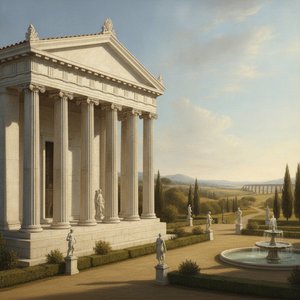
Neoclassicism Defined: The Timeless Elegance of Order, Grandeur, and the Classical Ideal
Discover the profound elegance of Neoclassicism. Explore how the pursuit of order, symmetry, and Greco-Roman ideals created a timeless aesthetic for collectors seeking grandeur and intellectual depth in fine art and architecture.
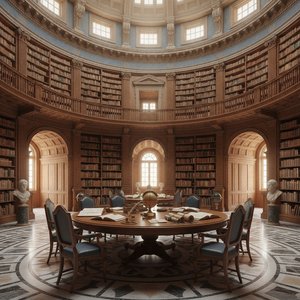
The Timeless Elegance of Academic Classicism: A Journey Through Order, Precision, and the Pursuit of Perfection
Explore the profound beauty of Academic Classicism. Discover how masters used order, precision, and classical ideals to achieve timeless perfection in art history, from Neoclassical portraits to the pursuit of ideal beauty.

