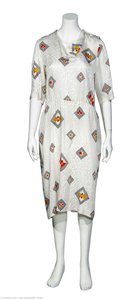
Se i rummet
 Del som kort
 Del
Del
 Detaljer
 Guide
Guide

 Download
 Lignende værker
 Røntgenundersøgelse
 Diasshow
 Spørgsmål og svar
 Statistikker
The Circus Collection


 Vis mere
Kunstværket vist på denne side er beskyttet af ophavsretsloven, hvilket betyder, at vi ikke lovligt kan skabe eller sælge en identisk reproduktion. Denne beskyttelse håndhæves i henhold til internationale aftaler som f.eks. den Bernerkonventionen og af nationale love, herunder de bestemmelser, der er fastlagt i Amerikansk ophavsretslov - Titel 17.
Denne metode overholder fuldt ud ophavsretsreglerne, da den ikke indebærer kopiering eller duplikering af det beskyttede kunstværk. I stedet er der tale om en kreativ nytolkning – et nyt maleri, som er inspireret af det oprindelige, men ikke identisk med det.
Giclée / Kunsttryk
Giclée- eller lærredstryk i museumskvalitet med hurtig produktion og fleksible muligheder for finish. ( Køb håndmalet maleri Skift til digitalt billede)




P118B Dkr10

P118H Dkr10

P118W Dkr10

P438Z Dkr10

P508JH Dkr12

P508YH Dkr12

P805H Dkr10

P805Z Dkr10

P919BZ Dkr10

P919G Dkr10

P919XJ Dkr10

P959ZH Dkr10

P968JZ Dkr12

W106C Dkr8

W218G Dkr10

W218JH Dkr8

W218Y Dkr10

W307PJ Dkr10

W316G Dkr10

W316PJ Dkr8

W316Y Dkr10

W398PJ Dkr8

W4111J Dkr10

W500HY Dkr15

W500JH Dkr15

W692G Dkr12

W849H Dkr8

W940BG Dkr15

W953PJ Dkr8




Vælg mellem vores forudindstillede størrelser, der matcher kunstværkets originale proportioner.

Indtast den bredde og højde, du har brug for, så det passer til din ramme eller din væg. Et print kan kun beskæres, aldrig gøres større end selve billedet, så en størrelse med et andet format vil medføre, at dele af motivet går tabt. Vi sender dig en digital mockup til godkendelse, før vi printer noget. Billedet vist på denne side viser ikke den faktiske beskæring — det er kun mockuppen, der gør.
Verdensomspændende levering () på 2 uger i stedet for de sædvanlige 4/5 uger. (7 november)

Gratis ekspresforsendelse til hele verden

Lærred af linned i høj kvalitet

Fuld transportforsikring

Garanti for refusion af told og importafgifter

Garanti for præcis farvegengivelse

100 dages returret ved fabrikationsfejl

100% fuld returret

Mængderabat ved flere køb
 Glasmulighed er kun tilgængelig i størrelser under 110 cm

The Circus Collection
Giclée / Kunsttryk
Størrelse på reproduktion
-


Samlet pris
Dkr 540
The Surrealist Echoes of “The Circus Collection”
Elsa Schiaparelli’s “The Circus Collection,” debuting in Paris during the summer of 1938, stands as an emblem of her singular artistic vision—a defiant rejection of convention fused with a fascination for theatrical spectacle and unsettling beauty. More than just a fashion show; it was a meticulously crafted performance designed to shock and delight audiences accustomed to the polished elegance of established couture houses. Presented against the backdrop of escalating anxieties surrounding the impending Second World War, Schiaparelli’s collection served as an audacious assertion of artistic freedom—a bold declaration that creativity could transcend political pressures. The influence of Surrealism permeated every aspect of its conception, from the whimsical motifs adorning the garments to the deliberate manipulation of textures and forms. This collaboration between Schiaparelli and Salvador Dalí cemented her reputation as a pioneer of visual experimentation, propelling her into the forefront of European avant-garde culture.- Subject Matter: The collection’s central theme revolved around the circus—a realm of illusion, transformation, and primal instinct. Schiaparelli skillfully employed imagery associated with acrobats, elephants, tents, clowns, and performers to evoke a sense of dynamism and theatrical grandeur.
- Style: Surrealist aesthetics dominated the aesthetic sensibilities of “The Circus Collection.” The designs eschewed traditional silhouettes, favoring asymmetrical shapes and exaggerated proportions that challenged conventional notions of femininity. Schiaparelli’s penchant for trompe l'œil—optical illusions designed to deceive the eye—was particularly evident in the fabric prints and embellishments.
- Technique: The fabrics utilized in “The Circus Collection” were chosen with deliberate care, reflecting Schiaparelli’s commitment to textural contrast and innovative craftsmanship. Silk twill was employed as the primary material for the dresses and jackets, providing a sturdy foundation for intricate embroidery and appliqué techniques. Metallic thread—particularly gold—was extensively incorporated into the embellishments, lending an opulent sheen that amplified the collection's theatrical impact.
Symbolism: Horses, Transformation, and Illusion
The recurring motif of rearing horses—rendered in shades of blue embellished with metallic thread—served as a potent symbol within “The Circus Collection.” Horses traditionally represent strength, nobility, and untamed spirit—qualities Schiaparelli sought to embody through her designs. Furthermore, the horse’s upward gaze conveyed a sense of aspiration and transcendence—a visual allusion to Dalí's fascination with metamorphosis and transformation. The trompe l'œil fabric prints—featuring stylized depictions of acrobats and performers—reinforced this thematic preoccupation with illusion and deception. Schiaparelli deliberately manipulated perspective and scale to create optical illusions that blurred the boundaries between reality and fantasy, mirroring the Surrealist impulse to destabilize viewers’ perceptions.- Horses: Representing strength and nobility, the horses were embroidered in shades of blue embellished with metallic thread—a deliberate choice to convey aspiration and transcendence.
- Trompe l'œil Prints: Schiaparelli employed optical illusions to create a sense of disorientation and wonder—reflecting Surrealist principles of destabilizing viewers’ perceptions.
- Fabric Texture: The silk twill fabric was chosen for its textural contrast, enhancing the collection’s visual richness and amplifying its theatrical impact.
Emotional Impact: Shocking Beauty and Artistic Rebellion
“The Circus Collection” aimed to provoke an emotional response in viewers—challenging their expectations of haute couture and affirming Schiaparelli's unwavering conviction that art could transcend societal norms. The collection’s audacious color palette—dominated by vibrant hues like magenta and turquoise—contributed to its arresting visual appeal. More importantly, Schiaparelli’s designs communicated a palpable sense of rebellion against convention—a defiant assertion of artistic freedom in the face of prevailing cultural pressures. By embracing Surrealist aesthetics and employing innovative techniques, Schiaparelli created garments that captivated audiences with their unsettling beauty and intellectual provocation. The collection remains an enduring testament to Schiaparelli's pioneering spirit—a celebration of imagination and a rebuke to complacency.Concluding Remarks: A Legacy of Surrealist Innovation
Ultimately, “The Circus Collection” solidified Elsa Schiaparelli’s position as one of the foremost figures in 20th-century fashion—a visionary designer who irrevocably altered the landscape of haute couture. Her collaboration with Dalí—characterized by a shared commitment to visual experimentation and intellectual provocation—established her reputation as a champion of Surrealist ideals. As a result, Schiaparelli’s work continues to inspire artists and designers today—serving as an enduring reminder that true creativity resides in challenging established conventions and embracing the transformative power of imagination.Spørgsmål og svar
Hvor kan jeg finde en guide til "The Circus Collection"?
Guiden til "The Circus Collection" findes på værkets Elevguide-side – et printbart faktablad, der præsenterer værket sammen med dets billedtekst, kreditering og identifikationstabel (kunstner, datoer, medie, original størrelse, samling).
Hvilken farvepalette er brugt i "The Circus Collection" af Elsa Schiaparelli?
Farvepaletten i "The Circus Collection" af Elsa Schiaparelli beskrives som Neutrals. Det er en kortfattet beskrivelse af værkets farver.
Hvad forestiller "The Circus Collection"?
Motiverne i "The Circus Collection" er fashion, surrealism, haute couture, elsa schiaparelli, dalí collaboration, jewelry, circus theme.
Kunstnerbiografi
En Rebel Skaberen: Elsa Schiaparellis Verden
Elsa Luisa Maria Schiaparelli, et navn der er synonymt med dristig stil og surrealistisk innovation, forandrede fundamentalt landskabet for 20. århundredes mode. Hun blev født i Rom i 1890, og hendes liv var langt fra konventionelt. I modsætning til mange af sine samtidige, der omfavnede etablerede samfundsmæssige normer, besad Schiaparelli en stærk uafhængig ånd, drevet af intellektuel nysgerrighed og en forkærlighed for at udfordre forventninger. Hendes far, Celestino Schiaparelli, en anerkendt forsker i islamisk studier og sanskrit, skabte et miljø rigt på læring, mens hendes onkel, astronom Giovanni Schiaparelli – kendt for sine observationer af Mars’ “kanaler” – vækkede en livslang fascination med kosmos og det usædvanlige i hende. Denne unikke opvækst indgydede en kærlighed til kunst, mytologi og esoterisk tænkning, der dybtgående påvirkede hendes æstetiske vision. Tidlig modstandskraft manifesterede sig ikke kun i at bryde med samfundets forventninger, men også i et tumultarisk personligt liv, herunder et ægteskab med den gådefulde Wilhelm de Kerlor, en selvudklæret psykiker, hvis indflydelse yderligere drev hende ind i en verden af åndelighed og okkultisme – temaer, der subtilt gennemsyrede hendes senere designs.Fra Strik til Surrealistiske Udtalelser: Fremkomsten af et Modehus
Schiaparellis rejse ind i modeverdenen var oprindeligt pragmatisk, født ud fra utilfredshed med eksisterende stilarter. Hun begyndte ved at eksperimentere med strik i sen 1920'erne, og erkendte et hul i markedet for komfortabel, men samtidig sofistikeret beklædning. I 1927 etablerede hun sit eget modehus i Paris og udvidede hurtigt sin virksomhed ud over strik til at omfatte en fuld række haute couture designs. Det var dog i 1930'erne, at Schiaparelli virkelig kom i sit es, ved at skabe banebrydende samarbejder med førende surrealister fra bevægelsen. Denne periode markerede et radikalt fald fra den herskende elegance i det parisiske mode, der var kendetegnet ved flydende silhuetter og diskret glamour. Schiaparellis designs var bevidst provokerende, legende og ofte foruroligende, og omfavnede det absurde og udfordrede konventionelle opfattelser af skønhed. Hendes partnerskab med Salvador Dalí viste sig særligt frugtbar, hvilket resulterede i ikoniske kreationer som "Lobster Dress" (1937), der havde et laks malet på silke, og "Shoe Hat" (1938), en legende hovedbeklædning formet som en hæl. Jean Cocteau bidrog også betydeligt til hendes arbejde, designede slående broderier og accessories, der yderligere forstærkede den surrealistiske æstetik."Shocking Pink" og Trompe-l'œil: Definerer en Unik Æstetik
Schiaparellis designs var øjeblikkeligt genkendelige ved deres dristige brug af farver, især hendes signatur "shocking pink" – en levende, næsten aggressiv nuance, der modsagde de dæmpede nuancer, som mange af sine samtidige foretrak. Denne dristige valg blev et symbol på hendes rebelske ånd og hendes vilje til at udfordre etablerede normer. Ud over farve anvendte Schiaparelli mesterligt *trompe-l'œil*-effekter, skabte illusioner, der udvisker grænserne mellem kunst og mode. Hun integrerede uventede materialer i sine designs – læder, metal, endda avisprint – og pressede grænserne for tekstilinnovation. Hendes kollektioner trådte ofte inspiration fra mytologi, naturen og almindelige genstande, og omdannede dem til bærbar kunst. "Circus Collection" fra 1938 er et eksempel på hendes legende tilgang, der indeholder teateragtige kostumer udsmykket med fantasifulde motiver og forstørrede silhuetter. En Evening Coat fra 1936 viste hendes dristige brug af læder i haute couture, hvilket demonstrerede hendes villighed til at eksperimentere med ukonventionelle materialer. Schiaparelli skabte ikke blot tøj; hun skabte immersive oplevelser, der fangede fantasien og udfordrede opfattelser.Arv og Genopblomstring: En Vedvarende Indflydelse
Trods økonomiske vanskeligheder og et fald i populariteten efter 2. verdenskrig har Schiaparellis indflydelse på mode været afgørende. Hun banede vejen for fremtidige designere til at omfavne kunstneriske samarbejder og presse kreative grænser. Hendes innovative brug af materialer, hendes legende tilgang til design og hendes dristige eksperimentering inspirerer fortsat nutidige kunstnere og modehuse. Hendes arbejde er udstillet i anerkendte museer verden over, herunder Kyoto Costume Institute og Victoria and Albert Museum, hvilket cementerer hendes plads i modeshistorien. Maison Schiaparelli, efter årtiers tavshed, blev genoprettet i 2014, hvilket demonstrerer den vedvarende appel af hendes visionære designs. Denne genoplivning har bragt hendes avantgarde-ånd til en ny generation og beviser, at hendes arv strækker sig langt ud over midten af det 20. århundrede. *Elsa Schiaparellis* sande innovation lå ikke kun i at skabe smukt tøj, men i at gendefinere mode som et kunstform – en dristig erklæring, der fortsat resonerer i dag.Nøgleværker og Kollektioner
- Circus Collection (1938): En forblændende visning af innovativt design med teateragtige kostumer og fantasifulde motiver.
- Evening Coat (1936): Et eksempel på hendes brug af ukonventionelle materialer som læder i haute couture.
- Lobster Dress (1937): Et samarbejde med Salvador Dalí, der viser et laks malet på silke.
- Shoe Hat (1938): En anden ikonisk skabelse af Schiaparelli og Dalí, en hat formet som en sko.

Elsa Schiaparelli
1890 - 1973 , Danmark
Kort om kunstneren
- Artistic Movement Or Style: Surrealist mode
- Artists Or Movements Influenced By This Artist: ['Moderne designere']
- Date Of Birth: 1890
- Date Of Death: 1973
- Full Name: Elsa Luisa Maria Schiaparelli
- Nationality: Italiensk
- Notable Artworks:
- Lobster kjole
- Sko hat
- Aftenfrakke
- Place Of Birth: Rom, Italien
Relaterede artikler

Salvador Dalís 25 Mesterværker: Surrealismens Ikoner til Dit Hjem
Oplev Salvador Dalís 25 mest ikoniske kunstværker! Fordyb dig i surrealismens verden med 'Persisterende Minder' og andre drømmeagtige mesterværker. Find luksus reproduktioner & inspiration til dit hjem på OriginalUniqueArt.com.

Decoding Dalí: The Secrets of the Paranoiac-Critical Method and Surrealist Symbols
Unlock the mysteries of Salvador Dalí. Explore the profound secrets behind his Paranoiac-Critical Method and decode the surrealist symbols that define his legendary dreamscapes in this expert art history guide.
Surrealismens 10 Mesterværker: Kunst der udfordrer virkeligheden – OriginalUniqueArt.dk
Dyk ned i surrealismens fascinerende verden med 10 ikoniske malerier fra Dalí, Magritte & Miró. Oplev historierne bag mesterværkerne og find inspiration til din boligindretning hos OriginalUniqueArt.dk – køb kunst online af højeste kvalitet.

Decoding Dalí: The Paranoiac-Critical Method and Surrealist Symbols Explained
Master the complexities of Salvador Dalí's work. Explore the Paranoiac-Critical Method, decode iconic Surrealist symbols, and understand the psychological depth behind his technical brilliance in this expert art history guide designed for students and collectors.
Salvador Dalí: Surrealism, Subconscious Exploration & Artistic Innovation
Explore the captivating world of Salvador Dalí! Discover his surrealist masterpieces, profound connection to Freud's theories, and lasting impact on art & culture. A deep dive into a visionary artist.