
 Se i rummet
 Send
Send Del
Del
 Detaljer
 Studieguide til kunstværker

 Download
 Lignende værker
 Røntgenundersøgelse
 Se diasshow
 Statistik
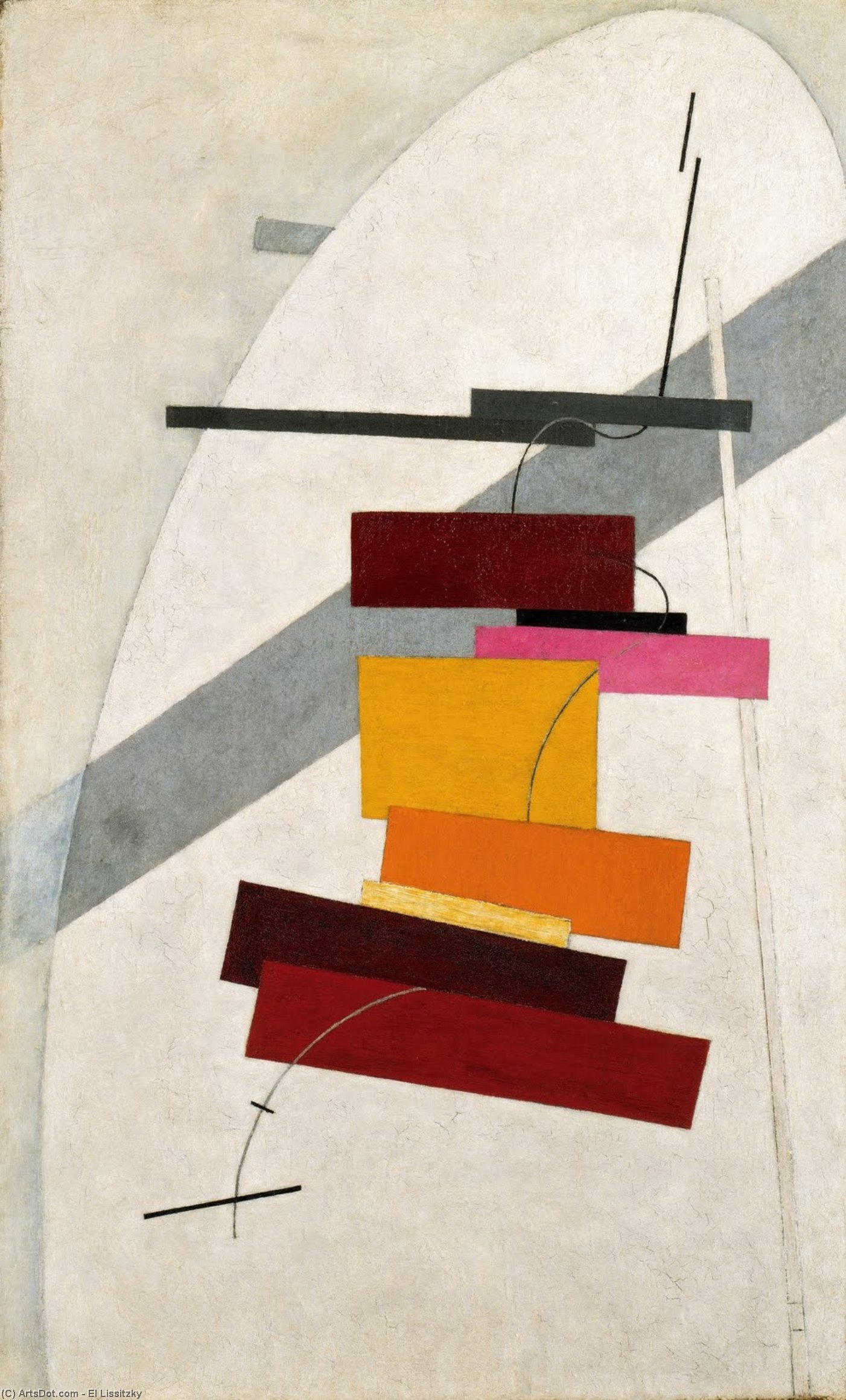
Untitled
 Acrylic On Canvas
- WallArt
- Suprematism
 1920
1920 79.0 x 49.0 cm
 Læs mere
Giclée / Kunsttryk
Giclée- eller lærredstryk i museumskvalitet med hurtig produktion og fleksible muligheder for finish. ( Bestil håndmalet reproduktion Skift til digitalt billede)




P118B Dkr10

P118H Dkr10

P118W Dkr10

P438Z Dkr10

P508JH Dkr12

P508YH Dkr12

P805H Dkr10

P805Z Dkr10

P919BZ Dkr10

P919G Dkr10

P919XJ Dkr10

P959ZH Dkr10

P968JZ Dkr12

W106C Dkr8

W218G Dkr10

W218JH Dkr8

W218Y Dkr10

W307PJ Dkr10

W316G Dkr10

W316PJ Dkr8

W316Y Dkr10

W398PJ Dkr8

W4111J Dkr10

W500HY Dkr15

W500JH Dkr15

W692G Dkr12

W849H Dkr8

W940BG Dkr15

W953PJ Dkr8




Vælg mellem vores forudindstillede størrelser, der matcher kunstværkets originale proportioner.

Indtast den bredde og højde, du har brug for, så det passer til din ramme eller din væg. Et print kan kun beskæres, aldrig gøres større end billedet, så en størrelse med en anden form vil miste en del af motivet. Vi sender dig en digital mockup til godkendelse, før vi printer noget. Billedet vist på denne side viser ikke den faktiske beskæring — det er kun mockuppen, der gør.
Verdensomspændende levering () på 2 uger i stedet for de sædvanlige 4/5 uger. (22 oktober)

Gratis ekspresforsendelse til hele verden

Lærred af linned i høj kvalitet

Komplet transportforsikring

Garanti for refusion af told og importafgifter

Garanti for autentisk farvegengivelse

100 dages returret ved fabrikationsfejl

100% fuld returret

Mængderabat ved flere køb
 Glasmulighed er kun tilgængelig i størrelser under 110 cm

Untitled
Giclée / Kunsttryk
Reproduktionsstørrelse
-


Samlet pris
Dkr 531
A Pioneer of Geometric Abstraction: Exploring El Lissitzky’s “Untitled”
El Lissitzky's "Untitled," painted in 1920, stands as a cornerstone of Russian avant-garde art and a testament to the revolutionary spirit of its time. This striking abstract composition—a canvas bathed in hues of red, yellow, and orange—immediately captivates the viewer with its bold geometric forms and dynamic lines, reflecting Lissitzky’s unwavering commitment to distilling visual language into its purest essence. More than just aesthetically pleasing, “Untitled” embodies a profound conceptual ambition rooted in Suprematism, a movement Lissitzky spearheaded alongside Kazimir Malevich, aiming to liberate art from representational constraints and prioritize pure color and geometric abstraction as vehicles for conveying spiritual truth.- Subject Matter: The painting eschews recognizable imagery altogether, opting instead for an exploration of fundamental visual elements—primarily intersecting lines and colored squares—that transcend specific narratives. Lissitzky sought to capture not what *is* seen but what *feels* seen, prioritizing the emotional resonance of form over depiction.
- Style: Suprematism’s influence is palpable in “Untitled.” Malevich championed the idea that art should be reduced to its most basic components—squares and circles—representing the cosmos and spiritual unity. Lissitzky's work aligns perfectly with this philosophy, rejecting illusionistic techniques in favor of a deliberately reductive aesthetic.
- Technique: Executed in oil on canvas, “Untitled” demonstrates Lissitzky’s mastery of color blending and textural layering. The artist skillfully utilizes variations in hue and saturation to create depth and vibrancy within the geometric shapes, emphasizing their visual impact. Careful consideration was given to brushstrokes—likely applied with a smooth, deliberate hand—contributing to the painting's overall sense of stability and precision.
Historical Context: The Rise of Constructivism and Artistic Expression Under Lenin
“Untitled” emerged during a period of dramatic social upheaval in Russia following the Bolshevik Revolution of 1917. The avant-garde movement—including Suprematism, Cubism, Futurism, and Constructivism—became synonymous with artistic innovation and ideological fervor. Artists like Lissitzky actively engaged in disseminating socialist ideals through their art, designing propaganda posters and exhibition displays that aimed to inspire revolutionary fervor and promote the vision of a utopian society built upon rational principles. The painting’s geometric abstraction served as a deliberate rejection of bourgeois aesthetics, signaling a commitment to forging a new artistic language aligned with the transformative forces reshaping Russian culture.Symbolism Beyond Representation: Exploring Color and Form
While devoid of recognizable imagery, “Untitled” is laden with symbolic significance. The dominant colors—red, yellow, and orange—are deliberately chosen to evoke associations with warmth, energy, and vitality – mirroring the optimism inherent in the revolutionary era. Lissitzky’s geometric shapes—particularly the intersecting lines—represent dynamism and interconnectedness, symbolizing the striving for unity and harmony within a fractured world. These elements coalesce into a visual metaphor for spiritual transcendence, reflecting Lissitzky's belief that art could serve as a conduit for accessing higher consciousness.Emotional Impact: A Moment of Pure Visual Perception
Ultimately, “Untitled” transcends mere decoration; it invites contemplation and stimulates emotional response. The painting’s simplicity—its deliberate reduction to fundamental geometric forms—forces the viewer to confront pure visual perception, bypassing cognitive filters and accessing a realm of feeling untouched by narrative or symbolism. Lissitzky's masterful use of color and line creates an experience akin to encountering the cosmos itself – a powerful reminder that art can communicate truths beyond words, resonating with viewers long after they’ve gazed upon its captivating surface.Spørgsmål & svar
Hvordan spiller farverne i "Untitled" sammen med hinanden?
Farveharmonien i "Untitled" er beskrevet som Balanced Harmony.
Hvilken type kunstværk er "Untitled" af El Lissitzky?
I kataloget er "Untitled" af El Lissitzky registreret som WallArt. Kategorien hjælper med at finde lignende værker.
Kan jeg se en forhåndsvisning af "Untitled" af El Lissitzky, før jeg bestiller?
Siden Forhåndsvisning for "Untitled" giver dig mulighed for at se en forhåndsvisning af kunstværket, før du bestiller.
Om kunstneren
A Revolutionary Vision: El Lissitzky’s Journey Through Abstraction and Social Engagement
El Lissitzky, født Lazar Markovich Lissitzky i den lille russiske by Pochinok i 1890, opstod som en central figur i det turbulente kunstlandskab i de tidlige 20. århundredes begyndelse. Hans rejse var præget af konstant omdefinering, drevet af en inderlig tro på kunstens magt til at forme samfundet og afspejle den moderne verdens dynamik. Fra sin indledende uddannelse som arkitekt og ingeniør – bestræbelser, der blev hindret af restriktioner for jødiske studerende – afveg Lissitzkys vej mod kunstnerisk udtryk, i første omgang gennem illustrationer dybt rodfæstet i jiddisk folklore. Disse tidlige værker, såsom hans omsætning af ‘Chad Gadya’, afslører en spirende talent allerede konfronteret med fortælling og visuel historiefortælling, hvilket antyder de dybe kulturelle rødder, der fortsat ville forme hans æstetik. En flytning til Berlin og Darmstadt udvidede hans horisonter, men det var først ved sin tilbagevenden til Rusland, at Lissitzky virkelig fandt sin kunstneriske stemme, og blev uadskilleligt forbundet med den revolutionære feber, der rasede gennem nationen. Han var en mand af mange talenter, der bevægede sig mellem arkitektur, ingeniørkunst og kunst – altid på jagt efter nye måder at udtrykke sig på.The Embrace of Abstraction: Suprematism and Proun
Et afgørende øjeblik kom med hans møde med Kazimir Malevich og omfavnelsen af Suprematisme. Denne radikale bevægelse, dedikeret til ren geometrisk abstraktion, resonerede dybt med Lissitzkys ønske om at transcendere repræsentationskunst og nå ud til et universelt visuelt sprog. Han blev en nøgleperson i UNovis, den Suprematistiske gruppe etableret i Vitebsk, der aktivt spredte dets principper gennem undervisning og kunstproduktion. Men Lissitzky kopierede ikke blot Malevichs stil; han skabte sin egen distinkte vej med udviklingen af *Proun*. Denne unikke serie, født ud fra en fusion af Suprematisme og Konstruktivisme, udforskede rumrelationer og geometriske former i dynamiske kompositioner, der ofte mindede om arkitektoniske tegninger eller eksploderede diagrammer. Proun var ikke blot maleri; det var en undersøgelse af selve rummets struktur, en forudsigelse af fremtidige arkitektoniske muligheder. Disse værker, med deres flydende planer og krydsende linjer, udtrykte Lissitzkys tro på kunstens kraft til at konstruere nye realiteter. Hans ingeniørbaggrund er tydeligt her, hvilket giver en strukturel logik til de abstrakte former. Han var en mand der så verden som et komplekst system af geometriske elementer, og søgte at repræsentere dette i sine værker.Art as Propaganda and Social Commentary
Lissitzkys kunstneriske vision udvidede sig langt ud over lærredet. Han mente passioneret, at kunsten skulle tjene et socialt formål, og engagerede sig aktivt i politiske ideologier og søgte måder at integrere design i hverdagen. Denne overbevisning førte ham til at blive dybt involveret i sovjetisk propagandakampagne, hvor han skabte kraftfulde plakater og grafiske designs med det formål at mobilisere offentligheden til støtte for den bolsjevikiske regering. Hans 1941-plakat, der opfordrede til tankkonstruktion, er et vidnesbyrd om denne engagement – et skarpt, virkningsfuldt billede, der afspejler den presserende krigsituation. Ud over propaganda udforskede Lissitzky typografi, udstillingsdesign og fotomontage. Han forstod, at effektiv kommunikation krævede innovative visuelle strategier, og han eksperimenterede uden frygt med nye teknikker for at formidle sit budskab. Hans fotomontager, såsom ‘The Constructor’ (1924), er særligt slående – selvportrætter, der blander fotografi med geometrisk abstraktion, og tilbyder en kompleks kommentar til identitet og kunstnerens rolle i samfundet.A Cultural Ambassador: Spreading Constructivist Ideals
Lissitzkys indflydelse transcenderede nationale grænser. Han tjente som en central kulturel ambassadør for sovjetisk kunst, der spredte konstruktivistiske ideer gennem Europa, især i Tyskland. Hans innovative udstillingsdesign udfordrede traditionelle galleripladsers konventioner og skabte fordybende miljøer, der aktivt engagerede publikum. Disse udstillinger var ikke blot visninger af kunstværker; de var omhyggeligt konstruerede oplevelser designet til at provokere tanken og inspirere handling. Hans arbejde havde en dybtgående indflydelse på Bauhaus og De Stijl bevægelser, der påvirkede generationer af kunstnere og designere med sin betoning på geometrisk abstraktion, funktionalisme og socialt ansvar. Han samarbejdede med figurer som Kurt Schwitters og Theo van Doesburg, hvilket fremmede en tværkulturel udveksling, der berigede det kunstneriske landskab i den æra.Legacy and Enduring Influence
El Lissitzky’s liv blev tragisk afkortet i 1941 i Moskva, men hans arv fortsætter med at resonere i dag. Han brolagde mellem kunst og arkitektur, abstraktion og socialt formål, og efterlod sig et værk, der er både intellektuelt stimulerende og visuelt fængslende. Etableringen af Lissitzky Foundationen i 2014 understreger den fortsatte forpligtelse til at bevare hans kunstneriske arv og udarbejde en omfattende katalog over hans værker. Hans innovationer inden for typografi, udstillingsdesign og fotomontage inspirerer fortsat nutidige kunstnere og designere, mens hans urokkelige tro på kunstens magt som en kraft til social forandring forbliver dybt relevant.
El Lissitzky
1890 - 1941 , Rusland
Hurtige fakta
- Artistic Movement Or Style:
- Suprematisme
- Konstruktivisme
- Artists Or Movements Influenced By This Artist:
- Bauhaus
- De Stijl
- Artists Who Influenced This Artist: ['Kazimir Malevich']
- Date Of Birth: 23. nov. 1890
- Date Of Death: 30. dec. 1941
- Full Name: El Lissitzky
- Nationality: Russisk
- Notable Artworks:
- Byggeren
- Chad Gadya
- Place Of Birth: Pochinki, Rusland
Relaterede artikler
Beyond Form & Color: Geometric Abstraction's Enduring Legacy in Art History
Explore the captivating world of geometric abstraction! Discover its origins, key artists like Malevich & Mondrian, and why this movement remains highly valued by art collectors today. Expert insights at OriginalUniqueArt.

Geometrisk Abstraktion: Top 10 Kunstværker der Definerede Bevægelsen | OriginalUniqueArt.dk
Oplev de 10 mest ikoniske værker inden for geometrisk abstraktion! Fra Kandinsky til Mondrian – lær historierne bag disse banebrydende kunstnere og deres farverige malerier. Find museumskvalitets reproduktioner & inspiration til din indretning på OriginalUniqueArt.dk.

El Grecos 25 Mesterværker: Kunst, Historie og Inspiration til Dit Hjem
Oplev El Grecos 25 mest ikoniske malerier! Fordyb dig i spansk renæssancekunst, spirituelle værker og dramatiske kompositioner. Find inspiration til dit hjem & køb museumskvalitets reproduktioner på OriginalUniqueArt.com.

Beyond Form & Color: Geometric Abstraction's Evolution in 20th/21st Century Art
Explore the evolution of geometric abstraction from Cubism to contemporary art. Discover key artists like Malevich & Mondrian, investment insights, and expert collecting advice at OriginalUniqueArt.
Kazimir Malevichs 25 Mesterværker: En Rejse Ind i Abstrakt Kunst | OriginalUniqueArt
Oplev Kazimir Malevichs 25 mest ikoniske værker! Dyk ned i Suprematismens verden, fra 'Sort Firkant' til 'Hvidt på Hvidt'. Find inspiration og køb museumskvalitets kunsttryk hos OriginalUniqueArt.com – din kilde til abstrakt kunst & eksklusiv vægkunst.


