 Se i rummet
 Del som kort
 Del
Del
 Detaljer
 Guide
Guide

 Download
 Lignende værker
 Røntgenundersøgelse
 Diasshow
 Spørgsmål og svar
 Statistikker
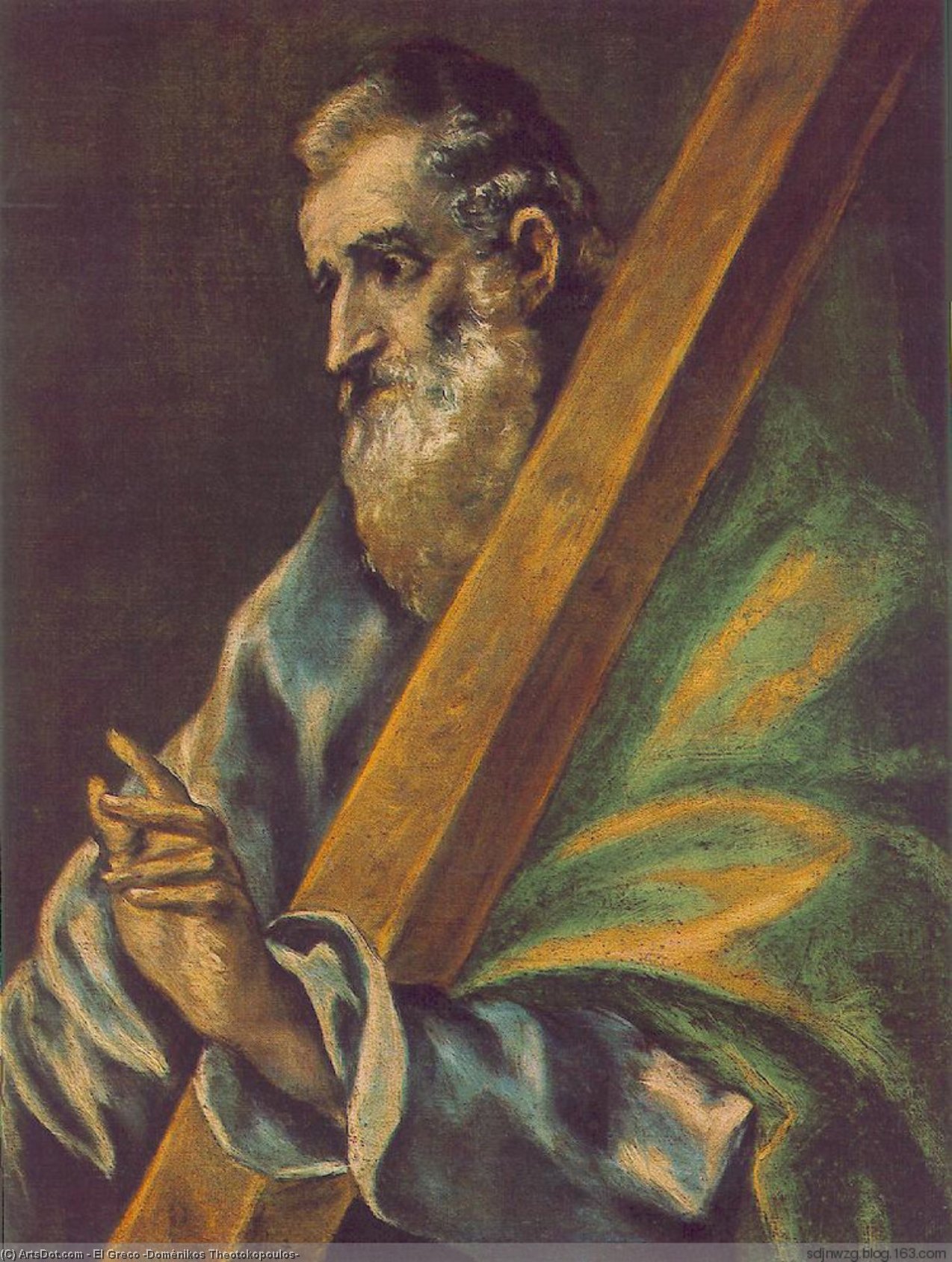
Apostle St Andrew

- 70.0 x 53.0 cm


 Vis mere
Giclée / Kunsttryk
Giclée- eller lærredstryk i museumskvalitet med hurtig produktion og fleksible muligheder for finish. ( Køb håndmalet maleri Skift til digitalt billede)




P118B Dkr10

P118H Dkr10

P118W Dkr10

P438Z Dkr10

P508JH Dkr12

P508YH Dkr12

P805H Dkr10

P805Z Dkr10

P919BZ Dkr10

P919G Dkr10

P919XJ Dkr10

P959ZH Dkr10

P968JZ Dkr12

W106C Dkr8

W218G Dkr10

W218JH Dkr8

W218Y Dkr10

W307PJ Dkr10

W316G Dkr10

W316PJ Dkr8

W316Y Dkr10

W398PJ Dkr8

W4111J Dkr10

W500HY Dkr15

W500JH Dkr15

W692G Dkr12

W849H Dkr8

W940BG Dkr15

W953PJ Dkr8




Vælg mellem vores forudindstillede størrelser, der matcher kunstværkets originale proportioner.

Indtast den bredde og højde, du har brug for, så det passer til din ramme eller din væg. Et print kan kun beskæres, aldrig gøres større end selve billedet, så en størrelse med et andet format vil medføre, at dele af motivet går tabt. Vi sender dig en digital mockup til godkendelse, før vi printer noget. Billedet vist på denne side viser ikke den faktiske beskæring — det er kun mockuppen, der gør.
Verdensomspændende levering () på 2 uger i stedet for de sædvanlige 4/5 uger. (10 november)

Gratis ekspresforsendelse til hele verden

Lærred af linned i høj kvalitet

Fuld transportforsikring

Garanti for refusion af told og importafgifter

Garanti for præcis farvegengivelse

100 dages returret ved fabrikationsfejl

100% fuld returret

Mængderabat ved flere køb
 Glasmulighed er kun tilgængelig i størrelser under 110 cm

Apostle St Andrew
Giclée / Kunsttryk
Størrelse på reproduktion
-


Samlet pris
Dkr 540
A Deep Dive into El Greco’s “Apostle St Andrew”
Doménikos Theotokópoulos, universally known as El Greco – “the Greek” – stands apart from his contemporaries as a painter whose artistic vision transcended conventional boundaries. Born in Crete in 1541, under Venetian dominion, his journey through Venice and Rome ultimately solidified his indelible mark on the artistic landscape of Spain: Toledo became his spiritual home and the crucible for his revolutionary style. El Greco wasn’t merely absorbing influences; he masterfully synthesized them—Byzantine solemnity blended seamlessly with Western Renaissance dynamism—resulting in an aesthetic that foreshadowed movements like Expressionism and Cubism centuries ahead of their time. His formative years within the Byzantine tradition instilled a meticulous attention to detail and a profound understanding of religious iconography, shaping his approach to portraying sacred subjects. Yet, he refused to be confined by dogma, actively pursuing new artistic horizons. He signed his canvases in Greek – “Krḗs” – proudly asserting his Cretan heritage while simultaneously embracing the stylistic currents circulating throughout Europe. The genesis of El Greco’s distinctive style can be traced back to a pivotal moment: witnessing the devastation wrought by the Lisbon earthquake of 1755, which profoundly impacted him emotionally and spurred him to experiment with innovative compositional strategies.The Artist's Singular Style: Long Lines and Vibrant Color
El Greco’s artistic signature is instantly recognizable—characterized by elongated figures rendered in luminous hues against backgrounds imbued with a palpable sense of mysticism. “Apostle St Andrew” exemplifies this approach perfectly. The artist employs dramatic foreshortening, elongating the saint’s body to convey spiritual intensity and conveying an ethereal quality rarely achieved during his era. His palette explodes with rich blues and golds—a deliberate choice reflecting Venetian artistic traditions but infused with a uniquely El Greco sensibility. These colors aren't merely decorative; they serve as conduits for emotion, amplifying the solemn grandeur of the scene. The artist’s technique is equally noteworthy: he utilizes impasto – thick brushstrokes – to sculpt texture onto the canvas surface, creating palpable depth and enhancing the visual impact of the composition. This textural richness contributes significantly to the painting's expressive power.Symbolism Embodied in Light and Gesture
The central element—the cross held by St. Andrew—is laden with symbolic significance. It represents his martyrdom and underscores his unwavering faith, mirroring the broader Christian narrative of sacrifice and redemption. The saint’s gaze is directed upwards, conveying humility and reverence – a gesture that speaks to the spiritual core of Byzantine art. Furthermore, the drapery surrounding St. Andrew is rendered with meticulous detail, capturing folds and creases that convey movement and dynamism—a stylistic departure from more static depictions prevalent in earlier periods. The subtle interplay of light and shadow further enhances the painting’s dramatic atmosphere, guiding the viewer's eye toward the focal point and amplifying the saint’s solemn presence.Historical Context: Venetian Influence Meets Andalusian Spirit
El Greco’s artistic trajectory was shaped by the cultural currents of his time—particularly the influence of Venice, where he honed his skills during a formative period. However, he wasn't merely imitating Venetian aesthetics; he transformed them into something wholly original, reflecting the spiritual fervor of Andalusia and forging an artistic identity that resonated across Europe. His work stands as testament to the enduring power of tradition blended with innovation—a legacy that continues to inspire artists today. To appreciate El Greco’s genius fully, a visit to The Museum Szépmûvészeti Múzeum (Budapest, Hungary) offers invaluable insight into his oeuvre and its broader artistic context.Spørgsmål og svar
Hvordan forenes kunstretning og epoke i "Apostle St Andrew" af El Greco?
"Apostle St Andrew" tilhører Baroque-retningen, og dets skaber arbejdede i Renæssancen-æraen.
Er "Apostle St Andrew" fri for ophavsret?
"Apostle St Andrew" af El Greco er i det offentlige domæne – ophavsretten er udløbet. Denne status bestemmer, hvordan billedet af værket må reproduceres.
Hvad er den anbefalede anvendelse af et print af "Apostle St Andrew"?
Den foreslåede anvendelse af "Apostle St Andrew" af El Greco er Accent, men den kan også tjene andre formål.
Kunstnerbiografi
Det kretensiske fundament
Doménikos Theotokópoulos, kendt i historien som El Greco, begyndte sit liv i 1541 på øen Kreta. På det tidspunkt var øen under venetiansk herredømme, en omstændighed der senere ville gøre det muligt for ham at bygge bro mellem østlige og vestlige traditioner. Han blev uddannet som ikonmaler inden for den byzantinske tradition, en disciplin der krævede en metodisk opmærksomhed på detaljen og et fokus på motivets åndelige essens frem for blot den fysiske lighed. Denne tidlige fordybelse i den kretensiske skole gav ham en følelse af symbolsk præcision, som forblev en konstant, selvom hans stil gennemgik radikale transformationer.
I en alder af tyve år flyttede han til Venedig for at udvide sin forståelse af den naturlige verden. I Den Venetianske Republik stødte han på værker af Tizian og Tintoretto og absorberede deres mesterskab i farvebrug og anvendelsen af lys til at definere form. Han lærte at bevæge sig væk fra ungdommens stive linjer og omfavnede i stedet et mere flydende penselstrøg og en følelse af dynamik. Denne periode var ikke en afvisning af hans rødder, men snarere en udvidelse af dem, da han begyndte at smelte den disciplinerede ikonografi fra sin græske arv sammen med den atmosfæriske sensualitet fra den italienske renæssance.
Transformationen i Toledo
Efter en periode i Rom, hvor han stødte på manierismens forlængede former og sofistikerede kompositioner, slog El Greco sig ned i Toledo, Spanien, i 1577. Denne flytning viste sig at være afgørende. Toledo var et centrum for intens religiøs iver under modreformationen, hvilket skabte et landskab, der var perfekt egnet til hans voksende mystiske vision. Det var her, hans stil nåede sin mest karakteristiske fase, præget af figurer, der fremstod strakte og forvredne, som om de blev trukket af en usynlig åndelig kraft. Han brugte farver, ikke til at efterligne virkeligheden, men til at forstærke den følelsesmæssige slagkraft, ofte ved at anvende unaturlige nuancer til at skildre det guddommelige.
Hans virke i Spanien var præget af en spænding mellem det jordiske og det æteriske. I Begravelsen af greven af Orgaz (1586-1588) sammenstillede han den realistiske fremstilling af samtidige skikkelser med forlængede, himmelske former og skabte dermed en visuel bro mellem det dødelige og det guddommelige. Hans evne til at manipulere lys og skygge gjorde det muligt for ham at skabe et drama, der føltes både teatralsk og dybt personligt. Han malede ikke blot scener; han forsøgte at fremstille de følelsesmæssige og åndelige realiteter, der eksisterer ud over den fysiske verdens overflade.
En arv af form og lys
De senere år af hans liv bevægede sig mod endnu større abstraktion og mystik. Hans kompositioner blev mere komplekse, og hans figurer mere forvridne, hvilket afspejlede en voksende løsrivelse fra konventionelle kunstneriske normer. Selvom han opnåede succes og modtog betydelige bestillinger fra kirker og klostre i Toledo, blev hans indflydelse ikke øjeblikkeligt mærket af den bredere kunstverden efter hans død i 1614. I en lang periode blev han betragtet som en ekscentriker, og hans værker blev i vid udstrækning overset af kunsthistoriens mainstream.
Det var først i det 20. århundrede, at hans betydning for alvor blev anerkendt. Modernisterne fandt i hans værker en forløber for fremtidens ekspressive og fragmenterede stilarter. Hans evne til at forvride proportioner og bruge dristige, følelsesladede farver resonerede hos dem, der søgte at formidle indre psykologiske tilstande. I dag betragtes hans malerier som vinduer ind til den menneskelige ånd, fejret for deres unikke evne til at indfange troens intensitet og kampen for transcendens.
Bemærkelsesværdige værker inkluderer:
- Begravelsen af greven af Orgaz (1586-1588)
- Udsigt over Toledo (1596-1600)
- Åbningen af det femte segl (1608-1614)
- Sankt Sebastian (1600)
- El Espolio (1577-1579)

El Greco
1541 - 1614 , Grækenland
Kort om kunstneren
- Artistic Movement Or Style: Manierisme og Barok
- Artists Who Influenced This Artist:
- Titian
- Tintoretto
- Date Of Birth: 1541
- Full Name: Doménikos Theotokópoulos
- Nationality: Græsk-spansk
- Notable Artworks:
- Begravelsen af Hertugen af Orgaz
- Toledo Byvandring
- El Espolio
- Place Of Birth: Kreta, Greece
Relaterede artikler

The Dramatic Flourish: Exploring the Baroque Movement's Enduring Legacy in Art History
Explore the dramatic world of Baroque art! Discover iconic artists like Caravaggio & Rubens, defining techniques, and its lasting impact on art history. Expert insights for collectors & enthusiasts at OriginalUniqueArt.
El Greco: Spirituality, Style & Innovation – A Renaissance Master's Legacy
Explore the captivating world of El Greco! Discover his unique style, spiritual intensity, and lasting impact on art history. Learn about this Renaissance master's life, iconic paintings & legacy.
The Golden Age Reforged: Dramatic Realism & Religious Zeal in Spanish Baroque Art
Explore the dramatic world of Spanish Baroque art! Discover masters like Zurbarán & the powerful influence of religious zeal on painting techniques – a guide for collectors and enthusiasts.

El Grecos 25 Mesterværker: Kunst, Historie og Inspiration til Dit Hjem
Oplev El Grecos 25 mest ikoniske malerier! Fordyb dig i spansk renæssancekunst, spirituelle værker og dramatiske kompositioner. Find inspiration til dit hjem & køb museumskvalitets reproduktioner på OriginalUniqueArt.com.

Barokkens Mestre: Top 10 Kunstværker der Definerede en Æra | OriginalUniqueArt.dk
Oplev barokkens storhed! Dyk ned i 10 ikoniske kunstværker af Caravaggio, Rembrandt & Vermeer. Lær historierne bag mesterværkerne og find inspiration til din indretning med museumskvalitets reproduktioner på OriginalUniqueArt.com


