Pictorialism · 1920
Sunflower (Edward Steichen, 1920)
Edward Steichen (1900–1973) har skabt Sunflower. Det er fra 1920. Det tilhører Pictorialism-bevægelsen. Den er udført i Acrylic On Canvas. Det opbevares på George Eastman Museum i Rochester, USA. Målene er 19 × 24 cm.
- 1920
- Acrylic On Canvas
- 19 × 24 cm
- George Eastman Museum, Rochester

 Se i rummet

 Håndmalet oliemalerie
 Del som kort
 Del
 Faktablad


 Download
 Lignende værker
 Røntgenundersøgelse
 Diasshow
 Spørgsmål og svar

 Statistikker
Sunflower kort fortalt
- Titel
- Sunflower
- Kunstner
- Edward Steichen (1900–1973)
- Kunstner født i
- Bivange, Luxembourg
- Dato
- 1920
- Medium
- Acrylic On Canvas
- Dimensioner
- 19 × 24 cm
- Hvor det kan ses
- George Eastman Museum, Rochester, USA
- Bevægelse
- Pictorialism
- Periode
- 19th Century
- Motiv
- sunflower, edward steichen, photography, art, landscape, composition
Hvad forestiller Sunflower?
A Luxembourgian Seed Takes Root: The Genesis of “Sunflower”
Edward Steichen’s 1920 painting, "Sunflower," isn’t merely a depiction of a flower; it's a poignant distillation of memory, displacement, and the enduring search for belonging. Born in the small, unassuming village of Bivange, Luxembourg, in 1879 – a region steeped in history and shadowed by the shifting borders of Europe – Steichen’s early life was marked by an emigration to America at just eighteen months old. This relocation, a common experience for Luxembourgers facing economic hardship, instilled within him a profound sense of rootlessness, a feeling that would subtly permeate his artistic vision throughout his career. The painting itself emerges from this context; it's not simply a botanical study but a visual echo of a past left behind, a yearning for stability amidst constant change.
Steichen’s journey to America was fueled by the hope of opportunity and a desire to escape the limitations imposed by his birthplace. He quickly immersed himself in the vibrant artistic scene of Milwaukee, Wisconsin, where he honed his skills as a lithographer and began experimenting with photography – a medium that would ultimately become his defining voice. This early exposure to both visual arts laid the groundwork for his later ability to capture light, texture, and emotion with remarkable precision.
The Pictorialist’s Palette: Technique and Style
“Sunflower” exemplifies Steichen's mastery of the pictorialist style – a movement that sought to elevate photography to the level of fine art. The painting is rendered in tempera and oil on canvas, utilizing a muted palette dominated by earthy browns, ochres, and subtle greens. These colors evoke the rich soil from which the sunflower springs, grounding the image in a sense of naturalism while simultaneously lending it an air of quiet contemplation. Steichen’s brushwork is deliberately soft and blended, creating a hazy, dreamlike quality that obscures sharp details and invites the viewer to lose themselves within the scene.
The composition itself is carefully constructed. The sunflower dominates the center of the frame, its broad petals radiating outwards in an explosion of color and form. Steichen employs a technique known as *sfumato*, borrowed from Renaissance painting, to soften edges and create a sense of atmospheric perspective. This blurring effect not only adds depth but also contributes to the painting’s overall mood of melancholy and nostalgia. The lighting is particularly noteworthy – a diffused, almost ethereal glow that seems to emanate from within the flower itself, suggesting an inner life and vitality.
Symbolism in Bloom: Memory, Displacement, and Resilience
The sunflower, as a symbol, carries layers of meaning. Historically, it has represented adoration, loyalty, and longevity – qualities that resonate deeply with Steichen’s own experiences. The flower's tendency to follow the sun is often interpreted as a metaphor for seeking guidance and direction in life, a theme particularly relevant to an artist grappling with displacement and uncertainty. The painting can be seen as a visual representation of Steichen’s own journey – his departure from Luxembourg, his struggles to find acceptance in America, and his ongoing quest for artistic fulfillment.
Furthermore, the sunflower's association with remembrance is significant. It’s often used as a symbol of mourning and remembrance, connecting to the broader context of Steichen’s life – marked by personal loss and the challenges of adapting to a new culture. Despite these hardships, however, “Sunflower” ultimately conveys a sense of resilience and hope. The flower's vibrant colors and upward-reaching form suggest an enduring spirit, a testament to the human capacity for growth and renewal.
A Legacy in Light: Steichen’s Enduring Influence
Edward Steichen’s “Sunflower” stands as a powerful example of his artistic vision – a synthesis of technique, symbolism, and personal experience. His pioneering work in photography and painting profoundly influenced generations of artists, shaping the course of modern visual culture. Today, reproductions of this evocative image continue to captivate viewers with their quiet beauty and poignant message. It serves as a reminder that even amidst displacement and hardship, there is always room for growth, remembrance, and the enduring pursuit of light.
Hvilket museum udstiller Sunflower?
George Eastman Museum
Rochester, USA
En arv indgraveret i lys Indlejret i det fredfyldte, grønne landskab i Rochester, New York, rejser der sig et monument, som ikke blot er dedikeret til kunsten, men til selve opfindelsen af den visuelle fortælling. George Eastman Museet er langt mere end blot et depot for fotografier og film; det er et levende vidnesbyrd om menneskets grænseløse ønske om at indfange flygtige øjeblikke, bevare forgængelige minder og dele dybe visioner. Grundlagt af den visionære iværksætter George Eastman—manden, der demokratiserede fotografiet gennem sine revolutionerende Kodak-kameraer—legemliggør denne institution et ekstraordinært møde mellem teknologisk innovation, kunstnerisk udtryk og arkitektonisk storhed.


Højopløselige billeder af Sunflower

Beskyttet af ophavsret: billedet er kun vist som reference.
Andre størrelser, beskæringer og kildehenvisning →Edward Steichen, Sunflower (1920), George Eastman Museum.
Spørgsmål om Sunflower besvaret
Hvor kan man i dag se "Sunflower" af Edward Steichen udstillet?
Du kan se det originale værk "Sunflower" på George Eastman Museum, Rochester, USA.
Hvornår er "Sunflower" af Edward Steichen skabt?
"Sunflower" af Edward Steichen blev skabt i 1920.
Hvilken teknik er "Sunflower" udført med?
"Sunflower" er udført i Acrylic On Canvas.
Hvad er de faktiske mål på "Sunflower" af Edward Steichen?
Det originale værk "Sunflower" af Edward Steichen måler 24 x 19 cm.
Hvad forestiller "Sunflower" af Edward Steichen?
Temaerne i "Sunflower" af Edward Steichen omfatter sunflower, edward steichen, photography, art, landscape, composition, color, 1920, som tilsammen udgør værkets motivverden.
Er billedet af "Sunflower" af Edward Steichen frit tilgængeligt i det offentlige domæne?
"Sunflower" af Edward Steichen er stadig beskyttet af ophavsret. Denne status bestemmer, hvordan billedet af værket må reproduceres.
Hvem er kunstneren bag "Sunflower"?
Kunstneren bag "Sunflower" er Edward Steichen. Værket er katalogiseret under Edward Steichens navn.
Hvilken stilart tilhører "Sunflower"?
"Sunflower" er et værk fra Pictorialism. Denne stilart angiver den kunstneriske tradition, som værket indgår i.
Hvilken fase af Edward Steichens kunstneriske udvikling repræsenterer "Sunflower"?
Inden for Edward Steichens karriere tilhører "Sunflower" perioden Early Period, hvilket gør det muligt at sammenligne værket med kunstnerens øvrige værker.
Om kunstneren, Edward Steichen

1900–1973, Luxembourg
Edward Steichen
Et liv der bygger bro mellem verdener: Edward Steichens kunstneriske odyssé Édouard Jean Steichen, senere kendt som Edward Steichen, var en skikkelse, der transcenderede simpel kategorisering. Han blev født i 1879 i den lille landsby Bivange i Luxembourg, og hans liv blev en ekstraordinær rejse fra europæiske rødder til at blive en af Amerikas mest indflydelsesrige kunstnere – ikke blot som fotograf, men også som maler, kurator og visionær, der omformede vores opfattelse af visuel kultur. De tidlige år var præget af en betydelig flytning; i 1881 emigrerede familien Steichen til Hancock, Michigan, i søgen efter nye muligendeheder. Denne bevægelse indgydede en følelse af rodløshed i den unge Edward og måske også en forøget følsomhed over for observation – kvaliteter, der skulle forme hans kunstneriske vision dybtgående.
Om Edward Steichen Bemærkelsesværdige værker af Edward Steichen
Også af Edward Steichen
 Le Tournesol (The Sunflower)1920
 Behind-the-scenes photograph, Paying the Piper1921
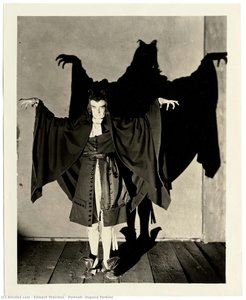 Portrait, Osgood Perkins1923
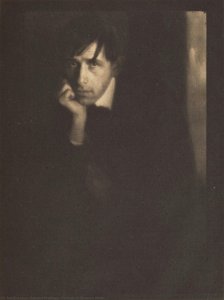 Portrait of Clarence White1905
Essays om Sunflower
 Pictorialism Unveiled: How the Aesthetic Revolution Transformed Photography into Fine ArtExplore the revolution of Pictorialism. Discover how visionary photographers moved beyond documentation to transform the lens into a fine a…
 Det 19. Århundredes Mestre: Top 10 Kunstværker til Din BoligOplev 19. århundredets kunst gennem 10 ikoniske mesterværker! Fra Monet og Manet til Courbet – udforsk romantik, impressionisme & realisme.…
 Sunlight on Canvas: The Radiant Symbolism of Yellow Flowers in Impressionist ArtExplore the profound symbolism of yellow flowers in Impressionist art through expert analysis. Discover the light of the masters today.