1917
Preview slide, Cleopatra (Edward Steichen, 1917)
Edward Steichen (1900–1973) har skabt Preview slide, Cleopatra. Det er fra 1917. Den er udført i Photography. Det opbevares på Museum of the Moving Image i Astoria, USA.
- 1917
- Photography
- Museum of the Moving Image, Astoria

 Håndmalet oliemalerie
 Del som kort
 Del
 Faktablad


 Download
 Lignende værker
 Diasshow
 Spørgsmål og svar

 Statistikker
Preview slide, Cleopatra kort fortalt
- Titel
- Preview slide, Cleopatra
- Kunstner
- Edward Steichen (1900–1973)
- Kunstner født i
- Bivange, Luxembourg
- Dato
- 1917
- Medium
- Photography
- Hvor det kan ses
- Museum of the Moving Image, Astoria, USA
- Periode
- Modern
- Motiv
- woman, headdress, jewelry, yellow text, black background, profile portrait
Hvad forestiller Preview slide, Cleopatra?
A Cinematic Vision of Antiquity
In this mesmerizing preview slide for the 1917 production of Cleopatra, we are transported not merely to an ancient era, but to the dawn of cinematic spectacle. The artwork serves as a breathtaking window into the early 20th-century obsession with grand, "super-productions" that sought to recreate the opulence of Egypt through the lens of Hollywood's burgeoning golden age. At its heart lies the magnetic presence of Theda Bara, the quintessential "vamp" of the silent era, whose portrayal of the Egyptian queen captures a sense of dangerous allure and regal command. The composition is a masterful arrangement of dramatic portraits, where the central figure of Cleopatra, adorned in an intricate headdress and shimmering jewelry, acts as the gravitational pull for the viewer's gaze. Flanking her are secondary figures that hint at the complex web of political intrigue and passion that defines the legend, creating a visual tapestry that promises both intimacy and epic scale.
The aesthetic language of this piece is deeply rooted in the theatricality of the era, utilizing bold, high-contrast elements to command attention. The use of large, ornate yellow typography against a deep black void creates a striking chiaroscuro effect, reminiscent of the dramatic lighting found in stage plays of the period. This interplay of light and shadow does more than just provide legibility; it imbues the poster with a sense of mystery and nocturnal grandeur. The intricate details—from the delicate feathers on the side profiles to the heavy, draped fabrics of the central costume—demonstrate a commitment to texture and tactile realism that was essential in making silent film marketing feel tangible and immersive to an audience far removed from the actual Nile.
The Artistry of Edward Steichen
While this piece functions as a promotional artifact, it carries the unmistakable sophisticated touch of Edward Steichen. A figure who transcended simple categorization, Steichen was a pioneer whose life bridged the worlds of fine art photography, painting, and fashion. His ability to manipulate light and shadow—a skill honed during his formative years in both Europe and America—is evident in the way this composition breathes life into the shadows. The piece embodies the transition from traditional pictorialism to a more modern, editorial style that would later define his legendary work for Vogue and Vanity Fair. For the collector, owning a reproduction of such a work is not merely about possessing a vintage image; it is about embracing a pivotal moment in visual history where photography began to capture the very essence of glamour and myth.
A Sophisticated Statement for Modern Interiors
For the discerning collector or interior designer, this piece offers much more than mere nostalgia; it is a sophisticated statement of cultural history. The high-contrast palette of deep blacks and radiant yellows allows it to serve as a powerful focal point in a variety of contemporary settings. Whether placed in a minimalist gallery-style room or integrated into a richly textured, maximalist study, the artwork brings an air of cinematic drama and historical depth. It invites conversation, acting as a bridge between the ancient legends of Egypt and the modern magic of the silver screen. To display this work is to celebrate the enduring power of storytelling and the timeless allure of the legendary Cleopatra.
Hvilket museum udstiller Preview slide, Cleopatra?
Museum of the Moving Image
Astoria, USA
En portal til pixels: Astorias filmiske sjæl Gemt i det livlige Astoria-kvarter i Queens står Museum of the Moving Image som et enestående og fængslende krydsfelt, hvor kunst, teknologi og historiefortælling smelter sammen. Det er langt mere end blot et depot for artefakter; det er en fordybende oplevelse, der ånder i takt med selve essensen af det moderne liv. Indlejret i de historiske vægge i Kaufman Astoria Studios—et vartegn, der engang genlød af den kreative energi fra Hollywoods guldalder—fungerer museet som et levende vidnesbyrd om filmhistorien.
Højopløselige billeder af Preview slide, Cleopatra

Protected by copyright: these files are for personal reference, not a licence to republish.
Edward Steichen, Preview slide, Cleopatra (1917), Museum of the Moving Image.
Spørgsmål om Preview slide, Cleopatra besvaret
Hvor kan man i dag se "Preview slide, Cleopatra" af Edward Steichen udstillet?
"Preview slide, Cleopatra" af Edward Steichen er udstillet på Museum of the Moving Image, Astoria, USA. Museets fortegnelse henviser til det originale værk og ikke til reproduktioner.
Hvornår blev "Preview slide, Cleopatra" skabt?
"Preview slide, Cleopatra" af Edward Steichen blev skabt i 1917.
Hvilken teknik er "Preview slide, Cleopatra" udført med?
Edward Steichen brugte Photography-teknikken til "Preview slide, Cleopatra". Teknikken definerer det originale værks materielle karakter.
Hvad forestiller "Preview slide, Cleopatra" af Edward Steichen?
Temaerne i "Preview slide, Cleopatra" af Edward Steichen omfatter woman, headdress, jewelry, yellow text, black background, profile portrait, feathers, som tilsammen udgør værkets motivverden.
Er "Preview slide, Cleopatra" fri for ophavsret?
Ophavsretsstatus for "Preview slide, Cleopatra" af Edward Steichen: værket er stadig beskyttet af ophavsret. Dette afgør, om der frit må foretages reproduktioner af billedet.
Hvem har skabt "Preview slide, Cleopatra"?
"Preview slide, Cleopatra" blev skabt af Edward Steichen. Informationen på denne side beskriver Edward Steichens originale værk.
Hvor gammel var Edward Steichen, da vedkommende skabte "Preview slide, Cleopatra"?
Da "Preview slide, Cleopatra" blev skabt i 1917, var Edward Steichen – født i 1900 – 17 år gammel.
Hvad er årsagen til ophavsretsstatus for "Preview slide, Cleopatra" af Edward Steichen?
"Preview slide, Cleopatra" af Edward Steichen er stadig beskyttet af ophavsret. Ophavsretten løber fra kunstnerens dødsår, som var 1973.
Opbevares "Preview slide, Cleopatra" af Edward Steichen i kunstnerens hjemland?
Nej – kunstværket opbevares i udlandet. Edward Steichen blev født i Luxembourg, og det originale værk "Preview slide, Cleopatra" opbevares på et museum i USA.
Om kunstneren, Edward Steichen

1900–1973, Luxembourg
Edward Steichen
Et liv der bygger bro mellem verdener: Edward Steichens kunstneriske odyssé Édouard Jean Steichen, senere kendt som Edward Steichen, var en skikkelse, der transcenderede simpel kategorisering. Han blev født i 1879 i den lille landsby Bivange i Luxembourg, og hans liv blev en ekstraordinær rejse fra europæiske rødder til at blive en af Amerikas mest indflydelsesrige kunstnere – ikke blot som fotograf, men også som maler, kurator og visionær, der omformede vores opfattelse af visuel kultur. De tidlige år var præget af en betydelig flytning; i 1881 emigrerede familien Steichen til Hancock, Michigan, i søgen efter nye muligendeheder. Denne bevægelse indgydede en følelse af rodløshed i den unge Edward og måske også en forøget følsomhed over for observation – kvaliteter, der skulle forme hans kunstneriske vision dybtgående.
Om Edward Steichen Bemærkelsesværdige værker af Edward Steichen
Også af Edward Steichen
 Le Tournesol (The Sunflower)1920
 Behind-the-scenes photograph, Paying the Piper1921
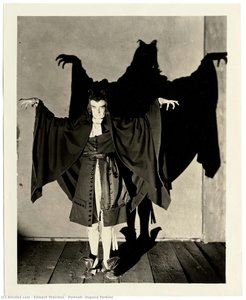 Portrait, Osgood Perkins1923
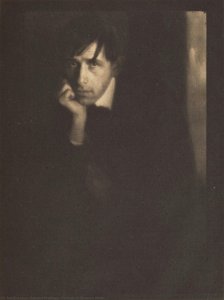 Portrait of Clarence White1905
Essays om Preview slide, Cleopatra
 Decoding Baroque Grandeur: A Masterclass in Drama, Movement, and Emotion in 17th-Century ArtExplore the breathtaking drama of 17th-century Baroque art. Discover how masters used chiaroscuro, movement, and intense emotion to create …
 25 Masterpieces by Amedeo Modigliani: The Soul of Modern PortraitureExplore 25 iconic Modigliani masterpieces and their soulful stories. Discover the full collection online at OriginalUniqueArt.com.
 The Photographic Lens as Fine Art: Tracing the Evolution of Fashion Imagery from Pictorialism to the Avant-GardeTrace the evolution of fashion photography from Pictorialism to the avant-garde. Explore this visual journey through art history now.