American Realism
untitled (Edward Hopper)
Edward Hopper (1882–1967) har skabt untitled. Det tilhører American Realism-bevægelsen. Den er udført i Oil On Canvas.
- Oil On Canvas

 Se i rummet

 Håndmalet oliemalerie
 Del som kort
 Del
 Faktablad


 Download
 Lignende værker
 Røntgenundersøgelse
 Diasshow
 Spørgsmål og svar

 Statistikker
untitled kort fortalt
- Titel
- untitled
- Kunstner
- Edward Hopper (1882–1967)
- Kunstner født i
- Upper Nyack, USA
- Materiale
- Oil On Canvas
- Bevægelse
- American Realism
- Periode
- Modern
- Motiv
- american landscape, isolation, urban scene, victorian house, light and shadow, nostalgia
Hvad forestiller untitled?
A Quietude Steeped in American Light
Edward Hopper’s “untitled,” often referenced as “House by the Railroad” (1925), is more than just a depiction of architecture; it's an evocation of a distinctly American mood, a stillness that resonates with both familiarity and a subtle sense of melancholy. The painting presents a large Victorian-era house, rendered not with photographic precision but through the softened lens of Impressionism. Loose brushstrokes define its ornate details – the decorative columns, arched windows, and varied window shapes – creating an impression of solidity tempered by transience. The house isn’t simply *there*; it exists within a specific quality of light and atmosphere, a feeling that Hopper masterfully captures.
Decoding the American Landscape
Hopper's artistic journey was deeply rooted in his observations of the evolving American landscape, both urban and rural. Born in 1882, he came of age during a period of rapid industrialization and social change. While initially influenced by French Impressionists like Manet and Degas – artists who captured fleeting moments of modern life – Hopper ultimately forged his own path, rejecting European aesthetics in favor of a uniquely American realism. “House by the Railroad” exemplifies this shift. The house itself, with its intricate Victorian detailing, speaks to an earlier era, while the painting’s overall mood hints at a growing sense of isolation and anonymity that characterized modern life. It's not merely a portrait of a building; it’s a commentary on the changing face of America.
Technique and Emotional Resonance
The muted color palette employed in “untitled” – dominated by earthy tones in the lower portion, giving way to a lighter blue sky – contributes significantly to its emotional impact. Hopper wasn't interested in vibrant displays of color; instead, he used tone and light to create atmosphere and evoke feeling. The absence of figures within the scene is also crucial. The house stands alone, a silent sentinel against an expansive sky. This emptiness isn’t necessarily bleak, but rather invites contemplation. It allows the viewer to project their own emotions onto the scene, to experience the quietude as a space for introspection. Hopper's skill lies in his ability to suggest narrative without explicitly telling a story; he presents us with fragments of life and leaves it to us to complete the picture.
A Legacy of Solitude
Though often associated with urban scenes like “Nighthawks,” Hopper’s rural landscapes, such as this one, are equally compelling. They reveal his consistent preoccupation with themes of loneliness, isolation, and the search for meaning in a rapidly changing world. “House by the Railroad” is a testament to Hopper's ability to transform ordinary subjects into powerful statements about the human condition. It’s a painting that lingers in the mind long after viewing, prompting us to consider our own place within the vastness of the American landscape and the complexities of modern life. The work currently resides in the esteemed collection of The Museum of Modern Art in New York, solidifying its position as an iconic representation of 20th-century American art.
Højopløselige billeder af untitled
Beskyttet af ophavsret: disse filer er til personlig reference og udgør ikke en licens til genudgivelse.
Edward Hopper, untitled.
Edward Hopper (1882–1967), untitled, oil on canvas. Billede: OriginalUniqueArt.com.
Spørgsmål om untitled besvaret
Hvilken teknik er brugt til "untitled" af Edward Hopper?
"untitled" er udført i Oil On Canvas.
Hvad forestiller "untitled" af Edward Hopper?
Temaerne i "untitled" af Edward Hopper omfatter american landscape, isolation, urban scene, victorian house, light and shadow, nostalgia, quietude, som tilsammen udgør værkets motivverden.
Er "untitled" af Edward Hopper i det offentlige domæne?
Ophavsretsstatus for "untitled" af Edward Hopper: værket er stadig beskyttet af ophavsret. Dette afgør, om der frit må foretages reproduktioner af billedet.
Hvem er kunstneren bag "untitled"?
Kunstneren bag "untitled" er Edward Hopper. Værket er katalogiseret under Edward Hoppers navn.
Hvilken stilart tilhører "untitled"?
"untitled" er et værk fra American Realism. Denne stilart angiver den kunstneriske tradition, som værket indgår i.
Hvilken fase af Edward Hoppers kunstneriske udvikling repræsenterer "untitled"?
"untitled" tilhører Mature Period i Edward Hoppers karriere. Denne klassificering knytter værket til kunstnerens udvikling.
Hvorfor er ophavsretsstatus for "untitled" som den er?
"untitled" af Edward Hopper er stadig beskyttet af ophavsret. Ophavsretten beregnes ud fra kunstnerens dødsår, og Edward Hopper døde i 1967.
Hvor placerer "untitled" sig i forhold til Edward Hoppers samlede værk?
I Edward Hoppers samlede værk placerer "untitled" sig i American Realism-stilen, sammen med temaerne omkring impressionism, american realism, modernity, urban isolation, social commentary, anonymity, hopper’s signature style”,, solitude.
Er "untitled" typisk for det, som Edward Hopper normalt skabte?
Edward Hoppers gennemgående temaer inkluderer impressionism, american realism, modernity, urban isolation, social commentary, anonymity, hopper’s signature style”,, solitude; "untitled" fokuserer på american landscape, isolation, urban scene, victorian house, light and shadow, nostalgia, quietude.
Om kunstneren, Edward Hopper
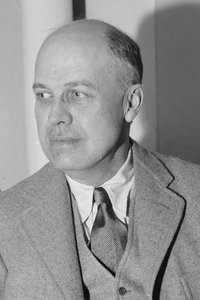
1882–1967, USA
Edward Hopper
Den amerikanske scenes stilhed Edward Hopper blev født i Upper Nyack, USA. Hans tidlige år blev brugt på at betragte verden med et uafbrudt og skarpt blik, en vane der tog sin begyndelse med barndommens skitser, som han omhyggeligt daterede og underskrev. Selvom hans forældre foreslog en praktisk karrierevej inden for kommerciel illustration, forblev hans fokus rettet mod den skønne kunst. Han studerede ved New York School of Art under William Merritt Chase og Robert Henri.
Også af Edward Hopper
 Natuglerne, Kunstinstituttet i Chicago, Chica1942
 Automat (lille)
 Hus ved jernbanen1925
 New York Movie1939
Essays om untitled
 American artworks of the 1900sIn 1908, Lewis Wickes Hine used his lens to expose the grit of industrial life and the reality of child labor through the eyes of Cora Lee …
 Harlem Renaissance vs. American Scene Painting: Defining Two Eras of US ArtAaron Douglas used flat silhouettes and rhythmic patterns to affirm identity, while Edward Hopper captured the quiet solitude of urban life.
 American artworks of the 1930s1930s American art captures a nation in flux through 5 works by Grant Wood, Georgia O'Keeffe, Edward Hopper, and Jackson Pollock.