

 Se i rummet
 Send
Send Del
Del
 Detaljer
 Studieguide til kunstværker

 Download
 Lignende værker
 Røntgenundersøgelse
 Se diasshow
 Statistik
Nude
 Olie på lærred
- Vægkunst
- Expressionism
 1896
1896- det 19. århundrede
 65.0 x 50.0 cm
 Rasmus Meyers Samling
 Læs mere
Giclée / Kunsttryk
Giclée- eller lærredstryk i museumskvalitet med hurtig produktion og fleksible muligheder for finish. ( Bestil håndmalet reproduktion Skift til digitalt billede)




P118B Dkr10

P118H Dkr10

P118W Dkr10

P438Z Dkr10

P508JH Dkr12

P508YH Dkr12

P805H Dkr10

P805Z Dkr10

P919BZ Dkr10

P919G Dkr10

P919XJ Dkr10

P959ZH Dkr10

P968JZ Dkr12

W106C Dkr8

W218G Dkr10

W218JH Dkr8

W218Y Dkr10

W307PJ Dkr10

W316G Dkr10

W316PJ Dkr8

W316Y Dkr10

W398PJ Dkr8

W4111J Dkr10

W500HY Dkr15

W500JH Dkr15

W692G Dkr12

W849H Dkr8

W940BG Dkr15

W953PJ Dkr8




Vælg mellem vores forudindstillede størrelser, der matcher kunstværkets originale proportioner.

Indtast den bredde og højde, du har brug for, så det passer til din ramme eller din væg. Et print kan kun beskæres, aldrig gøres større end billedet, så en størrelse med en anden form vil miste en del af motivet. Vi sender dig en digital mockup til godkendelse, før vi printer noget. Billedet vist på denne side viser ikke den faktiske beskæring — det er kun mockuppen, der gør.
Verdensomspændende levering () på 2 uger i stedet for de sædvanlige 4/5 uger. (18 oktober)

Gratis ekspresforsendelse til hele verden

Lærred af linned i høj kvalitet

Komplet transportforsikring

Garanti for refusion af told og importafgifter

Garanti for autentisk farvegengivelse

100 dages returret ved fabrikationsfejl

100% fuld returret

Mængderabat ved flere køb
 Glasmulighed er kun tilgængelig i størrelser under 110 cm

Nude
Giclée / Kunsttryk
Reproduktionsstørrelse
-


Samlet pris
Dkr 528
The Weight of Silence: Edvard Munch’s “Nude”
Edvard Munch's "Nude," painted in 1896 during his formative years in Paris, isn’t merely a depiction of a woman seated on a bench; it’s a profound exploration of the human psyche grappling with anxiety, isolation, and the unsettling beauty of vulnerability. Created amidst a period of intense personal turmoil for Munch – marked by illness, loss, and a burgeoning awareness of his own mental fragility – this work stands as a cornerstone of Expressionism, capturing not just an image but a raw emotional state. The painting’s power resides in its deliberate ambiguity, inviting viewers to project their own anxieties onto the figure's enigmatic posture and the ominous backdrop.
The composition itself is strikingly simple yet deeply resonant. A woman sits on a weathered wooden bench, her back turned towards us, creating an immediate sense of distance and privacy. She wears a flowing dress, glimpsed only in the lower portion of the canvas – a deliberate choice that emphasizes her detachment from the viewer and suggests a world beyond our comprehension. Her hair is pulled back into a neat bun, a small detail that subtly contrasts with the overall feeling of unrest. Most arresting, however, is the vibrant red background, an audacious splash of color that dominates the scene. This isn’t a comforting sunset; it's a pulsating, almost violent hue, hinting at suppressed emotions and impending doom – a visual representation of the internal struggles Munch was so acutely aware of.
A Symphony of Color and Brushstroke
Munch’s technique in “Nude” is characterized by an unrestrained use of color and expressive brushstrokes, hallmarks of his Expressionist style. He eschews meticulous detail in favor of conveying feeling through the manipulation of pigment and texture. The red background isn't blended smoothly; instead, it’s applied with thick, agitated strokes, creating a sense of movement and instability. Similarly, the woman’s dress is rendered with loose, swirling brushstrokes, suggesting both vulnerability and a certain defiant grace. Munch employed oil paints on wood, allowing for rich color saturation and textural depth – qualities that amplify the painting's emotional intensity.
The use of color itself is crucial to understanding the work’s meaning. Red, often associated with passion, danger, and violence, dominates the scene, creating a palpable sense of unease. The subtle variations in tone within the red—from deep crimson to lighter shades—suggest a complex emotional landscape, hinting at both desire and dread. The limited palette – primarily red punctuated by touches of muted earth tones – contributes to the painting’s claustrophobic atmosphere, trapping the viewer within the woman's internal world.
Echoes of “The Frieze of Life” and a Personal Journey
"Nude" is inextricably linked to Munch’s broader artistic project, "The Frieze of Life," a series of paintings exploring themes of love, anxiety, jealousy, and betrayal. This series reflects Munch's own tumultuous personal life, marked by loss, illness, and the looming threat of mental instability. The woman in “Nude” can be interpreted as an embodiment of these anxieties – a figure caught between desire and despair, vulnerability and strength.
Munch’s artistic development during this period was profoundly influenced by his time in Paris, where he encountered the works of Paul Gauguin, Vincent van Gogh, and Henri de Toulouse-Lautrec. These artists encouraged him to embrace bold colors, expressive brushstrokes, and a subjective approach to depicting reality. The influence of these masters is evident in “Nude,” particularly in its vibrant color palette and emotionally charged atmosphere – though Munch ultimately forged his own unique style, rooted in his deeply personal experiences.
A Legacy of Anguish and Innovation
“Nude” stands as a pivotal work in the history of art, solidifying Edvard Munch’s position as a pioneer of Expressionism. It's a hauntingly beautiful depiction of human vulnerability, capturing the raw emotions that lie beneath the surface of everyday life. While often associated with darkness and despair, the painting also possesses a strange allure – a testament to the power of art to confront difficult truths and explore the complexities of the human condition.
Beyond its artistic significance, “Nude” continues to resonate deeply with viewers today, serving as a potent symbol of modern angst and the enduring struggle to find meaning in a chaotic world. For those seeking a deeper understanding of Munch’s work or desiring a high-quality reproduction of this iconic painting, Edvard Munch: Nude is available on OriginalUniqueArt.com, offering detailed insights and stunning visual reproductions.
To explore more of Munch’s oeuvre and the broader context of Expressionism, we encourage you to visit Edvard Munch on Wikipedia and explore related works such as Paula Modersohn-Becker and Ernst Ludwig Kirchner.
Spørgsmål & svar
Hvilken stilart tilhører "Nude"?
Den kunstretning, der er forbundet med "Nude" af Edvard Munch, er Expressionism. Denne klassificering placerer værket blandt relaterede kunstnere og kunstværker.
Hvordan forenes kontrast og harmoni i "Nude"?
Farvesammensætningen i "Nude" af Edvard Munch forener en Udsagn kontrast med en Strong Color Unity harmoni.
Hvilken følelse skaber farverne i "Nude" af Edvard Munch?
I "Nude" ledsages en Melankolsk følelse af Mørke toner farver.
Om kunstneren
Et liv i skyggens tegn: Edvard Munchs verden
Edvard Munch, født i 1863 midt i Norges barske landskaber, blev en kunstner hvis arbejde hurtigt kom til at symbolisere moderne tids angst og emotionelle uro. Hans liv var dybt præget af tab og en gennemtrængende melankoli, som blev kilden til hans udtryksfulde kunst. Fra en barndom overskygget af tidlig død – både moderen og søsteren døde af tuberkulose – udviklede Munch en hjemsøgende optagethed af dødelighed, sygdom og menneskets skrøbelige eksistens. Disse oplevelser var ikke blot biografiske detaljer; de blev kernen i hans kunstneriske vision, der drev en utrættelig udforskning af frygtens, sorgens og længslens indre landskab. Faderens strenge religiøse overbevisninger og Munchs egne mentale kampe bidrog yderligere til en følelse af fortvivlelse, som gennemsyrede hans verden og formede ikke blot hans personlige liv, men også det symbolske sprog i hans malerier. Han nøjedes ikke med at gengive scener; han eksternaliserede en indre tilstand, oversatte psykisk nød til visuel form.
Fra tidlig træning til sjælmaling
Munchs kunstneriske rejse begyndte med formel undervisning på Statens Kunstakademi i Kristiania (Oslo), men det var hans møde med det boheme miljø og Hans Jægers nihilistiske filosofi, der virkelig tændte hans kreative ild. Jæger opfordrede Munch til at forlade konventionelle akademiske stilarter og i stedet dykke ned i sin egen subjektive oplevelse – et koncept han kaldte “sjælmaling”. Dette afgørende skift markerede begyndelsen på Munchs karakteristiske stil, der er præget af rå følelser, forvrængede former og en afvisning af naturalistisk gengivelse. Hans rejser til Paris i 1890’erne udsatte ham for den spirende postimpressionisme, hvor han absorberede indflydelser fra kunstnere som Paul Gauguin, Vincent van Gogh og Henri de Toulouse-Lautrec. Den dristige brug af farver, ekspressive penselstrøg og psykologiske intensitet hos disse mestre resonerede dybt med Munchs egne kunstneriske tilbøjeligheder. Han imiterede ikke blot deres teknikker; han syntetiserede dem til noget unikt sit eget – et visuelt sprog der var i stand til at formidle de mest dybe og foruroligende menneskelige følelser. Hans tid i Berlin viste sig også afgørende, da han kom i kontakt med dramatikeren August Strindberg, hvis udforskning af psykologiske temaer yderligere stimulerede Munchs kunstneriske undersøgelser.
Ikoniske visioner: Hovedværker og deres symbolske vægt
Munchs oeuvre er befolket af billeder, der er blevet dybt indgraveret i den kollektive bevidsthed. Skriget, måske hans mest ikoniske værk, transcenderer sin status som maleri og bliver et universelt symbol på eksistentiel angst. Det hvirvlende, flammende landskab og figurens forvrængede ansigt legemliggør et ur-skrig mod universets ligegyldighed. Madonna, et kontroversielt og dybt personligt stykke, udforsker temaer som seksualitet, moderskab og dødelighed med urovækkende ærlighed. Gengående motiver som Det syge barn – inspireret af tabet af hans søster Sophie – tjener som gribende påmindelser om Munchs barndomstraume og den evigt tilstedeværende dødsskygge. Melankoli I & II, kraftfulde fremstillinger af dyb sorg og isolation, afslører en sårbarhed, der er både personlig og universelt relaterbar. Disse værker er ikke blot repræsentationer af den ydre virkelighed; de er vinduer ind i kunstnerens sjæl, der tilbyder beskueren et kompromisløst blik på menneskets psykes mørkeste kroge. Munch sigtede ikke efter at skabe smukke billeder; han søgte at formidle sandheden – selvom den var smertefuld og urovækkende.
En varig arv: Historisk betydning og vedvarende indflydelse
Edvard Munchs bidrag til moderne kunst er umåleligt. Han står som en central figur i udviklingen af ekspressionismen, der banede vejen for kunstnere, der prioriterede subjektiv følelse over objektiv gengivelse. Hans utrættelige udforskning af universelle menneskelige oplevelser – kærlighed, tab, angst og død – fortsætter med at resonere hos publikum i dag og cementerer hans plads som en af de mest indflydelsesrige og varige figurer i kunsthistorien. Hans arbejde har haft dybtgående virkninger på efterfølgende generationer af kunstnere og påvirket bevægelser som tysk ekspressionisme og videre. Han turde konfrontere menneskets tilstands mørkere aspekter, udfordre konventionelle forestillinger om skønhed og kunstnerisk repræsentation. Selv efter at have opnået berømmelse og anerkendelse – kulminerende i etableringen af Munch-museet i Oslo – forblev hans personlige liv turbulent, præget af perioder med mental ustabilitet og isolation. Alligevel fortsatte han med at skabe, og efterlod sig et oeuvre der fortsætter med at provokere, udfordre og inspirere. Munchs arv handler ikke kun om malerierne selv; det handler om modet til at konfrontere menneskets eksistens kompleksitet og at oversætte disse oplevelser til kunst, der taler til de dybeste dele af vores væsen.
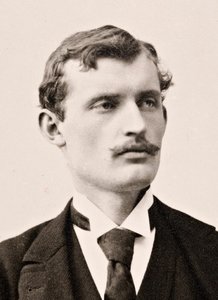
Edvard Munch
1863 - 1944 , Sverige
Hurtige fakta
- Bemærkelsesværdige Værker:
- The Scream
- Madonna
- The Sick Child
- Dødsdato: 23. januar 1944
- Fulde Navn: Edvard Munch
- Fødested: Ådalsbruk, Sverige
- Fødselsdato: 12. december 1863
- Inspireret Af Kunstnere:
- Paul Gauguin
- Van Gogh
- Toulouse-Lautrec
- Kunstnerisk Stil: Ekspressionisme
- Nationalitet: Norsk
- Påvirkede Kunstnere/Bevægelser: ['Tysk ekspressionisme']
Relaterede artikler

Crimson Threads of Narrative: Exploring Symbolism & Representation in Artworks Featuring the Red Dress
Explore the rich symbolism of the red dress in art history! From ancient power displays to iconic portraits like Cézanne’s 'Madame Cezanne', discover the cultural and artistic significance behind this captivating color. Expert analysis & insights.

Edvard Munch: Anxiety, Modernity & the Dawn of Expressionism
Explore the profound world of Edvard Munch, pioneer of Expressionism. Discover the origins of 'The Scream' & his haunting depictions of anxiety, mortality, and love. Expert analysis & high-quality reproductions at OriginalUniqueArt.
Top 10 Ekspressionistiske Mesterværker: Kunst der Rører Sjælen – OriginalUniqueArt.dk
Oplev de 10 mest ikoniske ekspressionistiske malerier! Fra Munchs Skrig til Kandinskys abstraktion – dyk ned i kunstens sjæl og intensitet. Find museumskvalitets reproduktioner & inspiration til din indretning på OriginalUniqueArt.com

Mark Rothkos 25 Mesterværker: En Emotionel Rejse i Farver & Kunst | OriginalUniqueArt.dk
Oplev Mark Rothkos 25 mest ikoniske malerier – en dybdegående rejse i abstrakt ekspressionisme og farvefeltmaleri. Lær historien bag værkerne & find inspiration til din indretning med OriginalUniqueArt.dk. Udforsk samlingen online!
Edvard Munchs 25 Mesterværker: En Kunstnerisk Rejse Ind i Sjælen | OriginalUniqueArt
Oplev Edvard Munchs 25 mest ikoniske malerier – fra 'Skriget' til hans dybdegående symbolisme. Lær om kunstnerens liv, ekspressionismen og køb museumskvalitets reproduktioner på OriginalUniqueArt.com. Find inspiration til dit hjem!


