
 Se i fuld skala
 Del
Del Del
Del
 Detaljer

 Download
 Lignende værker
 Røntgenundersøgelse
 Diasshow
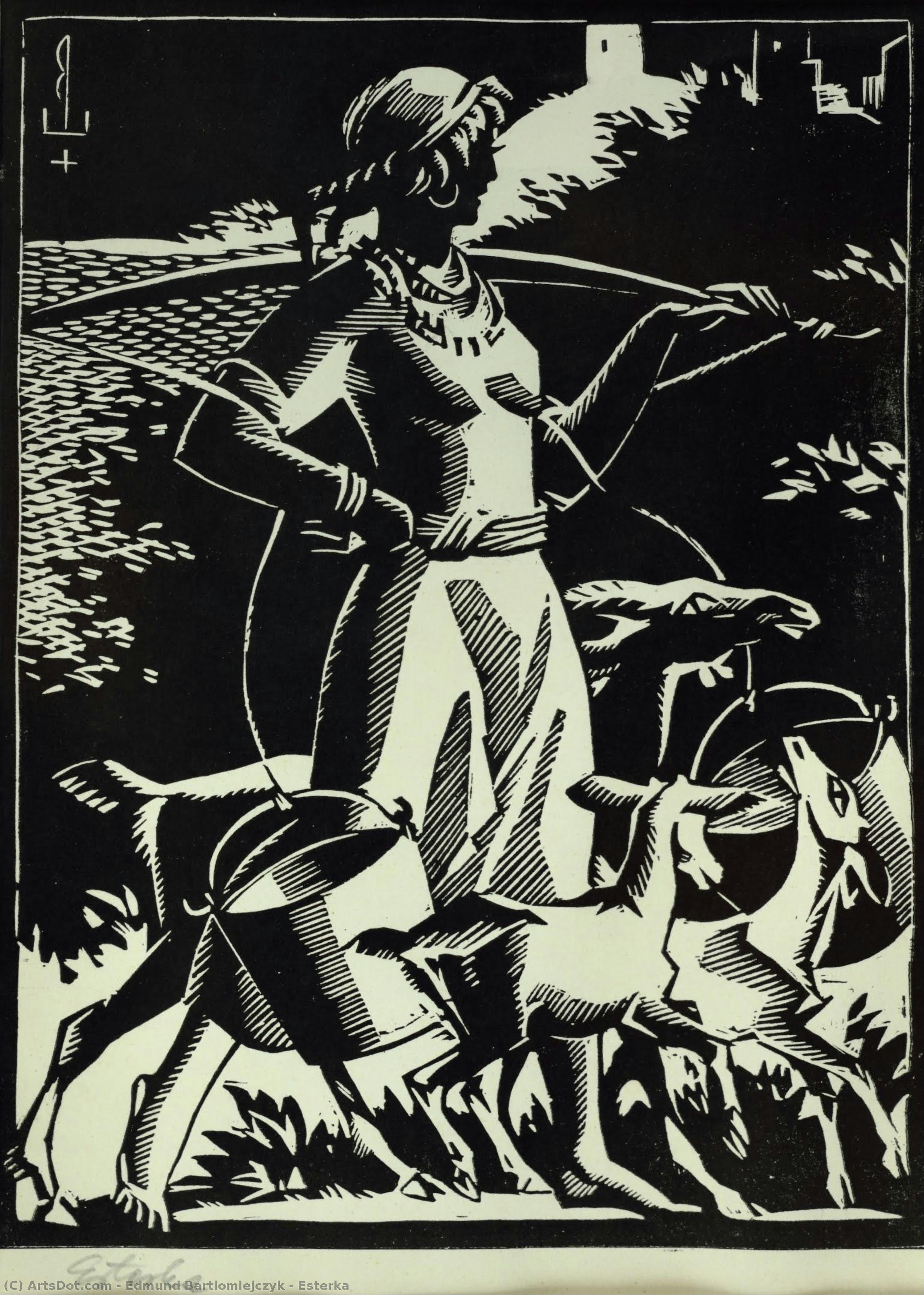
Esterka


 Se mere
Håndlavet oliereproduktion
Håndmalet olie på lærred i din valgte størrelse og ramme, udført efter bestilling af vores kunstnere. ( Skift til print Skift til billede)




































Vælg mellem vores forudindstillede størrelser, der matcher kunstværkets originale proportioner.

Du kan indtaste dine egne mål for at passe til en bestemt ramme eller plads. Hvis den valgte størrelse ikke stemmer overens med det originale billedes proportioner, vil vi enten beskære kunstværket eller udvide maleriet med yderligere håndmalede elementer. En digital skitse sendes til din godkendelse, før produktionen påbegyndes.
Bemærk venligst, at forhåndsvisningen på skærmen ikke afspejler den faktiske beskæring eller udvidelse. Kun skitsen vil nøjagtigt vise den endelige komposition.
Selvom specialmål er mulige, anbefaler vi at vælge en dimension fra den foruddefinerede liste for at bevare de originale proportioner.
Efter bestilling vil OriginalUniqueArt.com team sende en e-mail til kunden for at få instruktioner og levere et udkast til en skitse.
Levering i hele verden () på 3/4 uger i stedet for de standard 5 uger. (4 august). Ingen kompromiser med kvaliteten.

Gratis ekspresforsendelse til hele verden

Lærred af linned i høj kvalitet

Fuld transportforsikring

Garanti for refusion af told og importafgifter

Garanti for præcis farvegengivelse

60 dages returret (kun ved fabrikationsfejl)

100% Tilfredshedsgaranti

Mængderabat tilgængelig
 Glasmulighed er kun tilgængelig i størrelser under 110 cm

Esterka
Reproduktionsmetode
Størrelse på reproduktion
-


Samlet pris
$ 300
Kunstnerens biografi
Edmund Bartłomiejczyk: A Painter of Everyday Life and River Landscapes
Edmund Bartłomiejczyk (5 November 1885 – 2 September 1950 Warsaw, Poland) was a Polish painter whose distinctive style captured the essence of rural life and particularly the serene beauty of river landscapes. Born in Łódź, Poland, he pursued his artistic ambitions with unwavering dedication throughout his lifetime, leaving behind a legacy of evocative paintings that continue to resonate with viewers today. Bartłomiejczyk’s formative years were marked by exposure to Impressionistic influences—particularly those championed by Claude Monet and Pierre-Auguste Renoir—which instilled in him a fascination for capturing fleeting moments of light and color. This aesthetic sensibility would become a cornerstone of his artistic vision, guiding his approach to portraying scenes from the Polish countryside. He meticulously observed the rhythms of daily life, depicting farmers tending their fields, children playing by the riverbanks, and families gathered around hearth fires—subjects rendered with remarkable sensitivity and detail. His technique involved layering thin washes of pigment onto canvas, creating luminous surfaces that conveyed a palpable sense of atmosphere. Bartłomiejczyk skillfully utilized complementary colors to heighten visual impact and achieved textural nuances through subtle brushstrokes. Unlike many artists of his era who favored grand narratives or idealized representations, Bartłomiejczyk’s focus remained firmly grounded in the tangible realities of rural Poland—a deliberate choice that speaks volumes about his artistic convictions. Bartłomiejczyk gained recognition for his contribution to the art competition at the 1932 Summer Olympics held in Berlin. His painting “Esterka” was displayed alongside works from other artists representing nations across Europe, showcasing Polish artistic talent on an international stage. This participation solidified his reputation as a respected figure within the Polish art community and ensured that his work would be remembered for its honest portrayal of human experience. Beyond the Olympics, Bartłomiejczyk’s oeuvre includes notable pieces like “Rafts on the Vistula” and “Quarrymen of Purbeck, Dorset.” These paintings exemplify his masterful command of color and composition—particularly evident in "Rafts on the Vistula," where he skillfully captures the misty reflections of trees on the surface of the river. His dedication to capturing natural beauty cemented his place as one of Poland’s foremost landscape painters. Bartłomiejczyk's artistic legacy extends beyond individual artworks; it embodies a humanist impulse—a desire to depict ordinary people and places with dignity and compassion. He remains an important artist for understanding Polish art history and the Impressionistic movement's impact on European painting.
edmund bartlomiejczyk
1885 - 1950 , Poland
Kort om kunstneren
- Artistic Movement Or Style: Realism
- Artists Or Movements Influenced By This Artist: ['European Painting']
- Artists Who Influenced This Artist: ['Henryk Tanworth Wells']
- Date Of Birth: November 5, 1885
- Date Of Death: September 2, 1950
- Full Name: Edmund Bartłomiejczyk
- Nationality: Polish
- Notable Artworks:
- Esterka
- Rafts on the Vistula
- Place Of Birth: Warsaw, Poland

