
 Se i rummet
 Del som kort
 Del
Del
 Detaljer
 Guide
Guide

 Download
 Lignende værker
 Røntgenundersøgelse
 Diasshow
 Spørgsmål og svar
 Statistikker
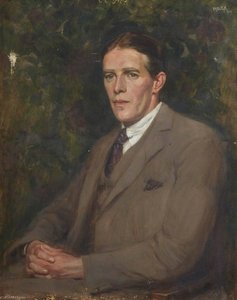
Malcolm Macleod

- 127.0 x 102.0 cm

 Vis mere
Få en printklar fil, der rækker langt ud over web-forhåndsvisningen. Hvert digitalt billede, vi sælger, stammer fra en højopløst master i vores database — typisk mellem 5.000 og 15.000 pixels i bredden — så du med selvtillid kan printe stort, beskære tæt eller gengive fine detaljer.
Ingen fil forlader vores studie uden at være blevet behandlet. En digital ekspert kontrollerer farverne i forhold til det originale maleri og korrigerer dem efter behov, hvorefter klarhed og detaljer forbedres med professionelle retoucheringsværktøjer — altid med fuld respekt for kunstnerens penselstrøg og stil. Resultatet er et billede, der ligner selve maleriet, og ikke blot et scannet billede med et filter.
Du godkender først, når du er tilfreds: Vores ekspert sender billedet til din gennemgang via e-mail inden for 72 timer. Ikke tilfreds? Bed om rettelser eller forbedringer, eller anmod om en refundering, hvis kvaliteten ikke lever op til forventningerne.
Dette er den kvalitet, som forlag, designstudier, gallerier og trykkerier stoler på.
Digitalt billede
Download en højopløselig fil til personlig fremvisning, print og kreative projekter. ( Skift til printsalg Køb håndmalet maleri)
Inkluderet i alle ordrer på digitale billeder
Ekspertise i digital levering, garanteret
Når du vælger OriginalUniqueArt.com, får du ikke blot et billede – du modtager et professionelt optimeret digitalt kunstværk, skabt med præcision og sikret med en tilfredshedsgaranti. Her er alt, hvad din ordre automatisk indeholder:

Hurtig levering via e-mail
Din højtopløselige digitale billedfil sendes til din e-mail inden for 72 timer efter bestilling – klar til øjeblikkelig brug.

AI-optimeret digital fil
Dit kunstværk optimeres professionelt ved hjælp af avancerede AI-værktøjer og manuel redigering, hvilket sikrer maksimal detaljegrad, klarhed og farvenøjagtighed.

Gratis livslang genlevering
Har du ved en fejl slettet eller mistet din fil? Ingen bekymring – vi sender den igen til enhver tid, helt gratis.

Ingen importgebyrer – nogensinde
Nyd dit kunstværk med det samme uden told, afgifter eller leveringsgebyrer – digitale downloads er altid skattefrie.

Garanteret farvenøjagtighed
Vi sikrer, at dit digitale billede gengiver de originale farver så præcist som muligt ved hjælp af professionelle værktøjer og farvestyring.

100 dages tilfredshedsgaranti
Hvis du ikke er tilfreds med dit digitale billede, vil vi revidere det eller refundere 100% inden for 100 dage – uden spørgsmål.

100% Pengene tilbage-garanti
Ik tilfreds? Få fuld refusion inden for 100 dage efter modtagelse af din digitale fil – uden spørgsmål.

Mængderabat ved storkøb
Køb 3 billeder, spar 10% - Køb 5, spar 15% - Køb 10+, spar 20%. Ideelt til kreative projekter, gallerier og bureauer.
Kunstnerens biografi
Duncan MacGregor Whyte: A Highland Visionary
Duncan Macgregor Whyte, a name perhaps less familiar than some of his contemporaries, nevertheless holds a significant place in the landscape of 19th and early 20th-century Scottish art. Born in Oban, Argyll, in 1866, into a family steeped in religious leadership – his father was a Congregational Minister – Whyte’s artistic journey began not within formal academies but through observation and immersion in the rugged beauty of his native Highlands. This formative experience would profoundly shape his distinctive style, characterized by a deep connection to the land, a nuanced understanding of light, and an ability to capture both the grandeur and the quiet intimacy of Highland life.
Early influences were diverse. Whyte’s artistic training commenced in Glasgow, providing him with a grounding in traditional techniques. However, recognizing the need for broader exposure, he travelled extensively throughout Europe, studying under masters like Van Havermaet in Antwerp and Delécluse in Paris. These periods weren't merely about technical skill; they represented an encounter with different artistic philosophies – particularly the Impressionist movement’s emphasis on capturing fleeting moments of light and atmosphere – which would subtly inform his own approach. Crucially, it was in Paris that he met Mary Baylis Barnard, a fellow artist who became his wife and lifelong collaborator, sharing not only a life but also an artistic vision.
The Palette of the Highlands
Whyte’s oeuvre is predominantly defined by two recurring themes: landscapes and portraits. While he produced numerous seascapes – often depicting the dramatic coastline around Oban and Tiree – it was his depictions of Highland scenery that truly cemented his reputation. These aren't romanticized, idealized vistas; rather, they are rendered with a remarkable honesty, capturing the harshness of the weather, the textures of the peat bogs, and the ever-changing light on the hillsides. He frequently depicted scenes of rural life – shepherds tending their flocks, crofters working the land, and families gathered around fires – offering intimate glimpses into the daily rhythms of Highland communities.
His portraiture, equally compelling, showcased a keen eye for capturing character and personality. He painted members of the local gentry, clergy, and ordinary folk alike, often employing a rich palette of browns, greens, and greys to evoke the mood and atmosphere of his subjects. The portraits are not merely likenesses; they possess a palpable sense of presence, reflecting the dignity and resilience of those he depicted.
Technique and Style
Whyte’s technique evolved considerably throughout his career. Initially influenced by academic traditions, he gradually embraced looser brushwork and brighter colors, mirroring the Impressionist movement's impact. His later works demonstrate a growing confidence in capturing atmospheric effects – particularly the way light interacts with water and stone – through subtle shifts in tone and color. He was a master of layering paint to create depth and texture, and his use of glazing techniques allowed him to build up luminous surfaces that shimmered with reflected light.
His style can be described as ‘Highland Impressionism’ - a synthesis of traditional landscape painting with the innovative approaches of the late 19th-century avant-garde. He avoided overt sentimentality, instead focusing on conveying a sense of place and time through careful observation and skillful execution.
Legacy and Recognition
Duncan Macgregor Whyte’s work remained largely unheralded during his lifetime, though he exhibited at prestigious venues such as the Royal Scottish Academy and the Walker Art Gallery. He established a studio in Balevullin on Tiree, where he continued to paint until his death in 1953, aged 86. It wasn’t until decades after his passing that his work began to receive wider recognition, thanks to the efforts of art historians and collectors who appreciated his unique vision.
Today, Whyte's paintings are held in several important collections, including those of the Kelvingrove Art Gallery and Museum in Glasgow and the State Art Collection of the Art Gallery of Western Australia. His legacy endures as a testament to the power of observation, the beauty of the Scottish Highlands, and the enduring appeal of a painter who captured the spirit of his homeland with remarkable skill and sensitivity.
Duncan Macgregor Whyte
1866 - 1953
Kort fortalt
- Full Name: Duncan MacGregor Whyte
- Nationality: Scottish
- Date Of Birth: 1866
- Date Of Death: 1953
- Place Of Birth: Oban, Argyll, Scotland
- Notable Artworks:
- Dugald McIsaac
- Hugh MacGowan
- The Last Rays of Day
- Artistic Movement Or Style: Portraiture, Landscape, Seascape
- Artists Who Influenced This Artist:
- Van Havermaet
- Delécluse
- Artists Or Movements Influenced By This Artist: ['Scottish Colourists']