
 Se i fuld skala
 Del
Del Del
Del
 Detaljer

 Download
 Lignende værker
 Røntgenundersøgelse
 Diasshow
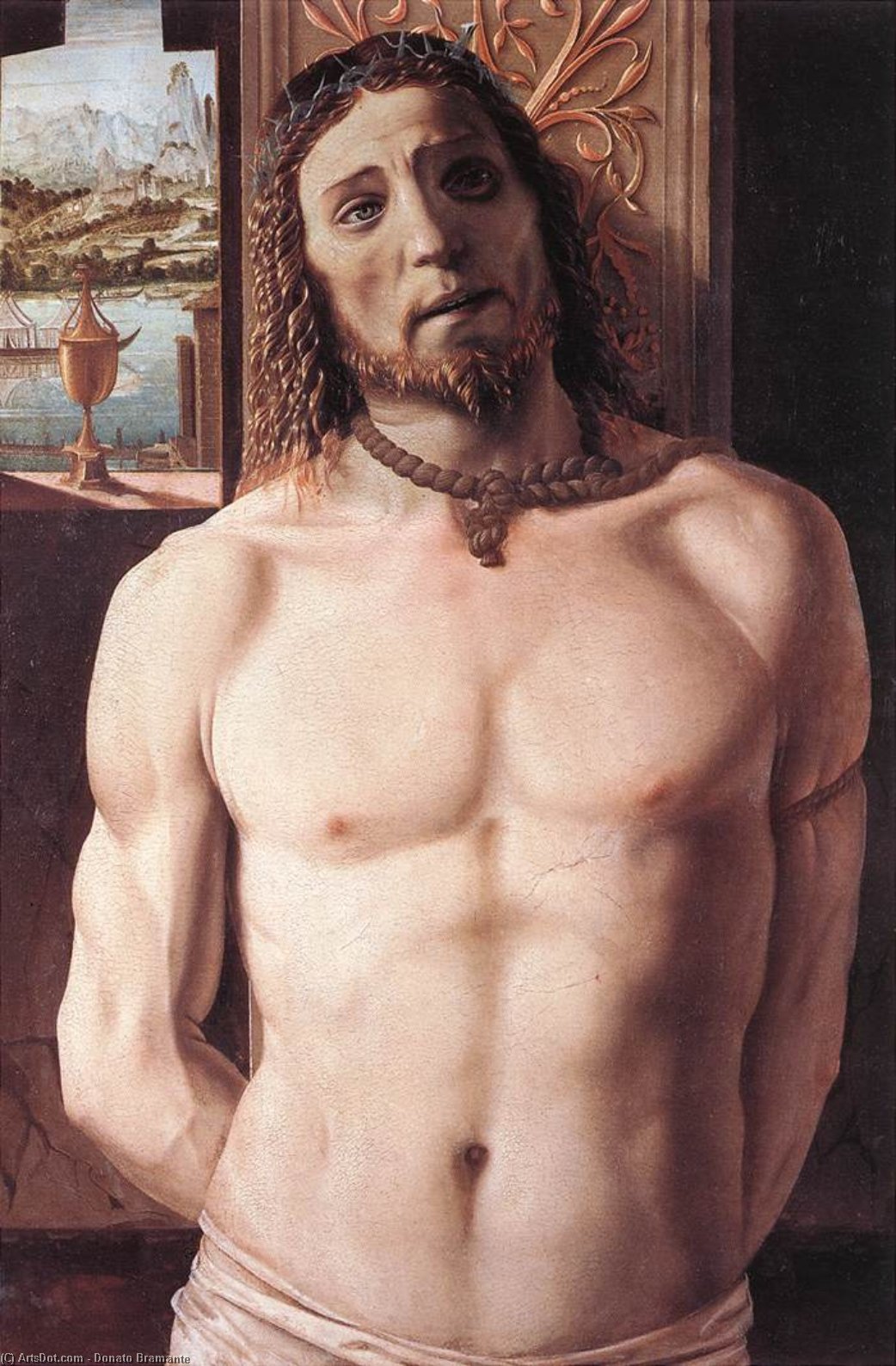
Christ at the Column
 Acrylic On Canvas
- WallArt
 1490
1490 93.0 x 62.0 cm
 Pinacoteca di Brera
 Se mere
Køb et højopløst, forbedret digitalt billede, der er langt bedre end online-forhåndsvisningen.
Hver fil er omhyggeligt forberedt af vores interne specialister ved hjælp af avancerede værktøjer og ekspertmæssig manuel retuschering. Vi sikrer, at hvert billede har enestående klarhed, præcis farvegengivelse og fine detaljer.
Den endelige fil leveres via e-mail inden for 72 timer og er optimeret til øjeblikkelig brug i professionelle, redaktionelle og trykte miljøer. Det er den samme kvalitet, som førende designstudier, forlag og gallerier har tillid til.
Digitalt billede
Download en højopløselig fil til personlig fremvisning, print og kreative projekter. ( Køb print Køb håndlavet maleri)
Inkluderet i alle ordrer på digitale billeder
Ekspert digital levering, garanteret
Når du vælger OriginalUniqueArt.com, får du ikke blot et billede – du modtager et professionelt optimeret digitalt kunstværk, skabt med præcision og sikret med en tilfredshedsgaranti. Her er alt, hvad din ordre automatisk indeholder:

Hurtig levering via e-mail
Din højkvalitets digitale billedfil vil blive sendt til din e-mail inden for 72 timer efter bestilling – klar til øjeblikkelig brug.

AI-optimeret digital fil
Dit kunstværk optimeres professionelt ved hjælp af avancerede AI-værktøjer og manuel redigering, hvilket sikrer maksimal detaljegrad, klarhed og farvenøjagtighed.

Gratis livslang genlevering
Har du ved en fejl slettet eller mistet din fil? Ingen bekymring – vi sender den igen til enhver tid, helt gratis.

Ingen importgebyrer – nogensinde
Nyd dit kunstværk med det samme uden told, afgifter eller leveringsgebyrer – digitale downloads er altid skattefrie.

Garanteret farvenøjagtighed
Vi sikrer, at dit digitale billede gengiver de originale farver så præcist som muligt ved hjælp af professionelle værktøjer og farvestyring.

60 dages tilfredshedsgaranti
Hvis du ikke er tilfreds med dit digitale billede, vil vi revidere det eller refundere 100% inden for 60 dage – uden spørgsmål.

100% Pengene tilbage-garanti
Ik tilfreds? Få fuld refusion inden for 60 dage efter modtagelse af din digitale fil – uden spørgsmål.

Mængderabat
Køb 3 billeder, spar 10% - Køb 5, spar 15% - Køb 10+, spar 20%. Ideelt til kreative projekter, gallerier og bureauer.
Kunstnerens biografi
Petrus Christus: Broen mellem Middelalder og Renæssance
Petrus Christus, et navn stort set ukendt i århundreder, står som en skelsættende figur i overgangen mellem den sene gotik og renæssancens tidlige kunst i Nordeuropa. Født omkring 1410/1420 i Baarle nær Antwerpen og primært aktiv i Brugge fra 1444 til sin død omkring 1475/1476, hviler Christuss’ arv ikke på storslåede, revolutionære værker, men snarere på en stille innovativ tilgang til maleriet – en tilgang der kombinerede minutiøs detalje med en spirende fornemmelse af volumen og perspektiv. Han repræsenterer en vital bro mellem middelalderperiodens højt stiliserede, illuminerede manuskripter og renæssancens gryende naturalisme, hvilket demonstrerer en bemærkelsesværdig evne til at absorbere og tilpasse påvirkninger fra forskellige kilder.
Christuss tidlige liv forbliver delvist indhyllet i mystik. Det menes, at han var læreplæge hos Jan van Eyck, den mest berømte maler i sin samtid, selvom den præcise natur af dette forhold – om det var som en sand elev eller blot en studerende i van Eycks værksted – stadig debatteres af forskere. Den minutiøse detalje og præcise gengivelse, der er tydelig i Christuss arbejde, antyder stærkt en indflydelse fra van Eycks banebrydende realisme, især i hans mesterlige brug af oliemaling. Men i modsætning til van Eyck, som ofte fokuserede på store fortællinger og religiøse scener, udviklede Christus hurtigt en karakteristisk stil, kendetegnet ved en bemærkelsesværdig opmærksomhed på teksturerne og overfladerne af sine motiver – fra de fløjlsagtige kapper på velhavende mæcener til det delikate fald i stoffet. Hans tidlige værker blev i høj grad bestilt af Brugges voksende handelsklasse, hvilket afspejler byens stigende rigdom og internationale handel.
En Mester i Detaljen: Teknik og Innovation
Det, der øjeblikkeligt adskiller Christuss malerier, er hans ekstraordinære niveau af detalje. Han gengav minutiøst hvert element – hver søm i et stykke tøj, hvert metalglimt, hver enkelt hårstrå – med en næsten besættende præcision. Denne tilgang ekkoer teknikkerne anvendt i manuskriptilluminationen, hvor intrikate detaljer var essentielle for at formidle både information og skønhed. Men i modsætning til det flade, dekorative udtryk fra illuminerede manuskripter, brugte Christus sin minutiøse detalje til at skabe en følelse af tredimensionalitet – et afgørende skridt mod renæssancens naturalisme. Han var blandt de første kunstnere, der overbevisende kunne fremstille volumen og rum på en todimensionel overflade ved hjælp af teknikker som omhyggelig observation af lys og skygge samt en stadigt mere sofistikeret forståelse for perspektiv.
Christuss udvikling er særligt fascinerende, når den betragtes gennem linsen af videnskabelig analyse. Moderne undersøgelser ved hjælp af røntgenfotografering, infrarød reflektografi og dendrokronologisk datering har afsløret en gradvis udvikling i hans teknik. Tidlige værker viser spor af undertegninger – en almindelig praksis på det tidspunkt – men senere malerier demonstrerer en stadigt finere tilgang til komposition og perspektiv. Dette antyder, at Christus ikke blot kopierede eksisterende stilarter, men aktivt eksperimenterede med nye repræsentationsteknikker, idet han skubbede grænserne for, hvad der var muligt inden for rammerne af middelalderens maleriske konventioner.
Indflydelser og Mæceneri
Christuss kunstneriske rejse blev formet af et komplekst samspil af påvirkninger. Som nævnt tidligere, spillede Jan van Eyck utvivlsomt en betydelig rolle i hans tidlige udvikling. Men han trak også inspiration fra Rogier van der Weyden, endnu en fremtrædende flamsk maler kendt for sine dramatiske kompositioner og udtryksfulde figurer. Ydermere afslører Christuss arbejde en stærk forbindelse til de kunstneriske traditioner i Italien, især dem fra Antonello da Messina og andre kunstnere, der arbejdede i Middelhavsregionen. Mange af hans bestillinger blev foretaget af italienske købmænd og bankfolk, som havde etableret blomstrende handelsforbindelser med Brugge, hvilket resulterede i malerier, der ofte har italiensk eller spansk oprindelse. Denne eksponering for italiensk kunst – med dens vægt på farve, lys og naturalisme – påvirkede tydeligt Christuss stil.
Mæceneriet fra velhavende borgere i Brugge, herunder de burgundiske hertuger, gav Christus en konstant strøm af bestillinger. Hertugdægenes hyppige besøg i Brugge skabte et levende kunstnerisk miljø, der tiltrak kunstnere fra hele Europa. Christuss evne til at tilpasse sin stil efter sine mæceners smag – uanset om de ønskede et formelt portræt eller en mere intim from scene – demonstrerer hans alsidighed og reaktionsevne over for markedets krav. Hans portrætter er især bemærkelsesværdige for deres psykologiske dybde og subtile udtryk for personlighed.
Arv og Genopdagelse
I århundreder efter hans død forblev Petrus Christus stort set glemt af kunsthistorikere. Hans arbejde blev afvist som eklektisk og derivativt, overskygget af de mere berømte skikkelser Jan van Eyck og Hans Memling. Men i slutningen af det 19. århundrede førte en genopblomstring af interessen for nordrenæssancemaleriet til en revurdering af Christuss oeuvre. Forskere begyndte at anerkende hans innovative teknikker og hans afgørende rolle i brobygningen mellem middelalder- og renæssancekunsten. I dag værdsættes Petrus Christus i stigende grad som en af de vigtigste og mest indflydelsesrige malere fra den tidlige flamske skole – en mester hvis minutiøse detalje og subtile innovationer banede vejen for efterfølgende generationers kunstneriske bedrifter.
Hans overlevende værker, herunder *Portræt af en Kartusianer*, *Portræt af en Ung Pige* og flere fromme paneler, giver et fængslende indblik i det kunstneriske liv i 1400-tallets Brugge – en by, der fungerede som et vitalt krydsfelt mellem Europa og Middelhavet. Christuss arv ligger ikke i storslåede monumenter, men i den stille glans af hans malerier, som fortsat fanger beskuernes sind med deres bemærkelsesværdige detalje, subtile skønhed og dybe fornemmelse af menneskelig tilstedeværelse.

Donato Bramante
1444 - 1514
Kort om kunstneren
- Artistic Movement Or Style: Tidlig nederlandsk
- Artists Or Movements Influenced By This Artist: ['Sandro Botticelli']
- Artists Who Influenced This Artist:
- Jan van Eyck
- Rogier van der Weyden
- Date Of Death: 1475/76
- Full Name: Petrus Christus
- Nationality: Flandrisk
- Notable Artworks:
- Portræt af en kartusianer
- Portræt af en ung pige
- Place Of Birth: Baarle, Belgien

