

 Se i rummet
 Del som kort
 Del
Del
 Detaljer
 Guide
Guide

 Download
 Lignende værker
 Røntgenundersøgelse
 Diasshow
 Q&A
Q&A Statistikker
Agony in the Garden


 Vis mere
Giclée / Kunsttryk
Giclée- eller lærredstryk i museumskvalitet med hurtig produktion og fleksible muligheder for finish. ( Køb håndmalet maleri Skift til digitalt billede)




P118B Dkr10

P118H Dkr10

P118W Dkr10

P438Z Dkr10

P508JH Dkr12

P508YH Dkr12

P805H Dkr10

P805Z Dkr10

P919BZ Dkr10

P919G Dkr10

P919XJ Dkr10

P959ZH Dkr10

P968JZ Dkr12

W106C Dkr8

W218G Dkr10

W218JH Dkr8

W218Y Dkr10

W307PJ Dkr10

W316G Dkr10

W316PJ Dkr8

W316Y Dkr10

W398PJ Dkr8

W4111J Dkr10

W500HY Dkr15

W500JH Dkr15

W692G Dkr12

W849H Dkr8

W940BG Dkr15

W953PJ Dkr8




Vælg mellem vores forudindstillede størrelser, der matcher kunstværkets originale proportioner.

Indtast den bredde og højde, du har brug for, så det passer til din ramme eller din væg. Et print kan kun beskæres, aldrig gøres større end selve billedet, så en størrelse med et andet format vil medføre, at dele af motivet går tabt. Vi sender dig en digital mockup til godkendelse, før vi printer noget. Billedet vist på denne side viser ikke den faktiske beskæring — det er kun mockuppen, der gør.
Verdensomspændende levering () på 2 uger i stedet for de sædvanlige 4/5 uger. (30 oktober)

Gratis ekspresforsendelse til hele verden

Lærred af linned i høj kvalitet

Fuld transportforsikring

Garanti for refusion af told og importafgifter

Garanti for præcis farvegengivelse

100 dages returret ved fabrikationsfejl

100% fuld returret

Mængderabat ved flere køb
 Glasmulighed er kun tilgængelig i størrelser under 110 cm

Agony in the Garden
Giclée / Kunsttryk
Størrelse på reproduktion
-


Samlet pris
Dkr 533
Donatello’s Agony in the Garden: A Renaissance Echo of Sorrow
Giovanni Bellini's "Agony in the Garden," housed within the venerable halls of the National Gallery, London, isn’t merely a depiction of a biblical scene; it’s a profound meditation on faith, doubt, and the weight of human suffering. Painted around 1459-1465 during the High Renaissance, this tempera panel offers a remarkably intimate glimpse into Christ's final hours before his arrest – a moment steeped in both spiritual anguish and impending doom. Bellini masterfully captures the atmosphere of profound sorrow, utilizing a subtle interplay of light, shadow, and meticulously rendered figures to evoke an emotional resonance that continues to captivate viewers centuries later.
The scene unfolds with arresting clarity: Christ, kneeling upon a natural rock formation resembling an altar, is enveloped in prayer. His posture—head bowed, hands raised—conveys a palpable sense of desperation as he wrestles with the knowledge of his impending sacrifice. Around him, his disciples – Peter, James, and John – slumber peacefully, oblivious to the turmoil consuming their master. The backdrop, featuring three distant hill settlements characteristic of Venetian landscapes, grounds the narrative in a recognizable earthly reality while simultaneously elevating it to a realm of spiritual significance. Bellini’s deliberate choice of composition—a carefully orchestrated balance between the divine and the human—is central to the painting's enduring power.
A Masterclass in Renaissance Technique
Bellini’s approach to this challenging subject matter is characterized by a remarkable sensitivity to light and texture. Unlike the more stark, geometrically precise style prevalent at the time, Bellini employs a technique that imbues the scene with an ethereal quality. He utilizes *tempera*, a fast-drying paint mixed with egg yolk, allowing for incredibly fine detail and subtle gradations of color. The layering of thin glazes creates a luminous surface, capturing the play of light on Christ’s garments and the surrounding landscape with breathtaking realism. Notice particularly the meticulous rendering of the tunic—its folds and textures conveying both its weight and the vulnerability of the figure within.
The artist's use of *gesso*, a plaster-like ground applied to the wooden panel, is equally noteworthy. This technique creates a smooth, reflective surface that enhances the vibrancy of the colors and contributes to the painting’s overall sense of depth. Bellini’s skill in manipulating these materials—tempera, gesso, and pigment—demonstrates his mastery of Renaissance artistic techniques and his ability to translate complex emotions onto a two-dimensional surface.
Symbolism and Emotional Resonance
Beyond its technical brilliance, “Agony in the Garden” is rich in symbolic meaning. The rock formation upon which Christ kneels serves as a potent metaphor for both sacrifice and divine grounding. The sleeping disciples represent humanity’s inability to fully comprehend or share in Christ's suffering—a poignant reminder of the limitations of human perception. The dawn light, subtly filtering through the scene, suggests not only the impending arrival of a new day but also the promise of redemption offered through Christ’s sacrifice.
The painting’s emotional impact is profound and enduring. Bellini doesn't simply depict an event; he conveys the *feeling* of anguish—the weight of responsibility, the fear of betrayal, and the acceptance of a predetermined fate. It’s a scene that invites contemplation on themes of faith, mortality, and the human condition. The painting resonates with viewers not just as a historical record but as a timeless expression of universal sorrow and hope.
Historical Context and Legacy
“Agony in the Garden” stands as a pivotal work within Bellini’s oeuvre and a significant example of Renaissance art. It reflects the artistic trends of Venice during this period, characterized by a synthesis of classical influences with a deep appreciation for naturalism and emotional expression. The painting's close relationship to Andrea Mantegna’s version—a work also housed in the National Gallery—highlights the shared artistic lineage and intellectual currents that shaped Renaissance art.
Bellini’s masterful depiction of this pivotal biblical scene has cemented its place as a cornerstone of Western art history. It continues to inspire artists, scholars, and viewers alike, serving as a powerful reminder of the enduring relevance of faith, suffering, and the human spirit. The painting's evocative atmosphere and technical brilliance ensure that “Agony in the Garden” will remain a treasured masterpiece for generations to come.
Spørgsmål og svar
Hvilken reproduktionsstørrelse anbefales til "Agony in the Garden" af Donatello?
Den anbefalede trykstørrelse til "Agony in the Garden" af Donatello er Large.
Hvad er rettighederne til reproduktion af "Agony in the Garden" hos San Lorenzo (Florence)?
Ophavsretten til "Agony in the Garden" af Donatello er afklaret: værket er i det offentlige domæne – ophavsretten er udløbet. Dets placering hos San Lorenzo (Florence) ændrer ikke på denne status.
Hvor kan jeg købe et digitalt billede af "Agony in the Garden" af Donatello?
Et digitalt billede af "Agony in the Garden" af Donatello kan købes på siden for Digitalt billede: et højopløseligt digitalt billeddownload.
Kunstnerbiografi
Donatello: En Renaissance-Revolutionær
Donatello, født Donato di Niccolò di Betto Bardi i Firenze omkring 1386 og død i byen samme sted i 1466, var en af de mest transformative figurer inden for den italienske renæssance. Han var ikke blot en dygtig billedhugger; han var en revolutionær, der genoplivede klassisk skulpturkunst efter århundreder med dominans fra gotiske stilarter og etablerede nye standarder for realisme, udtryk og teknisk mesterskab. Hans arbejde, præget af en dyb forståelse for anatomi, psykologi og den menneskelige form, satte gang i en ny æra indenfor kunstens historie og har fortsat at inspirere kunstnere i dag. Donatello studerede intensivt de resterende eksempler fra antikken, især romersk skulptur, som han fandt i ruinerne af Rom. Han var ikke blot en kopierer; han analyserede disse klassiske former for at forstå deres grundlæggende principper og anvendte dem til at skabe sine egne originale værker. Denne kombination af antik inspiration og ny renæssance-tankegang gjorde ham til en unik kunstner, der formåede at forbinde fortid og nutid på en måde, der var usædvanlig for sin tid.Tidlige År og Udvikling
Donattelos tidlige karriere var præget af eksperimentering og en hurtig udvikling i stil og teknik. Han begyndte som lærling hos Lorenzo Ghiberti, en af de mest berømte billedhugger fra Firenze, og arbejdede sammen med ham i flere år. Denne tidlige erfaring gav Donatello et solidt fundament i bronzeudskæring og en forståelse for de tekniske udfordringer ved at skabe store, komplekse værker. Dog var han hurtigt utilfreds med Ghibertis mere traditionelle stil og begyndte at udvikle sin egen unikke tilgang. En af Donattelos tidligste bemærkelsesværdige præstationer er hans statue af Sankt Johannes Døberen (ca. 1408-1413), som han skabte for Duomo i Firenze. Denne statue var et radikalt brud med de traditionelle fremstillinger af profeten, der ofte blev portrætteret som en ældre, vis mand. Donatello gengav Johannes som en ung, stærk og udtryksfuld figur, der udstråler både styrke og sårbarhed. Denne nye tilgang til skulptur var et tydeligt tegn på Donattelos voksende eksperimentering og hans ønske om at bryde med konventionerne.Nøgleværker og Innovationer
Donattelos mest berømte værk, David (ca. 1440-1460), er et ikonisk symbol på renæssancekunstens genopblomstring. Denne statue, som han skabte for den Medici-familie, var den første freestanding, nøgne mande statue siden antikken og markerede en revolutionerende æra indenfor skulpturkunsten. David er ikke blot en smuk og harmonisk figur; den udstråler også en følelse af styrke, mod og menneskelig værdighed. Donattelos David var et resultat af hans dybe forståelse for anatomi, hans evne til at fange menneskelige følelser og hans innovative brug af materialer og teknikker. Andre bemærkelsesværdige værker inkluderer St. Louis of Toulouse (ca. 1422-1425), en imponerende relieffigur i Santa Croce, Firenze, der viser en klassisk indflydelse, og Sacrificet af Isaac (ca. 1433-1438) for campanile i Santa Maria del Fiore, som er kendt for sine detaljerede portrætter og udtryksfulde ansigter. Hans arbejde med bronzereliefs, især *The Feast of Herod*, var banebrydende og demonstrerede hans evne til at skabe dynamiske og komplekse scener.Kunstnerisk Stil og Arv
Donattelos kunststil udviklede sig gennem flere faser, der er kendetegnet ved en gradvis forbedring af udtryk, monumentalthed og realisme. Hans tidlige værker var præget af en mere klassisk stil, mens hans senere værker blev mere ekspressive og personlige. Han eksperimenterede med forskellige materialer, herunder marmor, bronze og træ, og udviklede sin egen unikke teknik for at skabe figurer, der udstråler liv og følelser. Donattelos indflydelse på kunstnerne i hans samtid var enorm. Hans arbejde inspirerede en hel generation af renæssancekunstnere, herunder Michelangelo Buonarroti, som ofte har henvist til Donatello som sin mentor. Hans innovative teknikker og hans fokus på realisme og udtryk satte standarden for skulpturkunsten i århundrederne fremover. Han er stadig betragtet som en af de mest betydningsfulde kunstnere i den italienske renæssance, og hans værker fortsætter med at fascinere og inspirere publikum over hele verden. Hans arv lever videre gennem hans monumentale bidrag til kunsten og hans evne til at fange essensen af det menneskelige udtryk.
Donatello
1386 - 1466 , Italien
Kort om kunstneren
- Artistic Movement Or Style: Tidlig Renæssance
- Artists Or Movements Influenced By This Artist: ['Italiensk Renæssance']
- Artists Who Influenced This Artist: ['Klassisk skulptur']
- Date Of Birth: c. 1386
- Date Of Death: 1466
- Full Name: Donatello di Niccolò
- Nationality: Italiensk
- Notable Artworks:
- David
- St. Louis
- Offer af Isaac
- Place Of Birth: Firenze, Italien
Relaterede artikler

Top 10 Bronzemesterværker: Kunsthistorien Ændret for Evigt | OriginalUniqueArt.dk
Oplev de 10 mest legendariske bronzemesterværker, der har formet kunsthistorien! Fra Rodin til Degas – lær historierne bag ikoniske skulpturer og find inspiration til din indretning. Køb museumskvalitets reproduktioner på OriginalUniqueArt.com.

The Enduring Legacy of Bronze: A Historical & Artistic Exploration for the Collector
Explore the rich history & enduring appeal of bronze sculpture with expert insights for collectors at OriginalUniqueArt. Learn about casting techniques, iconic artists, collecting tips & contemporary interpretations.
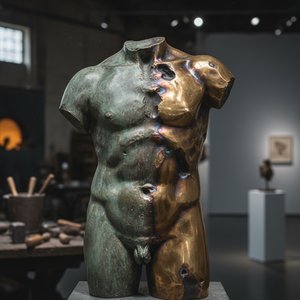
Bronzeskulpturens Vedvarende Arv: Historie, Teknikker og Moderne Fortolkninger
Udforsk bronzeskulpturens fascinerende historie og teknikker. Få indsigt i kunsthistorien, moderne fortolkninger og investeringsmuligheder. Ekspertviden for samlere.

Bronzeskulpturers Mestre: 10 Værker der Ændrede Kunsthistorien | OriginalUniqueArt
Oplev de 10 mest legendariske bronzeskulpturer, der har formet kunsthistorien! Fra Rodin til Vigeland – lær historierne bag mesterværkerne og find inspiration til din indretning. Køb museumskvalitets reproduktioner på OriginalUniqueArt.com.
The Enduring Legacy of Bronze: History, Technique & Artistic Expression for the Collector
Explore the rich history & enduring appeal of bronze sculpture with expert insights for collectors at OriginalUniqueArt. Learn about casting techniques, iconic artists, and collecting tips.
