

 Se i fuld skala
 Del
Del Del
Del
 Detaljer

 Download
 Lignende værker
 Røntgenundersøgelse
 Diasshow
 Statistik
A Hunting Nymph, Asleep
 Oil On Canvas
- WallArt
- Dutch Golden Age
 1650
1650- Early Modern
 44.0 x 51.0 cm
 Mauritshuis
 Se mere
Køb et højopløst, forbedret digitalt billede, der er langt bedre end online-forhåndsvisningen.
Hver fil er omhyggeligt forberedt af vores interne specialister ved hjælp af avancerede værktøjer og ekspertmæssig manuel retuschering. Vi sikrer, at hvert billede har enestående klarhed, præcis farvegengivelse og fine detaljer.
Den endelige fil leveres via e-mail inden for 72 timer og er optimeret til øjeblikkelig brug i professionelle, redaktionelle og trykte miljøer. Det er den samme kvalitet, som førende designstudier, forlag og gallerier har tillid til.
Digitalt billede
Download en højopløselig fil til personlig fremvisning, print og kreative projekter. ( Skift til print Køb håndlavet maleri)
Inkluderet i alle ordrer på digitale billeder
Ekspert digital levering, garanteret
Når du vælger OriginalUniqueArt.com, får du ikke blot et billede – du modtager et professionelt optimeret digitalt kunstværk, skabt med præcision og sikret med en tilfredshedsgaranti. Her er alt, hvad din ordre automatisk indeholder:

Hurtig levering via e-mail
Din højkvalitets digitale billedfil vil blive sendt til din e-mail inden for 72 timer efter bestilling – klar til øjeblikkelig brug.

AI-optimeret digital fil
Dit kunstværk optimeres professionelt ved hjælp af avancerede AI-værktøjer og manuel redigering, hvilket sikrer maksimal detaljegrad, klarhed og farvenøjagtighed.

Gratis livslang genlevering
Har du ved en fejl slettet eller mistet din fil? Ingen bekymring – vi sender den igen til enhver tid, helt gratis.

Ingen importgebyrer – nogensinde
Nyd dit kunstværk med det samme uden told, afgifter eller leveringsgebyrer – digitale downloads er altid skattefrie.

Garanteret farvenøjagtighed
Vi sikrer, at dit digitale billede gengiver de originale farver så præcist som muligt ved hjælp af professionelle værktøjer og farvestyring.

100 dages tilfredshedsgaranti
Hvis du ikke er tilfreds med dit digitale billede, vil vi revidere det eller refundere 100% inden for 100 dage – uden spørgsmål.

100% Pengene tilbage-garanti
Ik tilfreds? Få fuld refusion inden for 100 dage efter modtagelse af din digitale fil – uden spørgsmål.

Mængderabat
Køb 3 billeder, spar 10% - Køb 5, spar 15% - Køb 10+, spar 20%. Ideelt til kreative projekter, gallerier og bureauer.
A Moment of Tranquility: Exploring Dirck van der Lisse's "A Hunting Nymph, Asleep"
Dirck van der Lisse’s “A Hunting Nymph, Asleep,” painted around 1650, offers a captivating glimpse into the Dutch Golden Age fascination with idyllic landscapes and allegorical narratives. Measuring 44 x 51 cm, this intimate canvas depicts a scene of quiet repose, inviting viewers to contemplate themes of beauty, vulnerability, and the fleeting nature of earthly pursuits. The painting’s enduring appeal lies not only in its technical skill but also in its ability to evoke a sense of serene melancholy, characteristic of the period's artistic sensibilities.
The Scene Unveiled: A Pastoral Interlude
At first glance, the artwork presents a seemingly simple tableau. A young woman, presumably a nymph – a mythological spirit associated with nature – lies asleep upon the ground, her head gently resting on her arm. Her red dress provides a striking contrast against the muted tones of the surrounding landscape, drawing immediate attention to her figure. The setting is clearly outdoors, suggested by the presence of rocks and grass, creating an atmosphere of natural beauty. Two other figures are subtly incorporated into the composition: one stands behind the sleeping nymph, observing her with what appears to be a mixture of concern and reverence, while another is positioned further back on the left, adding depth and narrative complexity to the scene. The arrangement isn't overtly dramatic; instead, it fosters an atmosphere of quiet observation, as if we are witnessing a private moment undisturbed by time.
Style and Technique: Echoes of Poelenburch
Van der Lisse’s style in "A Hunting Nymph, Asleep" reveals his training under Cornelis van Poelenburch, a prominent figure in Dutch landscape painting. The influence is evident in the use of atmospheric perspective – the subtle blurring of distant details to create a sense of depth and space – and the overall composition, which favors horizontal lines and expansive views. However, Van der Lisse distinguishes himself through his own unique approach. Unlike Poelenburch’s often more vibrant and theatrical landscapes, this painting possesses a quiet restraint, characterized by softer lighting and a more subdued color palette. The artist demonstrates a mastery of oil paint, employing delicate brushstrokes to render the textures of fabric, foliage, and stone with remarkable realism. This attention to detail contributes significantly to the painting's overall sense of tranquility and invites close inspection.
Symbolism and Interpretation: Beyond the Surface
While seemingly straightforward, "A Hunting Nymph, Asleep" is rich in symbolic meaning. The nymph herself represents the allure and fragility of nature, a common motif in Dutch art of this era. Her sleep can be interpreted as a metaphor for vulnerability or even mortality, reminding viewers of the transient nature of beauty and life. The presence of the observing figures adds another layer of complexity – are they protectors, mourners, or simply witnesses to a fleeting moment? The red dress, a striking element within the composition, could symbolize passion, vitality, or perhaps even danger. The overall scene evokes a sense of *vanitas*, a popular theme in Dutch art that emphasizes the impermanence of earthly pleasures and the inevitability of death. It’s not a morbid depiction, but rather a gentle meditation on the passage of time and the importance of appreciating beauty while it lasts.
A Timeless Masterpiece: Enduring Appeal
Dirck van der Lisse's "A Hunting Nymph, Asleep" remains a captivating work of art, admired for its technical skill, evocative atmosphere, and subtle symbolism. It exemplifies the Dutch Golden Age’s ability to blend artistic virtuosity with profound philosophical reflection. Owning a hand-painted reproduction of this masterpiece allows you to bring a touch of 17th-century serenity into your home or office, inviting contemplation and sparking conversation for years to come.
Kunstnerens biografi
Hendrick Andriessen: The Silent Narrator of Vanitas
Hendrick Andriessen, known to the world as Mancken Heyn – a moniker reflecting a physical challenge he faced – was a remarkably subtle and observant painter who emerged from the bustling artistic landscape of Antwerp in the early 17th century. Born in 1607, his life remains shrouded in a gentle obscurity, yet his work speaks volumes about the fleeting nature of existence, earning him recognition as a pivotal figure in the development of Dutch still-life painting and a master of the ‘vanitas’ tradition. While not boasting the flamboyant theatricality of some of his contemporaries, Andriessen possessed an extraordinary ability to distill complex ideas – mortality, decay, and the transience of earthly pleasures – into deceptively simple compositions. His paintings aren't dramatic pronouncements; they are quiet meditations, offering a poignant reflection on the human condition.Early Life and Influences: A Dutch Connection
The precise details of Andriessen’s early life remain elusive, though he was baptized in Antwerp on October 23rd, 1607. His family background suggests a connection to Leiden, where his father, Lieven Hendricx, was an accomplished embroiderer – a craft that likely instilled in young Hendrick an appreciation for meticulous detail and the beauty of everyday objects. It’s believed he received his initial artistic training under Joris van Schooten in Leiden around 1617, followed by a period with Pieter Lastman in Amsterdam, a renowned history painter whose influence is undeniably present in Andriessen's early work. This formative period exposed him to the rich traditions of Flemish Baroque painting while simultaneously introducing him to the burgeoning artistic currents of the Dutch Republic. Crucially, his time in Leiden and Amsterdam seems to have fostered an affinity with the Utrecht Caravaggisti – a group of artists who had absorbed the dramatic lighting and dynamic compositions of Peter Paul Rubens’s work. This exposure is particularly evident in his early still lifes, characterized by their use of strong contrasts of light and shadow and a sense of immediacy.The Language of Vanitas: Objects as Symbols
Andriessen's most enduring legacy lies in his masterful exploration of the ‘vanitas’ genre – a tradition that sought to remind viewers of the inevitability of death and decay through the arrangement of symbolic objects. Unlike overtly morbid depictions, Andriessen’s vanitas paintings are remarkably restrained and subtly unsettling. He eschewed grand gestures or explicit references to mortality, instead focusing on carefully chosen items – skulls, extinguished candles, wilting flowers, hourglasses, musical instruments, and decaying fruit – each imbued with a specific meaning. A skull might represent the fragility of life; an extinguished candle, the passage of time; a broken lute, lost beauty and harmony. These objects aren’t merely decorative elements; they are carefully orchestrated symbols that invite contemplation on the ephemeral nature of earthly possessions and achievements. His compositions often feature a single, dominant object – a skull, for instance – surrounded by a collection of related items, creating a visual dialogue about mortality and the vanity of worldly pursuits.Style and Technique: A Quiet Mastery
Andriessen’s style is characterized by its understated elegance and remarkable technical skill. He was a meticulous painter, paying close attention to detail and employing a subtle palette of muted browns, grays, and ochres. His brushwork is smooth and refined, creating a sense of depth and realism that belies the symbolic nature of his subjects. While influenced by Caravaggio’s dramatic lighting, Andriessen never embraced the same theatrical intensity. Instead, he used light and shadow to create a mood of quiet contemplation and melancholy. His ‘smoker’ still lifes – often referred to as ‘toebackjes’ – are particularly noteworthy for their intimate scale and meticulous rendering of smoking paraphernalia: pipes, tobacco pouches, and snuff boxes. These small, evocative paintings offer a glimpse into the daily rituals of 17th-century life and serve as poignant reminders of the fleeting pleasures of the present moment.Legacy and Historical Significance
Despite the relative obscurity surrounding his life, Hendrick Andriessen’s contribution to the history of still-life painting is undeniable. He was a key figure in the development of the ‘vanitas’ tradition, refining its techniques and expanding its symbolic vocabulary. His paintings offer a profound meditation on mortality and the transience of earthly pleasures – themes that continue to resonate with viewers today. While his work may not be as widely celebrated as that of some of his contemporaries, it possesses a quiet power and enduring beauty that speaks volumes about the human condition. The few surviving examples of his art are treasured for their subtlety, insight, and remarkable technical skill, cementing Andriessen’s place as a significant, if often overlooked, master of the Dutch Baroque.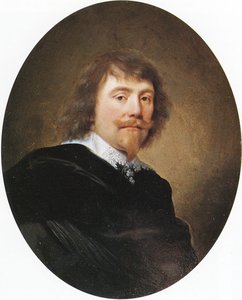
dirck van der lisse
1607 - 1669 , Netherlands
Kort om kunstneren
- Artistic Movement Or Style: Vanitas still lifes, smoker still lifes
- Artists Or Movements Influenced By This Artist:
- Dirck van Baburen
- Rembrandt
- Artists Who Influenced This Artist:
- Pieter Lastman
- Caravaggio
- Date Of Birth: 1607
- Date Of Death: 1655
- Full Name: Hendrick Andriessen”, known as Mancken Heyn
- Nationality: Flemish
- Notable Artworks:
- Saint Jerome Writing
- The Flagellation of Christ
- Susanna and the Elders
- Place Of Birth: Antwerp, Belgium