
 Se i rummet
 Del som kort
 Del
Del
 Detaljer
 Guide
Guide

 Download
 Lignende værker
 Røntgenundersøgelse
 Diasshow
 Q&A
Q&A Statistikker
Edinburgh from the Castle

- 122.0 x 213.0 cm


 Vis mere
Giclée / Kunsttryk
Giclée- eller lærredstryk i museumskvalitet med hurtig produktion og fleksible muligheder for finish. ( Køb håndmalet maleri Skift til digitalt billede)




P118B Dkr10

P118H Dkr10

P118W Dkr10

P438Z Dkr10

P508JH Dkr12

P508YH Dkr12

P805H Dkr10

P805Z Dkr10

P919BZ Dkr10

P919G Dkr10

P919XJ Dkr10

P959ZH Dkr10

P968JZ Dkr12

W106C Dkr8

W218G Dkr10

W218JH Dkr8

W218Y Dkr10

W307PJ Dkr10

W316G Dkr10

W316PJ Dkr8

W316Y Dkr10

W398PJ Dkr8

W4111J Dkr10

W500HY Dkr15

W500JH Dkr15

W692G Dkr12

W849H Dkr8

W940BG Dkr15

W953PJ Dkr8




Vælg mellem vores forudindstillede størrelser, der matcher kunstværkets originale proportioner.

Indtast den bredde og højde, du har brug for, så det passer til din ramme eller din væg. Et print kan kun beskæres, aldrig gøres større end selve billedet, så en størrelse med et andet format vil medføre, at dele af motivet går tabt. Vi sender dig en digital mockup til godkendelse, før vi printer noget. Billedet vist på denne side viser ikke den faktiske beskæring — det er kun mockuppen, der gør.
Verdensomspændende levering () på 2 uger i stedet for de sædvanlige 4/5 uger. (1 november)

Gratis ekspresforsendelse til hele verden

Lærred af linned i høj kvalitet

Fuld transportforsikring

Garanti for refusion af told og importafgifter

Garanti for præcis farvegengivelse

100 dages returret ved fabrikationsfejl

100% fuld returret

Mængderabat ved flere køb
 Glasmulighed er kun tilgængelig i størrelser under 110 cm

Edinburgh from the Castle
Giclée / Kunsttryk
Størrelse på reproduktion
-


Samlet pris
Dkr 538
Edinburgh from the Castle by David Roberts
David Roberts’s “Edinburgh from the Castle” stands as a cornerstone of Victorian landscape painting and a testament to the artist's meticulous observation and masterful execution. Completed in 1847, this monumental oil on canvas captures a panoramic vista of Edinburgh city viewed from Arthur’s Seat, offering viewers an unparalleled glimpse into Scotland’s capital during a period of significant urban expansion and artistic fervor.A Vision of Victorian Grandeur
Roberts's style embodies the Romantic spirit tempered by scientific accuracy—a hallmark of the era. He eschewed fantastical embellishments in favor of a rigorously detailed depiction of the cityscape, prioritizing topographical precision alongside atmospheric perspective. The painting’s ambition wasn’t merely to record what was seen; it aimed to convey the grandeur and dynamism of Edinburgh's burgeoning industrial age against the backdrop of Scotland’s ancient hills. This juxtaposition speaks volumes about Victorian sensibilities – a fascination with both progress and heritage.Technique and Detail: Roberts's Legacy
Roberts employed a technique characterized by smooth, blended brushstrokes—a hallmark of his style—allowing him to achieve remarkable tonal gradation and convincingly simulate the hazy air of the Scottish highlands. Layers upon layers of pigment were applied with painstaking care, capturing the subtle nuances of light and shadow across the castle walls and rooftops. The artist’s meticulous attention to detail extends beyond mere representation; it imbues the scene with a palpable sense of presence, inviting contemplation on the scale and beauty of the natural world alongside human settlement. Roberts's use of glazing techniques further enhanced the luminosity and depth of color, resulting in an image that glows with warmth and vibrancy.Symbolism Within the Landscape
Arthur’s Seat dominates the composition, representing Scotland’s geological history and serving as a visual anchor for the viewer’s gaze. The castle itself symbolizes power, authority, and tradition—elements crucial to understanding Victorian Britain's social and political landscape. Furthermore, the scattered figures within the painting – laborers, merchants, and tourists – embody the diverse population of Edinburgh at the time, reflecting the city’s role as a hub of commerce and culture. Roberts subtly communicates these ideas through his careful positioning of elements within the frame.Emotional Resonance: Capturing the Spirit of Place
“Edinburgh from the Castle” transcends mere visual representation; it evokes a profound emotional response. The painting's expansive scale inspires awe, while its luminous colors convey a sense of optimism and vitality. It captures not only the physical beauty of Edinburgh but also its spirit—a blend of rugged wilderness and civilized sophistication. This artwork continues to resonate with audiences today because it successfully communicates the grandeur of Victorian Scotland and remains an enduring symbol of artistic excellence. Its impact on subsequent landscape painters is undeniable, cementing Roberts’s place as one of Scotland's most celebrated artists.Spørgsmål og svar
Hvilken følelsesmæssig stemning formidler "Edinburgh from the Castle" af David Roberts?
Den emotionelle stemning, der er registreret for "Edinburgh from the Castle" af David Roberts, er Tranquil. Den opsummerer den følelse, som værket udtrykker.
Hvem er kunstneren bag "Edinburgh from the Castle"?
"Edinburgh from the Castle" blev skabt af David Roberts. Informationen på denne side beskriver David Robertss originale værk.
Hvilken reproduktionsstørrelse anbefales til "Edinburgh from the Castle" af David Roberts?
"Edinburgh from the Castle" anbefales i en trykstørrelse på Large. Andre størrelser er tilgængelige med de samme proportioner.
Kunstnerbiografi
David Roberts: En Pioner indenfor Orientalismen
David Roberts (1796–1864) var en skotsk maler og tegner, hvis kunst prægede den romantiske æra og fik stor betydning for forståelsen af Middelalande i det 19. århundrede. Han er mest kendt for sine detaljerede orientalistiske oliemaleri og særligt hans omfattende serie af lithografier – et samarbejde med kunstneren Clarkson Stanfield – der dokumenterer Egyptens og Orientens landskaber og kultur på en måde, som var uden præcedens. Roberts’ arbejde er ikke blot teknisk imponerende, men også historisk vigtigt for at forme den europæiske verdensbillede.Tidlig Liv og Uddannelse
Roberts blev født i Stockbridge nær Edinburgh den 24. oktober 1796, hvor hans far var en fattig skomager. Eftersom han kun havde to børn, fik Christine og David Roberts en kærlig opvækst, hvor moderen fremmede hans kunstneriske talent ved at tillade ham at skitsere på husets hvide vægge – et øjeblik af inspiration, der skulle følge ham gennem hele livet. Som ung mand begyndte han sin uddannelse som dekorationsmaler hos Gavin Beugo og senere fik han praktisk erfaring som sceneprojektør for James Bannister’s cirkus. Denne tidlige træning gav grundlaget for hans senere karriere og udviklede hans tekniske færdigheder betydeligt.Kunstnerisk Udvikling og Påvirkninger
Roberts’ kunstneriske rejse blev præget af en stigende interesse for forskellige kulturer og landskaber. Efter hans første møde med scenekunst udforskede han nye perspektiver og teknikker, hvilket førte til hans udvikling som selvstændig kunstner. Hans besøg i Spanien i 1832 var særligt betydningsfuldt – Roberts blev inspireret af den spanske arkitektur og de eksotiske omgivelser, hvilket manifesterede sig i flere af hans senere værker. Han var ikke direkte påvirket af nogen enkelt kunstner, men udviklede sin stil gennem nøje observation og teknisk præcision – egenskaber, der karakteriserer hans arbejde igennem hele hans karriere. Hans største inspirationskilde var måske den romantiske æra og dens fokus på natur og følelser.Egyptiske Ekspeditioner og Lithografier
Roberts’ mest ikoniske værker blev skabt under hans omfattende ekspedition til Egypten og Orienten mellem 1838 og 1840. Disse rejser gav ham et væld af detaljerede skitser og observationer, som han senere udtrykte i sine monumentale lithografier sammen med Clarkson Stanfield – en serie, der blev mødt med stor succes og ære blandt kunstnere og publikum. Roberts’ største præstation var hans evne til at fange essensen af Middelalande på en måde, der både var teknisk udfordrende og følelsesmæssigt resonerende. Hans lithografier dokumenterede ikke blot landskaber og bygninger, men også livet i egyptiske byer og handelssteder – hvilket gav europæerne et unikt perspektiv på denne fascinerende kultur. Han var en pioner indenfor sin kunstform og satte nye standarder for detaljegrad og æstetik.Efterliv og Arv
David Roberts døde pludseligt den 25. november 1864 i London efter en kort sygdom. Hans arbejde fortsætter med at fascinere kunstnere og forskere verden over, og hans lithografier er blandt de mest ikoniske repræsentationer af Middelalande fra det 19. århundrede. Roberts’ kunst har haft stor indflydelse på udviklingen af orientalismen som kunstgenre og bidragt til en dybere forståelse af Middelalande i europæisk kultur. Hans værker udstilles stadig på verdens førende museer og galerier, hvilket vidner om hans kunstners betydning og hans varige arv indenfor kunsthistorien. Han blev medlem af Royal Academy of Arts i 1841 og efterlod sig et imponerende katalog over værker, der fortsat inspirerer kunstnere og forskere til denne dag.
David Roberts
1796 - 1864 , Storbritannien
Kort om kunstneren
- Artistic Movement Or Style: Orientalisme
- Artists Who Influenced This Artist:
- Jenaro Pérez Villaamil
- Alexander Nasmyth
- Date Of Birth: 24 oktober 1796
- Date Of Death: 25 november 1864
- Full Name: David Roberts
- Nationality: Skotsk
- Notable Artworks: ['The Holy Land, Syria, Idumea, Arabia, Egypt og Nubia']
- Place Of Birth: Stockbridge, Storbritannien
Relaterede artikler

Hubert Robert: Picturing Ruins, Preserving Memory – A Study of Romantic Antiquarianism & Artistic Innovation
Explore the captivating world of Hubert Robert, master of Romantic landscape painting & 'capriccio' ruins. Discover his historical context, artistic innovations, and collecting insights with OriginalUniqueArt.
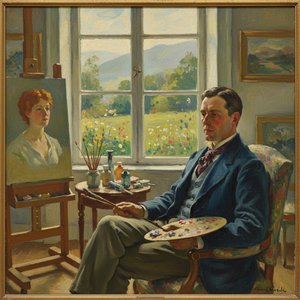
Francis Cadell: A Study in Scottish Colourism & Intimate Portraiture
Explore the captivating world of Francis Campbell Cadell, a leading Scottish Colourist. Discover his elegant Edinburgh interiors, vibrant portraits & unique style. Learn about his influences and enduring legacy with OriginalUniqueArt.
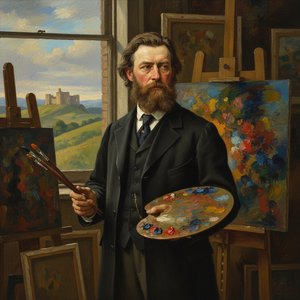
George Paul Chalmers: Rediscovering the Angus Rembrandt & Scottish Colourist Roots
Explore the captivating world of George Paul Chalmers (1833-1878), a pivotal Scottish painter. Discover his landscapes, portraits & connection to the Aesthetic Movement and Colourists. Learn about this 'Angus Rembrandt's' legacy with OriginalUniqueArt.

David Roberts: A Scottish Pioneer of Topographical Art & Orientalist Vision
Explore the captivating world of David Roberts, a pioneering Scottish painter renowned for his detailed Orientalist scenes & stunning Egyptian landscapes. Discover his legacy and find museum-quality reproductions at OriginalUniqueArt.
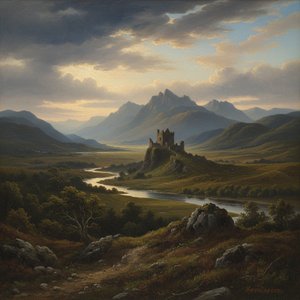
Alexander Nasmyth: Picturing Scotland's Romantic Landscape – Innovation & Identity
Explore the life & art of Alexander Nasmyth, a pivotal figure in Scottish Romantic landscape painting. Discover his iconic works, including portraits of Robert Burns, and learn about his lasting influence on national identity. Fine art reproductions available.


