

 Se i rummet
 Send
Send Del
Del
 Detaljer
 Studieguide til kunstværker

 Download
 Lignende værker
 Røntgenundersøgelse
 Se diasshow
 Statistik
Rainy night on bridlingtom promenade

 Læs mere
Håndlavet oliereproduktion
Håndmalet olie på lærred i din valgte størrelse og ramme, udført efter bestilling af vores kunstnere. ( Skift til printversion Skift til digitalt billede)




P118B $10

P118H $10

P118W $10

P438Z $10

P508JH $12

P508YH $12

P805H $10

P805Z $10

P919BZ $10

P919G $10

P919XJ $10

P959ZH $10

P968JZ $12

W106C $8

W218G $10

W218JH $8

W218Y $10

W307PJ $10

W316G $10

W316PJ $8

W316Y $10

W398PJ $8

W4111J $10

W500HY $15

W500JH $15

W692G $12

W849H $8

W940BG $15

W953PJ $8




Vælg mellem vores forudindstillede størrelser, der matcher kunstværkets originale proportioner.

Du kan indtaste dine egne mål for at passe til en bestemt ramme eller plads. Hvis den valgte størrelse ikke stemmer overens med det originale billedes proportioner, vil vi enten beskære kunstværket eller udvide maleriet med yderligere håndmalede elementer. En digital skitse sendes til din godkendelse, før produktionen påbegyndes.
Bemærk venligst, at forhåndsvisningen på skærmen ikke afspejler den faktiske beskæring eller udvidelse. Kun skitsen vil nøjagtigt vise den endelige komposition.
Selvom specialmål er mulige, anbefaler vi at vælge en dimension fra den foruddefinerede liste for at bevare de originale proportioner.
Efter bestilling vil OriginalUniqueArt.com team sende en e-mail til kunden for at indhente instruktioner og fremsende et udkast til gennemgang.
Levering i hele verden () på 3-4 uger i stedet for de standard 5 uger. (25 september). Ingen kompromiser med kvaliteten.

Gratis ekspresforsendelse til hele verden

Lærred af linned i høj kvalitet

Komplet transportforsikring

Garanti for refusion af told og importafgifter

Garanti for autentisk farvegengivelse

100 dages returret ved fabrikationsfejl

100% fuld returret

Mængderabat ved flere køb
 Glasmulighed er kun tilgængelig i størrelser under 110 cm

Rainy night on bridlingtom promenade
Reproduktionsmateriale
Reproduktionsstørrelse
-


Samlet pris
$ 300
David Hockney: Bridlingtom Promenade Revisited
David Hockney’s “Rainy Night on Bridlingtom Promenade” isn't merely a depiction of London; it’s an embodiment of memory, perception, and the artist’s relentless pursuit of capturing fleeting moments in time. Painted in 1967 during Hockney’s formative years in Los Angeles – a period profoundly influenced by Californian light and color – this canvas transcends geographical boundaries to resonate with universal themes of solitude, contemplation, and the melancholic beauty inherent in urban decay. The painting itself is deceptively simple at first glance. A narrow promenade stretches across the composition, bathed in the muted hues of a rainy evening. The dominant palette leans heavily into blues and greens – shades that evoke not just meteorological conditions but also a deeper emotional resonance. These colors aren’t blended smoothly; instead, Hockney employs a technique he termed “joinery,” meticulously layering thin washes of pigment to create an illusion of depth and texture. This method, pioneered by Hockney alongside Frank Auerbach and Lucian Freud, prioritizes visual impact over photorealistic accuracy—a deliberate rejection of prevailing artistic conventions of the era. The promenade’s emptiness is punctuated by three strategically placed lamps – a luminous beacon against the gloom. These aren't rendered with meticulous detail; rather, they are treated as geometric shapes, radiating light and color that illuminate the surrounding area. Hockney’s use of acrylic paint—a relatively new medium at the time—allowed for unprecedented vibrancy and luminosity, pushing the boundaries of what was considered acceptable artistic expression. The lamps serve as a visual anchor, drawing the eye inward and inviting contemplation about the passage of time and the elusive nature of experience. Beyond its formal qualities, “Rainy Night on Bridlingtom Promenade” speaks to Hockney’s broader philosophical concerns. He famously stated that he wanted to paint "the world as it is seen," rejecting idealized representations in favor of capturing the raw immediacy of observation. The painting embodies this ethos—a testament to Hockney's belief that art should strive for truthfulness, even if that truthfulness resides in acknowledging imperfection and decay. It’s a poignant reminder that beauty can be found not only in grand vistas but also in the quiet corners of everyday life. The piece’s enduring appeal lies partly in its ability to evoke nostalgia—a longing for moments past that are forever lost to time. Hockney's masterful manipulation of color and texture transports viewers back to a specific place and moment, prompting reflection on memory and perception. It is a painting that invites us to slow down, observe carefully, and appreciate the subtle nuances of experience—a timeless contribution to British art history and a continuing source of inspiration for artists and collectors alike.Exploring Hockney's Technique: Joinery
David Hockney’s distinctive “joinery” technique represents a radical departure from traditional painting methods. Unlike blending colors seamlessly across surfaces, Hockney applies thin washes of pigment in successive layers—often up to 30—creating an illusion of depth and texture without resorting to glazing or scumbling. This painstaking process involves applying paint with a brush, allowing it to dry partially before adding another layer on top. The resulting surface resembles a jigsaw puzzle, where each fragment contributes to the overall visual effect. This method gained prominence during Hockney’s collaboration with fellow artists Auerbach and Freud in the mid-1960s—a period marked by experimentation and a desire to challenge artistic conventions. Joinery prioritizes visual impact over photographic realism, focusing on capturing the essence of form and color rather than striving for an accurate representation of reality. It's a technique that demands considerable patience and precision but yields extraordinary results—creating surfaces that shimmer with luminosity and conveying a palpable sense of atmosphere. Hockney himself described it as “painting with glue,” emphasizing the importance of layering and building up texture to achieve his artistic vision.Symbolism in Light and Darkness
The interplay between light and darkness within "Rainy Night on Bridlingtom Promenade" is laden with symbolic significance—reflecting Hockney’s broader engagement with philosophical ideas about perception and consciousness. The three lamps illuminate the promenade, representing not merely illumination but also a beacon of hope amidst the gloom—a visual metaphor for resilience and perseverance in the face of adversity. However, the darkness surrounding the lamps underscores the pervasive influence of melancholy and solitude—themes that recur throughout Hockney’s oeuvre. The muted blues and greens of the rainy night evoke feelings of introspection and contemplation, inviting viewers to consider the complexities of human experience. Hockney's deliberate use of color is carefully calibrated to convey emotional resonance—a testament to his belief that art should engage both intellect and emotion simultaneously. The emptiness of the promenade itself symbolizes isolation—a poignant reminder that even in bustling urban environments, individuals can experience profound feelings of loneliness. Yet, this solitude isn’t presented as bleak or despairing; rather, it serves as a catalyst for observation and reflection—encouraging viewers to appreciate the beauty inherent in stillness and simplicity. Hockney's masterful depiction captures the essence of these ideas—transforming a seemingly unremarkable scene into a powerful meditation on human existence.A Legacy of Innovation
“Rainy Night on Bridlingtom Promenade” stands as a cornerstone of David Hockney’s artistic legacy—a testament to his unwavering commitment to innovation and experimentation. By rejecting photographic realism and embracing a technique that prioritizes visual impact over meticulous detail, Hockney redefined British art in the 1960s—establishing himself as one of the most influential figures of his generation. His pioneering use of acrylic paint and his groundbreaking “joinery” method continue to inspire artists today—demonstrating the enduring power of artistic vision and the importance of challenging conventions. Hockney’s work remains a celebration of beauty, observation, and the transformative potential of art—a timeless contribution to British cultural heritage.Om kunstneren
David Hockney, En Livets Maler
David Hockney, født den 9. juli 1937 i industriskønne Bradford, England, er mere end blot en maler; han er en visuel polymath hvis karriere har spændt over maleri, tegning, tryksværk, scenekunst og fotografi. Hans historie begynder midt i Yorkshire’s robuste landskab, hvor hans far, Kenneth Hockney, fremmede et selvstændigt tankesæt gennem modstand mod tjenestefolk under Anden Verdenskrig – en barndom der formgav en ung kunstner, der konstant udfordrede konventioner og skabte sin egen vej. Uddannelse ved Wellington Primary School og Bradford Grammar School lagde grundlaget for et kunstnerisk liv, der skulle omdefinere britisk kunst i det 20. og 21. århundrede, hvilket kulminerede i studier på Bradford College of Art og senere på den prestigefyldte Royal College of Art i London. Det var under disse formative år, at Hockney begyndte at udtrykke en unik kunstnerisk stemme – én der blandede Pop-kunstsensibilitet med en distinkt britisk perspektiv.Den Fremvoksende Pop Idol og Udover
1960’erne blev Hockneys triumfperiode inden for den spirende Pop Art bevægelse. Han gjorde ikke som nogle af sine samtidige, fuldt ud omfavne amerikansk kommerciel kultur; han bragte en unik britisk følelse til genren. Hans arbejde eksploderede med levende farver og kraftfulde linjer, hvilket skildrede scener både kendte og subtilt udfordrende. *A Bigger Splash* (1966), måske hans mest ikoniske tidlige værk, opsummerede dette perfekt – en tilsyneladende simpel gengivelse af en swimmingpool bliver en meditation over californiens afslappethed, kunstighed og selve handlingen om at se. Det var ikke blot repræsentation; det var udforskning af hvordan vi opfatter virkeligheden. Hans dobbeltportrætter, som *American Collectors (Fred og Marcia Weisman)*, demonstrerede hans bemærkelsesværdige evne til at fange ikke kun lighed men også essensen af personlighed og forhold. Han nølede ikke med personlige temaer enten – særligt udforskede han homoseksuelle kærlighed åbent og ærligt i værker som *We Two Boys Together Clinging* (1961), hvilket udfordrede samfundets normer på et tidspunkt hvor homosekualitet var stort set tabu. Denne vilje til at konfrontere vanskelige spørgsmål direkte cementerede hans position som en banebrydende kunstner.Eksperimentering, Innovation og Redningen af Maleri
Hockneys kunstneriske nysgerrighed har aldrig været begrænset til én kunstform. Gennem hele sin karriere har han konstant eksperimenteret med nye teknologier og tilgange. Fra hans tidlige omfavnelse af litografi og ætsning til hans senere udforskninger af fotografi – især hans brug af Polaroid kompositter i 1980’erne – Hockney udfordrede konstant kunstens grænser. Han hævdede berømt, at maleri ikke var død, men skulle "reddes" fra sine egne konventioner, hvilket førte til ambitiøse projekter som *Pearblossom Hwy., 11–18th April 1986*, en kompleks fotomon tage der udfordrede traditionelle syn på rum og repræsentation. Hans scenekunst til opera, inklusive sæt til Mozarts *Den Magiske Fløjte* og Stravinskijs *Rasens Spil*, viste yderligere hans alsidighed og evne til at omsætte sin visuelle sprog til en anden kunstnerisk verden. Mere nyligt har han omfavnet den digitale medie – hvilket fortsat viser hans fascination for lys, farve og perspektiv.Erkendelse, Eftermæle og Vedvarende Påvirkning
David Hockneys bidrag til kunstverdenen er blevet bredt anerkendt gennem hele hans imponerende karriere. Han blev udnævnt til Order of the Companion of Honour (CH) i 2018 – et testament til hans dybe indflydelse på britisk kultur. Før dette blev han valgt til Fellow af Royal Society (FRS) i 2003 og modtog Praemium Imperiale for Maleri i 2000. Hans værker er placeret i nogle af verdens største museer, hvilket sikrer at hans kunst fortsætter med at inspirere nye generationer. Han er stadig en aktiv kraft inden for kunstverdenen – konstant udfordrende forventninger og inspirerende kunstnere på tværs af discipliner.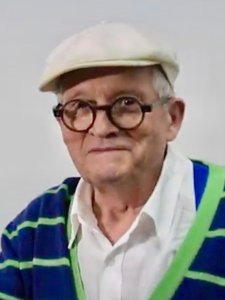
David Hockney
1937 - , Storbritannien
Hurtige fakta
- Artistic Movement Or Style: Pop Art
- Artists Or Movements Influenced By This Artist: ['Pauline Boty']
- Artists Who Influenced This Artist: ['Francis Bacon']
- Date Of Birth: 9 juli 1937
- Full Name: David Hockney
- Nationality: Britisk
- Notable Artworks:
- Et større splash
- Portrait of an Artist
- We Two Boys Together
- Place Of Birth: Bradford, UK
Relaterede artikler
David Hockney: A Retrospective on Pop Art's Chronicler of Light, Space, and the Everyday
Explore the life & work of David Hockney, Pop Art's master chronicler. Discover his iconic paintings, Californian landscapes, and lasting influence on modern art. Expert analysis for collectors.
Acrylic Paint Guide: Mastering the Versatile Medium of Modern Art through Chemistry and Technique
Master the versatile world of acrylic painting with our expert guide for art students. Explore the chemistry, historical evolution, and advanced techniques—from watercolor-like washes to bold impasto—to elevate your modern artistry and technical skill.
Acrylic on Paper: A Modern Canvas for Contemporary Expression
Explore the versatility of acrylic painting on paper! Discover expert techniques, artist insights & archival practices for creating stunning contemporary art. Learn more at OriginalUniqueArt.
The Art Student’s Definitive Guide to Acrylic Painting: Mastering the World’s Most Versatile Medium
Unlock your creative potential with this expert guide for art students. Master acrylic painting techniques, from fluid washes to textured impasto. Learn about essential brushes, surfaces, and advanced color theory to elevate your fine arts practice with professional precision.
David Bomberg: Reassessing the Pioneering Spirit of Early British Abstraction
Explore the groundbreaking work of David Bomberg, a pivotal figure in British abstraction. Discover his artistic evolution, influences, and lasting legacy through insightful analysis & expert commentary.


