
 Se i rummet
 Del som kort
 Del
Del
 Detaljer
 Guide
Guide

 Download
 Lignende værker
 Røntgenundersøgelse
 Diasshow
 Q&A
Q&A Statistikker
Going to the Hayfield


 Vis mere
Giclée / Kunsttryk
Giclée- eller lærredstryk i museumskvalitet med hurtig produktion og fleksible muligheder for finish. ( Køb håndmalet maleri Skift til digitalt billede)




P118B Dkr10

P118H Dkr10

P118W Dkr10

P438Z Dkr10

P508JH Dkr12

P508YH Dkr12

P805H Dkr10

P805Z Dkr10

P919BZ Dkr10

P919G Dkr10

P919XJ Dkr10

P959ZH Dkr10

P968JZ Dkr12

W106C Dkr8

W218G Dkr10

W218JH Dkr8

W218Y Dkr10

W307PJ Dkr10

W316G Dkr10

W316PJ Dkr8

W316Y Dkr10

W398PJ Dkr8

W4111J Dkr10

W500HY Dkr15

W500JH Dkr15

W692G Dkr12

W849H Dkr8

W940BG Dkr15

W953PJ Dkr8




Vælg mellem vores forudindstillede størrelser, der matcher kunstværkets originale proportioner.

Indtast den bredde og højde, du har brug for, så det passer til din ramme eller din væg. Et print kan kun beskæres, aldrig gøres større end selve billedet, så en størrelse med et andet format vil medføre, at dele af motivet går tabt. Vi sender dig en digital mockup til godkendelse, før vi printer noget. Billedet vist på denne side viser ikke den faktiske beskæring — det er kun mockuppen, der gør.
Verdensomspændende levering () på 2 uger i stedet for de sædvanlige 4/5 uger. (31 oktober)

Gratis ekspresforsendelse til hele verden

Lærred af linned i høj kvalitet

Fuld transportforsikring

Garanti for refusion af told og importafgifter

Garanti for præcis farvegengivelse

100 dages returret ved fabrikationsfejl

100% fuld returret

Mængderabat ved flere køb
 Glasmulighed er kun tilgængelig i størrelser under 110 cm

Going to the Hayfield
Giclée / Kunsttryk
Størrelse på reproduktion
-


Samlet pris
Dkr 538
A Moment of Rural Tranquility: Exploring David Cox’s “Going to the Hayfield”
David Cox's "Going to the Hayfield," painted in 1849, isn’t merely a landscape; it’s a carefully constructed distillation of Romantic sensibility and a profound connection to the English countryside. This evocative piece, now beautifully reproduced, transports us to a specific moment – a quiet afternoon as figures journey towards a hayfield bathed in the diffused light of an overcast sky. Cox, a pivotal figure bridging the gap between earlier landscape traditions and the burgeoning Impressionism of his time, masterfully captures not just the visual elements but also the atmosphere and emotional resonance of rural life.
Cox’s style is distinctly Romantic, prioritizing mood and feeling over precise detail. He eschews sharp outlines and meticulous rendering in favor of loose, expressive brushstrokes that create a sense of movement and texture throughout the canvas. The painting feels less like a photographic representation and more like an emotional response to the scene – a memory imbued with tranquility and a subtle melancholy. The muted color palette—dominated by earthy greens, browns, and grays punctuated by hints of red in the figures’ clothing—further enhances this atmospheric effect, suggesting a timelessness that transcends any specific date or season.
Composition and Perspective: Framing a Pastoral Scene
The composition is deliberately horizontal, emphasizing the vast expanse of the sky which dominates nearly two-thirds of the canvas. This expansive view immediately establishes a sense of scale and invites the viewer to lose themselves in the landscape. A subtle foreground—a simple fence and patches of foliage—serves as a gentle guide, drawing our eye towards the middle ground where the figures are positioned. The low horizon line reinforces this feeling of openness and amplifies the drama of the sky. Cox skillfully employs atmospheric perspective; distant elements recede into a hazy blue distance, creating an illusion of depth and suggesting the immense scale of the countryside.
The placement of the figures – a small group riding horseback and walking alongside a fence – is crucial to the painting’s narrative. They are not imposing subjects but rather integrated seamlessly within the landscape, representing humanity's quiet interaction with nature. Their presence anchors the scene while simultaneously highlighting its inherent beauty and solitude.
Symbolism and Emotional Resonance: A Reflection of Romantic Ideals
“Going to the Hayfield” is rich in symbolic meaning, reflecting the core tenets of the Romantic movement. The overcast sky, often interpreted as a symbol of introspection or contemplation, lends a subtle melancholy to the scene. It’s not a bright, celebratory landscape; rather, it evokes a sense of quiet reflection and connection to something larger than oneself. The hayfield itself represents abundance and sustenance – a vital element of rural life and a reminder of nature's generosity. Cox’s choice of subject matter—a simple, everyday activity—elevates it to an artistic statement about the beauty and value of the natural world.
Technique and Materials: The Art of Layered Impressionism
Cox’s technique is characterized by a layering of colors applied with loose brushstrokes. He builds up the image gradually, creating a sense of depth and texture through subtle variations in tone and hue. The use of oil paint on canvas allows for rich color saturation and blending—essential to achieving the painting's atmospheric effect. The artist’s deliberate avoidance of sharp lines contributes to the overall feeling of softness and fluidity. It is a testament to Cox’s skill that this seemingly simple landscape feels so profoundly alive, capturing not just what he saw but also how he *felt* about it.
Spørgsmål og svar
Hvilken følelse formidler "Going to the Hayfield" af David Cox?
Stemningen i "Going to the Hayfield" af David Cox er Calm, og dens følelsesmæssige tone er Tranquil.
Hvordan relaterer stilen i "Going to the Hayfield" sig til kunstnerens samtid?
"Going to the Hayfield" tilhører Romantic Landscape Painting-retningen, og dets skaber arbejdede i det 19. århundrede-æraen.
Hvordan kan jeg se "Going to the Hayfield" af David Cox som et diasshow?
Se diaporamabillederne af "Going to the Hayfield" på værkets side Billedserie.
Kunstnerbiografi
Early Life and Artistic Beginnings
David Cox, en mand hvis navn i dag ofte forbinder sig med den romantiske engelske landskabsmaleri, blev født den 29. april 1783 i Deritend, et område tæt på Birmingham. Hans far, Joseph Cox, var en dygtig smed og whitesmith – en håndværker der leverede komponenter til det travle våbenindustri i Birmingham. Modsat sin fars praktiske erhverv havde Davids mor, hvis navn var Frances Walford, en mere omfattende uddannelse og et stærkt karakter. Hun kom fra en landbrugsbaggrund, hvilket gav hende en forståelse for naturen, der senere ville spille en afgørende rolle i hendes søns kunst. I de tidlige teenageår blev David sendt til en dagskole, men hans interesse for kunst blomstrede hurtigt. Han begyndte at male med farver, først ved at kopiere tegninger og farvelægge dem. Senere fik han en lærling hos Albert Fielder, en maler i Birmingham, der specialiserede sig i portrætter i miniaturlarve og dekorative malerier til genstande som snuffkasser. Denne tidlige træning gav ham et solidt fundament inden for kunstens teknikker. Det var under Fielders vejledning, at Cox begyndte at udvikle sin evne til detaljeret gengivelse og farvebrug – færdigheder der ville blive afgørende for hans senere arbejde.London og den Tidlige Karriere
I 1804 flyttede David Cox til London, hvor han giftede sig med sin udlejers datter, Mary Ragg. Denne flytning markerede et skift i hans karriere, da han begyndte at søge efter muligheder inden for kunstverdenen i hovedstaden. Han fandt arbejde som tegner og underviste i tegning, hvilket gav ham en stabil indkomst og samtidig muligheden for at observere og studere den kunstneriske scene i London. En af de mest markante begivenheder i Cox’s tidlige karriere var hans rejse til Wales i 1805 sammen med Charles Barber. Denne tur var en afgørende faktor i udviklingen af hans kunstneriske stil. De to unge mænd udforskede det dramatiske landskab, og de intense farver og lysforhold inspirerede Cox til at eksperimentere med nye teknikker og farvepaletter. Wales blev et vigtigt laboratorium for hans kreative proces, og mange af hans tidlige værker afspejler den påvirkning.Royal Academy og Udvikling af Stil
Fra 1805 begyndte David Cox regelmæssigt at udstille sine værker ved Royal Academy i London. I starten tjente han sin levebrød som tegnerlærer, men hans ry voksede hurtigt, og han fik flere elever, herunder den berømte kolonel Hon. H. Windsor. Cox’s tidlige værker var præget af en detaljeret gengivelse af landskaber og arkitektoniske motiver – ofte scener fra det rige landbrugslandskab i England. I løbet af 1810'erne begyndte Cox at udvikle en mere ekspressiv og atmosfærisk stil. Han bevægede sig væk fra de strengt topografiske gengivelser og begyndte at fokusere på at fange lysets flygtige virkninger og den generelle stemning i landskabet. Denne ændring i stil var delvist inspireret af hollandske landskabsmalerier fra det 17. århundrede, som han studerede grundigt, samt af den engelske maler J.M.W. Turner. Han lærte at bruge løse penselstrøg og en rig farvepalet for at skabe etablerede stemninger.Senere Karriere og Arv
I 1827 vendte David Cox tilbage til Birmingham, hvor han fortsatte med at udvikle sin kunstneriske stil. Denne periode var særlig produktiv, og han malede nogle af sine mest kendte værker, herunder *Welsh Funeral* (1836) og *The Crossing Sweeper* (1850). Cox’s senere olie-malerier var især innovative, hvor han eksperimenterede med nye teknikker og farvepaletter. Han blev en af de første engelske malere, der udtrykte sig i et mere impressionistisk sprog, selvom hans stil altid bevarede en dyb følelsesmæssig resonans. David Cox malede over 300 værker i olie i løbet af sin karriere og er nu anerkendt som en af de største, men mindst genkendte kunstnere fra det britiske landskabsmaleri. Hans arbejde har haft en betydelig indflydelse på efterfølgende generationer af landskabsmalere, og hans værker fortsætter med at blive beundret for deres skønhed, følsomhed og varige appel. Han er et eksempel på en kunstner, der i sin tid var overset, men som nu er genopdaget og værdsat for sin unikke bidrag til den engelske kunsthistorie.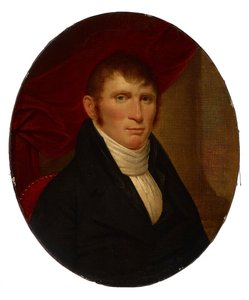
David Cox
1783 - 1859 , Storbritannien
Kort om kunstneren
- Artistic Movement Or Style: Engelsk landskab, præ-impressionisme
- Artists Or Movements Influenced By This Artist: ['Impressionisme']
- Artists Who Influenced This Artist:
- Joseph Barber
- Albert Fielder
- Date Of Birth: 29. april 1783
- Date Of Death: 7. juni 1859
- Full Name: David Cox the elder
- Nationality: Britisk
- Notable Artworks:
- The Wind on the Heath
- Cottage i Herefordshire
- Junction af Severn og Wye med Chepstow
- Place Of Birth: Birmingham, Storbritannien
Relaterede artikler

Romantikkens Landskaber: Top 10 Malerier der Definerede En Æra | OriginalUniqueArt
Oplev romantikkens storhedstid! Dyk ned i top 10 landskabsmalerier af Caspar David Friedrich, Turner & Constable. Historiske fortællinger og museumskvalitets reproduktioner på OriginalUniqueArt.com – find din inspiration til væggen her!

John Constables 25 Mesterværker: En Hyldest til Englands Landskabskunst | OriginalUniqueArt.com
Oplev John Constables 25 mest ikoniske værker! Fordyb dig i engelsk romantik, betagende landskaber og tidløs skønhed. Køb museumskvalitets reproduktioner af 'The Hay Wain' & mere på OriginalUniqueArt.com – inspiration til dit hjem.

Top 10 Akvarelmesterværker: Kunst der Ændrede Historien | OriginalUniqueArt.dk
Oplev de 10 mest legendariske akvarelmesterværker, der har ændret kunsthistorien! Fra Turner til Monet – lær om teknikken og historierne bag ikoniske værker. Find museumskvalitets reproduktioner & inspiration til din indretning på OriginalUniqueArt.com.

David Cox the Elder: Landscape, Light & the Romantic Vision of Rural England
Explore the captivating landscapes of David Cox the Elder, a pivotal figure in British Romanticism. Discover his masterful watercolour techniques, enduring legacy & find timeless art for your home at OriginalUniqueArt.

Ephemeral Visions: Exploring the Artistic Legacy & Contemporary Practice of Watercolor Painting
Explore the captivating world of watercolor painting! Discover its rich history, essential techniques, influential artists & collecting tips. A comprehensive guide for art enthusiasts from OriginalUniqueArt.