Impressionism · 1883
Cobeas (Claude Monet, 1883)
Claude Monet (1840–1926) har skabt Cobeas. Det er fra 1883. Det tilhører Impressionism-bevægelsen. Den er udført i Oil On Canvas.
- 1883
- Oil On Canvas

 Se i rummet

 Håndmalet oliemalerie
 Del som kort
 Del
 Faktablad


 Download
 Lignende værker
 Røntgenundersøgelse
 Diasshow
 Spørgsmål og svar

 Statistikker
Cobeas kort fortalt
- Titel
- Cobeas
- Kunstner
- Claude Monet (1840–1926)
- Kunstner født i
- Paris, Frankrig
- Dato
- 1883
- Medium
- Oil On Canvas
- Bevægelse
- Impressionism
- Periode
- 19th Century
- Motiv
- floral impressionism, garden scene art, monet landscape, vibrant colors, nature painting, light and color
Hvad forestiller Cobeas?
A Symphony of Blossoms: Exploring Monet’s “Cobeas”
Claude Monet, a pivotal figure in the development of Impressionism, gifted the world with paintings that captured not just what he *saw*, but how light and atmosphere transformed his perceptions. Created in 1883, "Cobeas" is a captivating example of this artistic philosophy – a vibrant celebration of nature’s fleeting beauty rendered with characteristic looseness and brilliance. This artwork isn't merely a depiction of flowering vines; it’s an immersive experience of a sun-drenched garden, inviting the viewer to step into a world of color and light.Subject & Composition: A Garden in Full Bloom
“Cobeas” focuses on the cascading beauty of climbing flowers – likely cobaea vines, known for their bell-shaped blossoms – against a warm, golden backdrop. The composition is dynamically vertical, emphasizing the upward reach and exuberant growth of the plant. Rather than a meticulously detailed botanical study, Monet presents an *impression* of a garden scene. A sense of depth is suggested not through strict perspective, but through layering of color and form. The eye is drawn upwards along the vines, creating a feeling of movement and vitality.Impressionistic Technique: Capturing Fleeting Light
Monet’s mastery lies in his revolutionary technique. He eschewed traditional blending methods, instead employing short, broken brushstrokes to build up layers of color. This approach allows the colors to mix optically in the viewer's eye, creating a shimmering, vibrant effect that mimics the way light plays on natural forms. The use of complementary colors – deep purples and reds against yellows and greens – heightens the visual impact and adds to the painting’s overall luminosity. The texture is palpable; you can almost feel the warmth of the sun and the gentle breeze rustling through the leaves.Historical Context & Artistic Innovation
By 1883, Monet was firmly established as a leading figure in the Impressionist movement. He had already challenged academic conventions with his *plein air* painting – working outdoors directly from nature – and his focus on capturing momentary effects of light and color. “Cobeas” exemplifies this commitment. It’s a departure from the historical or mythological subjects favored by earlier artists, instead celebrating the beauty of everyday life and the natural world. This shift in subject matter was radical for its time and paved the way for modern art.Symbolism & Emotional Resonance
While not overtly symbolic, “Cobeas” evokes a sense of joy, abundance, and the ephemeral nature of beauty. The flowering vines represent growth, vitality, and the cyclical rhythms of life. The painting’s overall warmth and luminosity create a feeling of optimism and tranquility. It's an invitation to pause, appreciate the present moment, and find solace in the beauty that surrounds us. It is a testament to Monet’s ability to translate his personal experience of nature into a universally resonant emotional landscape.Bringing “Cobeas” Into Your Space
- Explore our collection of Claude Monet's paintings.
- Discover more about the fascinating world of Impressionism and its key artists.
- Learn about The Art of Painting Styles.
Højopløselige billeder af Cobeas
Public domain: kunstneren døde i 1926.
Claude Monet, Cobeas (1883). Public domain
Spørgsmål om Cobeas besvaret
Hvornår blev "Cobeas" skabt?
"Cobeas" stammer fra 1883. Datoen placerer værket i Claude Monet's karriere og dets tidsalder.
Hvilken teknik er brugt til "Cobeas" af Claude Monet?
Claude Monet brugte Oil On Canvas-teknikken til "Cobeas". Teknikken definerer det originale værks materielle karakter.
Hvad forestiller "Cobeas" af Claude Monet?
"Cobeas" af Claude Monet forestiller: floral impressionism, garden scene art, monet landscape, vibrant colors, nature painting, light and color, french impressionism.
Er "Cobeas" af Claude Monet i det offentlige domæne?
Ophavsretsstatus for "Cobeas" af Claude Monet: værket er i det offentlige domæne – ophavsretten er udløbet. Dette afgør, om der frit må foretages reproduktioner af billedet.
Hvilken kunstner tilskrives "Cobeas"?
"Cobeas" blev skabt af Claude Monet. Informationen på denne side beskriver Claude Monets originale værk.
Hvilken kunstretning tilhører "Cobeas" af Claude Monet?
Kunstretningen forbundet med "Cobeas" af Claude Monet er Impressionism. Denne klassificering placerer værket blandt relaterede kunstnere og kunstværker.
Hvilken periode i Claude Monets karriere tilhører "Cobeas"?
"Cobeas" repræsenterer Claude Monets Mature Period.
Hvor gammel var Claude Monet, da vedkommende skabte "Cobeas"?
Claude Monet skabte "Cobeas" i en alder af 43. Kunstneren blev født i 1840, og værket er dateret 1883.
Hvad er årsagen til ophavsretsstatus for "Cobeas" af Claude Monet?
Ophavsretsstatus for "Cobeas" – i det offentlige domæne – ophavsretten er udløbet – følger af kunstnerens død i 1926.
Om kunstneren, Claude Monet
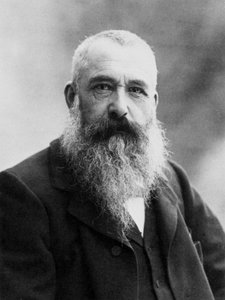
1840–1926, Frankrig
Claude Monet
Tidligt liv, familie og uddannelse Claude Monet blev født i Paris, Frankrig, den 14. november 1840, og trådte ind i en verden præget af modstridende forventninger. Mens hans far, Claude-Adolphe Monet, forestillede sig en mere stabil professionel karrierevej for sin søn, tilbød hans mor, Louise-Justine Aubrée Monet, en stille støtte til hans spirende kreative anlæg. Familien slog sig til sidst ned i Le Havre i Normandiet, hvor den kystnære atmosfære ville efterlade et varigt indtryk på den unge dreng.
Også af Claude Monet
 Åkander (eller Nympheas)1916
 Solopgang1872
 Høstakke: Snøeffekt1891
 Promenade1875
Essays om Cobeas
 Claude Monet’s Giverny: The Living Canvas of Impressionist Light and WaterExplore the luminous world of Monet's Giverny through expert historical insight. Step into his living canvas today.
 French artworks of the 1880sFrench Impressionist masterpieces by Claude Monet, Pierre-Auguste Renoir, and Georges Seurat. Find museum-quality reproductions on Original…
 Capturing Fleeting Moments: Light, Color & Emotion in Impressionistic ArtExplore the captivating world of Impressionism! Discover the techniques, artists (Monet, Renoir, Degas), and enduring legacy of this revolu…