
 Se i fuld skala
 Del
Del Del
Del
 Detaljer

 Download
 Lignende værker
 Røntgenundersøgelse
 Diasshow
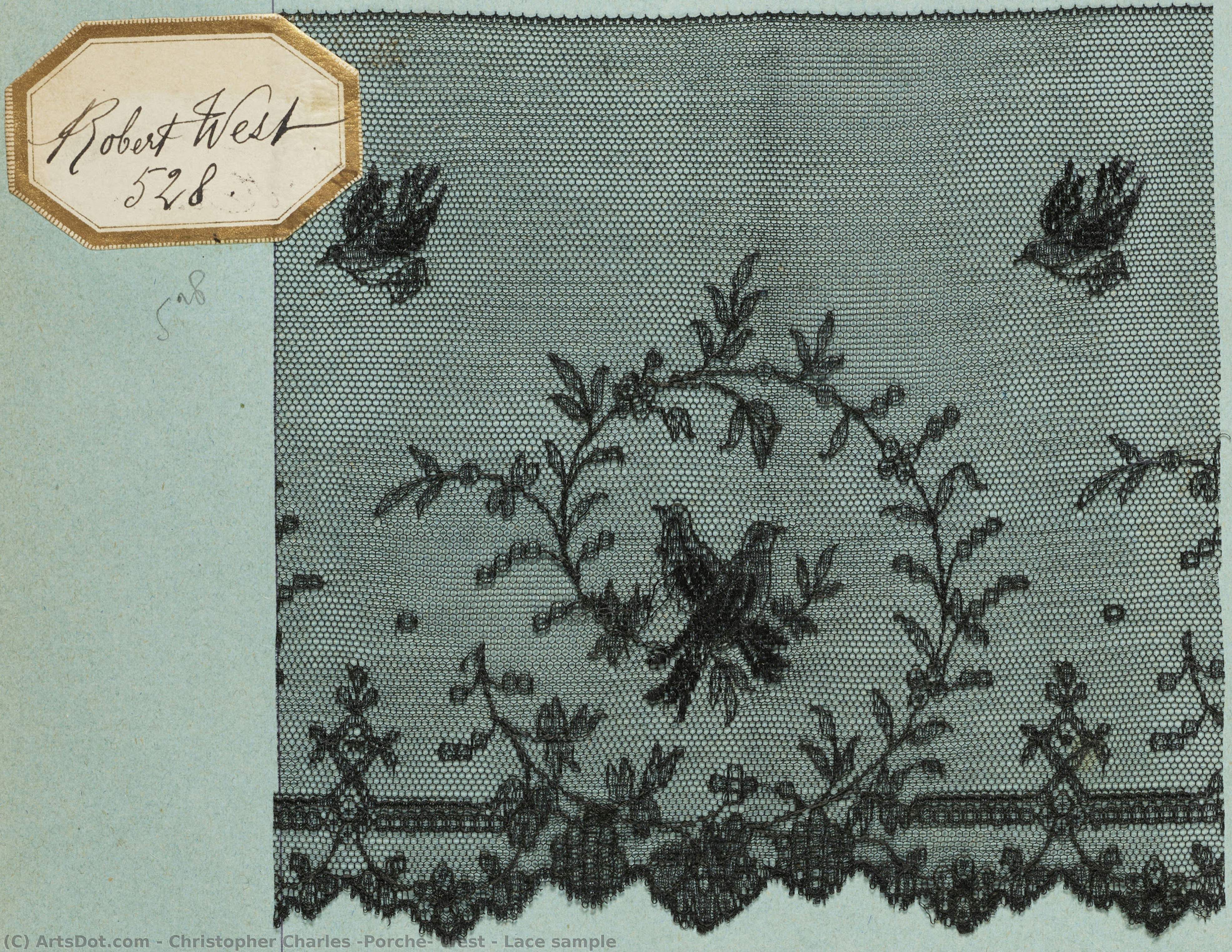
Lace sample

 Se mere
Giclée / Kunsttryk
Giclée- eller lærredstryk i museumskvalitet med hurtig produktion og fleksible muligheder for finish. ( Køb håndlavet maleri Køb billede)




































Vælg mellem vores forudindstillede størrelser, der matcher kunstværkets originale proportioner.

Du kan indtaste dine egne mål for at passe til en specifik ramme eller et bestemt område. Hvis den valgte størrelse ikke stemmer overens med det originale billedes proportioner, vil vi enten beskære kunstværket eller udvide billedet med en spejlet eller ensfarvet kant. En digital mockup vil blive sendt til din godkendelse, før produktionen påbegyndes.
Bemærk venligst, at forhåndsvisningen på skærmen ikke afspejler den faktiske beskæring eller udvidelse. Kun mockuppen vil nøjagtigt vise den endelige komposition.
Selvom specialmål er tilgængelige, anbefaler vi at vælge et mål fra den foruddefinerede liste for at bevare de originale proportioner.
Verdensomspændende levering () på 2 uger i stedet for de sædvanlige 4/5 uger. (18 august)

Gratis ekspresforsendelse til hele verden

Lærred af linned i høj kvalitet

Fuld transportforsikring

Garanti for refusion af told og importafgifter

Garanti for præcis farvegengivelse

60 dages returret (kun ved fabrikationsfejl)

100% Tilfredshedsgaranti

Mængderabat tilgængelig
 Glasmulighed er kun tilgængelig i størrelser under 110 cm

Lace sample
Giclée / Kunsttryk
Størrelse på reproduktion
-


Samlet pris
$ 81
Kunstnerens biografi
The Soul of New Orleans: The Visionary Artistry of Christopher Porché West
To encounter the work of Christopher Porché West (1958–2023) is to step into a sacred space where the boundaries between photography and sculpture dissolve. Emerging from the artistic landscape of California, West found his true calling in the humid, rhythm-filled streets of New Orleans, becoming a profound chronicler of Louisiana’s cultural soul. His lens did not merely capture images; it sought out the invisible threads that bind diverse peoples through shared faith, ritual, and resilience. Through his eyes, the city was not just a location, but a living, breathing entity—a tapestry of history, struggle, and enduring grace.
West’s artistic journey is most famously defined by his deep, decades-long engagement with the Mardi Gras Indians. Recognizing these communities as vital symbols of African American resistance and cultural preservation, he embarked on a mission to document their secretive, elaborate rituals. His photographs of these magnificent processions—characterized by intricate beadwork and towering feather headdresses—transcended simple documentation. They became narratives of lineage and devotion, capturing the very essence of ancestral pride. In his hands, the camera served as a tool for cultural curatorialism, honoring the artistry and unwavering spirit of those who keep tradition alive through every stitch and bead.
The Convergence of Form and Memory
What truly set West apart from his contemporaries was his rejection of the "flat" photograph. He famously contended that a standard frame could tell a story, but it lacked the dimensionality required to convey the true depth of human experience. This belief led to the development of his signature photographic sculpture. In this innovative approach, West would "house" his dramatic grayscale images within salvaged architectural elements—weathered door casings, antique window frames, floorboards, and ornate knobs. By incorporating these physical fragments of New Orleans's decaying grandeur, he anchored his photographs in a tangible sense of place.
This technique created an additive effect where the sum was always greater than its parts:
- Texture and Depth: The use of grayscale photography prioritized form and texture over color, allowing the subtle nuances of skin, fabric, and wood to emerge with striking clarity.
- Symbolic Assemblage: By adorning his sculptural frames with symbolic objects and candles, West transformed his studio into an installation-like environment, reminiscent of a sacred shrine.
- Authenticity through Decay: The use of architectural debris provided an organic authenticity, suggesting that the art itself was born from the very soil and history of the city it depicted.
A Legacy of Humanist Observation
Beyond the grand spectacle of the Mardi Gras Indians, West’s work remained deeply rooted in a humanist philosophy. He possessed an uncanny ability to find the universal within the particular, seeking out the "faces that hold something that invites reflection." His portraits of everyday New Orleanians were studies in existential grace; he looked into the hearts of his subjects to discover the lightness and beauty that persist despite the burdens of history. His aesthetic favored a quiet intensity, using light and shadow to emphasize the dignity of the human visage.
The historical significance of Christopher Porché West lies in his ability to act as both an artist and an archivist. He did not just observe change; he captured the tension between a city grappling with its past and one embracing its future. Through his meticulous craftsmanship and profound empathy, West left behind a visual legacy that serves as a permanent testament to the resilience of the human spirit and the indelible beauty of Louisiana’s cultural heritage. His work remains a vital bridge between the ephemeral moment of a photograph and the enduring weight of history.

christopher charles 'porché' west
1958 - 2023 , United States of America
Kort om kunstneren
- Artistic Movement Or Style: Photography
- Date Of Birth: California, United States of America (1958)
- Full Name: Christopher Charles 'Porché' West
- Nationality: American
- Notable Artworks: ['Mardi Gras Indian']
- Place Of Birth: California

