
 Se i fuld skala
 Del
Del Del
Del
 Detaljer

 Download
 Lignende værker
 Røntgenundersøgelse
 Diasshow
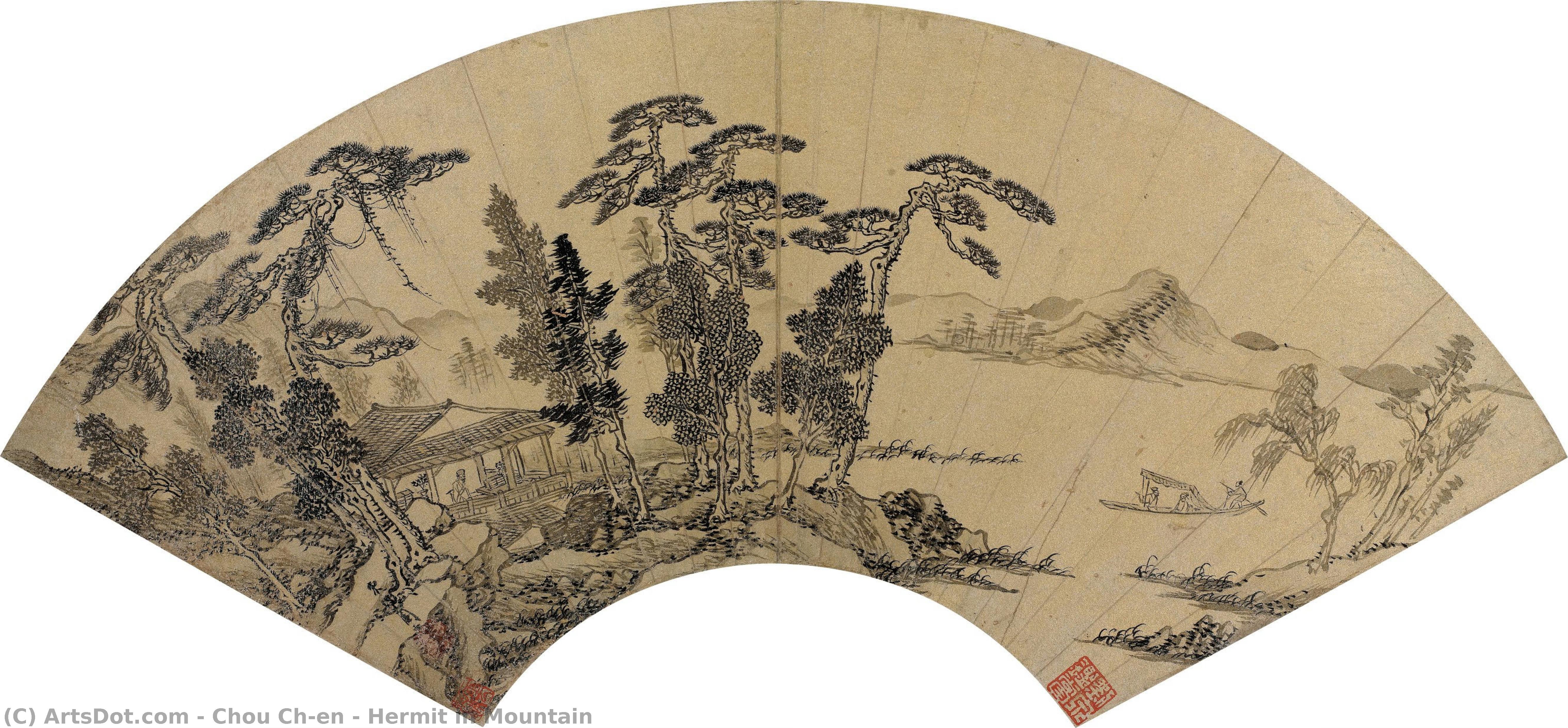
Hermit in Mountain
 Ink
Ink- WallArt
 1644
1644- Early Modern
 19.0 x 52.0 cm
 Song Art Museum
 Se mere
Håndlavet oliereproduktion
Håndmalet olie på lærred i din valgte størrelse og ramme, udført efter bestilling af vores kunstnere. ( Køb print Køb billede)




































Vælg mellem vores forudindstillede størrelser, der matcher kunstværkets originale proportioner.

Du kan indtaste dine egne mål for at passe til en bestemt ramme eller plads. Hvis den valgte størrelse ikke stemmer overens med det originale billedes proportioner, vil vi enten beskære kunstværket eller udvide maleriet med yderligere håndmalede elementer. En digital skitse sendes til din godkendelse, før produktionen påbegyndes.
Bemærk venligst, at forhåndsvisningen på skærmen ikke afspejler den faktiske beskæring eller udvidelse. Kun skitsen vil nøjagtigt vise den endelige komposition.
Selvom specialmål er mulige, anbefaler vi at vælge en dimension fra den foruddefinerede liste for at bevare de originale proportioner.
Efter bestilling vil OriginalUniqueArt.com team sende en e-mail til kunden for at få instruktioner og levere et udkast til en skitse.
Levering i hele verden () på 3/4 uger i stedet for de standard 5 uger. (15 august). Ingen kompromiser med kvaliteten.

Gratis ekspresforsendelse til hele verden

Lærred af linned i høj kvalitet

Fuld transportforsikring

Garanti for refusion af told og importafgifter

Garanti for præcis farvegengivelse

60 dages returret (kun ved fabrikationsfejl)

100% Tilfredshedsgaranti

Mængderabat tilgængelig
 Glasmulighed er kun tilgængelig i størrelser under 110 cm

Hermit in Mountain
Reproduktionsmetode
Størrelse på reproduktion
-


Samlet pris
$ 300
Beskrivelse af kunstværket
A Sanctuary of Ink and Gold: The Ethereal World of Zhou Chen
In the delicate expanse of this exquisite fan leaf, the Ming Dynasty master Chou Ch'en (Zhou Chen) invites us into a realm where the boundaries between humanity and nature dissolve into a harmonious mist. Painted upon gilded paper, the work transcends mere landscape; it is a window into the soul of the literati tradition. The shimmering gold ground provides an eternal warmth, acting as a celestial light that illuminates every meticulous stroke of ink. As we gaze upon Hermit in Mountain, we are not merely observing a scene, but participating in a meditative journey through a landscape defined by its profound stillness and spiritual depth.
The Poetics of Solitude and Connection
At the heart of this masterpiece lies a poignant narrative of human existence within the wild. Tucked beneath the protective canopy of an ancient tree sits a humble cottage, a sanctuary for the scholar-recluse. Here, a single figure—the literatus—is captured in a moment of quiet contemplation, appreciating the mountain view with a serenity that only true isolation can provide. Yet, this solitude is not one of loneliness, but of profound connection. Across the gentle movement of a river, a boat drifts, and a visitor approaches the cottage, pointing toward the dwelling. This subtle interaction introduces a theme of human connection and the shared appreciation of beauty, suggesting that even in our most private retreats, we remain part of a larger, interconnected cosmos.
For the discerning collector or interior designer, Hermit in Mountain offers more than just aesthetic beauty; it provides an emotional anchor. The painting’s ability to evoke a sense of peace, adventure, and timelessness makes it a transformative piece for any curated space. Whether placed in a quiet study to inspire deep thought or as a focal point in a sophisticated living area to invite tranquility, this reproduction captures the essence of the Ming Dynasty's artistic zenith. It is an invitation to slow down, to breathe with the mountains, and to find, within the intricate details of the ink, a reflection of our own enduring search for harmony.
Kunstnerens biografi
Gerard David: A Master of Early Netherlandish Portraiture
Gerard David, a name perhaps less familiar than some of his contemporaries in the vibrant artistic landscape of 15th-century Bruges, stands as a pivotal figure in the development of early Netherlandish painting. Born around 1460 in Oudewater, near Gouda in the Netherlands, David’s career unfolded primarily within the bustling commercial and cultural center of Bruges, a city renowned for its burgeoning art trade and international connections. While overshadowed by the brilliance of figures like Jan van Eyck and Rogier van der Weyden during his lifetime, a closer examination reveals a profoundly skilled artist whose distinctive style and innovative approach to portraiture left an enduring legacy.
David’s early life remains somewhat shrouded in mystery, mirroring the relative scarcity of biographical details for many artists of this period. However, it is generally accepted that he spent his formative years honing his craft under the tutelage of various masters, absorbing the techniques and stylistic conventions prevalent at the time. His arrival in Bruges around 1484 marked a turning point, establishing him as a respected member of the city’s painter’s guild – a significant achievement reflecting his growing reputation and artistic prowess. He quickly ascended to become the leading painter of Bruges, a position he held until his death in 1523, overseeing a prolific output that catered to both local patrons and a discerning international clientele.
A Style Defined by Restraint and Refinement
David’s artistic style is characterized by a remarkable balance between realism and elegance. Unlike the intensely detailed and often hyper-realistic works of Van Eyck, David favored a more restrained approach, prioritizing clarity of form, harmonious color palettes, and a subtle sense of spatial depth. His compositions are typically balanced and symmetrical, reflecting a desire for order and stability – qualities that resonated with the prevailing humanist ideals of the Renaissance. He was particularly adept at capturing the psychological nuances of his subjects, imbuing portraits with an air of quiet dignity and introspective contemplation.
A key element of David’s distinctive style lies in his masterful use of color. While he employed the vibrant hues characteristic of the Flemish school, he often modulated them with a delicate subtlety, creating a sense of atmospheric depth and luminosity. His palette was notably refined, avoiding the overly bright or clashing combinations favored by some of his contemporaries. This restraint, combined with his meticulous attention to detail, resulted in paintings that possessed an understated beauty and remarkable visual harmony.
Major Works and Influences
David’s oeuvre encompasses a diverse range of subjects, including religious scenes, portraits, and altarpieces. Among his most celebrated works are the *Polyptych of the Misericordia*, a complex devotional panel showcasing his skill in depicting multiple figures within a confined space; the *Judgment of Cambyses*, a profoundly unsettling depiction of divine retribution that reveals David’s willingness to explore darker themes; and, perhaps most famously, the *Madonna with the Green Cushion*, a tender portrayal of the Virgin Mary and Child – a work admired for its serene beauty and exquisite detail.
David's artistic development was undoubtedly influenced by several key figures. The meticulous realism and innovative use of oil paint pioneered by Jan van Eyck served as a foundational influence, while the dramatic compositions and emotional intensity of Rogier van der Weyden provided a contrasting model. The impact of Antonello da Messina, who had established himself in Venice during David’s early career, is particularly evident in David's refined color palette and sophisticated understanding of perspective. Furthermore, he was influenced by the works of Albert van Oudewater and Hans Memling.
Legacy and Historical Significance
Despite his relative obscurity during his lifetime, Gerard David’s influence on subsequent generations of artists is undeniable. His emphasis on clarity, restraint, and psychological realism helped to shape the trajectory of Netherlandish painting in the late 15th and early 16th centuries. His portraits, in particular, established a new standard for depicting human individuality, capturing not only physical likeness but also subtle expressions of character and emotion.
It was only in the 19th century that David’s work began to receive the critical attention it deserved. Today, his paintings are celebrated as masterpieces of early Netherlandish art, testament to a profoundly talented artist whose quiet brilliance continues to captivate viewers centuries after his death. His legacy resides not just in the beauty of his individual works but also in his contribution to the evolution of portraiture and the development of a distinctly Northern European artistic sensibility.

chou ch'en
1460 - 1535 , China
Kort om kunstneren
- Artistic Movement Or Style: Early Renaissance
- Artists Or Movements Influenced By This Artist: ['Correggio']
- Artists Who Influenced This Artist:
- Leonardo da Vinci
- Antonello da Messina
- Date Of Birth: c. 1460
- Date Of Death: c. 1524
- Full Name: Andrea Solari
- Nationality: Italian
- Notable Artworks:
- Madonna with Green Cushion
- Ecce Homo (Poldi-Pezzoli)
- Place Of Birth: Milan, Lombardy
Relaterede artikler

Katsushika Hokusai: Top 25 Kunstværker – Japansk Mesterkunst til Dit Hjem
Oplev Katsushika Hokusais 25 mest ikoniske kunstværker – fra 'The Great Wave' til smukke Fuji-landskaber. Udforsk japansk ukiyo-e, træsnit og historisk kunst på OriginalUniqueArt.com. Find din perfekte vægkunst i dag!
Top 10 Landskabsmalerier: Kunst, Historie og Inspiration til Dit Hjem
Oplev de 10 mest ikoniske landskabsmalerier fra Monet, Van Gogh og Caspar David Friedrich. Lær historien bag disse mesterværker & find inspiration til dit hjem med OriginalUniqueArt.coms kuraterede kunstsamling. Udforsk nu!
The Alchemy of Ink: Mastering the Timeless Beauty and Art History of Paper and Brush
Embark on a sophisticated exploration of ink wash painting and Sumi-e. Uncover the profound historical lineages, Zen philosophies, and technical mastery behind this timeless medium in our authoritative guide for fine art enthusiasts.

Mastering Ink on Paper: The Timeless Art of Precision, Flow, and Calligraphic Heritage
Explore the profound mastery of ink on paper. From Japanese haiku traditions to Ming Dynasty calligraphy, discover the delicate balance of precision and flow that defines this timeless art form through an expert historical lens.
Mastering the Flow: The Timeless Art of Ink on Paper and the Legacy of Calligraphic Mastery
Explore the profound elegance of ink on paper. From the rhythmic running script of the Ming Dynasty to Zen-inspired haiku, discover the history, technique, and meditative mastery behind the world's most timeless calligraphic traditions.

