Rococo · 1762
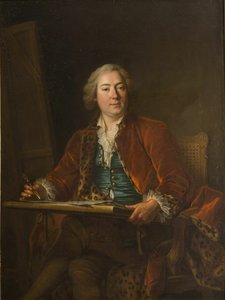
Self-Portrait (Charles-André van Loo, 1762)
Charles-André van Loo (1705–1765) har skabt Self-Portrait. Det er fra 1762. Det tilhører Rococo-bevægelsen. Den er udført i Oil On Canvas. Det opbevares på Hermitage Museum i Sankt Petersborg, Rusland. Målene er 88 × 72 cm.
- 1762
- Oil On Canvas
- 88 × 72 cm
- Hermitage Museum, Sankt Petersborg

 Se i rummet

 Håndmalet oliemalerie
 Del som kort
 Del
 Faktablad


 Download
 Lignende værker
 Røntgenundersøgelse
 Diasshow
 Spørgsmål og svar

 Statistikker
Self-Portrait kort fortalt
- Titel
- Self-Portrait
- Kunstner
- Charles-André van Loo (1705–1765)
- Kunstner født i
- Nice, Frankrig
- Dato
- 1762
- Medium
- Oil On Canvas
- Dimensioner
- 88 × 72 cm
- Hvor det kan ses
- Hermitage Museum, Sankt Petersborg, Rusland
- Bevægelse
- Rococo
- Motiv
- portrait, self-portrait, rococo, dutch painting, 18th century, charles van loo
Hvad forestiller Self-Portrait?
A Portrait of Inner Reflection: Charles-André van Loo’s “Self-Portrait”
The year 1762 witnessed a pivotal moment in the artistic landscape of France – the creation of Charles-André van Loo's "Self-Portrait." More than simply a likeness, this painting is a carefully constructed meditation on identity, status, and the burgeoning Rococo aesthetic. Van Loo, a key figure within his family’s esteemed dynasty of painters, presents himself not as a flamboyant courtier or a heroic warrior, but as a thoughtful observer, subtly imbued with an air of quiet contemplation. The portrait immediately draws the eye to the artist's direct gaze, a deliberate act of engagement that invites the viewer into a private moment.
Van Loo’s style is quintessential Rococo – characterized by its delicate brushwork, pastel hues, and an emphasis on elegant ornamentation. He employs a loose, almost impressionistic technique, favoring soft transitions between light and shadow to create a sense of atmospheric depth. The rich fabrics of his suit—a deep burgundy velvet accented with gold embroidery—speak volumes about his position within the French court, while the subtle details – the meticulously rendered lace collar, the gleaming sword on his side – reinforce this image of refined authority. Yet, it’s not merely a display of wealth; these elements are presented with an understated grace that suggests a considered awareness of their symbolic weight.
The Context of 18th-Century Portraiture
To fully appreciate “Self-Portrait,” one must understand the evolving context of portraiture during the mid-18th century. Following the grandeur of the Baroque period, artists began to shift towards a more intimate and psychologically nuanced approach. The rise of the middle class fueled demand for portraits, but royal patronage continued to shape artistic trends. Artists like Van Loo were tasked with capturing not just physical likenesses, but also conveying an individual’s character and social standing. Van Loo's self-portrait reflects this trend – it is a carefully crafted statement about his identity as both artist and member of the elite.
Interestingly, the portrait predates the widespread popularity of the self-portrait as a genre. While artists had occasionally depicted themselves in various roles throughout history, Van Loo’s work stands out for its directness and lack of theatricality. He avoids overtly dramatic poses or elaborate settings, opting instead for a simple, uncluttered composition that focuses entirely on his own image. This deliberate restraint speaks to the artist's confidence and self-awareness – he is not seeking to impress, but rather to present himself honestly.
Symbolism and Emotional Resonance
Beyond its technical merits, “Self-Portrait” is rich in symbolic detail. The sword, a traditional emblem of power and authority, suggests Van Loo’s role as a court painter – a position that demanded both artistic skill and political savvy. However, the sword is not brandished aggressively; it rests calmly on his hip, hinting at a measured approach to wielding influence. The background—a plain wall—further emphasizes the artist's focus on himself, creating an aura of introspection.
Perhaps most powerfully, the painting evokes a sense of quiet contemplation. Van Loo’s gaze is direct and unwavering, yet there is also a hint of melancholy in his expression. It’s as if he is reflecting on his own life, his work, and the complexities of his position within society. The subtle shading around his eyes and mouth contributes to this feeling of emotional depth, inviting the viewer to share in his private thoughts. The painting isn't merely a representation of a man; it’s an invitation into his inner world.
A Timeless Masterpiece: Reproduction Possibilities
Charles-André van Loo’s “Self-Portrait” remains a captivating work of art, offering a rare glimpse into the mind and soul of a prominent 18th-century artist. High-quality reproductions capture the delicate brushwork and nuanced color palette that define this masterpiece. Whether displayed in a formal salon or a contemporary living space, this portrait continues to resonate with viewers today, reminding us of the enduring power of self-reflection and artistic expression. OriginalUniqueArt offers meticulously crafted hand-painted reproductions, allowing you to bring this timeless work into your home.
Hvilket museum udstiller Self-Portrait?
Hermitage Museum
Sankt Petersborg, Rusland
Oprindelse og historie for Hermitage Museum Historien om Hermitage Museum begyndte i 1764, hvor fundamentet blev lagt gennem erhvervsmanden Johann Ernst Gotzkowskys salg af en samling på 225 malerier fra Berlin. Det var Katarina den Store, der satte gang i denne samling og dermed etablerede museets tilstedeværelse i Sankt Petersborg, Rusland. Disse tidlige erhvervelser udgjorde selve kernen i det, som senere skulle udvikle sig til et enormt arkiv for vestlig europæisk kunst.


Højopløselige billeder af Self-Portrait
Public domain: kunstneren døde i 1765.
Charles-André van Loo, Self-Portrait (1762), Hermitage Museum. Public domain
Spørgsmål om Self-Portrait besvaret
Hvor kan man i dag se "Self-Portrait" af Charles-André van Loo udstillet?
Originalen af "Self-Portrait" af Charles-André van Loo opbevares på Hermitage Museum, Sankt Petersborg, Rusland. En reproduktion gør det muligt at udstille værket i hjemmet.
Hvornår er "Self-Portrait" af Charles-André van Loo skabt?
"Self-Portrait" af Charles-André van Loo er dateret til 1762.
Hvilken teknik er brugt til "Self-Portrait" af Charles-André van Loo?
"Self-Portrait" af Charles-André van Loo er udført i Oil On Canvas. Reproduktionerne har til formål at gengive denne tekniks visuelle udtryk.
Hvad er målene på det originale værk "Self-Portrait"?
"Self-Portrait" måler 88 x 72 cm i sin oprindelige form. De originale dimensioner er en nyttig reference, når du skal vælge størrelsen på en reproduktion.
Hvad forestiller "Self-Portrait" af Charles-André van Loo?
"Self-Portrait" af Charles-André van Loo forestiller: portrait, self-portrait, rococo, dutch painting, 18th century, charles van loo, mustache.
Er billedet af "Self-Portrait" af Charles-André van Loo frit tilgængeligt i det offentlige domæne?
Ophavsretsstatus for "Self-Portrait" af Charles-André van Loo: værket er i det offentlige domæne – ophavsretten er udløbet. Dette afgør, om der frit må foretages reproduktioner af billedet.
Hvilken kunstner tilskrives "Self-Portrait"?
"Self-Portrait" blev skabt af Charles-André van Loo. Informationen på denne side beskriver Charles-André van Loos originale værk.
Hvilken kunstretning tilhører "Self-Portrait" af Charles-André van Loo?
"Self-Portrait" af Charles-André van Loo tilhører Rococo-bevægelsen. Denne bevægelse giver den stilistiske kontekst for værket.
Hvor i Charles-André van Loos karriere placerer "Self-Portrait" sig?
"Self-Portrait" tilhører Mature Period i Charles-André van Loos karriere. Denne klassificering knytter værket til kunstnerens udvikling.
Om kunstneren, Charles-André van Loo
1705–1765, Frankrig
Charles-André van Loo
Tidligt liv og uddannelse Født: 15. februar 1705, i Nice, Frankrig Familiebaggrund: Søn af Louis-Abraham van Loo og yngre bror til Jean-Baptiste van Loo. Medlem af en succesfuld hollandsk malerdynasti. Tidlig uddannelse: Indledende træning i Torino, efterfulgt af studier i Rom (1712) under Benedetto Luti og Pierre Legros.
Om Charles-André van Loo Bemærkelsesværdige værker af Charles-André van Loo
Også af Charles-André van Loo
 Spanish Concert (Spanish Сonversation)1754
 Aeneas Carrying Anchises1729
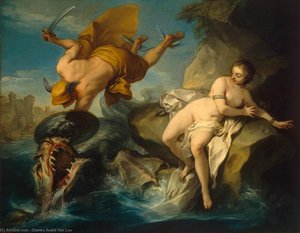 Perseus and Andromeda1735
 The sultana1747
Essays om Self-Portrait
 Charles-André van Loo: A Study in Rococo Portraiture & the French Court's Artistic DynamicsExplore the elegant world of Charles-André van Loo, a master of Rococo portraiture at the French court. Discover his life, techniques, and …
 Tre Lærreder, Én Sjæl: Valgets Emotionelle Landskab i KunstoplevelsenUdforsk kunsten som et spejl af sjælen! Dyk ned i emotionernes historie, æstetisk oplevelse og kurateringens kunst. Få ekspertråd til at væ…
 Reflecting the Self: A History of Portraiture & Psychological InsightExplore the fascinating history of self-portraiture from Renaissance masters like Dürer & Rembrandt to modern interpretations. Discover the…