Se i rummet
 Del som kort
 Del
Del
 Detaljer
 Guide
Guide

 Download
 Lignende værker
 Røntgenundersøgelse
 Diasshow
 Q&A
Q&A Statistikker
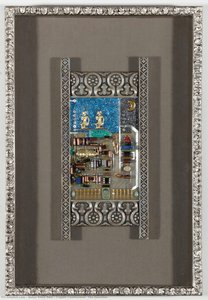
Cryptic Confessions, The Question


 Vis mere
Kunstværket vist på denne side er beskyttet af ophavsretsloven, hvilket betyder, at vi ikke lovligt kan skabe eller sælge en identisk reproduktion. Denne beskyttelse håndhæves i henhold til internationale aftaler som f.eks. den Bernerkonventionen og af nationale love, herunder de bestemmelser, der er fastlagt i Amerikansk ophavsretslov - Titel 17.
Denne metode overholder fuldt ud ophavsretsreglerne, da den ikke indebærer kopiering eller duplikering af det beskyttede kunstværk. I stedet er der tale om en kreativ nytolkning – et nyt maleri, som er inspireret af det oprindelige, men ikke identisk med det.
Giclée / Kunsttryk
Giclée- eller lærredstryk i museumskvalitet med hurtig produktion og fleksible muligheder for finish. ( Køb håndmalet maleri Skift til digitalt billede)




P118B Dkr10

P118H Dkr10

P118W Dkr10

P438Z Dkr10

P508JH Dkr12

P508YH Dkr12

P805H Dkr10

P805Z Dkr10

P919BZ Dkr10

P919G Dkr10

P919XJ Dkr10

P959ZH Dkr10

P968JZ Dkr12

W106C Dkr8

W218G Dkr10

W218JH Dkr8

W218Y Dkr10

W307PJ Dkr10

W316G Dkr10

W316PJ Dkr8

W316Y Dkr10

W398PJ Dkr8

W4111J Dkr10

W500HY Dkr15

W500JH Dkr15

W692G Dkr12

W849H Dkr8

W940BG Dkr15

W953PJ Dkr8




Vælg mellem vores forudindstillede størrelser, der matcher kunstværkets originale proportioner.

Indtast den bredde og højde, du har brug for, så det passer til din ramme eller din væg. Et print kan kun beskæres, aldrig gøres større end selve billedet, så en størrelse med et andet format vil medføre, at dele af motivet går tabt. Vi sender dig en digital mockup til godkendelse, før vi printer noget. Billedet vist på denne side viser ikke den faktiske beskæring — det er kun mockuppen, der gør.
Verdensomspændende levering () på 2 uger i stedet for de sædvanlige 4/5 uger. (1 november)

Gratis ekspresforsendelse til hele verden

Lærred af linned i høj kvalitet

Fuld transportforsikring

Garanti for refusion af told og importafgifter

Garanti for præcis farvegengivelse

100 dages returret ved fabrikationsfejl

100% fuld returret

Mængderabat ved flere køb
 Glasmulighed er kun tilgængelig i størrelser under 110 cm

Cryptic Confessions, The Question
Giclée / Kunsttryk
Størrelse på reproduktion
-


Samlet pris
Dkr 538
En Meditation På Minne Och Motstånd: Utforska Betye Saar’s “Cryptic Confessions, The Question”
Betye Irene Saar's "Cryptic Confessions, The Question," skapad 1988, är ett testament till den bestående kraften hos assemblage konst – ett medium hon pionjärverkade – och dess förmåga att förmedla djupgående känslomässig och intellektuell resonans. Mer än bara en samling av föremål är detta skulptur en avsiktlig provoceration, återspeglande Saar’s hela livstidens oro över att konfrontera samhällsburna fördomar mot svart kvinnlighet samtidigt som hon dyker ner i personliga minnen och andlig kontemplation. Konstverkets skarpa blå bakgrund tjänar som ett duk för en noggrant kuraterad samling av material – flaskor, klockor och en skål – var och en fylld med symbolisk betydelse som talar till teman om tid, innehållning och erfarenhetens fragmenterade natur.- Stil: Saar’s metod är helt i linje med assemblage traditionen grundad av Marcel Duchamp och Kurt Schwitters, där konceptuell utforskning prioriteras över estetiska hänsyn utanför. Till skillnad från många samtida undviker hon formell experimentering till förmån för en djupgående koppling till vardagsmaterial – föremål hämtade från det dagliga livet – vilket omvandlar dem till bärare av samhällskommentar och avslöjar ett fokus på konceptuell betydelse framför visuellt spektakel.
- Teknik: Skulpturens konstruktion innebär att limma eller fästa ihop olika föremål på en träyta, vilket skapar en textil och lagrad komposition som uppmanar tittarna till aktivt engagemang med dess visuella och intellektuella dimensioner. Saar överväger noggrant placeringen av varje element, syftande inte bara till balans utan också till att förmedla specifika berättelser och känslostämningar genom ett fokus på materialens egenskaper och deras samspel för att skapa komplexa kompositioner som väcker frågor om konstnärlig teknik och dess påverkan på verkets betydelse.
Spørgsmål og svar
Kan "Cryptic Confessions, The Question" forhåndsvises i augmented reality?
Siden Se i AR for "Cryptic Confessions, The Question" af Betye Irene Saar bruger augmented reality til at vise kunstværket i dit eget rum på en kompatibel enhed.
Hvad er teknikken og årstallet for "Cryptic Confessions, The Question" af Betye Irene Saar?
"Cryptic Confessions, The Question" af Betye Irene Saar er udført i Akryl på lærred og er fra 1988.
Hvilken fase i Betye Irene Saars karriere svarer datoen 1988 for "Cryptic Confessions, The Question" til?
Dateringen fra 1988 placerer "Cryptic Confessions, The Question" i Assemblage Era af Betye Irene Saar's udvikling.
Kunstnerbiografi
A Life Forged in Assemblage: The World of Betye Saar
Betye Irene Saar, born in Los Angeles in 1926, is more than just an artist; she’s a visual storyteller, a cultural archaeologist, and a powerful voice challenging the narratives surrounding race, gender, and spirituality. Her journey began amidst personal shifts – the loss of her father when she was six, followed by a formative upbringing with her maternal great-aunt Hattie Parson Keys in Pasadena. This early experience deeply imprinted upon her an understanding of Black womanhood, resilience, and the power of inherited memory, themes that would become central to her artistic explorations. Saar’s academic path included a B.A. in Design from UCLA in 1949, followed by graduate studies at several California institutions, but it was a period of diverse creative pursuits – social work, jewelry making, costume design – that ultimately paved the way for her unique artistic voice. These early endeavors honed her sensitivity to materials and narrative, skills she would later deploy with profound effect in her assemblages.Finding Her Voice: From Printmaking to Three Dimensions
While initially drawn to printmaking, a pivotal moment arrived in 1967 with an exhibition of work by Joseph Cornell. The intricate, poetic boxes of Cornell sparked something within Saar, igniting a fascination with assemblage – the art of constructing three-dimensional works from found objects. This discovery proved transformative. It wasn’t merely about creating art *from* things; it was about imbuing those things with new meaning, reclaiming their histories, and challenging the stories they silently carried. Saar's artistic development was also profoundly influenced by her surroundings. The monumental Watts Towers, a testament to individual vision and resourceful construction, inspired her use of everyday materials and exploration of personal mythology. A visit to the Field Museum in Chicago exposed her to the rich visual languages of African, Oceanic, and Egyptian art, broadening her aesthetic horizons and deepening her connection to ancestral roots. These influences coalesced into a distinctive style characterized by its layered symbolism, evocative imagery, and powerful emotional resonance.Deconstructing Stereotypes: Themes and Artistic Style
Betye Saar’s work is fundamentally a critique of racism and the harmful stereotypes that have historically plagued representations of African Americans. She doesn't shy away from confronting these painful legacies; instead, she actively engages with them, transforming objects laden with racist imagery – “mammy” figures, antique advertisements, derogatory caricatures – into statements of empowerment and resistance. Her art is a process of deconstruction and reclamation, stripping away the layers of prejudice to reveal the humanity beneath. But Saar’s vision extends beyond racial injustice. She delves deeply into themes of spirituality, drawing from African religions, folklore, and mystical traditions to create works that explore the unseen forces shaping our lives. Her pieces often incorporate talismans, charms, and symbolic objects, inviting viewers to contemplate the power of belief and the search for meaning. Furthermore, Saar consistently addresses the experiences of Black women, reclaiming narratives often marginalized in mainstream art history and celebrating their strength, resilience, and inner worlds.Legacy and Recognition: A Pioneer’s Impact
Throughout her illustrious career, Betye Saar has received widespread acclaim for her groundbreaking work. She emerged as a key figure within the Black Arts Movement of the 1970s, a period of intense artistic and political activism that sought to redefine African American identity and challenge systemic oppression. Her artwork is now featured in prominent museum collections worldwide, including the Museum of Modern Art (MoMA) and the Whitney Museum of American Art, solidifying her place within the canon of contemporary art. Beyond these accolades, Saar has received honorary doctorate degrees from numerous institutions, recognizing not only her artistic achievements but also her contributions to art education and cultural discourse. Her historical significance lies in her pioneering exploration of complex social issues through innovative artistic practices. She paved the way for future generations of artists to address race, gender, and spirituality with honesty, courage, and a commitment to challenging the status quo. Her legacy extends far beyond individual artworks; she has inspired countless creators to reclaim their narratives, question conventions, and create art that is both visually compelling and politically engaged – a testament to the enduring power of her vision. Betye Saar’s work continues to resonate today, reminding us of the importance of confronting our past, celebrating our diversity, and striving for a more just and equitable future.
Betye Irene Saar
1926 - , United States of America
Kort om kunstneren
- Full Name: Betye Irene Saar
- Nationality: American
- Date Of Birth: 1926
- Place Of Birth: Los Angeles, United States of America
- Notable Artworks:
- Cryptic Confessions, The Question
- Lost Dimensions of Time
- Bridge to Infinity
- Artistic Movement Or Style: Assemblage, Black Arts Movement
- Artists Who Influenced This Artist:
- Joseph Cornell
- Simon Rodia
- Artists Or Movements Influenced By This Artist: Future generations of artists
Relaterede artikler

Top 10 Bronzemesterværker: Kunsthistorien Ændret for Evigt | OriginalUniqueArt.dk
Oplev de 10 mest legendariske bronzemesterværker, der har formet kunsthistorien! Fra Rodin til Degas – lær historierne bag ikoniske skulpturer og find inspiration til din indretning. Køb museumskvalitets reproduktioner på OriginalUniqueArt.com.

The Enduring Form: Sculpture Across History, Technique & Emotional Resonance
Explore the rich history of sculpture with OriginalUniqueArt. Discover key techniques, influential artists & investment potential for discerning collectors. Expert insights into valuing and collecting timeless masterpieces.

Sort i Kunsten: Top 10 Berømte Malerier & Deres Mystik | OriginalUniqueArt.dk
Oplev 10 berømte malerier domineret af sort – fra Rembrandts drama til Goyas mystik. Lær historierne bag disse ikoniske kunstværker og find inspiration til dit hjem. Køb museumskvalitets reproduktioner på OriginalUniqueArt.com

Bronzeskulpturers Mestre: 10 Værker der Ændrede Kunsthistorien | OriginalUniqueArt
Oplev de 10 mest legendariske bronzeskulpturer, der har formet kunsthistorien! Fra Rodin til Vigeland – lær historierne bag mesterværkerne og find inspiration til din indretning. Køb museumskvalitets reproduktioner på OriginalUniqueArt.com.

The Enduring Form: Exploring Themes & Techniques in Sculpture Across Historical Periods
Explore the rich history of sculpture from ancient masterpieces to contemporary innovations. Discover key techniques, influential artists & investment potential for discerning art collectors.