Se i rummet
 Send
Send Del
Del
 Detaljer
 Studieguide til kunstværker

 Download
 Lignende værker
 Røntgenundersøgelse
 Se diasshow
 Statistik
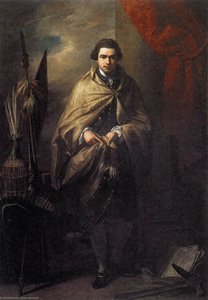
Self-Portrait


 Læs mere
Giclée / Kunsttryk
Giclée- eller lærredstryk i museumskvalitet med hurtig produktion og fleksible muligheder for finish. ( Bestil håndmalet reproduktion Skift til digitalt billede)




P118B Dkr10

P118H Dkr10

P118W Dkr10

P438Z Dkr10

P508JH Dkr12

P508YH Dkr12

P805H Dkr10

P805Z Dkr10

P919BZ Dkr10

P919G Dkr10

P919XJ Dkr10

P959ZH Dkr10

P968JZ Dkr12

W106C Dkr8

W218G Dkr10

W218JH Dkr8

W218Y Dkr10

W307PJ Dkr10

W316G Dkr10

W316PJ Dkr8

W316Y Dkr10

W398PJ Dkr8

W4111J Dkr10

W500HY Dkr15

W500JH Dkr15

W692G Dkr12

W849H Dkr8

W940BG Dkr15

W953PJ Dkr8




Vælg mellem vores forudindstillede størrelser, der matcher kunstværkets originale proportioner.

Indtast den bredde og højde, du har brug for, så det passer til din ramme eller din væg. Et print kan kun beskæres, aldrig gøres større end billedet, så en størrelse med en anden form vil miste en del af motivet. Vi sender dig en digital mockup til godkendelse, før vi printer noget. Billedet vist på denne side viser ikke den faktiske beskæring — det er kun mockuppen, der gør.
Verdensomspændende levering () på 2 uger i stedet for de sædvanlige 4/5 uger. (21 oktober)

Gratis ekspresforsendelse til hele verden

Lærred af linned i høj kvalitet

Komplet transportforsikring

Garanti for refusion af told og importafgifter

Garanti for autentisk farvegengivelse

100 dages returret ved fabrikationsfejl

100% fuld returret

Mængderabat ved flere køb
 Glasmulighed er kun tilgængelig i størrelser under 110 cm

Self-Portrait
Giclée / Kunsttryk
Reproduktionsstørrelse
-


Samlet pris
Dkr 528
A Portrait of Reflection: Benjamin West's Self-Portrait
- The Weight of History
- Neo-Classical Dignity
- Technique and Texture
- Symbolism of the Self
Neo-Classical Dignity: Style and Form
West’s approach firmly aligns with the tenets of Neoclassicism, a movement that sought to revive the artistic principles of ancient Greece and Rome. This is evident in every aspect of the composition – the formal arrangement of the figure, the emphasis on idealized beauty, and the restrained palette. The subject's pose, reminiscent of classical sculptures, conveys an air of dignified composure and intellectual seriousness. His attire—a dark coat with a high collar and a crisp white cravat—is characteristic of late 18th-century fashion, subtly signaling his status as a respected artist within Philadelphia society. The careful attention to detail in the rendering of his clothing – the subtle folds, the texture of the fabric – speaks to West’s commitment to realism, a key element of the Neoclassical style. The dark background serves not as a distraction but rather as a deliberate device, intensifying the focus on the figure and reinforcing the sense of solemnity.Technique and Texture: A Master's Hand
West’s technical skill is immediately apparent in the meticulous rendering of facial features and textures. He employs a glazing technique – applying thin layers of translucent paint over dried underlayers – to achieve remarkable depth and luminosity. The subtle play of light and shadow across his face draws attention to his expressive eyes, conveying a sense of self-assuredness and intellectual curiosity. The brushwork is controlled yet confident, demonstrating West’s mastery of oil paints. Note the delicate rendering of the hair, powdered and meticulously styled, a hallmark of the period's fashion. The texture of the fabric – the heavy wool of the coat, the smooth silk of the cravat – is rendered with remarkable accuracy, adding to the painting’s overall sense of realism and tactile quality. This level of detail was not merely decorative; it served to elevate the portrait beyond a simple likeness, transforming it into a symbol of West's artistic prowess and dedication.Symbolism of the Self: Identity and Ambition
The act of self-portraiture itself held significant symbolic weight in the 18th century. It was a demonstration of an artist’s skill, a declaration of their identity, and often, a meditation on mortality. In West's case, this particular self-portrait is particularly revealing. Painted just as he was establishing himself as a leading portraitist, it represents not only his artistic abilities but also his ambition to achieve recognition within the European art world. The serious expression on his face suggests a man deeply engaged with his craft and aware of its potential impact. The gaze directly at the viewer creates an intimate connection, inviting us into his thoughts and reflecting upon our own relationship with art and self-representation. This portrait is a testament to West’s confidence and determination – qualities that would ultimately define his remarkable career.Spørgsmål & svar
Viser "Self-Portrait" stærke lys-mørke kontraster?
"Self-Portrait" af Benjamin West fremviser en Gentle kontrast mellem sine lyse og mørke områder.
Hvilken farvepalette og hvilken følelse forener "Self-Portrait"?
Den Earthy farvepalet i "Self-Portrait" af Benjamin West harmonerer med værkets Reflective følelsesmæssige tone. Farven er en af de måder, et værk formidler følelser på.
Hvor kendt er "Self-Portrait" af Benjamin West?
"Self-Portrait" er klassificeret som Recognized.
Om kunstneren
En Pioner Mellem Verden: Livet og Arven efter Benjamin West
Benjamin West, en amerikansk-engelsk maler, blev født i 1738 i Springfield, Pennsylvania – et sted præget af både Quaker-traditioner og en spirende kunstnerisk ånd. Hans tidlige liv var langt fra det glamourøse, da hans forældre drev en lille kro, men allerede som ung viste han en uovertruffen talent for at skildre verden omkring ham. Denne evne blev først næret af observationer af de lokale indianere, der lærte ham grundlæggende teknikker, før han fik formel træning. Dette usædvanlige startpunkt indgydte i ham et innovativt åndssæt, der ville definere hele hans karriere. Han hurtigt etablerede sig som en eftertragtet portrætmaler i Philadelphia og New York, men en brændende længsel efter dybere kunstnerisk viden førte ham i 1760 til Europa – en rejse, der skulle forandre landskabet af amerikansk kunst for altid.Fra Italien til London: Vejen til Anerkendelse
West’s ankomst til Italien markerede et vendepunkt i hans liv og karriere. Han dykkede ned i hjertet af Europas kunstscene, studerede de store mestre – Titian, Rafael – og engagerede sig med nutidige neoklasiske tænkere som Anton Rafael Mengs og Angelica Kauffman. Denne periode var afgørende for at forme hans æstetiske sanser, hvor han udviklede en dyb værdsætning for klassisk form og historisk fortælling. Men det var London, der blev hans hjem og kunstneriske centrum. Ankomsten i 1763 førte til en hurtig stigning i gradene inden for den britiske kunstscene, hvor han fangede publikums opmærksomhed med sine ambitiøse lærredsbilleder og sikrede sig støtte fra Kong Georg III. Dette kongelige engagement gav ikke kun økonomisk stabilitet, men cementerede også hans position som en førende figur i det etablerede kunstmiljø. Et afgørende øjeblik kom med hans valg til Royal Academy i 1769 – en institution, han senere ville lede som præsident indtil sin død. Hans indflydelse strækker sig langt ud over hans egne kunstværker; West blev en fortaler for amerikanske kunstnere, der søgte uddannelse i Europa, og ydede vejledning og støtte til generationer af spirende malere som Allston, Copley og Morse.Revolutionerende Historisk Maleri: Teknik og Kontrovers
West’s indflydelse på kunstverdenen var ikke blot baseret på teknisk mesterskab; det handlede om at udfordre konventionerne. Han turde gendefinere historiemaleri, bevæge sig væk fra en streng overholdelse af klassiske idealer og omfavne en mere nutidig sans for realismen. The Death of General Wolfe (1770) er et eksempel på denne revolutionerende tilgang. Ved at skildre den faldne general omgivet af figurer i *moderne* militæruniformer snarere end traditionel romersk beklædning, udfordrede West de etablerede normer og provocerede debat blandt kritikere. Selvom mange betragtede det som en historisk unøjagtighed, blev billedet elsket for sin umiddelbarhed og følelsesmæssige resonans. Dette dristige træk signalerede en skift i retning af større realismen og fortællingskraften i historiemaleriet, hvilket inspirerede utallige kunstnere efter ham. Hans stil udviklede sig over tid, hvor han integrerede elementer fra romantikken i sine senere værker, men bevarede altid et engagement i ambitiøs komposition og detaljeret udførelse. Andre bemærkelsesværdige stykker som Thetis Bringing the Armor to Achilles, The Three Sisters, The Fright of Astyanax og The Cave of Despair demonstrerer hans alsidighed og mesterskab på tværs af en række mytologiske og historiske temaer.En Varig Arv: Shaping Artistic Identity
Benjamin West’s arv strækker sig langt ud over de lærredsbilleder, han skabte. Han forandrede fundamentalt landskabet for amerikansk kunst ved at etablere historiemaleriet som en levedygtig genre for amerikanske kunstnere og fremme en følelse af national kunstnerisk identitet. Hans præsidentskab for Royal Academy cementerede hans indflydelse på britisk kunst, fremmede innovation og støttede spirende talenter.- Han championed en mere tilgængelig og følelsesmæssigt engagerende stil af historisk repræsentation.
- Hans atelier blev et fristed for amerikanske kunstnere, der søgte uddannelse i Europa.
- Han broget den gap mellem neoklasiske idealer og den spirende romantiske bevægelse.
Vigtigste værker
- The Death of General Wolfe (1770)
- Thetis Bringing the Armor to Achilles
- The Three Sisters
- The Fright of Astyanax
- The Cave of Despair

Benjamin West
1738 - 1820 , USA
Hurtige fakta
- Artistic Movement Or Style: Neoklassisk, Romantisk
- Artists Or Movements Influenced By This Artist:
- Allston
- Copley
- Morse
- Artists Who Influenced This Artist:
- Titian
- Raphael
- Mengs
- Date Of Birth: 10 okt. 1738
- Date Of Death: 11 marts 1820
- Full Name: Benjamin West
- Nationality: Amerikansk
- Notable Artworks:
- Død af general Wolfe
- Thetis bringer rustning
- Tre søstre
- Frygt for Astyanax
- Place Of Birth: Springfield, USA
Relaterede artikler
De 10 mest ikoniske malerier i svampefarver – Kunst til dit hjem | OriginalUniqueArt.dk
Oplev de 10 mest ikoniske malerier i smukke svampefarver! Fra Monet til Van Gogh – lær historierne bag disse tidløse kunstværker og find inspiration til dit hjem. Køb museumskvalitets reproduktioner på OriginalUniqueArt.com.

Benjamin West: Transatlantic Ambition & Shaping American Art
Explore the life & legacy of Benjamin West, pioneering American artist and Royal Academy president. Discover his Neoclassical masterpieces, transatlantic influence, and lasting impact on art history. Learn more at OriginalUniqueArt.
Top 10 Berømte Malerier i Sandfarver: Kunst, Historie & Indretning
Oplev top 10 berømte malerier i smukke sandfarver! Fra Monet til Rembrandt – udforsk kunsthistorien, teknikker og inspiration. Find museumskvalitets reproduktioner & dekorer dit hjem med tidløs elegance på OriginalUniqueArt.com.
Top 10 Berømte Malerier i Lerfarver: Kunst, Historie & Indretning
Oplev top 10 berømte malerier domineret af smukke lerfarver! Lær historierne bag Picasso, Van Gogh og Monet. Find inspiration til dit hjem med museumskvalitets kunsttryk på OriginalUniqueArt.com – køb reproduktioner online i dag!

Sort i Kunsten: Top 10 Berømte Malerier & Deres Mystik | OriginalUniqueArt.dk
Oplev 10 berømte malerier domineret af sort – fra Rembrandts drama til Goyas mystik. Lær historierne bag disse ikoniske kunstværker og find inspiration til dit hjem. Køb museumskvalitets reproduktioner på OriginalUniqueArt.com