Se i rummet
 Send
Send Del
Del
 Detaljer
 Studieguide til kunstværker

 Download
 Lignende værker
 Røntgenundersøgelse
 Se diasshow
 Statistik
The Cat in the Mirror
 Oil
Oil- WallArt
- Contemporary Realism
 1988
1988- Modern
 170.0 x 200.0 cm
 Læs mere
Kunstværket vist på denne side er beskyttet af ophavsretsloven, hvilket betyder, at vi ikke lovligt kan skabe eller sælge en identisk reproduktion. Denne beskyttelse håndhæves i henhold til internationale aftaler som f.eks. den Bernerkonventionen og af nationale love, herunder de bestemmelser, der er fastlagt i Amerikansk ophavsretslov - Titel 17.
Denne metode overholder fuldt ud ophavsretsreglerne, da den ikke indebærer kopiering eller duplikering af det beskyttede kunstværk. I stedet er der tale om en kreativ nytolkning – et nyt maleri, som er inspireret af det oprindelige, men ikke identisk med det.
Giclée / Kunsttryk
Giclée- eller lærredstryk i museumskvalitet med hurtig produktion og fleksible muligheder for finish. ( Bestil håndmalet reproduktion Skift til digitalt billede)




P118B Dkr10

P118H Dkr10

P118W Dkr10

P438Z Dkr10

P508JH Dkr12

P508YH Dkr12

P805H Dkr10

P805Z Dkr10

P919BZ Dkr10

P919G Dkr10

P919XJ Dkr10

P959ZH Dkr10

P968JZ Dkr12

W106C Dkr8

W218G Dkr10

W218JH Dkr8

W218Y Dkr10

W307PJ Dkr10

W316G Dkr10

W316PJ Dkr8

W316Y Dkr10

W398PJ Dkr8

W4111J Dkr10

W500HY Dkr15

W500JH Dkr15

W692G Dkr12

W849H Dkr8

W940BG Dkr15

W953PJ Dkr8




Vælg mellem vores forudindstillede størrelser, der matcher kunstværkets originale proportioner.

Indtast den bredde og højde, du har brug for, så det passer til din ramme eller din væg. Et print kan kun beskæres, aldrig gøres større end billedet, så en størrelse med en anden form vil miste en del af motivet. Vi sender dig en digital mockup til godkendelse, før vi printer noget. Billedet vist på denne side viser ikke den faktiske beskæring — det er kun mockuppen, der gør.
Verdensomspændende levering () på 2 uger i stedet for de sædvanlige 4/5 uger. (25 oktober)

Gratis ekspresforsendelse til hele verden

Lærred af linned i høj kvalitet

Komplet transportforsikring

Garanti for refusion af told og importafgifter

Garanti for autentisk farvegengivelse

100 dages returret ved fabrikationsfejl

100% fuld returret

Mængderabat ved flere køb
 Glasmulighed er kun tilgængelig i størrelser under 110 cm

The Cat in the Mirror
Giclée / Kunsttryk
Reproduktionsstørrelse
-


Samlet pris
Dkr 531
A Quiet Enigma: The Intimate World of Balthus
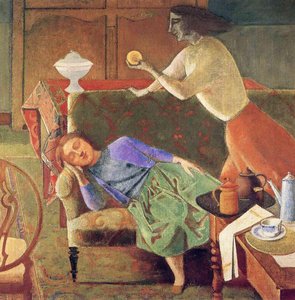
In the vast landscape of twentieth-century figurative painting, few artists possess the ability to weave such profound mystery into the fabric of domesticity as Balthus. His 1988 masterpiece, The Cat in the Mirror, serves as a hauntingly beautiful window into a private, almost dreamlike realm. The scene unfolds within the quiet confines of a bedroom, where a woman sits prominently upon a bed, her presence commanding yet shrouded in a sense of introspective solitude. As she holds a mirror, the viewer is invited to contemplate not just the physical reflection, but the psychological depths of the subject. This work is not merely a depiction of a room; it is an invitation into a silent dialogue between the seen and the unseen, a hallmark of Balthus’s unique ability to revitalize classical forms with a modern, unsettling edge.
The composition is masterfully balanced, utilizing the sprawling expanse of the bed to anchor the lower portion of the canvas. Scattered throughout this intimate setting are elements that suggest a lived-in, yet staged, reality: two handbags resting near the woman, a solitary cup placed near her feet, and a chair tucked into the periphery. The presence of cats—one close to the central figure and another drifting toward the edge of the frame—adds a layer of feline grace and unpredictable energy to the stillness. These creatures act as silent witnesses to the woman's introspection, their watchful eyes mirroring the enigmatic gaze of the subject herself. For the collector or interior designer, this painting offers a sophisticated focal point that commands attention through its narrative complexity rather than overt spectacle.
Technically, the painting exemplifies Balthus’s reverence for the Old Masters, blended with a textured, almost tactile application of paint. The interplay of light and shadow creates a soft, atmospheric glow that lends the room an air of timelessness. There is a deliberate weight to the figures and objects, achieved through a masterful use of tonal depth that makes the scene feel both tangible and ethereal. The brushwork, while controlled, possesses a rhythmic quality that guides the eye across the various textures—from the soft fabric of the bedding to the smooth surface of the mirror. This meticulous technique ensures that every time one views a reproduction of this piece, new details emerge from the shadows.
Beyond its aesthetic brilliance, The Cat in the Mirror resonates on an emotional level through its profound symbolism. The mirror serves as a powerful metaphor for self-reflection and the duality of identity, while the cats represent the untamed, instinctive aspects of the human psyche lurking within the domestic sphere. It is a work that speaks to the tension between comfort and curiosity, between the known and the mysterious. For those seeking to infuse a space with intellectual depth and a sense of quiet drama, this painting provides an unparalleled source of inspiration. It is more than a decoration; it is a profound atmospheric element that transforms a room into a sanctuary of thought and contemplation.
Spørgsmål & svar
Hvilken mætning og intensitet udviser "The Cat in the Mirror" af Balthus?
Farverne i "The Cat in the Mirror" af Balthus fremviser en Balanced Soft mætning med en Balanced intensitet.
Hvilke farver dominerer "The Cat in the Mirror" af Balthus?
"The Cat in the Mirror" er defineret af en Earthy farvepalette med Espresso (#474024) som den dominerende farve.
Er "The Cat in the Mirror" fri for ophavsret?
Ophavsretsstatus for "The Cat in the Mirror" af Balthus: værket er stadig beskyttet af ophavsret. Dette afgør, om der frit må foretages reproduktioner af billedet.
Om kunstneren
Balthus: En Mystisk Kunstners Verden
Balthasar Klossowski de Rola, kendt verden over som Balthus, er en af det 20. århundredes mest fascinerende og kontroversielle kunstnere. Hans liv var præget af en tidlig immersion i kultur og en bevidst afvisning af dominerende kunstneriske tendenser. Hans far, Erich Klossowski, var en respekteret kunsthistoriker, mens hans mor, Baladine Klossowska, selv var maler – hvilket skabte et miljø, hvor æstetisk refleksion ikke blot blev opmuntret, men levet. Denne baggrund indgydede Balthus en dyb respekt for de gamle mestre og en skepsis overfor den voksende avantgarde, der dominerede det parisienne kunstmiljø. Han var ikke interesseret i at bryde med traditionen; snarere søgte han at revitalisere klassiske former med en distinkt moderne sans – hvilket resulterede i en verden, der var unik for ham selv – ofte urolig, altid fængslende.
Barndom og Kunstnerisk Opvækst
- Balthus blev født i Paris i 1908, i en kosmopolitisk familie med rødder i både Preussen og Polen.
- Hans tidlige liv var præget af konstant forflyttelse på grund af Første Verdenskrig og forældrenes skilsmisse. Disse oplevelser indgydede ham en følelse af displacement og introspektion, der dybtgående ville påvirke hans kunstneriske vision.
- Han begyndte at tegne i en ung alder og viste en bemærkelsesværdig talent for at fange form og atmosfære.
- Rainer Maria Rilkes poetiske udforskning af indre liv resonerede dybt med den unge kunstner, hvilket fremmede en fascination for psykologisk dybde og symbolsk betydning.
Indflydelse og Inspirationskilder
Balthus’s tidlige liv var præget af en række indflydelser fra forskellige kilder. Han absorberede elementer fra pre-renæssance italienske malere som Piero della Francesca og Simone Martini, samt litterære figurer som Emily Brontë og Lewis Carroll – hvilket skabte et unikt kunstnerisk sprog. Hans far, Erich Klossowski, var en stor fortaler for klassiske former, mens hans mor, Baladine, introducerede ham for den italienske renæssance. Han studerede intensivt de store mestre, især Masaccio og Piero della Francesca, og forsøgte at efterligne deres teknikker og palet. Disse opdagelser var afgørende for at forme hans kunstneriske stil og hans forståelse af lys, farve og form.
Rilkes Indflydelse
Rainer Maria Rilkes poetiske udforskning af indre liv resonerede dybt med den unge Balthus, hvilket fremmede en fascination for psykologisk dybde og symbolsk betydning.Kontroverser og Anerkendelse
Balthus fik sin første offentlige udstilling i 1934, hvor hans arbejde straks vækkede kontrovers. Malerier som La Rue (1933) illustrerede hans tidlige mesterskab inden for komposition og atmosfære, og skildrede en gade scene med en urolig følelse af isolation. The Mountain (1937), et monumentalt værk med to unge piger i et dramatisk landskab, udtrykte kunstnerens fascination for ungdom og ensomhed. Senere værker, såsom Girl at a Window (1957) – berømt fremført i François Truffauts film Domicile Conjugal – viste hans evne til at fange flygtige øjeblikke af introspektion og sårbarhed. Hans kompositioner er ofte præget af en følelse af stilstand og tavshed, hvilket inviterer publikum til at reflektere over de indre liv i hans emner.
Et Arv af Introspektion og Indflydelse
På trods af at han forblev relativt distanceret fra kunstens hovedstrøm, opnåede Balthus betydelig anerkendelse i løbet af sit liv. Han holdt store udstillinger på Museum of Modern Art i New York (1956) og i hele Europa, hvilket cementerede hans position som en førende figur i det 20. århundredes maleri. I 1961 blev han udnævnt til direktør for Académie de France i Rom – en prestigefyldt stilling, der yderligere fastslog hans status inden for kunstmiljøet. Hans indflydelse kan ses i værkerne hos mange samtidige kunstnere, herunder Jan Saudek, Will Barnet og Duane Michals, som deler hans interesse for figurativ maleri, psykologisk realisme og udforskningen af komplekse følelsesmæssige tilstande. Balthus’s arv strækker sig ud over hans tekniske dygtighed; han udfordrede konventionelle opfattelser af skønhed og repræsentation, hvilket tvang publikum til at konfrontere ubehagelige sandheder om begær, magt og den menneskelige sjæl. Han døde i 2001 og efterlod et værk, der fortsat provokerer, fængsler og inspirerer.

Balthus
1908 - 2001 , Frankrig
Hurtige fakta
- Artistic Movement Or Style: Klassisk, figurativ
- Artists Or Movements Influenced By This Artist:
- Rilke
- Surrealisme
- Artists Who Influenced This Artist:
- Masaccio
- Piero
- Ingres
- Date Of Birth: 29. feb 1908
- Date Of Death: 18. feb 2001
- Full Name: Balthasar Klossowski de Rola
- Nationality: Fransk-polsk
- Notable Artworks:
- Rue
- Bjerge
- Pige ved vindue
- Place Of Birth: Paris, Frankrig
Relaterede artikler

Balthus: Exploring the Enigmatic World of Childhood, Myth & Modernist Disquiet
Explore the captivating world of Balthus – a master of figurative art renowned for dreamlike compositions & psychologically charged portraits. Discover his unique style, symbolism, and controversial legacy at OriginalUniqueArt.
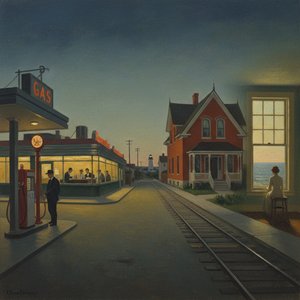
Edward Hoppers 25 Mesterværker: En Hyldest til Amerikansk Realisme | OriginalUniqueArt.com
Oplev Edward Hoppers 25 mest ikoniske malerier! Dyk ned i amerikansk realisme, ensomme motiver og stemningsfulde bylandskaber. Find inspiration & køb museumskvalitets kunsttryk på OriginalUniqueArt.com.
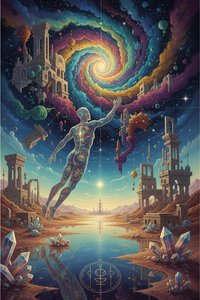
Beyond Reality: Unveiling the Enigmatic Essence of Metaphysical Art
Explore the profound mystery of Metaphysical Art. From Giorgio de Chirico’s haunting dreamscapes to the deep symbolism of the movement, discover how this enigmatic style transcends reality through expert art history analysis and timeless aesthetic beauty.
Top 10 Kunstværker der Vækker Mysterium og Dybe Følelser | OriginalUniqueArt.dk
Oplev 10 ikoniske kunstværker, der vækker mystik og dybe følelser. Fra ekspressionisme til surrealisme – lær historierne bag mesterværkerne og find inspiration til din boligindretning med OriginalUniqueArt.dk. Udforsk samlingen online!

Gustav Klimts 25 Mesterværker: Kunst, Historie & Inspiration til Dit Hjem | OriginalUniqueArt
Oplev Gustav Klimts 25 mest ikoniske værker! Fordyb dig i symbolisme, jugendstil og den gyldne periodes skønhed. Find inspiration til din indretning & køb luksus kunst reproduktioner på OriginalUniqueArt.com.